

Understand the Basics of Options Trading
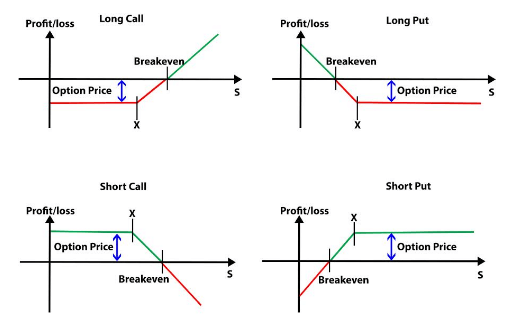
Options are financial tools that give you the right to buy or sell an asset at a set price. Learn how they work in the stock market and how traders use them.



What Is the Bank Nifty Index?
The Bank Nifty index tracks the performance of top banking stocks in India. Learn why this index matters in the stock market and how traders use it.

Which Stocks Make Up the Bank Nifty Index?
The Bank Nifty index is made up of the most liquid and large-cap banking stocks in India. Understanding its composition helps you make better trading decisions.

Why Is the Bank Nifty Index Important in the Indian Stock Market?
The Bank Nifty Index gives a clear picture of how the banking sector is performing. It helps investors make decisions and reflects the health of the Indian economy.

What Moves the Bank Nifty Index?
Many factors affect the Bank Nifty Index, including interest rates, economic data, and bank earnings. Knowing these can help you make smarter trading decisions.
How to Use Bank Nifty Options Chain Data
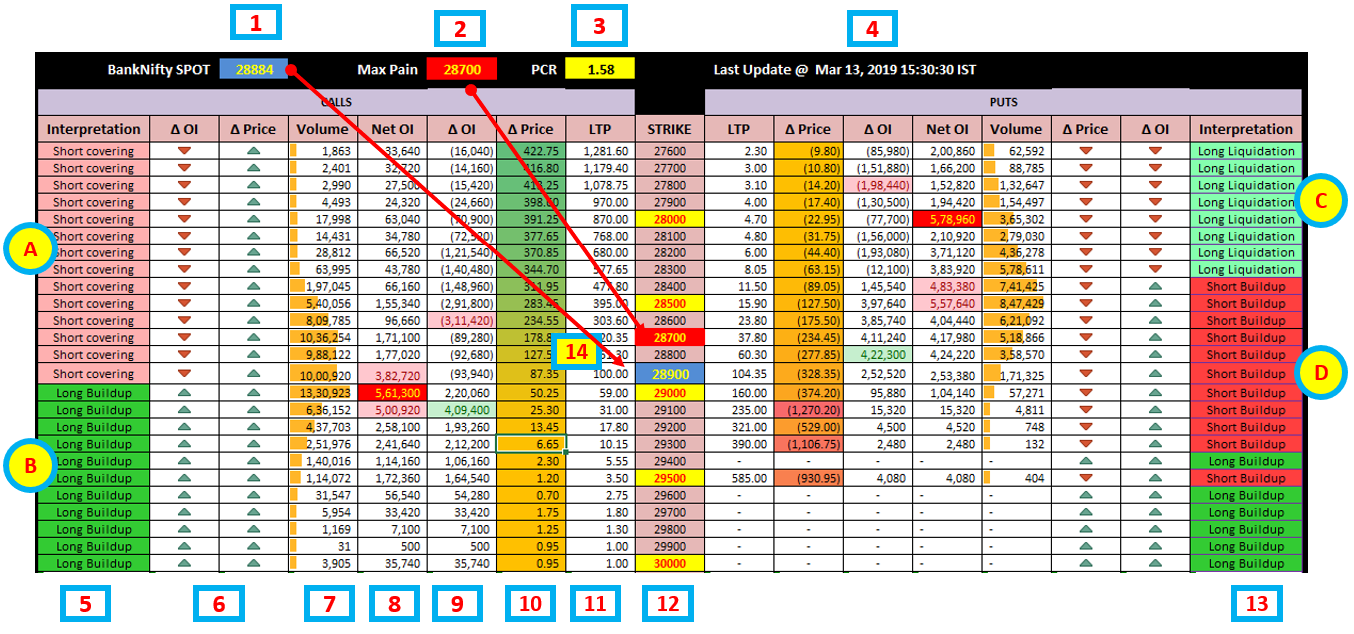
The options chain is a table that shows key data like strike price, premium, open interest (OI), and volatility. Learn how to read it to make informed trades.
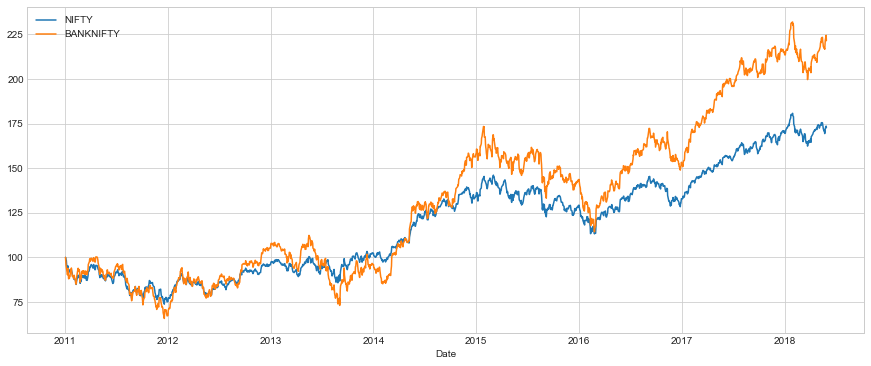
How to Trade Bank Nifty Options for Intraday
Intraday trading in Bank Nifty options requires quick decisions and a clear plan. Focus on price action, expiry timing, and market trends for best results.

How to Start Intraday Trading in Bank Nifty Options
Pick a strategy, set your entry and exit points, and manage risk with stop-loss orders. Start with small trades and build experience over time.


How Option Pricing Works
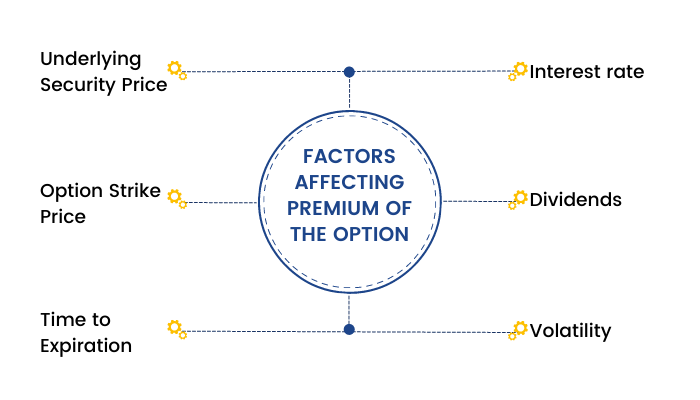
Option pricing depends on several key factors. Learn what affects the price of an option and how to estimate its value before you trade.
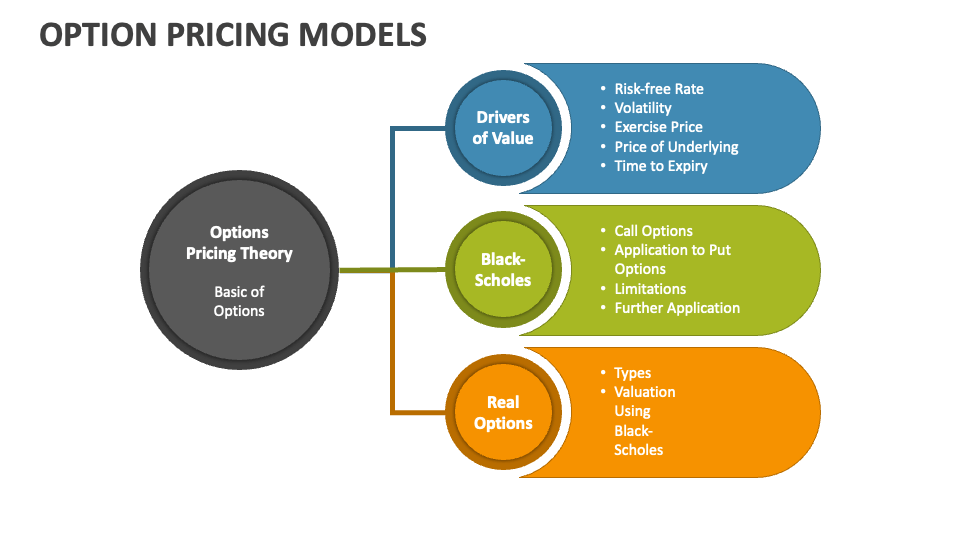
Key Factors That Affect Option Pricing
The main factors are the underlying asset price, time left until expiry, market volatility, and interest rates. Each one plays a role in determining an option’s price.
What Is the Black-Scholes Model?
The Black-Scholes model is a formula used to estimate the fair value of options. It is one of the most widely used pricing methods in options trading.
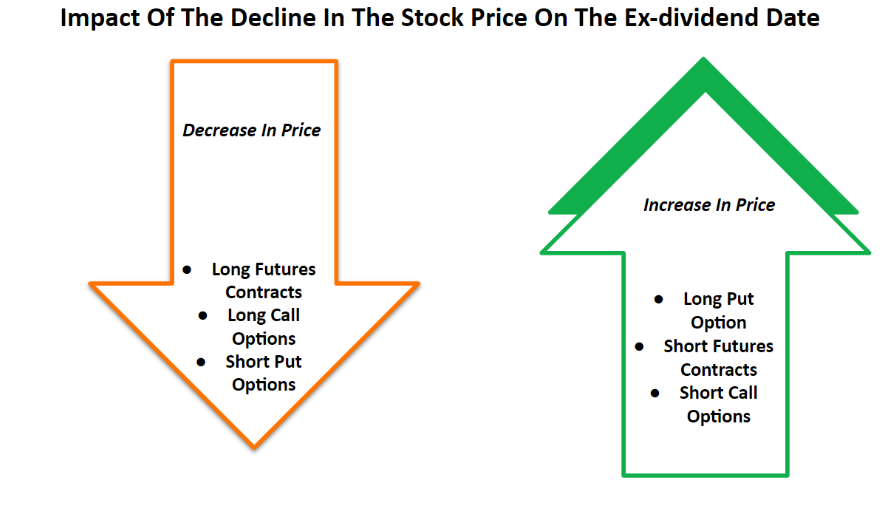

Risk Management in Options Trading
Options trading comes with real risks. Learn how to manage and reduce those risks to protect your capital and trade more responsibly.

What Is Risk Management in Options Trading?
Risk management means knowing how much you can lose and taking steps to limit those losses. It is the most important skill for any options trader.

Risk Management Strategies for Options Trading
Use stop-loss orders and position sizing to control risk. While options can be risky, they can also help reduce overall portfolio risk when used correctly.

Why Diversification and Hedging Matter in Options Trading
Options trading can offer high rewards, but it also carries risk. Diversification and hedging are key strategies to help manage that risk effectively.

Using Technical Analysis for Bank Nifty Options
Technical analysis helps you read price charts and spot market trends. Learn how to use it to make better Bank Nifty options trading decisions.

Key Support and Resistance Levels for Bank Nifty
Support and resistance are price zones where the market often reacts. Use them along with other analysis tools to make better trading decisions.

Using Technical Indicators to Analyze Market Trends
Moving averages and RSI are popular tools for analyzing Bank Nifty options. No single indicator is perfect, so use them alongside your own research.

What Are Chart Patterns in Options Trading?
Patterns like head and shoulders, triangles, and flags can help you predict where prices may go next. Learn to spot them on Bank Nifty charts.

Options Trading Strategies for Every Market Condition
Learn the most common options trading strategies and how to use them based on different market conditions and your own risk tolerance.
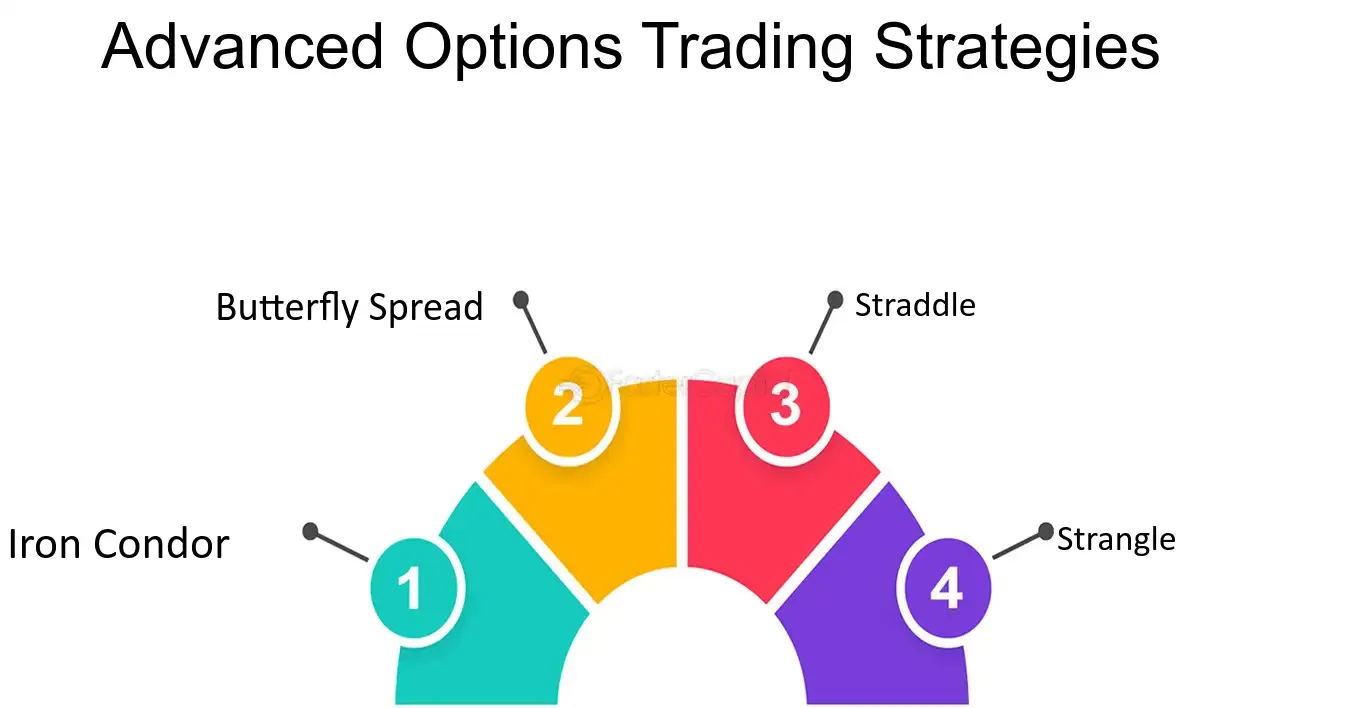
Popular Options Trading Strategies to Know
Popular strategies include straddles, strangles, butterflies, and iron condors. Each one works best in different market conditions.
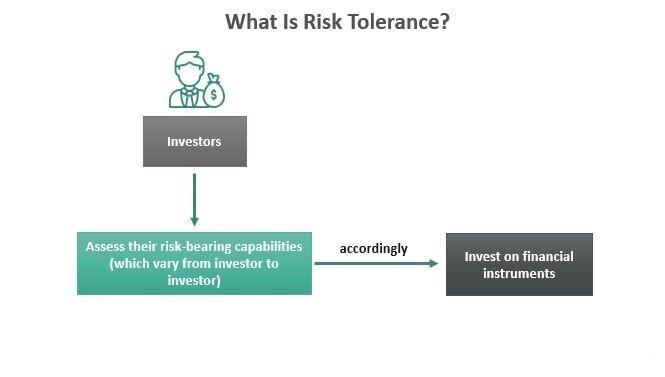

Understanding Market Volatility in Options Trading
Market volatility has a big impact on options prices. Learn how to trade through volatile markets and adjust your strategies accordingly.
How Market Volatility Affects Options Pricing
Volatility is one of the biggest factors in option pricing. Understanding it helps you make smarter trading choices and manage risk better.

How Market Volatility Affects Your Options Strategy
Different strategies work better in high or low volatility. Knowing the link helps you pick the right approach for current market conditions.

Risk Management Techniques for Volatile Markets
Using proper risk management in volatile markets is essential. Techniques like position sizing and hedging can help protect your trades when markets are unstable.
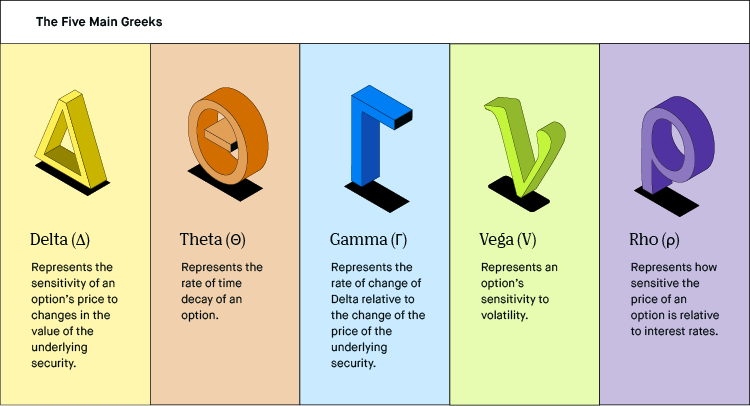
What Are Option Greeks and Why They Matter
Option Greeks measure how sensitive an option’s price is to different factors. Learn how Delta, Gamma, Theta, and Vega affect your trading decisions.
What Is Delta in Options Trading?
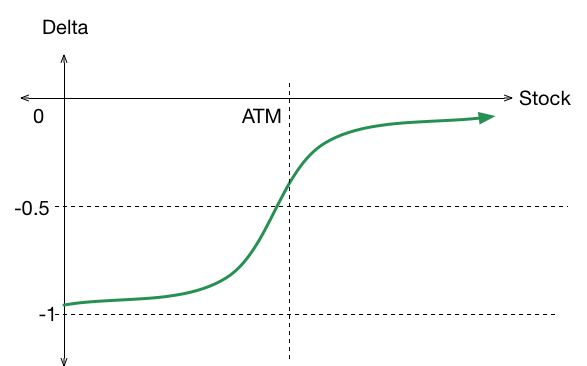
Delta measures how much an option’s price moves when the underlying asset price changes by one point. It is one of the most important Greeks to know.
What Is Gamma in Options Trading?
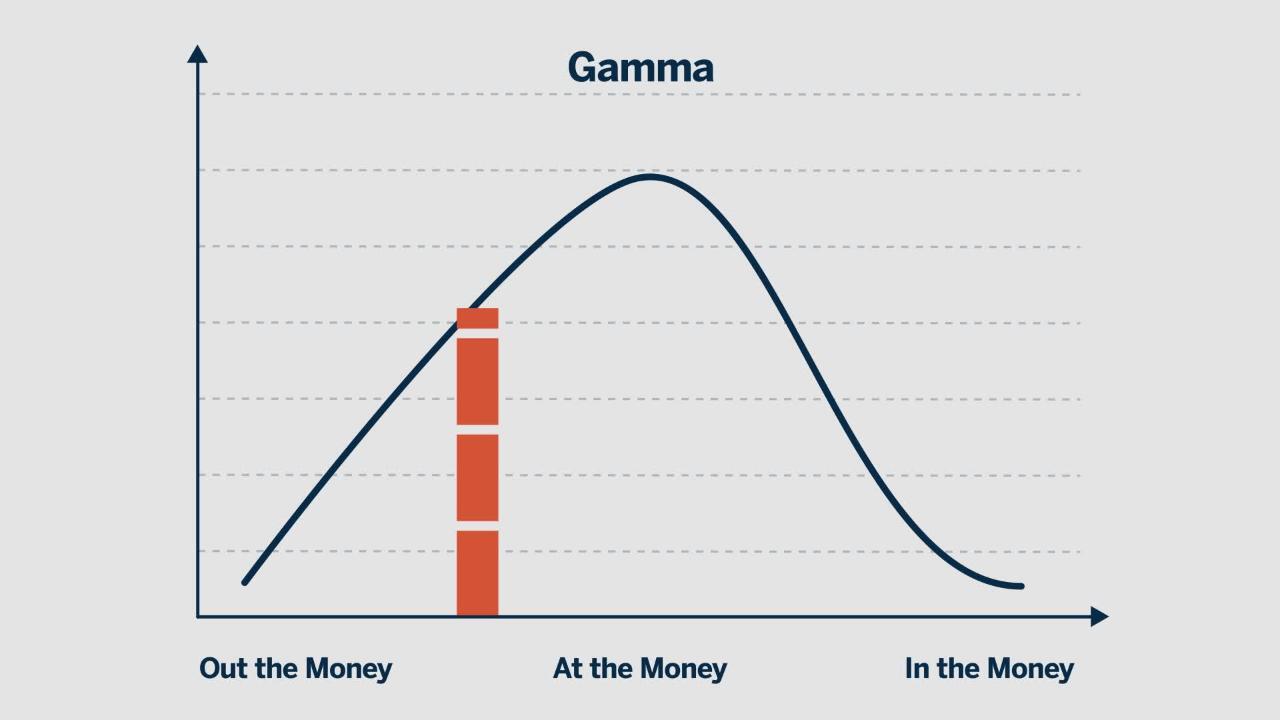
Gamma measures how fast Delta changes when the underlying asset price moves. It helps you understand how an option’s risk may shift.

What Is Theta (Time Decay) in Options?
Theta measures how much an option loses value each day as it gets closer to expiry. This is called time decay and it works against option buyers.