
Option Strategies

Different Option Trading Strategies and How to Implement Them Effectively.

Different Option Trading Strategies for Every Market Condition

Different option trading strategies for every market condition

exploring option trading strategies gives you many ways to profit in any market condition. Whether you expect prices to rise, fall, or stay steady, there is an option strategy built for your outlook.

📈 Bullish Strategies

Bullish Strategies

Use bullish strategies when you expect the market or a stock to rise.

  • Long Call Buy a call option when you expect a rise in the underlying asset’s price. Your risk is limited to the premium paid.

    Example: Buy 1 BankNifty call option with a strike price of 35000 at a premium of ₹200.
    
  • Bull Call Spread Buy a call option at a lower strike and sell another call option at a higher strike. This reduces the cost but caps the maximum profit.

    Example: Buy 1 BankNifty 35000 call at ₹200 and sell 1 BankNifty 36000 call at ₹100.
    
  • Bull Put Spread Sell a put option at a higher strike and buy another put option at a lower strike. This strategy generates income with limited risk.

    Example: Sell 1 BankNifty 35000 put at ₹150 and buy 1 BankNifty 34000 put at ₹50.
    

📉 Bearish Strategies

Bearish Strategies

When you expect the market to fall, bearish strategies can help you profit from the downturn.

  • Long Put Buy a put option if you believe the underlying asset’s price will fall. Your risk is limited to the premium paid.

    Example: Buy 1 BankNifty put option with a strike price of 35000 at a premium of ₹250.
    
  • Bear Put Spread Buy a put option at a higher strike and sell another put option at a lower strike. This strategy benefits from a decline with limited risk.

    Example: Buy 1 BankNifty 35000 put at ₹250 and sell 1 BankNifty 34000 put at ₹150.
    
  • Bear Call Spread Sell a call option at a lower strike and buy another call option at a higher strike. This generates income but has limited risk.

    Example: Sell 1 BankNifty 35000 call at ₹200 and buy 1 BankNifty 36000 call at ₹100.
    

🔄 Neutral Strategies
Neutral Strategies

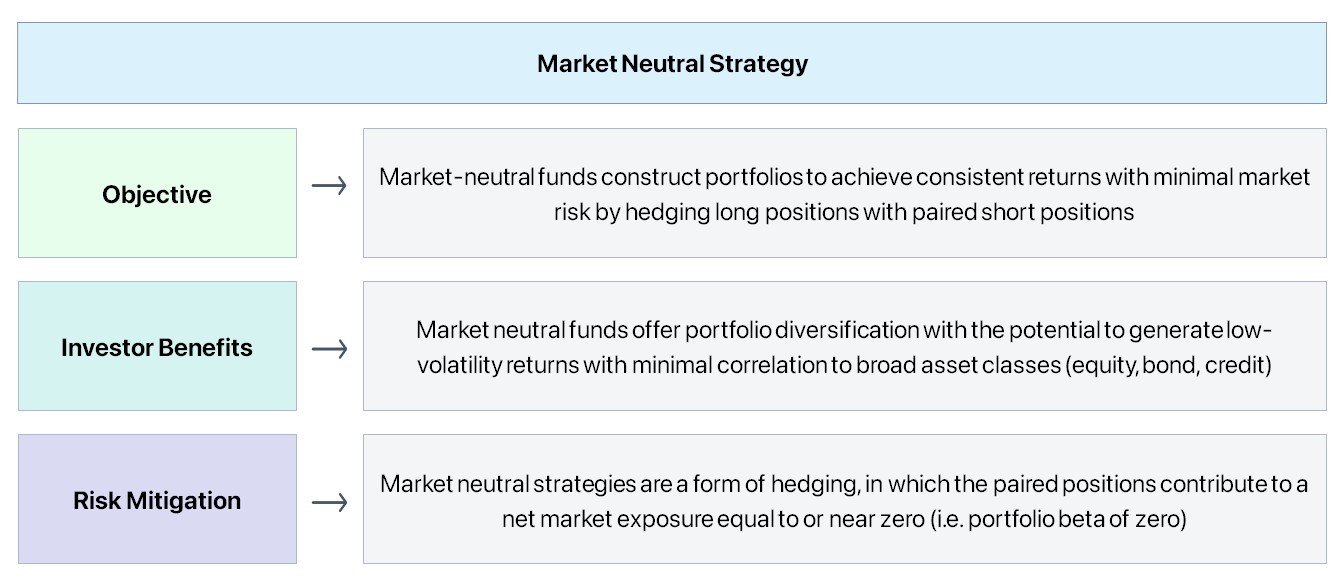
When you expect the market to remain stable, straddle and butterfly spreads can help you earn a profit without taking a directional bet.

  • Iron Condor Combine a bull put spread with a bear call spread. This strategy profits from low volatility.

    Example: Sell 1 BankNifty 35000 put, buy 1 BankNifty 34000 put, sell 1 BankNifty 36000 call, and buy 1 BankNifty 37000 call.
    
  • Butterfly Spread Buy a call (or put) at a lower and higher strike, and sell two calls (or puts) at a middle strike. This strategy has a low cost and profits from minimal movement.

    Example: Buy 1 BankNifty 34000 call, sell 2 BankNifty 35000 calls, and buy 1 BankNifty 36000 call.
    
  • Straddle Buy a call and put option at the same strike and expiration. This strategy profits from significant moves in either direction.

    Example: Buy 1 BankNifty 35000 call and 1 BankNifty 35000 put.
    

⚖️ Hedging Strategies

Hedging is about reducing risk. Options can be used to protect your portfolio against adverse moves.

  • Protective Put Buy a put option to insure your holdings against a drop in price.

    Example: Own 100 shares of BankNifty and buy 1 BankNifty 35000 put.
    
  • Covered Call Sell a call option against stock you own. This generates income but caps your upside potential.

    Example: Own 100 shares of BankNifty and sell 1 BankNifty 35000 call.
    

🔑 Key Takeaways

  • Know Your Risk Tolerance: Each strategy comes with its own risk profile. Know how much you’re willing to risk.
  • Market Outlook: Your strategy should align with your market expectations—bullish, bearish, or neutral.
  • Practice Makes Perfect: Use paper trading to practice these strategies before risking real money.
  • Stay Informed: Keep up with market news and events that can affect BankNifty prices.

By mastering these strategies, you can navigate the options market with confidence and potentially turn a profit in various market conditions. Remember, options trading involves significant risk and is not suitable for all investors.

Option Trading Strategies: What Traders Need to Know

Option trading strategies are predefined plans that combine one or more options contracts—calls and puts—to profit from specific market movements or to manage risk. These strategies allow traders to tailor their exposure to market direction, volatility, and time decay, making options a versatile tool for bullish, bearish, neutral, or hedging objectives.

What is an option trading strategy?

An option trading strategy is a structured approach to buying or selling call and put options to achieve a defined outcome, such as directional profit, income generation, or portfolio protection. Each strategy has a unique risk-reward profile and is selected based on the trader's market outlook.

How do you choose the right option strategy for a given market condition?

Traders select strategies by assessing whether the market is expected to rise, fall, or move sideways. Bullish strategies like long calls or bull call spreads suit upward trends. Bearish strategies like long puts or bear put spreads work during declines. Neutral strategies such as iron condors or butterfly spreads perform best in low-volatility, range-bound markets.

What is the difference between a call option and a put option?

A call option gives the buyer the right, but not the obligation, to buy an underlying asset at a specified strike price before expiration. A put option gives the buyer the right to sell an underlying asset at a specified strike price. Calls are used when a trader expects prices to rise, while puts are used when a trader expects prices to fall.

What are the most common option trading strategies for beginners?

Beginners typically start with simple single-leg strategies such as buying a long call or a long put, which have limited risk equal to the premium paid. As experience grows, traders may advance to spreads like the bull call spread or bear put spread, which reduce cost and risk while capping profit potential.

What is the maximum risk in a long call strategy?
The maximum risk in a long call strategy is the total premium paid to purchase the option. This occurs if the option expires out of the money, meaning the underlying asset's price remains below the strike price.
How does an iron condor strategy work?
An iron condor combines a bull put spread and a bear call spread on the same underlying asset with the same expiration date. It profits when the underlying asset's price stays within a defined range, collecting net premium while limiting risk on both sides.
Can option trading strategies be used for hedging?
Yes, strategies such as the protective put and the covered call are commonly used for hedging. A protective put acts like insurance by setting a floor on losses, while a covered call generates income against a long stock position to offset potential declines.
What role does implied volatility play in selecting an option trading strategy?
Implied volatility reflects the market's expectation of future price swings. High implied volatility makes options more expensive and favors strategies that sell premium, such as iron condors. Low implied volatility makes options cheaper and favors strategies that buy premium, such as long straddles or long calls.
What is the difference between a straddle and a strangle?
A straddle involves buying a call and a put at the same strike price, requiring a large price move in either direction to profit. A strangle buys a call and a put at different strike prices, which lowers the upfront cost but requires an even larger price move to become profitable.
Why do traders use spread strategies instead of single-leg options?
Traders use spreads to reduce the net premium paid, define risk, and lower the breakeven point compared to a single-leg option. Spreads trade some profit potential for a more controlled and capital-efficient risk profile.
Scroll to Top