Banknifty Index and Its Significance in the Financial Market
What Is the Bank Nifty Index?

The Bank Nifty index tracks India’s top banking stocks on the National Stock Exchange (NSE). It includes the 12 most liquid and largest banking stocks from both public and private banks. Many investors see this index as a sign of how the Indian economy is performing. Get Bank Nifty composition details to learn which stocks are included.
What Is the Bank Nifty Index?
Which Stocks Make Up the Bank Nifty?
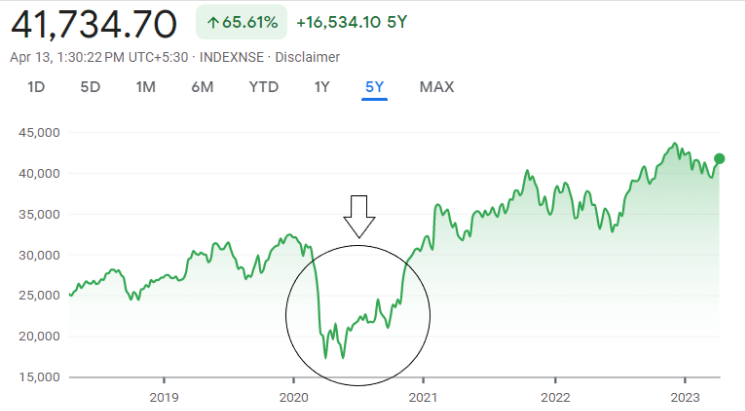
The Bank Nifty, also called the Nifty Bank Index, includes 12 of the most traded and valuable banking stocks on the National Stock Exchange (NSE). It covers both public and private sector banks.
Why the Bank Nifty Matters
The Bank Nifty shows how well India’s banking sector is doing. Since banks are key to the economy, this index helps investors and traders understand market trends and make smarter choices.
Trading Bank Nifty Options
What Are Bank Nifty Options?
Bank Nifty options are contracts that let you buy or sell the index at a set price before a certain date. You have the right, but not the duty, to act on them.
How to Trade Bank Nifty Options
Trading Bank Nifty options means learning key terms like strike price, expiration date, and premium. Traders pick strategies based on what they think the market will do. These include long calls, long puts, bear spreads, and bull spreads. Take our Bank Nifty options course to learn more about these methods.
Bank Nifty Options Trading Strategies

Bullish Strategy: When You Expect the Market to Rise
If you think the Bank Nifty will go up, you can buy a call option at a certain strike price.
Example: Buying a **Bank Nifty** Call Option with a strike price of 35000.
Bearish Strategy: When You Expect the Market to Fall
If you think the index will drop, you can buy a put option at a set strike price.
Example: Buying a **Bank Nifty** Put Option with a strike price of 34000.
Neutral Strategy: When You Expect Little Change
If you think the Bank Nifty will stay flat, you can use strategies like the Iron Condor or Butterfly spread.
Risk Management for Bank Nifty Options
Why Risk Management Matters

Trading Bank Nifty options involves leverage and big price swings. That is why managing risk is so important.
Simple Ways to Manage Risk
Traders use stop-loss orders, adjust how much they invest, and spread their trades across different assets. Keeping up with market news that affects banks also helps reduce risk.
The Role of Bank Nifty in Your Portfolio
The Bank Nifty index does more than track bank stocks. It is a useful tool for traders. With the right strategies and risk control, Bank Nifty options can be a strong part of a trader’s plan.
Bank Nifty Index: Everything You Need to Know
The Bank Nifty index is a benchmark index on the National Stock Exchange of India that tracks the performance of the 12 largest and most liquid banking stocks in the country. It serves as a reliable indicator of the health of India's banking sector and, by extension, the broader economy. Traders and investors use the Bank Nifty index to gauge market sentiment, execute options strategies, and manage exposure to the financial services industry.
What is the Bank Nifty index and how is it calculated?
The Bank Nifty index is calculated using a free-float market capitalization method. This means only shares available for public trading are considered, and each stock's weight in the index is proportional to its market value. The index is rebalanced periodically to ensure it reflects the most current composition of India's leading banking stocks. It includes a mix of public sector and private sector banks, giving a broad view of the banking landscape.
How is the Bank Nifty index different from the Nifty 50?
The Nifty 50 tracks the 50 largest companies across all sectors of the Indian economy, while the Bank Nifty index focuses exclusively on 12 banking stocks. The Bank Nifty is more concentrated and tends to be more volatile than the broader Nifty 50, making it a popular choice for short-term traders and options strategists who want targeted exposure to the financial sector.
Why do traders prefer Bank Nifty index options over stock options?
Bank Nifty index options offer higher liquidity, tighter bid-ask spreads, and standardized contract specifications compared to individual stock options. Because the index represents a basket of 12 banks, it reduces the risk tied to any single company's performance. Traders also benefit from cash settlement, which eliminates the need to deliver actual shares upon expiration.
- What is the lot size for Bank Nifty index options?
- The lot size for Bank Nifty index options is set by the National Stock Exchange and is revised periodically. As of the most recent revision, the lot size is typically 15 units per contract. Always check the NSE website for the current lot size before trading.
- What time does the Bank Nifty index market open and close?
- The Bank Nifty index trades during regular NSE market hours. The pre-open session starts at 9:00 AM IST, the regular trading session runs from 9:15 AM to 3:30 PM IST, and the post-close session runs from 3:40 PM to 5:00 PM IST.
- Can beginners trade Bank Nifty index options?
- Yes, but beginners should first understand how index options work, including concepts like strike price, premium, and expiration. Starting with paper trading or small position sizes is advisable. A structured course on Bank Nifty options can help build foundational knowledge before trading with real capital.
- What factors influence the movement of the Bank Nifty index?
- Key factors include changes in interest rates set by the Reserve Bank of India, inflation data, loan growth and asset quality of banks, government fiscal policies, and global economic events. Any news that affects the banking sector as a whole tends to move the Bank Nifty index.
- How does the Bank Nifty index help in portfolio diversification?
- The Bank Nifty index provides concentrated exposure to the financial services sector, allowing traders to hedge or speculate on banking stocks without buying individual shares. It can be used alongside broader indices to balance a portfolio's sector allocation.
- What is the difference between Bank Nifty futures and Bank Nifty options?
- Bank Nifty futures are contracts that obligate the buyer or seller to settle the index at a future price, while options give the buyer the right but not the obligation to do so. Futures are used for directional bets and hedging, whereas options offer more flexibility with defined risk through premium payments.