

how to Start Intraday Trading in banknifty options today
Intraday trading in Banknifty options today can be an exciting and profitable opportunity for those looking to actively participate in the stock market. With careful planning, analysis, and execution, traders can take advantage of the price movements in Banknifty options within a single trading day.
What is Options Trading ?
Before we dive into Bank Nifty option trading, it is crucial to have a solid understanding of options trading as a whole. Options are financial derivatives that give traders the right, but not the obligation, to buy or sell an underlying asset at a predetermined price within a specified period. They offer flexibility and potential for higher returns compared to traditional stock trading.
What is Bank Nifty?
The Bank Nifty index tracks the top banking stocks on India’s National Stock Exchange (NSE). Trading Bank Nifty options lets you trade the whole banking sector at once, instead of picking individual bank stocks. This guide covers how to start intraday trading in Bank Nifty options today — from choosing the right strike price to managing risk.
What are the Benefits of Bank Nifty Option Trading ?
Bank Nifty intraday option trading offers several advantages for traders:
Diversification Across Banking Stocks
As Bank Nifty is composed of multiple banking stocks, trading options on this index allows traders to diversify their portfolios. This diversification helps reduce risk since individual stock movements may offset each other.


High Liquidity for Easy Trading
Bank Nifty options are highly liquid due to the popularity of the banking sector and active participation from traders. This liquidity ensures that traders can enter and exit positions easily without significant slippage in prices. For deeper insights, mastering option chain data can give you a significant edge in understanding market depth and sentiment.
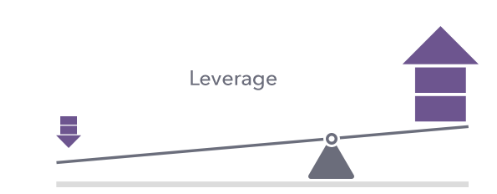
Leverage to Maximize Your Position
Options trading provides traders with leverage, allowing them to control a larger position using a smaller amount of capital. This leverage amplifies potential profits, but it is crucial to manage risk properly due to the inherent leverage.
Flexibility for Any Market Outlook
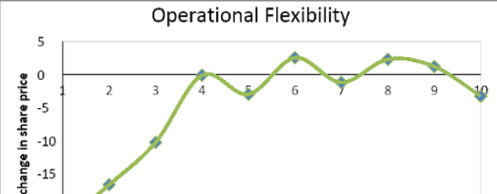
Options provide traders with various strategies to profit from bullish, bearish, or even neutral market conditions. Whether you expect the banking sector to rise, fall, or remain stable, there are different option trading strategies available to suit your market outlook.
Basic Option Trading Strategies
To start intraday trading in Bank Nifty options, you first need to understand the basics of options trading. Open a trading account with a reliable brokerage that offers options trading services.
Next, research the market. Check the overall market sentiment, analyze Bank Nifty index levels, and find support and resistance levels. Use technical indicators and chart patterns to make informed decisions.
Then, identify your entry and exit points. Set price targets and stop-loss levels to manage risk. Always follow a clear trading plan to protect your capital.
Before we look at specific Bank Nifty strategies, let’s review some basic option trading strategies that work for any asset:
What Are Call Options?
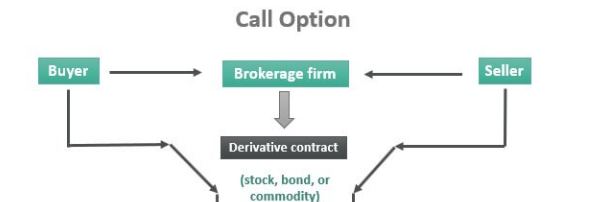
Call options give traders the right to buy the underlying asset at a predetermined price within a specified period. Traders use call options when they anticipate the price of the underlying asset will rise.
What Are Put Options?
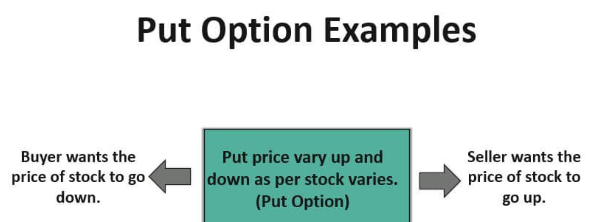
Put options give traders the right to sell the underlying asset at a predetermined price within a specified period. Traders use put options when they anticipate the price of the underlying asset will fall.
Covered Call
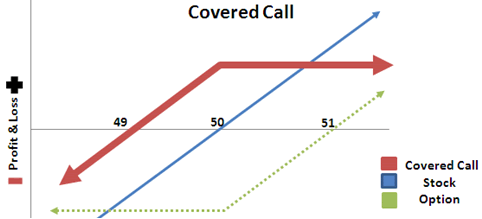
A covered call strategy involves selling call options against an existing long position in the underlying asset. This strategy allows traders to generate income from premium received while still participating in potential upside gains.
Protective Put
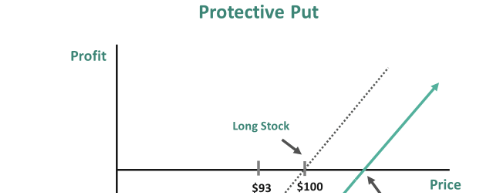
A protective put strategy involves buying put options as insurance against an existing long position in the underlying asset. This strategy helps protect against significant downside risk while still allowing for potential upside gains.
Best Bank Nifty Option Trading Strategies
Once your analysis is done, execute your trades through your brokerage platform. Monitor the market closely — especially Bank Nifty options chain data — and watch for news that may affect prices.
Successful intraday trading takes discipline, patience, and ongoing learning. Review your trades often and adapt your strategies as market conditions change.
Now let’s explore some specific option trading strategies for Bank Nifty:
Long Call Strategy
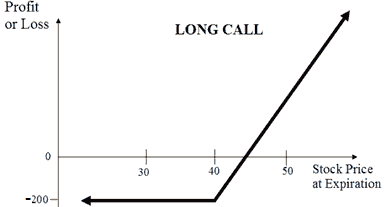
The long call strategy involves buying call options on Bank Nifty when you anticipate a bullish market outlook. For traders looking for Bank Nifty options tips, this strategy allows you to profit from rising prices while limiting your downside risk to the premium paid for the options.
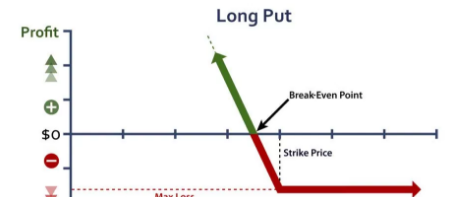
Long Put Strategy
The long put strategy involves buying put options on Bank Nifty when you anticipate a bearish market outlook. This strategy allows you to profit from falling prices while limiting your downside risk to the premium paid for the options.
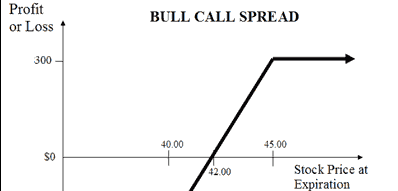
Bull Call Spread Strategy
A bull call spread strategy involves buying a lower strike price call option and simultaneously selling a higher strike price call option. This strategy is suitable when you expect moderate upside movement in Bank Nifty and want to reduce the cost of buying call options.
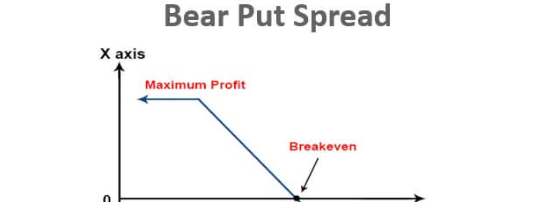
Bear Put Spread Strategy
A bear put spread strategy involves buying a higher strike price put option and simultaneously selling a lower strike price put option. This strategy is suitable when you expect moderate downside movement in Bank Nifty and want to reduce the cost of buying put options.
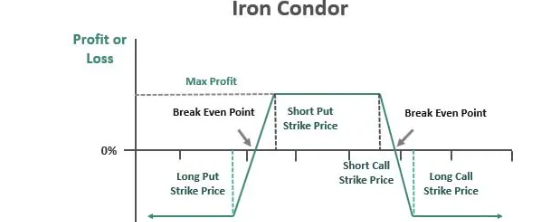
Iron Condor Strategy
An iron condor strategy involves simultaneously selling out-of-the-money call options and put options while buying further out-of-the-money call options and put options. This strategy is suitable when you expect Bank Nifty to remain range-bound within a specific price range.
Risk Management in Bank Nifty Option Trading
Risk management helps protect your capital and limit losses. Here are some key risk management techniques to use:
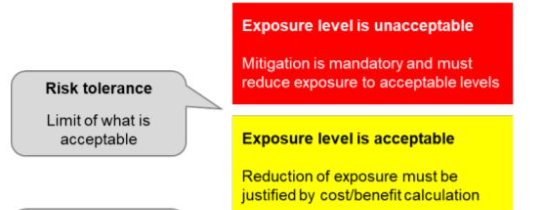
Know Your Risk Tolerance
Before entering any trade, determine your risk tolerance level and set a maximum acceptable loss. Using technical analysis for BankNifty can help you stick to your predefined risk parameters and avoid emotional decision-making.

Use the Right Position Size
Calculate the appropriate position size based on your risk tolerance and the specific trade setup. Avoid over-leveraging your account by risking more than a predetermined percentage of your trading capital on any single trade.
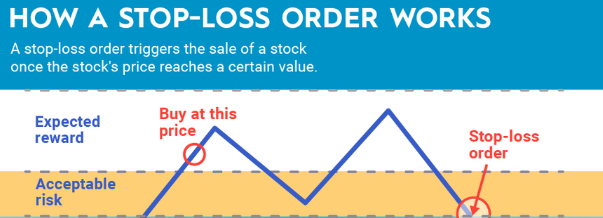
Set Stop Loss Orders
Implement stop loss orders to automatically exit a position if it reaches a predetermined price level. This helps limit potential losses in case the trade goes against you.
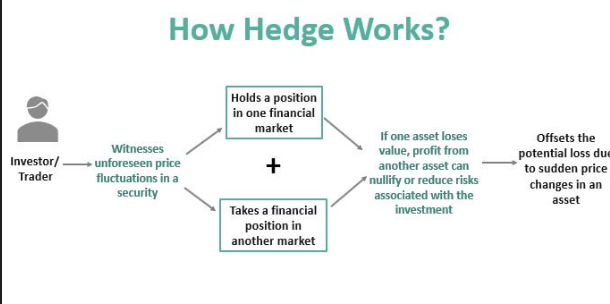
Use Hedging to Manage Risk
Consider hedging strategies like buying protective puts or using spread strategies to limit losses if the market moves against you. Many traders also use Nifty options trading advisory services to help manage risk and protect against sudden market changes.
By following a clear plan and staying informed, you can work toward consistent results with intraday trading in Bank Nifty options.
Bank Nifty option trading can be rewarding when you approach it with the right knowledge and caution. Learn the fundamentals, use the right strategies, and always manage your risk. Practice in a simulated account before trading with real money, and consider consulting a SEBI Registered Investment advisor for guidance.

How to select strike price in BankNifty options for intraday?
When selecting the strike price for BankNifty options for intraday trading, it's important to consider various factors to make an informed decision. The strike price determines the price at which the option can be exercised, and choosing the right strike price is crucial for maximizing potential gains and minimizing risks.
Here are some key points to consider when selecting the strike price for BankNifty options:
Understand the Market Trend: Before selecting a strike price, it's important to analyze the market trend and sentiment. This involves studying technical indicators, price patterns, and market news to gauge the overall direction of BankNifty.
Volatility: Consider the volatility of BankNifty and its impact on option prices. Higher volatility may lead to wider price fluctuations, which can affect the profitability of options at different strike prices.
Time Decay: Options have an expiration date, and time decay can erode the value of options as they approach expiry. Factor in the time decay when choosing a strike price for intraday trading.
Risk Tolerance: Assess your risk tolerance and trading style. Different strike prices offer varying levels of risk and reward potential, so it's important to align your choice with your risk appetite.
Liquidity: Opt for strike prices with good liquidity to ensure smooth execution of trades at the desired prices.
Technical Analysis: Use technical analysis tools to identify support and resistance levels, which can help in choosing appropriate strike prices based on key price levels.
News and Events: Stay informed about relevant news and economic events that may impact BankNifty, as these factors can influence price movements and option pricing.
By taking these factors into account, traders can make more informed decisions when selecting the strike price for BankNifty options for intraday trading. It's important to continuously monitor market conditions and adapt your strategy accordingly to optimize trading outcomes.
Can we hold BankNifty options for 2 days?
Yes, it is possible to hold BankNifty options for 2 days or multiple days. However, it is essential to be aware of the time decay factor that affects the option premium. Holding options for longer durations may result in increased time decay, potentially impacting the profitability of your trade. It's recommended to closely monitor the market conditions and exit positions if necessary.
What is BankNifty option trading?
BankNifty option trading involves buying or selling options contracts based on the BankNifty index's price movements. Options give traders the right, but not the obligation, to buy (call option) or sell (put option) the underlying asset at a predetermined price (strike price) within a specified period. Traders can profit from price fluctuations, volatility changes, and hedging strategies using BankNifty options.
How to trade in BankNifty options?
To trade in BankNifty options effectively, it is vital to have a solid understanding of option pricing, risk management strategies, and technical analysis tools. Developing a trading plan, setting entry and exit points, and implementing appropriate stop-loss orders are essential steps for successful trading. Additionally, staying updated with market news, economic events, and sector-specific information can help in making informed trading decisions.
Which BankNifty option to buy today?
When considering which BankNifty option to buy, it is crucial to analyze market trends, conduct technical analysis, and consider your risk appetite. By studying historical data, monitoring market news, and using technical indicators, you can make an informed decision about the most suitable BankNifty option to purchase for the day.
You should hire our Investment adviser to guide you and teach you all the things in detail.

Free Registration for Stock Market Tips ( Advisory Services)


As per the SEBI rules, we will provide our Services only to those clients who have Complete Risk Profile. Fill This Registration Form and
Contact us on
- Whatsapp @ +91 95999 69624
- Call Us @ +91 9650 890 321
for further process.
Risk Profiling is COMPULSORY
Bank Nifty Options Intraday Trading: Key Strategies and Risk Management
Bank Nifty options intraday trading involves buying or selling call and put options on the Bank Nifty index within the same trading day, with all positions closed before market close. Unlike trading individual banking stocks, Bank Nifty options let traders gain exposure to the entire banking sector through a single instrument. Success depends on understanding option Greeks, selecting the right strike price, and applying disciplined risk management.
What is the best strategy for Bank Nifty options intraday trading?
The best strategy depends on market conditions and the trader's outlook. For trending days, a long call or long put strategy works well. For range-bound sessions, an iron condor or a short straddle can capture premium decay. Many experienced traders prefer bull call spreads and bear put spreads because they define both maximum profit and maximum loss upfront.
How to choose the right strike price for Bank Nifty options intraday?
For intraday trades, most traders select near-the-money or slightly out-of-the-money strikes that are 200 to 500 points away from the current index level. At-the-money (ATM) options have the highest liquidity and most predictable price movement, while out-of-the-money (OTM) options offer higher leverage but require a stronger directional move to become profitable.
What is the ideal expiry day for Bank Nifty options intraday?
The weekly expiry (Thursday) sees the highest volume and liquidity in Bank Nifty options, making it popular for intraday traders. However, many traders avoid holding positions through expiry day due to unpredictable price swings and gamma risk. Trading on non-expiry days often provides more stable price action and sufficient liquidity from the weekly contracts.
How much capital is needed to start Bank Nifty options intraday trading?
The capital required depends on the strategy and margin requirements. Buying a single lot of Bank Nifty options (15 contracts per lot) may require a premium of several thousand rupees. Selling options involves higher margin requirements, typically ranging from Rs. 50,000 to Rs. 1,00,000 or more per lot depending on the strike and volatility.
What are the key option Greeks for Bank Nifty intraday trading?
Delta measures how much an option's price moves relative to a change in the Bank Nifty index level. Gamma tracks the rate of change in delta and is most significant for ATM options. Vega shows sensitivity to implied volatility changes, which is especially important during high-impact news events, economic data releases, and around expiry.
- What is the difference between buying and selling Bank Nifty options for intraday?
- Buying options (long call or long put) limits your loss to the premium paid while offering unlimited profit potential. Selling options (short call or short put) collects premium upfront but carries higher risk, requiring strict stop-loss levels and adequate margin.
- Can beginners trade Bank Nifty options intraday successfully?
- Yes, but beginners should first practice in a simulated account, start with small position sizes, and focus on simple directional strategies with defined risk. Understanding the option chain, implied volatility, and support-resistance levels is essential before trading with real capital.