


Market Volatility: Impact on Options Trading

Market volatility can significantly impact options trading? It’s essential to comprehend the relationship between market volatility and various option trading strategies to navigate through it effectively.
The Impact of Market Volatility on Option Pricing
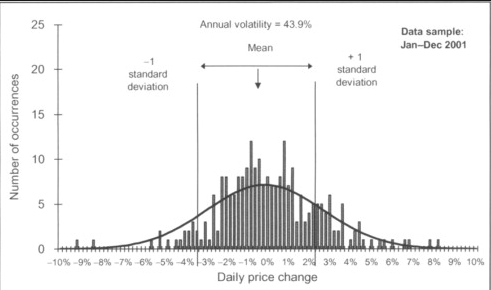
Market volatility plays a substantial role in determining the prices of options. When volatility increases, option prices tend to rise, as there is a higher probability of the option reaching its strike price. On the other hand, when volatility decreases, option prices generally decline. This relationship is vital for options traders to grasp, as it directly affects their potential profits and losses.
The Relationship Between Market Volatility and Option Strategies

Market volatility influences the effectiveness of various option strategies. For instance, in a highly volatile market, straddle and strangle strategies, which involve buying both a call and a put option, can be advantageous. This is because significant price movements in either direction can lead to substantial gains. Conversely, in a low volatility environment, strategies like covered calls or cash-secured puts may be more suitable due to their conservative nature.
Real Stories: Navigating Through Market Volatility
Consider the scenario of a tech company’s stock experiencing heightened volatility due to an earnings announcement. An options trader, expecting substantial price movements, decides to implement a straddle strategy by purchasing a call and a put option. Following the earnings release, the stock price surges, resulting in significant profits from both options, showcasing the effectiveness of leveraging market volatility in option strategies.
Techniques to Manage Risk in Volatile Market Conditions

During periods of heightened volatility, implementing techniques to manage risk in volatile markets is crucial. One such approach is to adjust position sizes to account for increased market uncertainty. Additionally, utilizing stop-loss orders can help mitigate potential losses if the market moves unfavorably. Moreover, employing hedging strategies, such as purchasing protective puts, can safeguard against adverse market movements.
Understanding the impact of market volatility on options trading and navigating through it effectively is paramount for options traders. By comprehending the relationship between market volatility and option strategies, utilizing real stories as examples, and implementing risk management techniques, traders can adapt to volatile market conditions and capitalize on opportunities, ultimately enhancing their trading outcomes.
Short step-by-step plan:
- Begin by defining market volatility and its impact on option strategies. For example, explain how an increase in market volatility can affect the pricing and behavior of options, using historical data or studies to support your explanation.
- Discuss specific option strategies, such as straddles or strangles, and illustrate how they can be used to benefit from market volatility. Use real stories or case studies to demonstrate successful application of these strategies during volatile market conditions.
- Highlight the importance of understanding the saving structure and main ideas behind option strategies in relation to market volatility. Provide practical examples of how this understanding can lead to more informed decision-making and better risk management.