What are the Concept Of Call and Put Options.

Options trading can seem complex at first, but it's based on a simple principle: options give you the right, but not the obligation, to buy or sell an asset at a predetermined price on or before a specific date. Let's break down the two fundamental types of options: call options and put options.

What is a Call Option?

call option gives the holder the right to buy an underlying asset at a specified price, known as the strike price, on or before the option's expiration date.

What Is a Call Option and How Does It Work?

Imagine you are watching a stock called XYZ. It is trading at $50 per share. You think the price will go up in the next few months. Instead of buying the stock, you could buy a call option. This option gives you the right to buy XYZ at $55 (the strike price) within three months. The option costs $2 per share. That cost is called the premium.

Call Option Example: Profiting from a Price Increase

Traders often buy call options when they expect a stock to rise. For example, if a company reports strong earnings, traders might buy call options at a strike price just above the current price. If the stock rises past that strike price before the option expires, the option gains value. The trader can then sell the option for a profit.

What Is a Put Option?

A put option gives the holder the right to sell an underlying asset at the strike price on or before the option’s expiration date.
How Do Put Options Work?

Let’s say you own shares of XYZ, which is still trading at $50. You’re concerned the price might drop, so you buy a put option with a strike price of $45, expiring in three months, for a premium of $2.

If XYZ falls below $45, you can exercise your put option to sell at $45, regardless of how low the market price drops.

Put Option Example: Protecting Against a Price Drop

Investors often use put options like insurance for their portfolios. When markets fall, put options can gain value and help offset losses from stocks that drop in price. For example, during major market downturns, traders who hold put options on market indexes can reduce how much money they lose.

Why Expiration Dates and Strike Prices Matter

Expiration Dates

Options do not last forever. The expiration date is the last day you can use your option. After that, the option expires and becomes worthless.

Strike Prices

The strike price is the set price at which you can buy (call) or sell (put) the asset. This price does not change. It is the fixed point that decides whether your option has value.

What Affects the Premium in Options Trading

What Is a Premium?
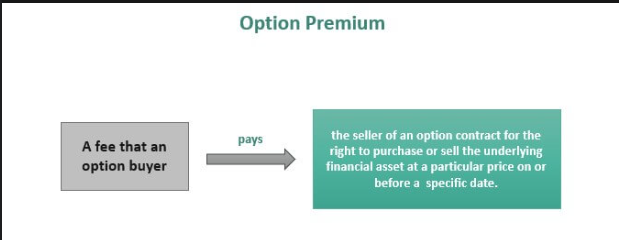
The premium is the price you pay to buy the option. It depends on several things, such as how much the stock price moves, how much time is left before expiration, and how far the stock price is from the strike price.

Risks and Rewards of Options Trading

Options can bring high rewards, but they also carry risk. You could lose the entire premium you paid. To trade options well, you need a good strategy and a solid understanding of the market.

Now that you know the basics of call and put options, you are ready to start exploring option trading strategies. Remember, options are not right for everyone. Always think about your investment goals and how much risk you can take before you begin.

Simple steps to learn more:

  1. Read about the basics of call and put options. Use trusted sources like Investopedia to learn the key terms: strike price, expiration date, and premium.
  2. Look at real-world examples of options trades. Find case studies or stories that show how options work in practice, including both wins and losses.
  3. Write down the main ideas in your own words. Make a simple outline that helps you remember how call and put options work in the stock market.

Recommended approach: To truly understand call and put options, use trusted resources to learn the basics, study real examples, and organize what you learn into clear notes you can review anytime.

Call and Put Options: Key Concepts and How They Work

A call option and a put option are the two primary types of options contracts. A call option gives the buyer the right, but not the obligation, to purchase an underlying asset at a fixed price (the strike price) on or before a specified expiration date. A put option gives the buyer the right, but not the obligation, to sell an underlying asset at the strike price on or before the expiration date. In both cases, the buyer pays a premium to acquire this right. Call options are used when a trader expects the price of the asset to rise. Put options are used when a trader expects the price to fall or wants to protect an existing holding from a decline in value.

What Is the Difference Between a Call Option and a Put Option?

The main difference between a call and a put option is the direction of the price movement they profit from. A call option increases in value when the underlying asset's price rises above the strike price. A put option increases in value when the underlying asset's price falls below the strike price. Call options give the holder the right to buy the asset, while put options give the holder the right to sell the asset. Traders choose one or the other based on whether they expect the market to move up or down.

How Do Call and Put Options Work in Practice?

When you buy a call option, you pay a premium for the right to buy the underlying asset at the strike price. If the market price rises above the strike price before expiration, the call option gains value. When you buy a put option, you pay a premium for the right to sell the underlying asset at the strike price. If the market price falls below the strike price before expiration, the put option gains value. In both cases, if the market price does not move in the expected direction, the option expires worthless and you lose the premium you paid.

Frequently Asked Questions About Call and Put Options

What is a call option in simple terms?
A call option is a contract that gives you the right to buy a stock or other asset at a fixed price within a set time period. You pay a premium for this right, and if the asset's price rises above the fixed price, the option becomes valuable.
What is a put option in simple terms?
A put option is a contract that gives you the right to sell a stock or other asset at a fixed price within a set time period. You pay a premium for this right, and if the asset's price falls below the fixed price, the option becomes valuable.
What happens if a call or put option expires out of the money?
If an option expires out of the money, meaning the market price did not move past the strike price in the expected direction, the option expires worthless. The buyer loses the full premium paid and has no further obligation.
Can you lose more than the premium when buying options?
When buying a call or put option, the maximum loss is limited to the premium paid. However, selling or writing options can involve much larger potential losses beyond the premium collected.
What is the difference between in the money and out of the money?
An option is in the money if the market price is favorable compared to the strike price. For a call option, that means the market price is above the strike price. For a put option, it means the market price is below the strike price. Out of the money is the opposite condition.
Why do traders use both call and put options together?
Traders sometimes combine call and put options in strategies such as straddles and strangles to profit from large market movements in either direction. They also use combinations like protective collars to limit risk on existing positions.
Scroll to Top