


Bank Nifty Intraday Option Trading
Bank Nifty Intraday Option Trading is a popular trading strategy that involves buying and selling options on the Bank Nifty index within the same trading day. This strategy allows traders to take advantage of short-term price movements in the banking sector and make profits based on their predictions of the market direction. In this article, we will explore the various aspects of Bank Nifty Intraday Option Trading, including understanding the strategy, the importance of technical analysis, choosing the right option trading strategy, setting up a trading plan, identifying entry and exit points, mastering risk management, avoiding common trading errors, using indicators and oscillators, considering news and market sentiment, and developing a winning mindset.
Bank Nifty Intraday Option Trading
Bank Nifty Intraday Option Trading is a trading strategy that involves buying and selling options on the Bank Nifty index within the same trading day. Options are financial derivatives that give the buyer the right, but not the obligation, to buy or sell an underlying asset at a specific price within a specific time period. In the case of Bank Nifty Intraday Option Trading, traders are speculating on the price movements of the Bank Nifty index, which represents the performance of the banking sector in the Indian stock market.
Bank Nifty intraday option trading lets you profit from short-term price moves in the banking sector. Day traders use this strategy to make quick gains by predicting market direction, often with help from live Bank Nifty options signals. But there are risks too. Options prices can change fast. If the market moves against your position, you could lose money. That is why you need a solid strategy and good risk management to protect your capital.
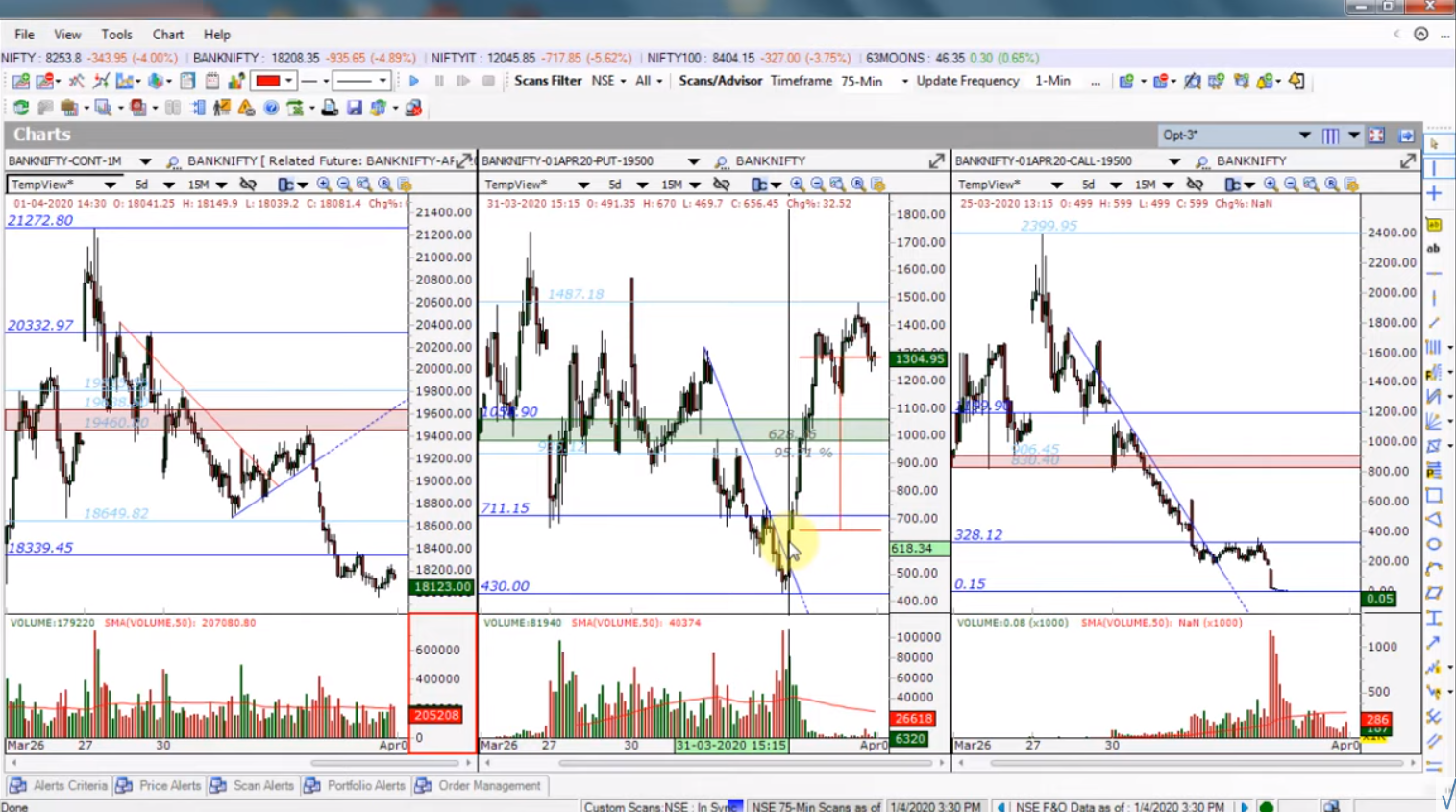
The Importance of Technical Analysis in Bank Nifty Trading
Technical analysis is a method of analyzing financial markets by studying historical price and volume data. It is based on the belief that past price movements can provide insights into future price movements. In the context of Bank Nifty Trading, technical analysis can be used to identify trends, support and resistance levels, and other patterns that can help traders make informed trading decisions.
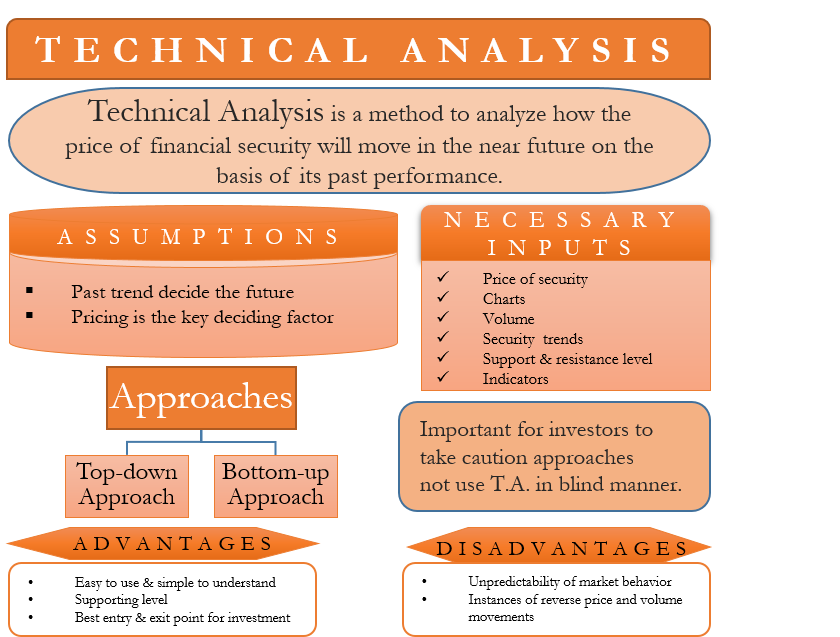
Technical analysis helps you find good entry and exit points for Bank Nifty trading. By looking at past price data, you can spot patterns and trends that may predict future price moves. For example, if the Bank Nifty index has bounced off a support level many times, you might buy options when it reaches that level again, expecting another bounce.
There are several common technical analysis methods for options used in Bank Nifty trading. Trend lines show the market’s direction. Moving averages smooth out price data and help spot support and resistance levels. Oscillators like the RSI and MACD show overbought or oversold conditions. Chart patterns like head and shoulders or double tops can signal trend reversals.
Choosing the Right Option Trading Strategy for Bank Nifty
When it comes to Bank Nifty Intraday Option Trading, there are several option trading strategies that traders can choose from. The choice of strategy will depend on various factors, including the trader’s risk tolerance, market conditions, and trading goals.
One popular Bank Nifty option strategy is the Long Call. You buy call options when you expect the index price to rise. If the price goes up, you can sell the options for a profit. If it drops or stays flat, you lose the premium you paid. For those starting out with Bank Nifty options, learning these basics is key before trying more complex trades.
Another strategy is the Short Straddle. You sell both a call and a put option with the same strike price and expiry date. You profit if the index stays within a certain range until expiry. But if the price moves sharply in either direction, you could face losses.
Other strategies include the Bull Call Spread, Bear Put Spread, and Iron Condor. These combine multiple options to limit risk while still allowing for potential profits.

Setting Up Your Trading Plan for Bank Nifty Intraday Trading
Having a trading plan is essential for successful Bank Nifty Intraday Trading. A trading plan is a written document that outlines the trader’s goals, strategies, risk management techniques, and other important aspects of their trading approach. It serves as a roadmap that guides the trader’s decision-making process and helps them stay disciplined and focused.

A good trading plan for Bank Nifty intraday trading should include:
- Goals and objectives. Define your target returns, risk limits, and time frame.
- Strategy and approach. List the option strategies and technical tools you will use.
- Risk management plan. Set your risk tolerance, max loss per trade, and ways to protect capital.
- Review process. Plan how you will check and adjust your strategy over time.
Your plan should be realistic and flexible. Base it on your own trading style and risk comfort. Update it regularly based on your results and professional intraday trading tips from the market.
Identifying Entry and Exit Points in Bank Nifty Trading
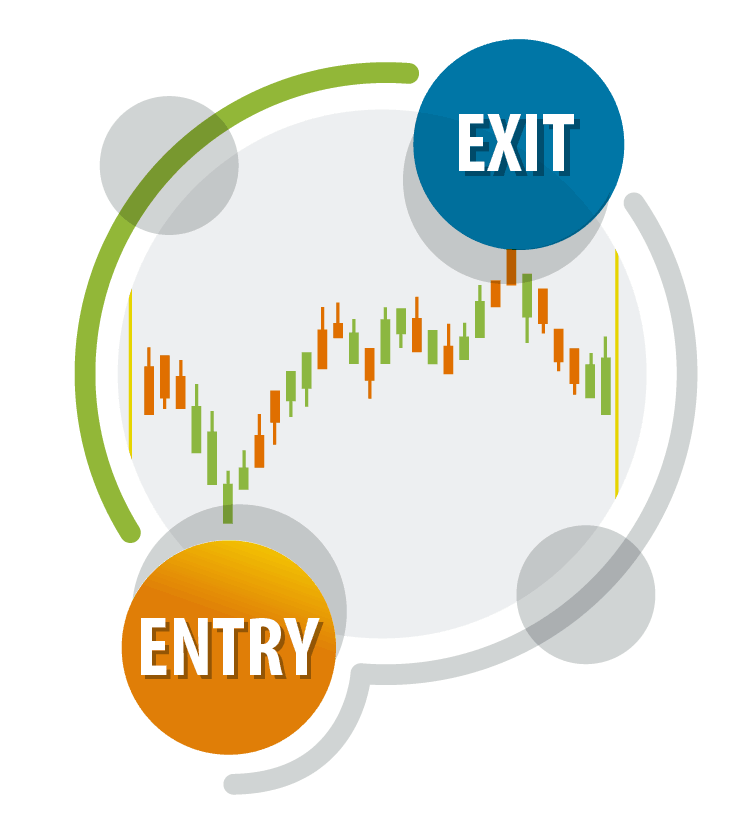
Identifying entry and exit points is a crucial aspect of Bank Nifty Trading. Entry points are the levels at which a trader enters a trade, while exit points are the levels at which a trader exits a trade. The ability to accurately identify these points can greatly improve a trader’s profitability.
To find entry and exit points in Bank Nifty trading, use a mix of technical tools. For example:
- Trend lines – Enter when the price breaks through a trend line.
- Moving averages – Enter when the price crosses above or below a moving average.
- Oscillators like the RSI and MACD – Enter when the market is overbought or oversold.
Also consider market news, economic data, and overall sentiment. Good news about the banking sector may be a good time to go long. Bad news may be a good time to exit or go short.
Be ready to adjust your positions as market conditions change.
Risk Management in Bank Nifty Intraday Option Trading
Risk management is a crucial aspect of Bank Nifty Intraday Option Trading. It involves identifying and managing the risks associated with trading options on the Bank Nifty index. By effectively managing risk, traders can protect their capital and improve their chances of long-term profitability.
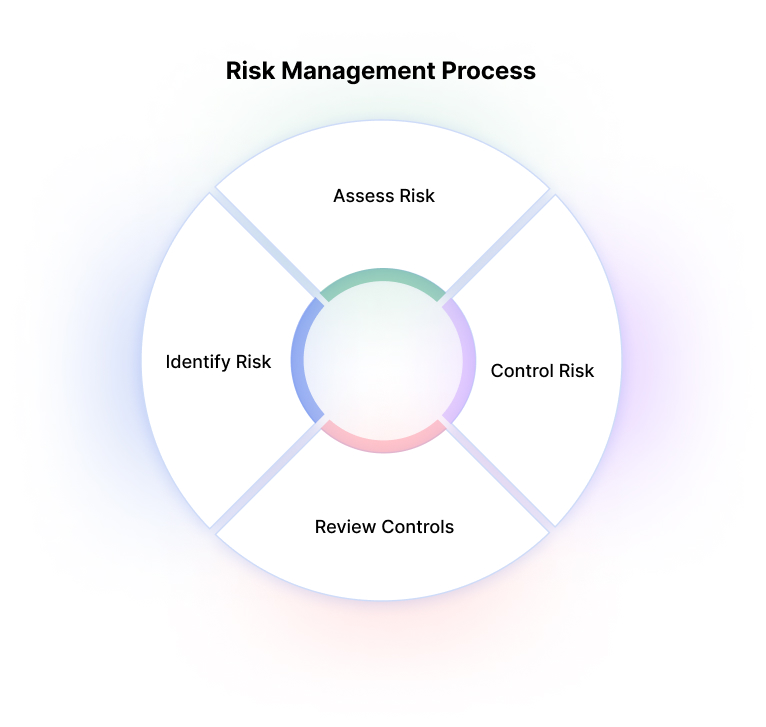
Good risk management in Bank Nifty intraday option trading includes a few key rules:
- Risk only a small part of your capital on each trade. This limits losses and keeps you trading even after a few bad trades.
- Use stop-loss orders to exit a trade automatically if the price moves against you. This helps you stay disciplined and avoid emotional decisions.
- Diversify your strategies. Trade different option types so one bad trade does not hurt your whole portfolio.
Remember, you can lose the full premium you paid for options. Losses can be large if the market moves against you. Options can also be hard to sell at times. Understanding the significance of the Bank Nifty index helps you assess these risks. Only trade with money you can afford to lose.
Learning from Mistakes: Common Trading Errors to Avoid in Bank Nifty Trading
In Bank Nifty Trading, it is important to learn from mistakes and avoid common trading errors. Making mistakes is a natural part of the learning process, but by identifying and correcting these mistakes, traders can improve their trading performance and increase their chances of success.
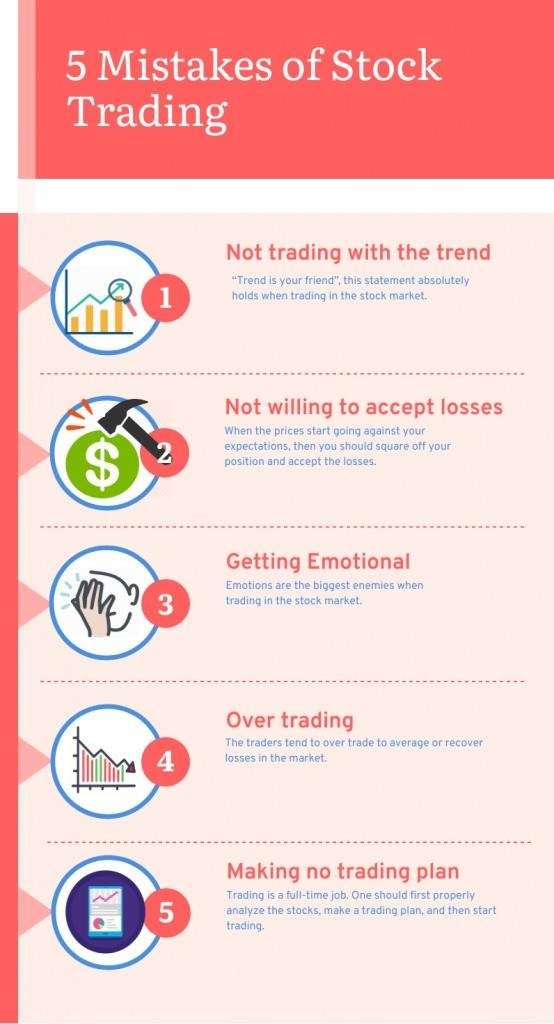
Overtrading is a common mistake in Bank Nifty trading. This happens when you take too many trades based on emotions or a need for quick profits. It leads to higher costs, less focus, and more risk. Stick to your trading plan and only take trades that meet your rules.
Not using stop-loss orders is another common error. Stop-losses are a key risk tool. Without them, a bad move can cause big losses. Always set a stop-loss for every trade and adjust it as needed.
Not learning from mistakes is the third common error. Every trader makes mistakes. The key is to learn from them. Review your losing trades to find patterns. Ask experienced traders for feedback. Keep a trading journal to track your progress.
Using Indicators and Oscillators to Enhance Your Bank Nifty Trading Strategy
Indicators and oscillators are powerful tools that can enhance a trader’s Bank Nifty Trading strategy. These tools help to identify potential entry and exit points, confirm trends, and provide additional insights into market conditions.
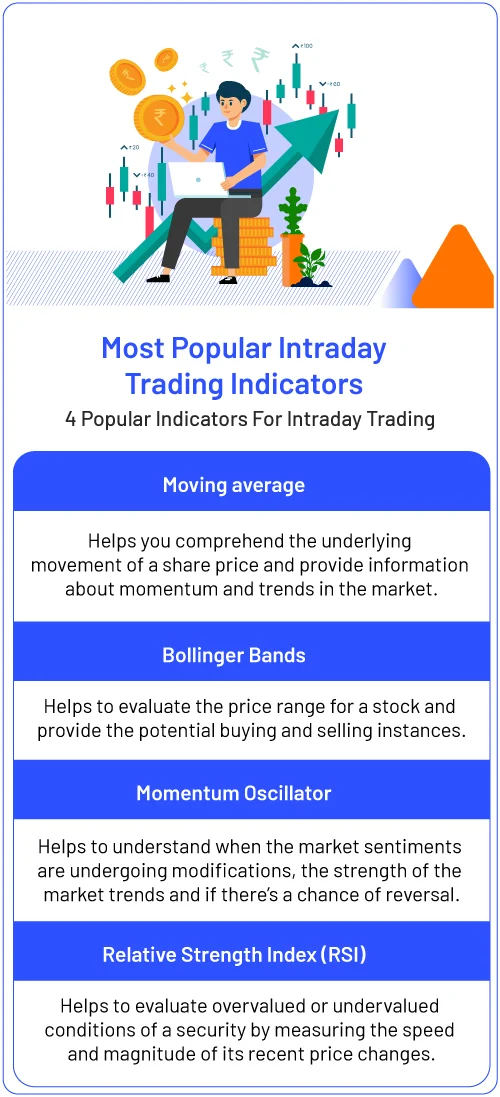
Indicators use math on price and volume data to show market trends. Popular indicators for Bank Nifty trading include:
- Moving averages – Smooth out price data and show support and resistance levels.
- Bollinger Bands – Show overbought and oversold conditions.
- Average True Range (ATR) – Measures volatility and flags possible breakouts or reversals.
Oscillators move between two extreme values. Popular ones include:
- RSI – Shows overbought and oversold conditions.
- MACD – Shows the relationship between two moving averages and signals trend changes.
- Stochastic Oscillator – Measures price momentum and flags overbought or oversold levels.
Remember, these tools are not perfect. Use them along with other analysis and your own judgment.
The Role of News and Market Sentiment in Bank Nifty Trading
News and market sentiment play an important role in Bank Nifty Trading. News refers to any information that can potentially impact the banking sector or the overall stock market. Market sentiment refers to the overall attitude or feeling of market participants towards a particular asset or market.

News and market mood can strongly affect Bank Nifty prices. Positive news like strong earnings or good economic data can push prices up. Negative news can push prices down.
To use news in your trading, stay informed about the banking sector and stock market. Read financial news, follow market experts, and attend events. Watch sentiment indicators like the VIX (Volatility Index) and the Put/Call ratio. Also try analyzing option chain data to understand market mood.
But remember, markets are not always rational. News can cause overreactions or underreactions. Use your own judgment alongside the news.
Developing a Winning Mindset for Bank Nifty Intraday Option Trading
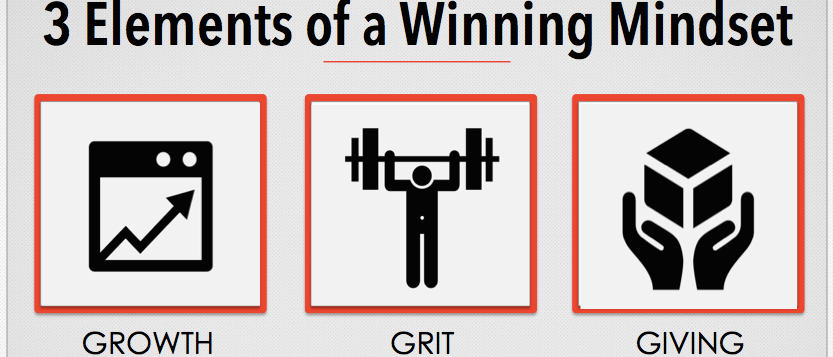
Having a winning mindset is crucial for success in Bank Nifty Intraday Option Trading. A winning mindset involves having the right attitude, beliefs, and habits that support a trader’s goals and help them overcome challenges and setbacks.
A winning mindset starts with a positive attitude. Believe in your skills, stay hopeful about the future, and keep a good outlook even when things get tough. Taking a Bank Nifty options educational course can boost your knowledge and confidence.
A positive attitude helps you stay motivated, focused, and strong, even after losses or setbacks.

Free Registration for Stock Market Tips ( Advisory Services)


As per the SEBI rules, we will provide our Services only to those clients who have Complete Risk Profile. Fill This Registration Form and
Contact us on
- Whatsapp @ +91 95999 69624
- Call Us @ +91 9650 890 321
for further process.
Risk Profiling is COMPULSORY
Bank Nifty Intraday Option Trading Explained
Bank Nifty intraday option trading is the practice of buying and selling options contracts on the Nifty Bank index within a single trading day, with all positions closed before the market ends. Traders use this approach to capture profits from short-term price fluctuations in the banking sector without carrying overnight risk. The core mechanism involves predicting whether the Bank Nifty index will move up, down, or remain range-bound and selecting the appropriate option strategy accordingly.
What is the Bank Nifty index and why do traders use it?
The Bank Nifty index tracks the performance of the most liquid and large-capitalized banking stocks listed on the National Stock Exchange of India. Traders use it for intraday option trading because the banking sector often shows high liquidity and volatility, creating frequent short-term trading opportunities.
What are the best option strategies for Bank Nifty intraday trading?
The most commonly used strategies include the Long Call when expecting an upward move, the Long Put when expecting a downward move, and neutral strategies like the Short Straddle or Iron Condor when expecting the index to stay within a range. Each strategy has a different risk and reward profile suited to specific market conditions.
How much capital is needed for Bank Nifty intraday option trading?
The capital required depends on the option premium prices, which vary with market volatility and strike price selection. Traders can start with relatively small amounts by buying options (debit strategies), but must follow proper position sizing to limit risk to a small percentage of their total trading capital.
What technical indicators work best for Bank Nifty options intraday?
Popular indicators include moving averages for trend direction, the Relative Strength Index (RSI) for overbought and oversold conditions, and Average True Range (ATR) for volatility measurement. Traders typically combine two or more indicators to confirm signals before entering a trade.
What is the difference between buying and selling options in intraday trading?
Buying options (long calls or long puts) has limited risk equal to the premium paid but requires the price to move in the predicted direction for profit. Selling options (short calls or short puts) collects premium upfront but carries higher risk since losses can exceed the premium if the market moves sharply.
When is the best time to trade Bank Nifty options intraday?
The first hour after market opening and the last hour before closing typically see the highest trading volume and volatility in Bank Nifty options. Many traders also watch the 9:15 AM IST opening and the 12:00 PM to 1:00 PM IST period when European markets open, as these times often bring increased price action.
- What is Bank Nifty intraday option trading?
- Bank Nifty intraday option trading is the practice of buying and selling options on the Nifty Bank index within a single trading day, with all positions closed before market close, to profit from short-term price movements in the banking sector.
- What are the best option strategies for Bank Nifty intraday trading?
- The best strategies include Long Call for bullish moves, Long Put for bearish moves, Short Straddle for range-bound markets, and Iron Condor for low-volatility conditions, each suited to different market expectations.
- How much capital is needed for Bank Nifty intraday option trading?
- Capital depends on option premiums which vary by strike price and volatility; traders should start small and risk only a small percentage of their total capital per trade to manage risk effectively.
- What technical indicators work best for Bank Nifty options intraday?
- Moving averages for trend, RSI for overbought and oversold conditions, and ATR for volatility measurement are among the most widely used indicators for Bank Nifty intraday option trading.
- What is the difference between buying and selling options in intraday trading?
- Buying options offers limited risk equal to the premium paid, while selling options collects premium but exposes the trader to potentially larger losses if the market moves against the position.
- When is the best time to trade Bank Nifty options intraday?
- The opening hour and closing hour of the trading session typically offer the highest liquidity and volatility, and the period around European market opening also tends to show increased trading activity.