
Implement Different Option Strategies Effectively Based on Market Conditions and Risk Tolerance

Match Option Strategies to Any Market Condition

Familiarize yourself with the different option trading strategies.

Core option trading strategies let you profit in any market – up, down, or sideways. The key is matching each strategy to current market conditions and your own risk tolerance. Use options to hedge risk, earn income, or speculate on price movements.

Understand Market Conditions and Your Risk Level
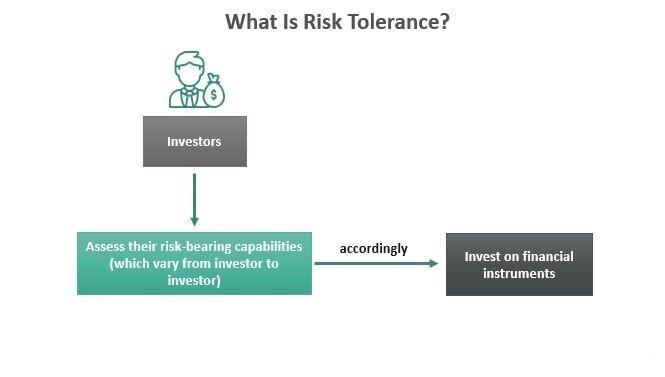
 Market Conditions and Risk Tolerance

Before you pick an option strategy, know two things: the current market conditions and your risk tolerance. Markets are usually bullish (up), bearish (down), or range-bound (flat). Each type needs a different approach. Your risk tolerance matters too. Pick a strategy that matches how much risk you can handle.

Use a Straddle in High Volatility, a Butterfly in Low

When the market is very volatile, consider a straddle. You buy a call and a put option at the same strike price and expiration date. If the market makes a big move up or down, one option profits and limits the loss on the other.

When the market is calm and prices barely move, a butterfly strategy works well. It combines a bear call spread with a bull put spread. This strategy does best when there is little price movement and low volatility.

Real Example: Using a Strangle Before Earnings

Here is a real example. Before a company’s earnings report, an investor expected a big stock move but was not sure which direction. They used a strangle – buying a call and a put at different strike prices. When the stock moved sharply after earnings, the investor made money on the winning option and kept the loss small on the other.

Match Strategies to Your Risk Tolerance

A cautious investor might choose a covered call. You own the stock and sell call options on it. This gives you income from premiums and limits your downside risk.

A bolder investor might try an iron condor. It profits when the market is calm and prices stay in a range. You sell a put spread and a call spread on the same stock at the same time.

When you match option strategies to market conditions and your risk tolerance, you trade with more confidence. Whether you use a straddle, strangle, butterfly, or iron condor for different volatility levels, or a covered call for income, the right strategy helps you reach your goals.

Simple step-by-step plan:

  1. Check market conditions and your risk level.

    • Look at market trends, news, and economic data. Decide how much risk you can take based on your goals.
  2. Pick a strategy that fits both.

    • High volatility and high risk tolerance? Try a long straddle. Low volatility and low risk? Try a butterfly spread.
  3. Study how the strategy works in real markets.

    • Look at past examples of that strategy in similar market conditions to understand what could happen.
  4. Make a clear plan for entry, exit, and risk.

    • Decide when to enter and exit. Set profit goals and know your maximum loss.
  5. Watch the market and adjust as needed.

    • If conditions change, update your plan. Stay flexible.
  6. Keep learning about options and market trends.

    • Read, take courses, and talk to other traders to get better over time.

Options Strategies by Market Conditions: A Complete Guide

Matching option strategies to market conditions means selecting the right combination of calls, puts, and strike prices based on whether the market is trending up, trending down, moving sideways, or experiencing high or low volatility. Each market environment favors specific strategies that align with the expected price direction and volatility level.

What Are the Best Option Strategies for Bullish Markets?

In bullish markets, where prices are trending upward, traders commonly use long calls, bull call spreads, and covered calls. A long call offers unlimited upside potential with limited downside risk. A bull call spread reduces the cost of buying a call by selling a higher-strike call, capping both profit and loss. A covered call generates income from a stock you already own by selling a call option against it.

Which Option Strategies Work Best in Bearish Markets?

Bearish markets call for strategies that profit from declining prices. Long puts, bear put spreads, and bear call spreads are the most common choices. A long put gives the right to sell a stock at a fixed price, profiting as the stock falls. Bear put spreads and bear call spreads each limit risk while targeting directional downside moves.

What Option Strategies Are Suitable for Sideways or Range-Bound Markets?

When the market moves sideways with low volatility, strategies that profit from time decay and minimal price movement work well. Iron condors, butterfly spreads, and short straddles are designed for range-bound conditions. These strategies collect premium from options that expire worthless when the underlying price stays within a defined range.

How Do You Choose an Option Strategy Based on Your Risk Tolerance?

Conservative traders prefer strategies that limit downside, such as covered calls, cash-secured puts, and credit spreads. Moderate traders may use vertical spreads and iron condors. Aggressive traders often employ naked options, long straddles, and strangles, accepting higher risk for potentially higher returns. Always match the strategy's maximum loss to the amount of capital you are willing to lose.

What is the simplest option strategy for a beginner?
The covered call is the simplest option strategy for a beginner. You own the underlying stock and sell call options against it, generating premium income while retaining the stock for long-term growth.
How does implied volatility affect option strategy selection?
Implied volatility directly impacts option premiums. High implied volatility makes selling premium through strategies like iron condors and short strangles attractive, while low implied volatility favors buying strategies such as long straddles and long calls.
What is the safest option strategy for generating income?
Covered calls and cash-secured puts are among the safest option strategies for generating consistent income. Both strategies involve owning or having cash to cover obligations, which limits the risk of uncovered losses.
Can you profit from options in any market condition?
Yes, option strategies can be structured to profit in bullish, bearish, or sideways markets. The key is matching the strategy to the expected price movement, volatility level, and the trader's risk tolerance.
What is the difference between a straddle and a strangle?
A straddle involves buying a call and put at the same strike price and expiration, while a strangle uses different strike prices. Straddles cost more but profit with smaller price moves, whereas strangles are cheaper but require a larger price move to become profitable.
How do you adjust option strategies when market conditions change?
When market conditions change, traders can roll positions to different strike prices or expiration dates, close losing positions early, or add opposing positions to hedge directional risk. Continuous monitoring and flexibility are essential for adapting to shifting markets.
Scroll to Top