



Options Offer More Ways to Trade Than Just Buying or Selling Stocks
Options trading lets you do more than just buy or sell stocks. By learning different option trading strategies, you can match your trades to your financial goals, your outlook on the market, and the level of risk you are comfortable with.
📈 The Basics of Call and Put Options

Before you try complex strategies, you need to know the two basic types of options: call and put options. Here is how each one works in the market.
Call Options give the holder the right, but not the obligation, to buy a stock at a specified price (strike price) within a set time period.
Example: An investor buys a call option for Stock XYZ with a strike price of $50 that expires in one month. If XYZ rises above $50, the investor can exercise the option to buy shares at $50, potentially selling them at a higher market price.Put Options give the holder the right, but not the obligation, to sell a stock at a specified price within a set time period.
Example: An investor buys a put option for Stock XYZ with a strike price of $50. If XYZ falls below $50, the investor can sell the shares at the strike price, regardless of how low the market price drops.
🔄 Covered Calls and Protective Puts
Two basic strategies that involve owning the underlying stock are covered calls and protective puts.
Covered Calls involve selling call options on a stock that you already own. This can generate income via the premiums received for selling the calls.
Example: An investor who owns 100 shares of Stock XYZ sells one call option with a strike price above the current market price. If the stock does not rise above the strike price, they keep the premium and the shares.Protective Puts involve buying put options for a stock that you already own. This acts as an insurance policy against a decline in the stock’s price.
Example: By purchasing a protective put, an investor can sell their shares at the strike price, even if the market drops. This helps limit their potential losses.
🔀 Spreads: Combining Options for Precision
Spreads involve using multiple options contracts to create a more nuanced position with limited risk.
Bull Spread is used when an investor is moderately bullish on a stock. It involves buying calls at a lower strike price and selling calls at a higher strike price.
Example: Buy a call option on XYZ with a strike price of $50 and sell a call option on XYZ with a strike price of $60. If the stock rises moderately, the investor profits.Bear Spread is the opposite, used when an investor is moderately bearish. It involves buying puts at a higher strike price and selling puts at a lower strike price.
Example: Buy a put option on XYZ with a strike price of $50 and sell a put option on XYZ with a strike price of $40. If the stock falls moderately, the investor profits.
🎢 Straddles and Strangles: Betting on Volatility
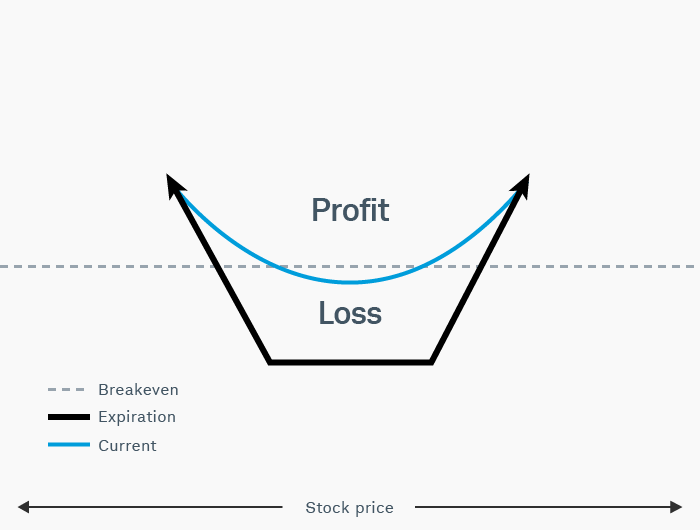
When you expect significant movement in a stock’s price but are unsure of the direction, straddles and strangles can be effective.
Straddles involve buying a call and put option with the same strike price and expiration date.
Example: A straddle profits if the stock makes a big move up or down, as long as the move covers the cost of both options.Strangles are similar to straddles but involve buying a call and put with different strike prices, typically with the call having a higher strike price than the put.
Example: Buy a call option on XYZ with a strike price of $60 and a put option with a strike price of $40. If XYZ moves significantly in either direction, one of the options will profit.
💡 Iron Condors and Butterflies: Advanced Strategies
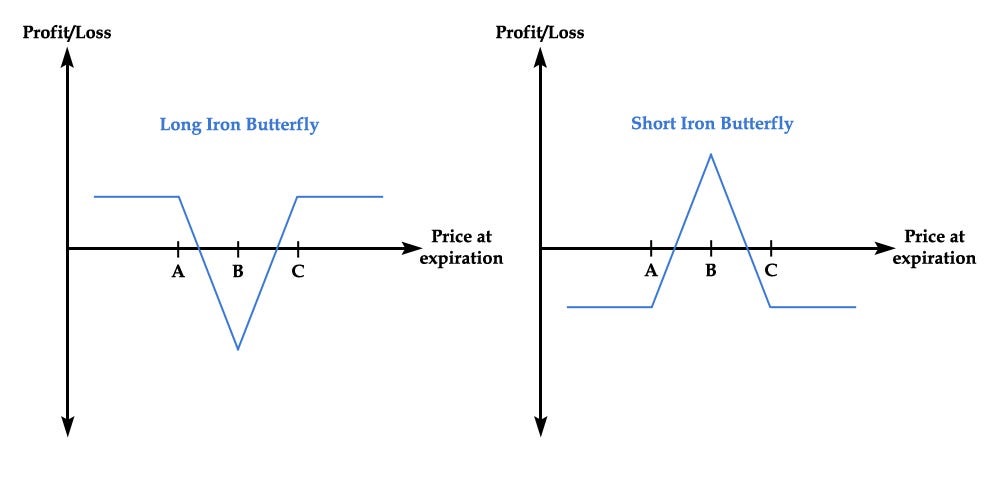
For the more advanced trader, iron condors and butterflies offer a way to profit from a stock’s limited price movement.
Iron Condors involve selling a bull put spread and a bear call spread on the same stock with the same expiration date.
Example: An investor sells a put at $45 and buys a put at $40, while also selling a call at $55 and buying a call at $60. If the stock stays between $45 and $55, all options expire worthless, and the investor keeps the premiums.Butterflies involve a combination of buying and selling calls or puts at three different strike prices.
Example: Buy one call option on XYZ with a strike price of $45, sell two call options with a strike price of $50, and buy one call option with a strike price of $55. If XYZ is near $50 at expiration, the investor can profit.
These option trading strategies can help you earn income, protect your portfolio from losses, or profit from market changes. But options trading carries real risk and is not right for everyone. Take time to learn each strategy and think about your own risk comfort before you start trading.
Research the basics of option trading:
- Example: Start by understanding what options are and how they work in the stock market. Learn about call and put options, their characteristics, and how they are used for trading.
Explore different option trading strategies:
- Example: Look into strategies like covered calls, protective puts, straddles, strangles, and spreads. Understand how each strategy works, when they are used, and their potential risks and rewards.
Study real-life examples and case studies:
- Example: Read about successful and unsuccessful option trading stories. Analyze how different strategies were applied in various market situations and their outcomes.
Save structured notes and main ideas:
- Example: Create a document or a notebook where you can organize your findings, key concepts, and important takeaways from your research.