

How Corporate Actions Change Your Option Prices

Dividends, stock splits, mergers, and buybacks all affect option pricing. When a company takes a corporate action, the stock price shifts, and your option’s value changes too. This page explains how each type of corporate action impacts your options. Learn about volatility effects on pricing and share buyback corporate actions. For expert trading support, get professional share market guidance.
📈 How Dividends Affect Call and Put Option Prices
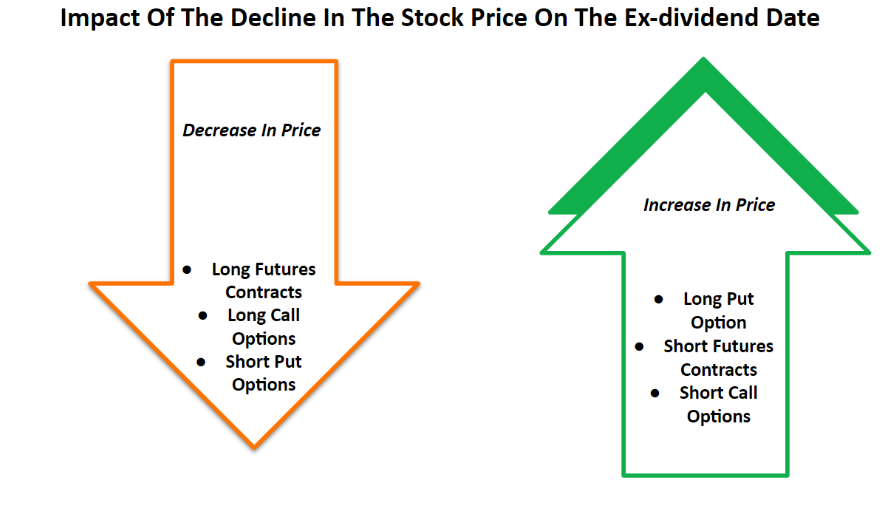
When a company pays out dividends, it directly affects the stock price, which in turn influences the option’s value. For call options, dividend payments can lead to a decrease in value, while put options might see an increase.
Example:
XYZ Corp announces a $1 dividend. The stock price typically drops by approximately the dividend amount on the ex-dividend date. If you own a call option, the underlying stock's price drop can decrease the option's value.
🔀 How Stock Splits Adjust Your Option Contracts
A stock split increases the number of shares while reducing the price per share without affecting the company’s overall market capitalization. Options are adjusted to reflect these changes to maintain the position’s overall value.
Example:
Imagine you own a call option contract for ABC Inc. with a strike price of $100. If ABC Inc. undergoes a 2-for-1 stock split, your option will now cover 200 shares at a strike price of $50.
🏢 How Mergers, Acquisitions, and Spin-Offs Affect Options
Mergers, acquisitions, and spin-offs are other corporate actions that can significantly impact option pricing. The terms of these events are usually unique, and the resulting option adjustments can vary.
Example:
If DEF Company is acquired by another company, the terms of the acquisition will determine how existing options on DEF are handled. They could be adjusted to reflect the terms of the deal or even become options on the acquiring company's stock.
🧮 How to Calculate Option Value After a Corporate Action
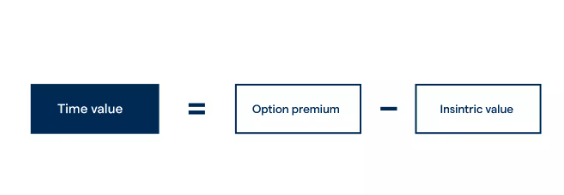
To calculate option values accurately after a corporate action, you need to understand the Black-Scholes model. This framework shows how the action affects the contract’s terms, including the number of shares, the strike price, and the option’s premium.
Example:
Before a 2-for-1 stock split:
- 1 call option contract with a strike price of $100
- Option premium is $5

After the stock split:
- 1 call option contract now covers 200 shares with a strike price of $50
- The new option premium will be adjusted, potentially to around $2.50, reflecting the new strike price.
📚 Real Stories: The Tale of Apple’s 7-for-1 Stock Split
In 2014, Apple Inc. announced a 7-for-1 stock split. This event was a significant one for options holders. The split caused the strike price of each option to be divided by seven, and the number of contracts was multiplied by seven. This meant that if an investor held an option contract with a strike price of $700, after the split, they would hold 7 contracts with a strike price of $100 each.
🔍 Why Options Traders Should Track Corporate Actions
Options traders should track corporate actions and understand their effects. Knowing what events are coming helps you anticipate changes to your option positions and make smarter trading decisions using option Greeks sensitivity measures.
Short step-by-step plan:
Dividends impact on option pricing
- Learn how dividends change option prices. When a stock pays a dividend, its price drops. This lowers call option values and raises put option values.
- Example: If a stock is expected to pay a dividend before the option’s expiration date, the option’s price will decrease due to the expected reduction in the stock price.
Stock splits impact on option pricing
- Understand how stock splits adjust your options. After a 2-for-1 split, your option covers twice as many shares at half the strike price.
- Example: If a 2-for-1 stock split occurs, the number of shares covered by the option will double, and the strike price will halve.
Other corporate actions impact on option pricing
- Know what happens with mergers and spin-offs. Option terms may change to reflect the new company’s stock.
- Example: In the case of a merger, the option terms may change to reflect the new entity’s stock and terms.
Real-life examples and stories
- Study real examples of how dividends, stock splits, and other corporate actions have affected option pricing.
- Example: Apple’s 2014 stock split showed how options adjust smoothly to protect your position’s value.
Saving structure and main ideas
- Keep track of key factors that affect option pricing. Create notes or a simple chart to help you remember how different corporate actions affect your options.
- Example: Create a structured document or presentation highlighting the key factors influencing option prices.