


Intraday Trading Made Easy
Top 10 Tips for Intraday Success & Profits in India
Intraday trading, also known as day trading, is a popular form of trading in which traders buy and sell financial instruments within the same trading day. Unlike long-term investing, which involves holding onto investments for an extended period of time, intraday trading focuses on taking advantage of short-term price fluctuations to make quick profits. While intraday trading can be highly profitable, it also carries significant risks. Traders must have a deep understanding of the market, employ effective strategies, and manage risk properly to succeed in this fast-paced and volatile environment.
Intraday Trading: What it is and How it Works
Intraday trading refers to the practice of buying and selling financial instruments, such as stocks, currencies, or commodities, within the same trading day. The goal is to take advantage of short-term price movements and make quick profits. Unlike long-term investing, which focuses on the fundamentals of a company or asset, intraday trading relies heavily on technical analysis and short-term market trends.
Intraday trading means buying and selling stocks on the same trading day. Unlike swing trading (holding for days or weeks) or position trading (holding for months), intraday traders close all positions before the market closes.
To succeed in intraday trading, you need to understand market trends, technical analysis, and risk management. You must make quick decisions based on short-term price moves. Discipline, focus, and emotional control are just as important. The fast pace can feel stressful, but the right approach makes it manageable.

Setting Realistic Goals: The Key to Successful Intraday Trading
Setting realistic goals is crucial for successful intraday trading. Without clear goals, traders may find themselves aimlessly trading and making impulsive decisions based on emotions rather than logic. Setting achievable goals helps traders stay focused, motivated, and disciplined.

When setting goals for intraday trading, be specific and measurable. Instead of a vague goal, set something like “earn a 2% profit per trade.” This helps you track your progress and see what is working.
It also helps to understand the reasons to try day trading before setting goals. Make sure your goals match your trading capital, risk tolerance, and time commitment. Unrealistic goals can cause frustration and lead to taking unnecessary risks.
Track your progress and adjust your goals as needed. Review your trades regularly and change your strategies when needed. This helps you learn from mistakes, improve your skills, and adapt to changing markets.
Choosing the Right Stocks: How to Identify Profitable Opportunities
Choosing the right stocks is crucial for successful intraday trading. Traders must identify stocks that have the potential to move significantly within the same trading day. There are several factors to consider when selecting stocks for intraday trading.
First, look for stocks with high liquidity. Stocks that trade in high volume often have tight bid-ask spreads. This lowers your trading costs and makes it easier to enter and exit trades. High liquidity also means enough buying and selling activity to support your strategy.
Second, look for stocks with high volatility. Volatility means how much a stock’s price moves. High volatility gives more chances for price swings within a short time. This can help with catching market dips and rises. But remember, high volatility also means higher risk.
Third, check the overall market trend and sector performance. It is easier to profit when you trade in the same direction as the market trend. Also look at how the stock’s sector is doing. Stocks in strong sectors tend to perform better and offer more trading opportunities.


To find profitable trades, use tools for stock analysis. Technical analysis tools like moving averages, trend lines, and oscillators can help spot good entry and exit points. Fundamental analysis – looking at a company’s finances, industry trends, and competition – can tell you about a stock’s long-term potential.
Avoid common mistakes when picking stocks. Stay away from illiquid stocks that are hard to buy or sell at good prices. Also avoid low-volatility stocks that may not move enough to earn profits. Do not trade based on unverified tips. Instead, focus on selecting a reliable tips provider to guide your decisions.
Mastering Technical Analysis: The Tools and Techniques
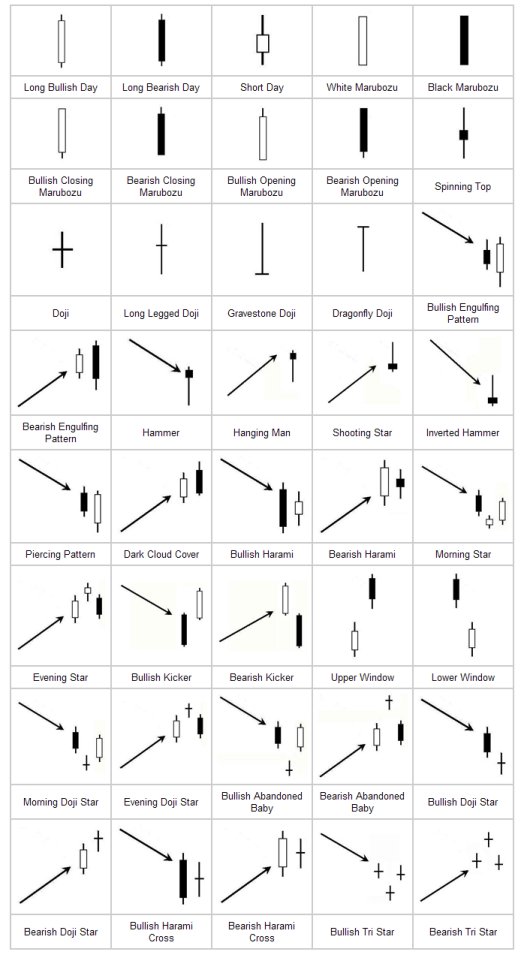
Technical analysis is a key component of intraday trading. It involves analyzing historical price and volume data to predict future price movements. By studying charts, patterns, and indicators, traders can identify potential entry and exit points and make informed trading decisions.
Here are some key indicators and chart patterns every intraday trader should know.
Moving averages help smooth out price data and show trends. They can also point to support and resistance levels. Oscillators like the Relative Strength Index (RSI) and Stochastic Oscillator show when a stock may be overbought or oversold. These can signal a possible reversal.
Chart patterns like triangles, flags, and head and shoulders patterns reveal what market participants are thinking. They can help predict where prices may head next.
Breakouts happen when a price moves above or below a key support or resistance level. These can be entry signals. Reversal patterns like double tops and double bottoms can signal a trend change.
Also watch volume – the number of shares traded. High volume confirms a price move is real. Low volume may show a lack of interest.
For best results, combine multiple indicators and chart patterns. This helps confirm signals and reduce false ones. Also think about your time frame. Some tools work better on shorter or longer time frames.
Staying Up-to-Date with Market News and Trends
Staying informed about market news and trends is crucial for successful intraday trading. Market news and trends can provide valuable insights into the overall market sentiment, economic conditions, and industry-specific factors that can impact stock prices.

Staying up to date with market news helps you spot catalysts that can move stock prices. Earnings reports, economic data, and company announcements can all have a big impact. Pay attention to these events and be ready to act quickly.
Also watch market trends. The market trend is the general direction the market is moving. By spotting the trend, you can align your trades with it. Use proven intraday equity strategies that match the current market mood. Trading with the trend gives you a better chance of success.
There are many sources of market news and analysis. Financial news sites like Bloomberg, CNBC, and Reuters offer real-time updates and market insights. Social media platforms like Twitter and StockTwits can also be useful, as traders share news and ideas in real time. For deeper guidance, consider professional intraday trading help.
Use market news as one tool among many. Combine news with technical analysis and other methods to make well-rounded trading decisions.

Managing Risk: Strategies to Minimize Losses and Maximize Gains
Managing risk is a critical aspect of intraday trading. Intraday trading involves taking on higher levels of risk compared to long-term investing, as traders are exposed to short-term price fluctuations and market volatility. Proper risk management is essential to protect capital, minimize losses, and maximize gains.
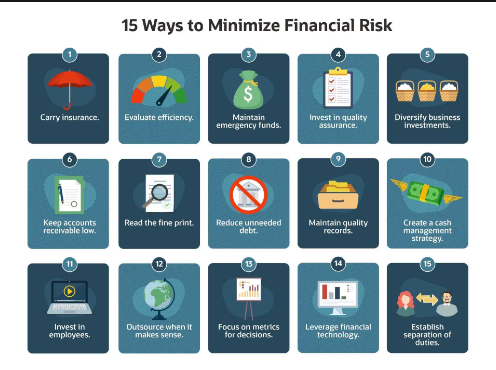
Understanding risk and reward is the first step in managing risk. Risk is the potential loss from a trade. Reward is the potential gain. Always check the risk-reward ratio before entering a trade. A good risk-reward ratio means the potential reward is larger than the possible loss.
One common risk management strategy is using a stop-loss order. This is an order to sell a stock if it reaches a certain price. Stop-loss orders help limit losses by closing a trade automatically. Set your stop-loss at a level that allows for normal price swings, but not so far that losses become too large.
Another risk management strategy is diversification. This means spreading your trades across different stocks, sectors, or asset types. That way, no single trade can hurt your portfolio too much.
Position sizing is also important. This refers to how many shares you trade at once. Choose your position size based on your risk tolerance, trading capital, and the risk of each trade. Stick to your plan and never risk more than a set percentage of your capital on one trade.

Developing a Trading Plan: The Importance of Discipline and Consistency
Developing a trading plan is essential for successful intraday trading. A trading plan is a set of rules and guidelines that outline the trader’s goals, strategies, risk management rules, and trading routine. A well-defined trading plan helps traders stay disciplined, consistent, and focused on their goals.
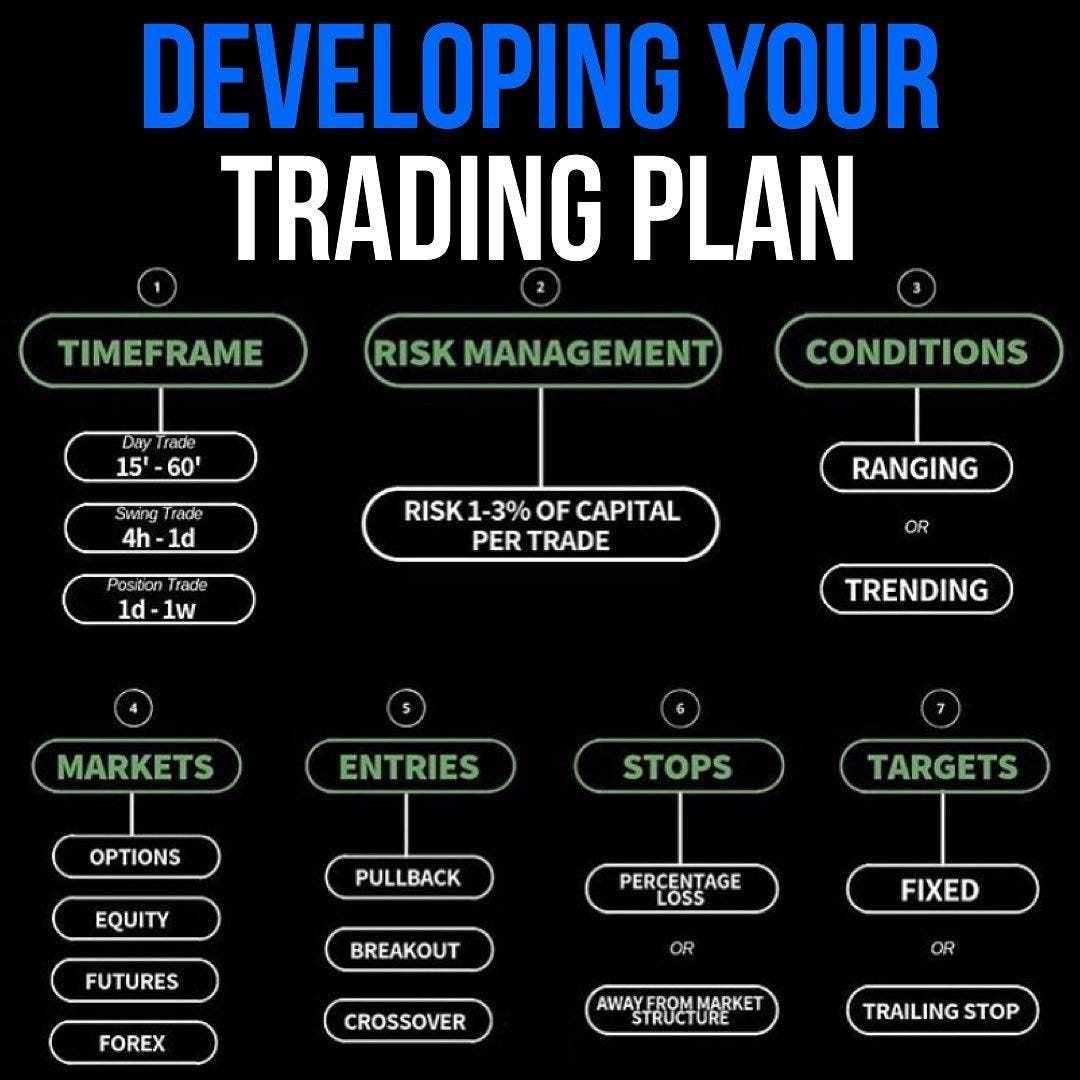
A good trading plan has several key parts. First, define your goals clearly. Make them specific and measurable. For example, aim for a certain profit percentage each month or a target win rate.
Second, outline your trading strategies. This includes the types of analysis you use, the best technical indicators to use, and chart patterns you rely on. Also set clear entry and exit rules. Specify the time frames and markets you will focus on.
Third, include risk management rules. Decide the maximum capital you will risk per trade, the most trades you will take per day, and the biggest loss you can accept. Make sure these rules match your risk tolerance and finances.
Sticking to your plan and avoiding emotional trading is key to success. Follow your plan every time. Do not make impulsive decisions based on fear or greed. Emotional trading often leads to poor choices and big losses.
Using Stop-Loss Orders: How to Protect Your Investments
Stop-loss orders are a key tool for protecting your money in intraday trading. A stop-loss order tells your broker to sell a stock if it reaches a set price. This helps limit losses by closing a trade automatically if the price moves against you.
Using stop-loss orders is essential for managing risk. They let you define your maximum loss on any trade. This prevents large losses and protects your capital. Stop-loss orders also take emotions out of the decision, since they work automatically based on your rules.
When setting a stop-loss, think about the stock’s volatility and your desired risk-reward ratio. If the stop-loss is too close to your entry price, you may exit too early. If it is too far, you could lose more than planned.
As a trade moves in your favor, adjust your stop-loss to lock in profits. Trailing stop-loss orders do this automatically. They move the stop level up as the price rises, helping protect your gains.
Keep in mind that stop-loss orders are not perfect. Slippage can happen when the actual sell price is different from your stop price. This is more common in times of high volatility or low liquidity. Be aware of this and plan your stop-loss levels accordingly.

Learning from Mistakes: Overcoming Common Intraday Trading Pitfalls
Intraday trading can be challenging, and traders are bound to make mistakes along the way. Learning from these mistakes and continuously improving one’s trading skills is crucial for long-term success. By identifying common pitfalls and taking steps to avoid them, traders can become more disciplined, consistent, and profitable.
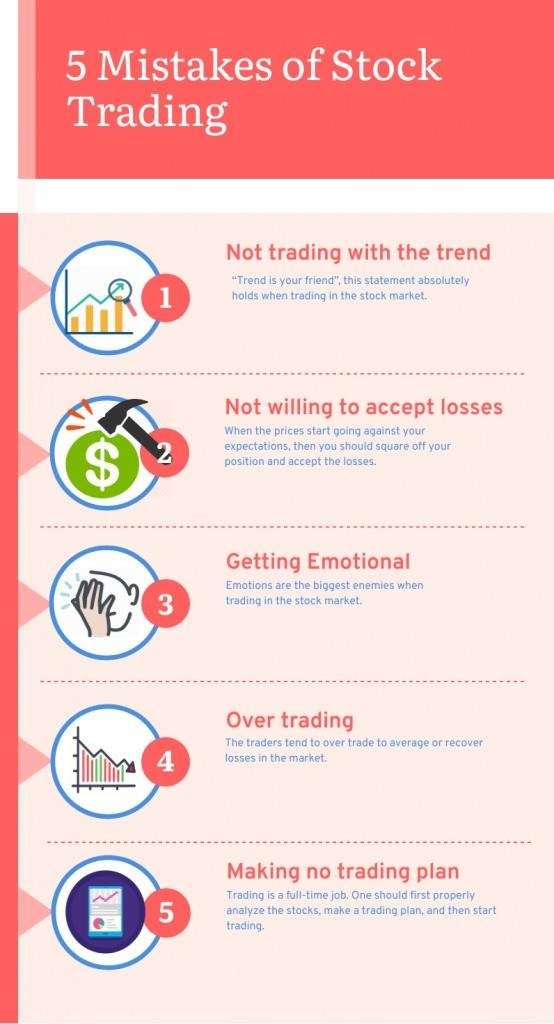
One common mistake is overtrading. This means taking too many trades without proper analysis. Overtrading raises your costs, reduces focus, and leads to poor decisions. Be selective. Only take trades that meet your criteria and have a good risk-reward ratio.
Another mistake is chasing trades. This means entering a trade after the price has already moved a lot. You may end up buying at the top or selling at the bottom. Be patient and wait for good entry points based on your analysis.
Lack of discipline and emotional trading are also common problems. Fear and greed can lead to impulsive choices and bad risk management. Follow your trading plan and stick to your rules.
To overcome these pitfalls, practice self-reflection and keep learning. Review your trades, study your mistakes, and look for ways to improve. This helps you understand your strategies and decisions better.
Keep learning as the markets change. Stay updated on market trends, new trading methods, and SEBI registered advisory services. By building your knowledge and skills, you can adapt to changing markets and make smarter trading decisions.

Free Registration for Stock Market Tips ( Advisory Services)


As per the SEBI rules, we will provide our Services only to those clients who have Complete Risk Profile. Fill This Registration Form and
Contact us on
- Whatsapp @ +91 95999 69624
- Call Us @ +91 9650 890 321
for further process.
Risk Profiling is COMPULSORY
Essential Intraday Trading Tips for the Indian Stock Market
Intraday trading in India involves buying and selling stocks on the National Stock Exchange (NSE) or Bombay Stock Exchange (BSE) within the same trading session, with all positions squared off by the 3:30 PM market close. Success depends on using a structured approach that combines technical analysis, strict risk management, and discipline tailored to Indian market conditions.
What is intraday trading and how does it work in India?
Intraday trading, also called day trading, is a strategy where traders open and close positions within a single trading day on Indian stock exchanges. Traders profit from short-term price movements using margin or leverage provided by brokers, and all positions must be closed before the market closes at 3:30 PM IST to avoid automatic square-off.
Which stocks are best for intraday trading in India?
The best stocks for intraday trading in India are high-liquidity stocks from indices like Nifty 50 or Bank Nifty that have high trading volumes and tight bid-ask spreads. Stocks with moderate to high volatility, such as those in the F&O (futures and options) segment, offer more price movement opportunities while maintaining enough liquidity for smooth entry and exit.
What technical indicators work best for intraday trading in the Indian market?
Common technical indicators for intraday trading in the Indian stock market include the Relative Strength Index (RSI) for identifying overbought and oversold conditions, moving averages (such as 9, 20, or 50-period EMAs) for trend direction, and volume analysis to confirm price movements. Many traders also use VWAP (Volume Weighted Average Price) as a benchmark for entry and exit decisions during the trading day.
How much capital is needed to start intraday trading in India?
There is no fixed minimum capital requirement for intraday trading in India, but most brokers require at least ₹5,000 to ₹10,000 to open a trading account. Many traders start with ₹50,000 or more to allow for proper position sizing and risk management, since intraday trading involves leverage and can lead to losses that exceed initial margins.
What are the SEBI rules for intraday trading?
SEBI requires all intraday positions to be squared off by the market close at 3:30 PM IST, and brokers must follow a margin system based on VaR (Value at Risk) and ELM (Extreme Loss Margin) percentages. As per SEBI guidelines, brokers are required to collect upfront margins for intraday trades, and any shortfall can result in automatic position closure to manage settlement risk.
What is the best risk management strategy for intraday trading in India?
The best risk management strategy is to never risk more than 1% to 2% of your total trading capital on a single trade, always use a stop-loss order, and maintain a risk-reward ratio of at least 1:2. For Indian markets, setting stop-losses based on key support and resistance levels rather than fixed percentages helps account for the stock's natural volatility and avoids premature exits.
- What is the difference between MIS and CNC in intraday trading?
- MIS (Margin Intraday Square-off) is a product type that allows trading with leverage but requires all positions to be closed by 3:30 PM, while CNC (Cash and Carry) is for delivery-based trading without leverage where you can hold stocks longer.
- Can I do intraday trading without a Demat account?
- No, you must have a Demat account linked to your trading account to hold securities, though in intraday trading the stocks are typically squared off before delivery is taken.
- How much tax do I pay on intraday trading profits in India?
- Intraday trading profits are treated as business income and taxed according to your income tax slab, and if your turnover exceeds a threshold, a tax audit may be required under Section 44AB of the Income Tax Act.
- What are the best intraday trading tips for beginners in India?
- Beginners should start with a single stock in a liquid index, use a fixed stop-loss on every trade, avoid overtrading, practice with a paper trading account first, and focus on learning one or two technical indicators before adding more tools.
- Why do most intraday traders lose money in India?
- Most intraday traders lose money due to lack of a defined trading plan, poor risk management, emotional decision-making, and trading without proper technical analysis, compounded by brokerage costs and taxes that eat into small profits.
- What time of day is best for intraday trading in India?
- The first hour after market opening (9:15 AM to 10:15 AM) and the last hour before close (2:30 PM to 3:30 PM) are the most active trading periods on Indian exchanges, offering the highest volatility and best opportunities for price movements.