Master Your Trading Psychology: Control Emotions, Build Discipline
📈 How Fear and Greed Affect Your Trading

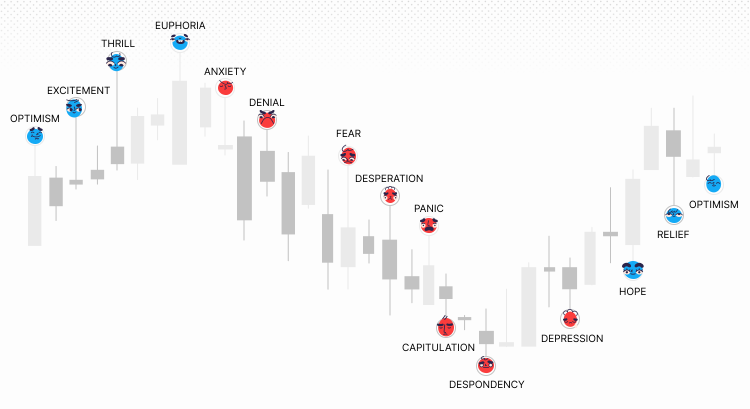
Trading is more than just strategies and numbers. It is a psychological battle. Fear and greed are the two strongest emotions that move markets. For example, the dot-com bubble burst in 2000 was driven by greed. Investors poured money into internet stocks without looking at the real value of the companies.
🧠 How Trader Psychology Shapes Market Trends

Market trends often show what traders feel together. A bull market can mean optimism. A bear market can mean fear. The 2008 financial crisis is a clear example. Fear caused a huge sell-off and led to a long bear market.
Trading Psychology: Strategies to Manage Your Emotions
🔍 Self-Assessment: Recognizing Your Emotional Triggers
Before you can manage your emotions, you need to recognize them. Try keeping a trading journal. Write down when you feel excited, anxious, or fearful, and note what caused those feelings.
Example:
Date: April 15
Emotion: Anxiety
Trigger: News about interest rate hikes
Action: Sold stock XYZ prematurely
🧘♂️ Stress Reduction Techniques to Stay Calm
Practicing mindfulness and meditation can help you stay calm when the market is volatile. Traders who meditate often report better focus and less impulsive decision-making.
📚 Learn About the Market: Knowledge Reduces Fear

Understanding the market helps reduce the fear of the unknown. The more you learn, the less likely you are to make choices based on panic or overconfidence.
Discipline: The Key to Consistency
📉 Set Clear Trading Rules and Stick to Them
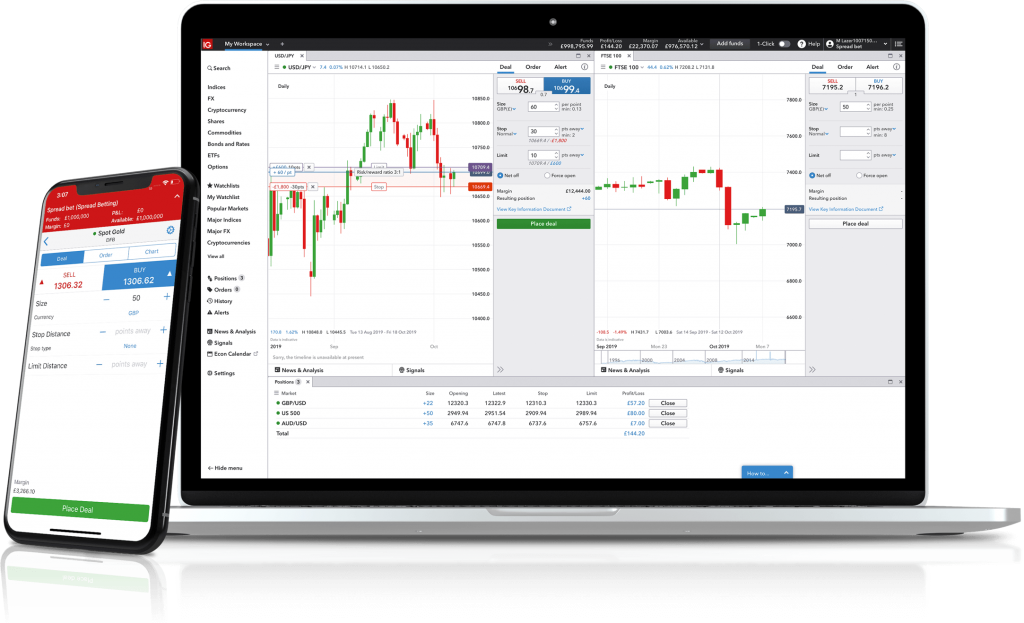
Set clear rules for when to enter and exit a trade. This helps you avoid emotional decisions. For example, you could make a rule to only buy stocks that are trading above their 200-day moving average.
💡 Use Technology to Your Advantage
Use stop-loss orders to sell a stock automatically when it reaches a certain price. This helps prevent emotional reactions from causing bigger losses.
🔄 Develop a Routine
A consistent daily routine helps you stay disciplined. This can include regular market analysis, reviewing your trading plan, and reflecting on your decisions.
Real Stories of Emotional Trading
🚀 The Tale of Overconfidence: The Day Trader’s Downfall
A day trader made good profits on several trades and became overconfident. He ignored his trading plan and took too much risk. In the end, he lost most of his gains.
🌧️ Fear and Selling: The Investor Who Jumped Ship Too Early
During a market downturn, an investor let fear take over. She sold her long-term holdings at a loss. If she had stuck to her plan, she would have recovered her losses and made a profit when the market bounced back.
Emotions Are Part of Trading – Don’t Let Them Control You
Trading is emotional by nature. But by understanding market psychology, learning about the market, and sticking to a disciplined trading plan, you can improve your chances of success. Remember, the market shows how people feel as a group. When you master your own emotions, you can handle the ups and downs of the market more effectively.
Short step-by-step plan:
Learn how emotions affect trading: Read case studies and research about how fear and greed can lead to impulsive trades and losses.
Practice mindfulness and self-awareness: Use meditation and self-reflection to spot your emotional triggers while trading. Keep a trading journal to track your feelings during different market conditions.
Build a trading plan and follow it: Create a plan with clear entry and exit points, risk management rules, and profit targets. Study how successful traders stay consistent by sticking to their plan.
Use risk management tools: Learn about risk-to-reward ratios, position sizing, and stop-loss orders. Traders who manage risk well can handle emotional swings more calmly.
Find a mentor or join a trading community: Connect with other traders to talk about emotional challenges and share what you have learned. Many successful traders credit their growth to guidance from experienced mentors.
🍏The most effective approach: The best way to build emotional discipline is to combine knowledge with practice. Use real-life examples and case studies to understand market psychology and improve your ability to predict market movements.