
Key Risk Management Strategies for Stock Portfolios

Risk management in the stock market is the process of finding, studying, and ranking risks to protect your investments. The main goal is to reduce losses while still aiming for good returns. This guide covers the key strategies that help you do that.
# Example:
# Calculating the Value at Risk (VaR) using historical simulation or Monte Carlo simulation to assess the potential loss in a stock portfolio.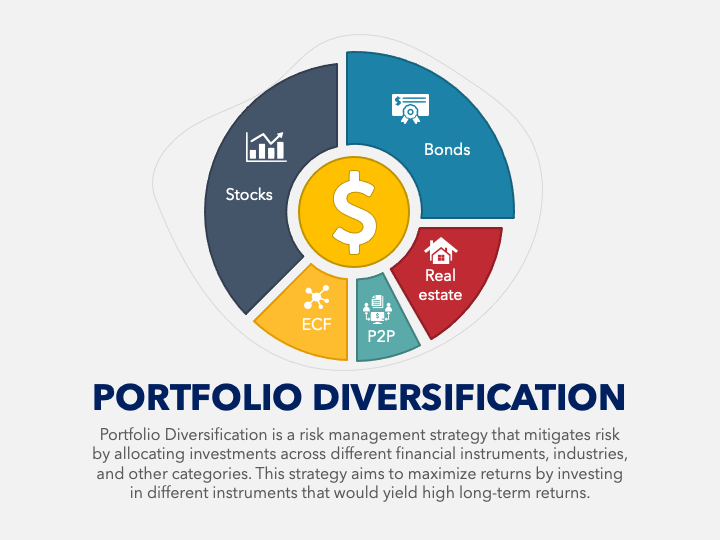
Diversification is one of the most important risk management strategies for a stock portfolio. By spreading your money across different asset types, industries, and regions, you lower your overall risk. A loss in one area may be balanced by gains in another.
# Example:
# Allocating investments across equities, fixed income securities, commodities, and real estate to achieve a balanced and diversified portfolio.
How to Measure Risk in Your Stock Portfolio
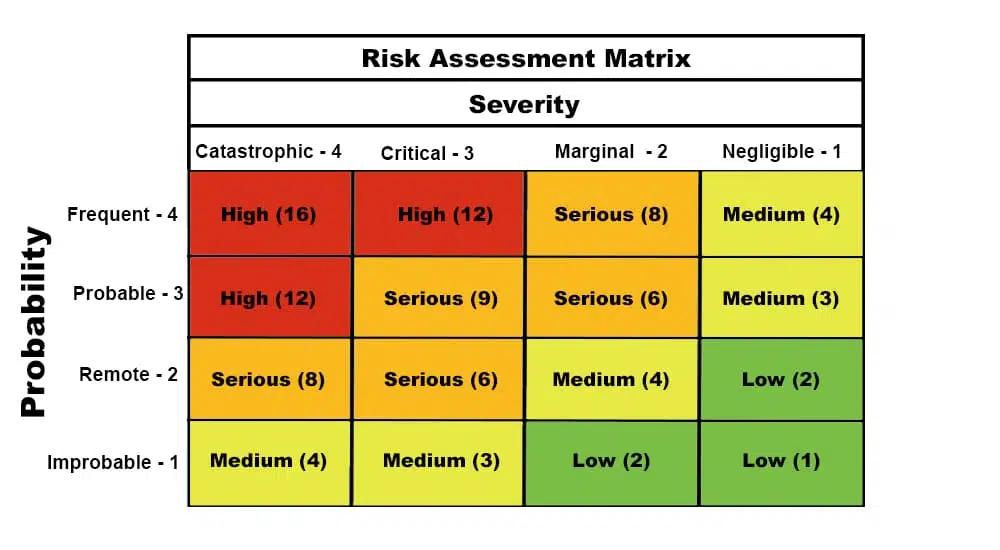
Stock market risk assessment techniques use data to study risk factors like price swings (volatility), how stocks move together (correlation), and how easy they are to trade (liquidity). Tools like the Capital Asset Pricing Model (CAPM) help measure financial and business risks in stocks.
# Example:
# Using the Sharpe ratio to evaluate the risk-adjusted return of a stock portfolio and compare it with benchmark indices.
Using Hedging to Protect Against Losses
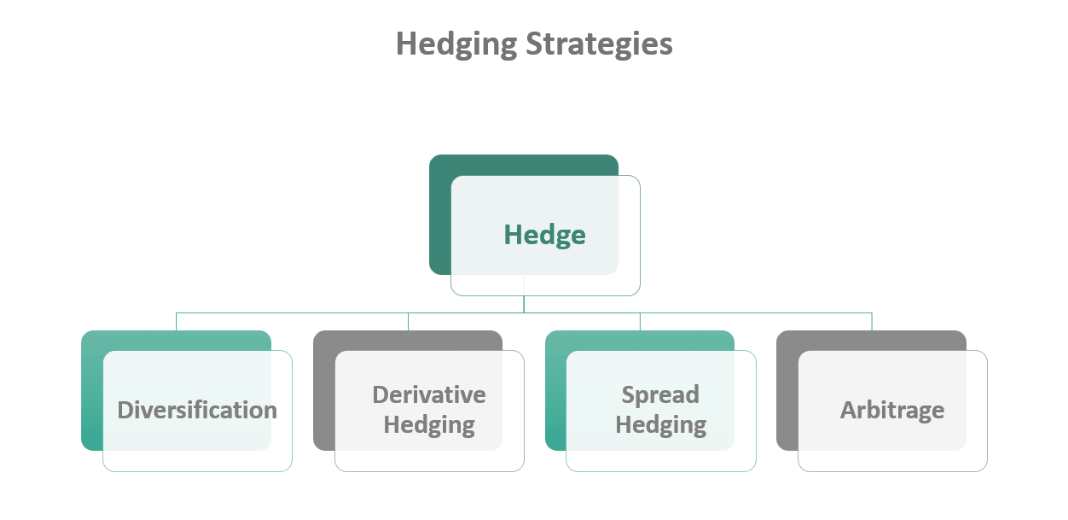
Hedging uses tools like options and futures to protect your portfolio from losses. It is an advanced way of managing risk in volatile markets. These tools help guard against price drops and can improve overall portfolio performance.
# Example:
# Implementing a put option strategy to hedge against potential downside risk in a stock portfolio during periods of market uncertainty.
How Emotions Affect Your Risk Decisions
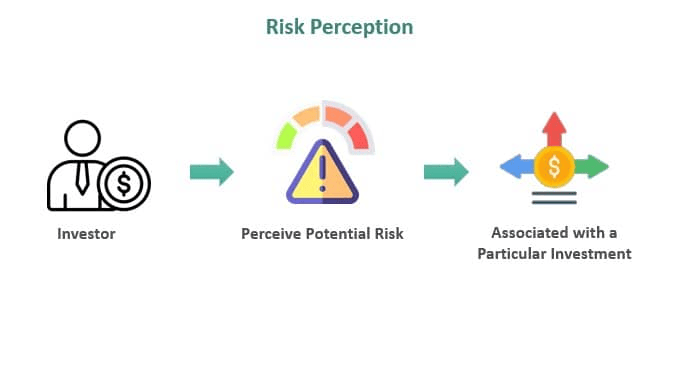
Behavioral finance looks at how your feelings and mindset affect your investing choices. Biases like fear of losses (loss aversion) or following the crowd (herding) can hurt your results. A good risk management plan takes these human factors into account.
# Example:
# Incorporating sentiment analysis of market news and social media data to gauge investor sentiment and identify potential risk factors affecting stock prices.
Stress Testing: Prepare for Worst-Case Scenarios

Stress testing means simulating extreme market events to see how your portfolio would hold up. By testing worst-case scenarios, you can find weak spots and make your investments stronger before real problems happen.
# Example:
# Performing scenario analysis to assess the impact of geopolitical events or economic downturns on the performance of a stock portfolio.
Keep Watching Your Risk and Follow the Rules

Good risk monitoring means always keeping an eye on your portfolio and following market rules. Using risk management software and analytics tools helps you track risks in real time and make better decisions.
# Example:
# Utilizing a risk management platform with integrated compliance monitoring to track and report on portfolio risk metrics, such as Value at Risk (VaR) and tracking error.
Putting effective professional share market advisory strategies to work takes knowledge of risk measurement, diversification, behavioral finance, and market rules. By combining these with diversification and hedging strategies, you can improve your risk-reward balance and build a more resilient portfolio.
# Example:
# Developing a dynamic asset allocation strategy based on risk factor models and stress testing results to adapt to changing market conditions and mitigate potential risks.
Simple Step-by-Step Risk Management Plan:
Identify risk factors: Look at each stock’s past price swings (volatility), beta, and key financial signs to understand its risk. Example: Check how much a stock’s price has moved over the past year.
Assess correlation: See how the stocks in your portfolio move together. Example: Use a tool to find out if your stocks tend to rise and fall at the same time.
Diversify the portfolio: Spread your money across different sectors and asset types to lower risk. Example: Put some money into bonds or commodities in addition to stocks.
Use stop-loss orders and position sizing: Set a stop-loss for each stock to limit how much you can lose. Example: Set a stop-loss at 10% below the current price so the stock sells automatically if it drops that far.
Consider hedging strategies: Look into options or futures to guard against market drops. Example: Buy put options on a stock index to protect your whole portfolio from a downturn.
Monitor and adjust regularly: Keep an eye on your risk numbers and change your strategy when needed. Example: Rebalance your portfolio every three months to keep your risk level on track.