

Regulatory Factors in Stock Investments

Regulatory factors play a crucial role in stock investments by influencing how financial markets operate and how companies comply with legal and industry requirements. Government policies, securities regulations, taxation rules, corporate governance standards, and industry-specific compliance requirements can all affect company performance, investor confidence, and market stability. Regulatory authorities such as the Securities and Exchange Board of India (SEBI), the Securities and Exchange Commission (SEC), and other financial regulators establish rules to promote transparency, protect investors, and maintain fair trading practices. Changes in these regulations may influence corporate disclosures, insider trading rules, listing requirements, capital-raising activities, and overall investment risk. Understanding the regulatory environment helps investors identify potential opportunities and risks before making informed stock investment decisions.
Example:
Governments and financial regulators around the world periodically introduce new regulations to strengthen financial markets and protect investors. For example, changes in corporate governance standards, securities regulations, or disclosure requirements may increase compliance costs for companies while improving market transparency and investor confidence. Such regulatory developments can influence company valuations, investor sentiment, and overall stock investment decisions.
Analyzing Geopolitical Factors in Stock Investments

Geopolitical factors play an important role in shaping stock investment decisions by influencing global economic conditions, business operations, and investor confidence. These factors include international relations, political stability, trade policies, military conflicts, economic sanctions, and diplomatic developments. Such events can create market uncertainty, disrupt global supply chains, affect commodity prices, and influence currency movements, all of which may impact the financial performance of companies and the value of their stocks. Investors who understand geopolitical risks are better equipped to assess potential opportunities and manage investment risks in changing market conditions.
Example:
Trade disputes between major economies, such as the United States and China, demonstrate how geopolitical events can influence stock investments. Increased tariffs, supply chain disruptions, and changing trade policies affected industries such as technology, manufacturing, and exports, leading to fluctuations in the stock prices of companies with significant international exposure. Similarly, geopolitical events like the Russia–Ukraine conflict and tensions in the Middle East have impacted global energy prices, commodity markets, and investor sentiment, influencing stock investment decisions across multiple sectors. Evaluating these developments helps investors better understand the potential risks and opportunities associated with their investments.
How Regulatory Compliance and Corporate Governance Affect Investors
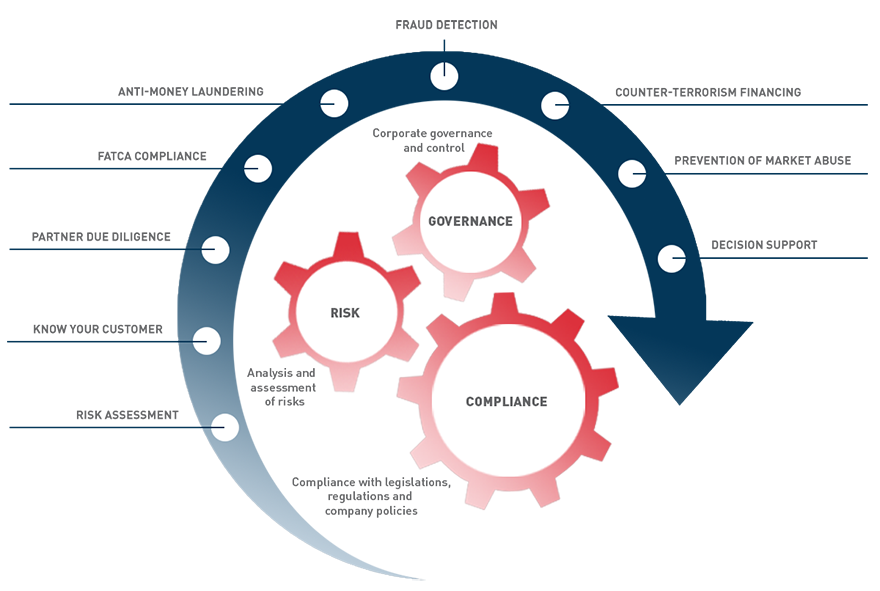
When evaluating stock investments, it is essential to assess the regulatory compliance and corporate governance practices of the companies in which you plan to invest. This involves analyzing factors such as financial reporting transparency, board structure, executive compensation, and adherence to regulatory requirements. Investors should look for companies that demonstrate a commitment to sound corporate governance principles and ethical business practices, as these factors can contribute to long-term value creation and mitigate regulatory risks.
Example:
Examining the corporate governance practices of a company may involve analyzing its proxy statements, board committee charters, and shareholder rights provisions to gauge the level of transparency and accountability within the organization.
How to Assess Regulatory Risk Before Investing

In portfolio management, it is crucial to quantify regulatory risk and its potential impact on investment portfolios. This involves using quantitative models and risk assessment techniques to measure the exposure of investments to regulatory changes and compliance requirements. By quantifying regulatory risk, portfolio managers can make informed decisions about asset allocation, risk mitigation strategies, and the overall resilience of the portfolio in the face of regulatory uncertainties.
Example:
Utilizing scenario analysis and stress testing, portfolio managers can simulate the potential impact of regulatory changes on stock investments, allowing them to proactively adjust portfolio positions to mitigate regulatory risk.
Leveraging Political Risk Indices for Investment Insights

Investors can leverage political risk indices, such as the Political Risk Services (PRS) Group’s International Country Risk Guide, to gain insights into the geopolitical factors that may affect stock investments in different regions. These indices provide assessments of political stability, government policies, and socioeconomic conditions, allowing investors to incorporate geopolitical risk analysis into their investment decision-making process.
Example:
By utilizing political risk indices, investors can compare the political risk profiles of various countries and tailor their stock investment strategies based on the geopolitical factors specific to each region, thereby enhancing their risk management approach.

To do: Research and analyze the impact of regulatory and geopolitical factors on specific stock investments.
Short step-by-step plan:
Research the current regulatory landscape: Identify and study the latest regulatory changes and updates in the market where you plan to invest. For example, review recent SEC filings and regulatory announcements related to the industry or specific stocks of interest.
Assess geopolitical risks: Analyze geopolitical events and their potential impact on stock investments. For instance, monitor news sources and geopolitical risk indices to identify regions or countries that may pose risks to your investments.
Evaluate the implications: Determine how these regulatory and geopolitical factors could affect the performance of your stock investments. Consider factors such as compliance costs, market access, and potential disruptions due to geopolitical tensions.
Develop risk mitigation strategies: Based on your analysis, develop strategies to mitigate the identified risks. This could involve diversifying your portfolio, hedging against specific risks, or adjusting your investment approach based on the findings.
Monitor ongoing developments: Establish a system to stay updated on regulatory and geopolitical changes relevant to your investments. This may involve setting up alerts for regulatory filings or subscribing to geopolitical risk analysis services.