


Share Market Tips For Beginners
The share market, also known as the stock market, is a crucial component of the global financial system. It plays a vital role in the economy by facilitating the buying and selling of shares, which represent ownership in a company. The share market provides individuals and institutions with the opportunity to invest their money and potentially earn returns through capital appreciation and dividends.
What is Share Market
The share market is a marketplace where buyers and sellers come together to trade shares of publicly listed companies. Shares represent ownership in a company and are bought and sold through stock exchanges. There are two main types of shares: common shares and preferred shares. Common shares give shareholders voting rights and the potential for capital appreciation, while preferred shares provide a fixed dividend but no voting rights.
The share market is where buyers and sellers trade shares. To buy shares, you place an order with a broker who handles the trade. To sell shares, you do the same. The price of a share depends on supply and demand. When more people want to buy, the price goes up. When more people want to sell, the price goes down.

Importance of Research and Analysis
Research and analysis are crucial for making informed investment decisions in the share market. By conducting thorough research, investors can gain insights into the financial health, growth prospects, and competitive position of companies they are interested in investing in. This information helps investors assess the value of a company's shares and make informed decisions about buying or selling.

There are two main types of research to study companies. Fundamental analysis looks at a company’s finances, industry, and team to find its true value. Technical analysis studies past price patterns and uses charts to predict future price moves.
To learn stock market concepts, use financial news sites, company reports, and analyst reports. Online brokers also offer research tools, stock screeners, and data to help you make smart decisions.
Choosing the Right Broker
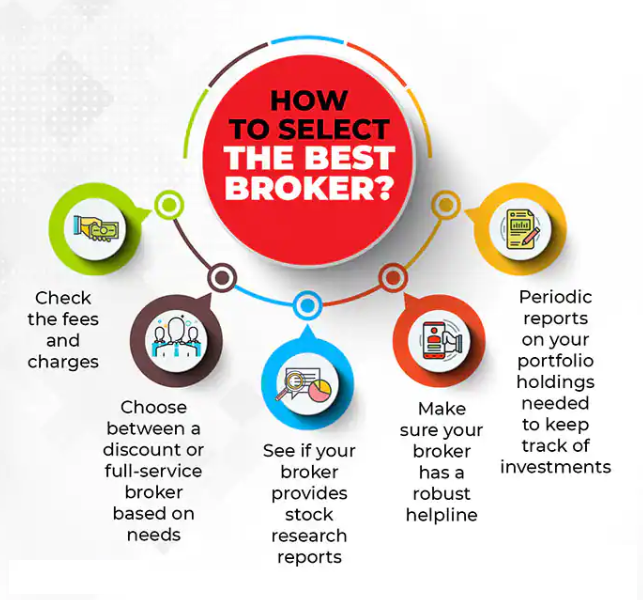
Choosing the right broker is crucial for successful investing in the share market. A broker is a financial intermediary who facilitates the buying and selling of shares on behalf of investors. When selecting a broker, there are several factors to consider.
First, look at the fees each broker charges. Compare costs and pick a broker that fits your budget. Also check what services they offer, like research reports, trading tools, and customer support.
There are two main types of brokers. Full-service brokers offer advice and portfolio management but charge higher fees. Discount brokers charge less but may have limited professional share market advisory.
To open a trading account, you need to provide ID, address proof, and a filled account form. Once your account is set up, you can start buying and selling shares.
Diversification of Portfolio
Diversification is a risk management strategy that involves spreading investments across different asset classes, sectors, and geographies. By diversifying their portfolio, investors can reduce the impact of any single investment on their overall portfolio performance. This helps to mitigate risk and potentially increase returns.
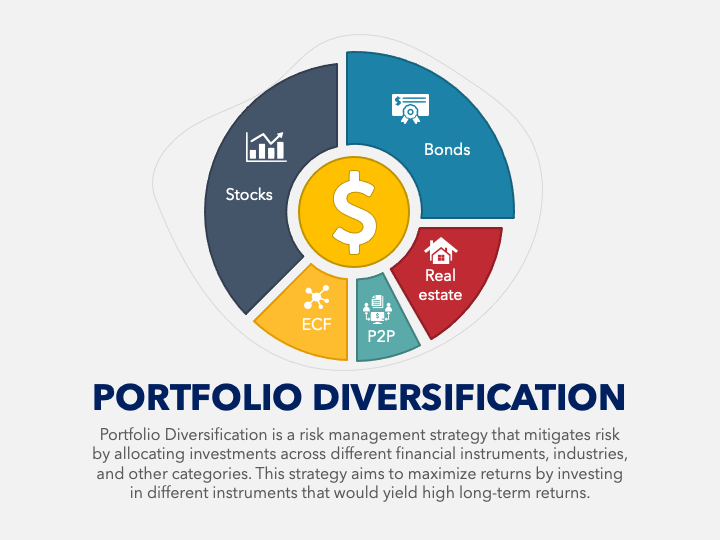
Diversification helps protect your money from big swings in one stock or sector. If one investment drops, others in your portfolio may help balance the loss.
To diversify, spread your money across different asset types like stocks, bonds, and real estate. Within each type, invest in different sectors. For example, instead of buying just one tech stock, buy shares in several tech companies.
Long-term Investment Strategy
A long-term investment strategy involves buying and holding investments for an extended period, typically five years or more. This strategy is based on the belief that over the long term, the share market tends to generate positive returns. By taking a long-term approach, investors can benefit from compounding returns and potentially achieve their financial goals.
Two popular long-term strategies are:
Index fund investing – Buy funds that track the whole market, like the S&P 500. This is a low-cost way to own a slice of many stocks at once.
Value investing – Find stock market fundamentals in companies that are undervalued. Hold them until the market sees their true worth. Look for low price-to-earnings ratios and strong dividend yields.
To build a long-term plan, set clear goals, know your risk level, and decide your time frame. Review and adjust your portfolio from time to time to stay on track.

Risk Management Techniques
Risk management is an essential aspect of investing in the share market. It involves identifying and assessing risks and implementing strategies to mitigate them. By effectively managing risk, investors can protect their capital and potentially enhance their returns.
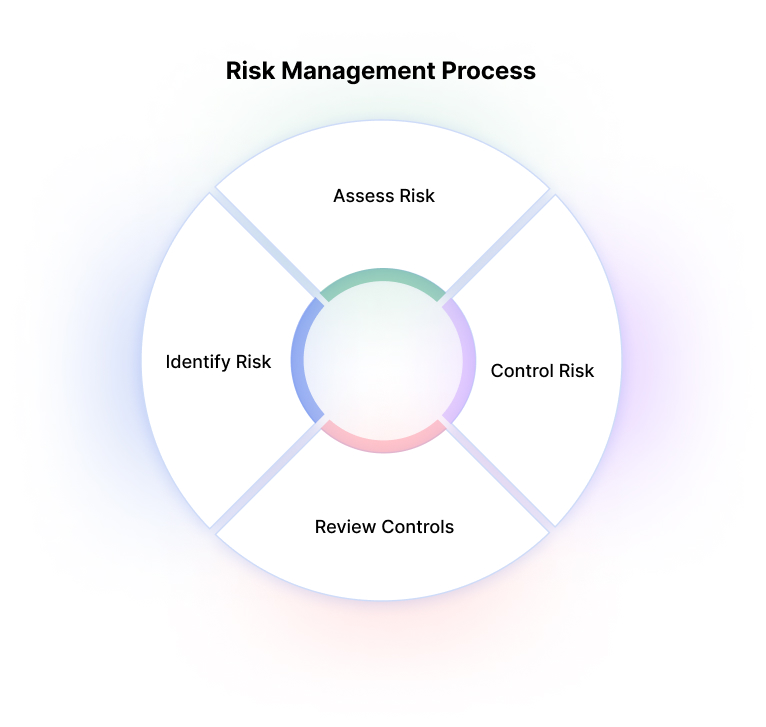
Here are three ways to manage risk:
Diversify – Spread your money across different assets and sectors. This way, one bad investment won’t hurt too much.
Use stop-loss orders – A stop-loss tells your broker to sell a stock if it falls to a certain price. This helps limit your losses.
Try hedging – This means making a move that protects you if prices fall. For example, if you own tech stocks, you can use options to guard against drops.
Importance of Patience and Discipline
Patience and discipline are essential qualities for successful investing in the share market. Patience is important because it allows investors to take a long-term view and avoid making impulsive decisions based on short-term market fluctuations. Discipline is important because it helps investors stick to their investment plan and avoid emotional decision-making.

To build patience, focus on your long-term goals. Don’t let daily market news distract you. Trying to time the market is very hard and often leads to mistakes.
To build discipline, create an investment plan and stick to it. Your plan should list your goals, how you will invest, and how much risk you can take. Follow your plan and avoid emotional choices. This can help you in earning consistent returns over time.
Learning from Mistakes
Mistakes are an inevitable part of investing in the share market. However, it's important to learn from these mistakes and use them as opportunities for growth and improvement. By analyzing past mistakes, investors can identify areas for improvement and make better investment decisions in the future.
Common mistakes when investing in the share market include chasing hot stocks, failing to diversify, and letting emotions drive your choices. Chasing hot stocks means buying shares that have gone up fast because of hype. This often leads to overpaying and losing money when the hype fades.
To learn from mistakes, review your past trades and look for patterns. Ask experienced investors or professionals for feedback. Keep learning and improving to boost your chances of success.

Staying Updated with Market Trends
Staying updated with market trends is crucial for successful investing in the share market. Market trends can provide valuable insights into the direction of the market and specific sectors or industries. By staying informed, investors can make more informed investment decisions and potentially capitalize on emerging opportunities.

Here are three ways to stay updated on market trends:
Read financial news – Check trusted sites for company news, market updates, and economic changes.
Follow experts on social media – Many investors share short term equity tips on platforms like Twitter and LinkedIn.
Use technical tools – Charts and indicators use past price data to help you spot trends and make better trading choices.
Seeking Professional Advice
While individual investors can successfully navigate the share market on their own, there are times when seeking professional advice is beneficial. Professional advisors can provide expertise, guidance, and personalized investment recommendations based on an investor's goals and risk tolerance.

Two types of professionals can help you:
Financial advisors – They offer full financial planning, including investment advice. They can build a plan for your goals and risk level.
Stockbrokers – They buy and sell shares for you and can share valuable trading tips.
To find a good professional, check their experience, ask for referrals, and read reviews. Pick someone who shares your goals and values.
Action Items:
- Research before investing to make smart, informed choices.
- Pick the right broker by comparing fees and services.
- Diversify your portfolio across different assets, sectors, and regions.
- Build a long-term strategy based on your goals, risk level, and time frame.
- Use risk tools like stop-loss orders and hedging to protect your money.
- Stay patient and disciplined. Stick to your investment plan.
- Learn from your mistakes by reviewing trades and getting feedback.
- Keep up with market news using trusted sites, social media, and tools.
- Ask a financial advisor or broker for help when needed.
- Follow Equityx.in for more beginner-friendly share market tips and guidance.
To-do List:
- Research companies and study their financial health.
- Compare broker fees and services to find the best fit.
- Spread investments across different assets, sectors, and regions.
- Set clear goals, know your risk, and create a long-term plan.
- Use stop-loss orders and hedging to manage risk.
- Follow your plan, avoid emotional trades, and review your portfolio.
- Review past trades, ask for feedback, and keep learning.
- Stay informed with market news, social media, and analysis tools.
- Talk to a financial advisor or broker if you need guidance.
- Follow Equityx.in to start investing with confidence.
FAQs (Frequently Asked Questions)
What are share market tips for beginners?
Share market tips for beginners include researching companies before investing, diversifying your portfolio, setting realistic goals, and investing for the long term. It is also important to stay up-to-date with market news and trends.
How do I start investing in the share market?
To start investing in the share market, you will need to open a brokerage account with a reputable broker. You will then need to fund your account and begin researching companies to invest in.
What is diversification?
Diversification is the practice of spreading your investments across different companies and industries to reduce risk. By diversifying your portfolio, you can minimize the impact of any one company or industry on your overall investment returns.
What are realistic goals for investing in the share market?
Realistic goals for investing in the share market include achieving long-term growth, generating passive income, and building wealth over time. It is important to set achievable goals and to have a clear investment strategy in place.
What are some common mistakes to avoid when investing in the share market?
Common mistakes to avoid when investing in the share market include investing based on emotions, failing to diversify your portfolio, and not doing enough research before investing. It is also important to avoid trying to time the market and to have a long-term investment horizon.
Share Market Tips for Beginners: What You Need to Know Before You Start
Share market tips for beginners are practical guidelines that help new investors understand how to buy and sell stocks, manage risk, and build a portfolio with confidence. These tips cover the entire journey, from choosing a broker and opening a trading account to researching companies and developing a long-term investment strategy. For a beginner, the share market can feel complex, but following structured tips reduces uncertainty and helps avoid common pitfalls.
What is the share market and how does it work for beginners?
The share market is a platform where buyers and sellers trade ownership stakes in publicly listed companies. Beginners participate by opening a trading account with a registered broker, depositing funds, and placing buy or sell orders. Share prices move based on supply and demand, company performance, and broader economic conditions.
How much money do I need to start investing in the share market?
There is no fixed minimum amount required to start investing in the share market. Many brokers allow you to begin with as little as the price of a single share or through fractional shares where available. Starting small lets you learn the process without taking on large risk.
What is the difference between a full-service broker and a discount broker?
A full-service broker provides personalized advice, research reports, and portfolio management but charges higher fees and commissions. A discount broker executes trades at a lower cost but offers limited or no personal guidance. Beginners should choose based on their need for advice versus their desire to minimize fees.
How do I research which stocks to buy as a beginner?
Beginners can research stocks by studying a company's financial statements, reading analyst reports, and using stock screeners provided by online brokers. Fundamental analysis focuses on revenue, earnings, and debt, while technical analysis examines price charts and trading patterns. Starting with companies you understand makes research easier.
What is diversification and why is it important for beginners?
Diversification means spreading your investments across different stocks, sectors, and asset types so that a decline in one area does not disproportionately affect your entire portfolio. For beginners, diversification reduces the overall risk of loss while still allowing for growth. A simple way to diversify is through an index fund that tracks a broad market index.
How do I handle losses when I start investing?
Losses are a normal part of investing, especially in the early stages. Beginners should view losses as learning opportunities, review what went wrong, and avoid making emotional decisions like panic selling. Using stop-loss orders and maintaining a long-term perspective helps manage the impact of temporary declines.
- What is the share market and how does it work for beginners?
- The share market is a platform where buyers and sellers trade ownership stakes in publicly listed companies. Beginners participate by opening a trading account with a registered broker, depositing funds, and placing buy or sell orders.
- How much money do I need to start investing in the share market?
- There is no fixed minimum amount required to start investing in the share market. Many brokers allow you to begin with as little as the price of a single share or through fractional shares where available.
- What is the difference between a full-service broker and a discount broker?
- A full-service broker provides personalized advice, research reports, and portfolio management but charges higher fees and commissions. A discount broker executes trades at a lower cost but offers limited or no personal guidance.
- How do I research which stocks to buy as a beginner?
- Beginners can research stocks by studying a company's financial statements, reading analyst reports, and using stock screeners provided by online brokers. Starting with companies you understand makes research easier.
- What is diversification and why is it important for beginners?
- Diversification means spreading your investments across different stocks, sectors, and asset types so that a decline in one area does not disproportionately affect your entire portfolio. A simple way to diversify is through an index fund that tracks a broad market index.
- How do I handle losses when I start investing?
- Losses are a normal part of investing, especially in the early stages. Beginners should view losses as learning opportunities, review what went wrong, and avoid making emotional decisions like panic selling.