
Short-Term Investment Strategies
Short-Term Investment Strategies in India: A Simple Guide

Looking for short-term investment strategies in India? This guide explains the most popular approaches, including momentum trading, swing trading, and day trading. Learn how each strategy works and how to manage risk while trading.
📈 Short-Term Investments

Short-term investments are typically held for less than a year. Investors use them to make quick profits or protect against market swings. These investments can be riskier and need more active management than long-term ones.
Example: Buying shares of a company based on a predicted quarterly earnings beat and selling them right after the earnings announcement.
🔍 Research and Analysis

Before you invest, do thorough research. This means understanding the company’s finances, recent news, and market trends.
Fundamental Analysis: Look at the company’s financial health, including earnings, revenue, and debt.
Technical Analysis: Study patterns from trading activity, such as past prices and volume.
Sentiment Analysis: Gauge market mood or opinions about a stock. News and social media can affect this.
Example: Using chart patterns to find possible buy or sell signals for a stock.
🚀 Momentum Trading
Momentum trading means buying stocks that have performed well over the past three to twelve months. You sell those that have performed poorly. The goal is to ride a stock’s current trend.
Identify the Trend: Use tools like moving averages or the Relative Strength Index (RSI).
Entry and Exit Points: Decide in advance at what price you will enter and exit the trade.
Example: Buying a stock that has been hitting new highs for months. Sell it when the trend looks like it may reverse.
📊 Swing Trading
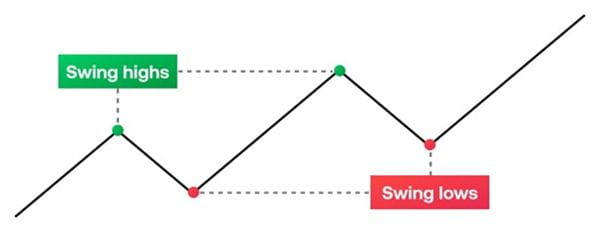
Swing traders look for price “swings” in stocks. They hold investments for several days or weeks to profit from a price move.
Chart Patterns: Look for patterns like triangles, head and shoulders, or flags. These can hint at future price moves.
Risk Management: Set stop-loss orders to limit possible losses.
Example: Buying a stock after it bounces off a support level. Sell when it reaches a resistance level.
🔥 Day Trading
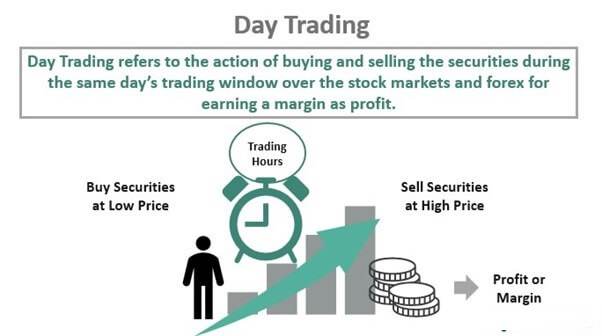
Day trading means buying and selling stocks within the same trading day. Day traders aim to profit from small price changes in active stocks.
Stay Informed: Keep up with the latest news that could affect stock prices during the day.
Technical Analysis Tools: Use tools like candlestick charts and volume indicators to make quick choices.
Example: Buying a stock after good news comes out. Sell it before the market closes on the same day.
🛑 Stop-Loss and Take-Profit Orders
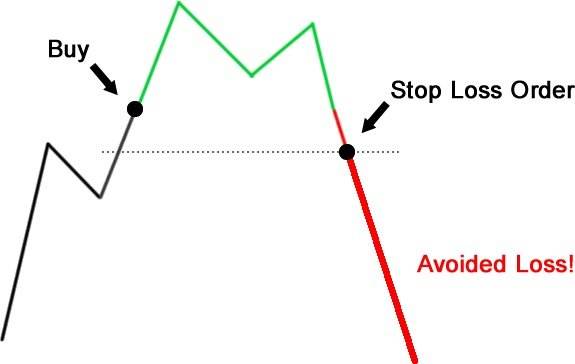
Stop-loss and take-profit orders help you manage risk and lock in profits.
Stop-Loss Order: An order to sell a stock when it reaches a certain price. This limits your loss.
Take-Profit Order: An order to sell a stock when it reaches a set profit level.
Example: Setting a stop-loss order 10% below your buy price to cap potential losses.
📚 Continuous Learning
The stock market changes often. Keep learning to stay ahead. Study market trends, investment strategies, and economic signals.
Stay Updated: Follow financial news and stock market updates.
Practice: Use trading simulators to try strategies without using real money.
Example: Subscribe to financial news and use a stock market simulator to test your ideas.
🤝 Diversification

Even for short-term trading, do not put all your money in one stock. Spreading your investments can reduce risk.
Different Sectors: Invest in different industries to lower sector-specific risk.
Asset Allocation: Balance your money between stocks, bonds, and other assets.
Example: Investing in both technology and consumer goods stocks to spread risk.
📝 Start Trading Smarter
Short-term investing in the stock market needs a proactive approach. You must adapt quickly to changing conditions. Using sound trading strategies and managing your risk can help you make better trades. Remember, no single strategy works for everyone. Find the approach that fits your goals and style.

Free Registration for Stock Market Tips ( Advisory Services)
As per the SEBI rules, we will provide our Services only to those clients who have Complete Risk Profile. Fill This Registration Form and
Contact us on
- Whatsapp @ +91 95999 69624
- Call Us @ +91 9650 890 321
for further process.
Risk Profiling is COMPULSORY
What Are the Best Short-Term Investment Strategies in India?
Short-term investment strategies in India involve holding assets for a period ranging from a single day to less than one year to generate returns from market movements. These strategies rely on technical analysis, market timing, and active monitoring rather than long-term fundamentals. The most common short-term strategies used in the Indian stock market include momentum trading, swing trading, and day trading, each with distinct holding periods, risk profiles, and skill requirements.
How does momentum trading work in the Indian market?
Momentum trading involves buying stocks that have shown strong price performance over the prior three to twelve months and selling those with weak performance. Traders use indicators such as moving averages and the Relative Strength Index (RSI) to identify trending stocks on exchanges like NSE and BSE, and they exit positions when signs of trend reversal appear.
What is swing trading and how long do positions stay open?
Swing trading captures price "swings" or short-to-medium-term moves in a stock, with positions held from a few days to several weeks. Swing traders rely on chart patterns such as triangles, flags, and head-and-shoulders formations to identify entry and exit points, and they use stop-loss orders to manage downside risk in volatile Indian stocks.
How is day trading different from other short-term strategies?
Day trading requires buying and selling stocks within the same trading session, with all positions closed before the market closes. Day traders profit from small intraday price movements using candlestick charts, volume indicators, and real-time news feeds. Unlike swing or momentum trading, day trading avoids overnight risk but demands constant screen time and fast decision-making.
What risk management tools are essential for short-term trading?
Stop-loss orders and take-profit orders are the primary risk management tools for short-term traders in India. A stop-loss order automatically sells a stock when it falls to a predetermined price, capping losses. A take-profit order locks in gains by selling when the stock reaches a target price. Position sizing, which limits the amount of capital allocated to any single trade, is another key practice.
Can short-term strategies work in any market condition in India?
No single short-term strategy performs well in all market conditions. Momentum trading works best in trending markets with clear directional movement. Swing trading suits range-bound or moderately trending markets. Day trading can adapt to various conditions but is most effective in high-volatility, high-liquidity environments found in active NSE and BSE stocks.
Frequently Asked Questions
- What is the ideal holding period for short-term investments in India?
- The holding period for short-term investments typically ranges from one day to less than twelve months, depending on the strategy. Day traders close positions within hours, swing traders hold for days or weeks, and momentum traders may hold for several weeks to months.
- Which Indian stocks are best suited for short-term trading?
- Stocks with high daily trading volume, strong liquidity, and moderate-to-high volatility are best suited for short-term trading. Large-cap and select mid-cap stocks listed on NSE and BSE are commonly used because they offer tight bid-ask spreads and reliable price data.
- Do short-term traders need to pay taxes differently in India?
- Yes, short-term capital gains (STCG) on equity shares held for less than twelve months are taxed at 15 percent under Indian tax law. Intraday trading profits are treated as business income and taxed according to the trader's income tax slab.
- What technical indicators do short-term traders in India commonly use?
- Common technical indicators include moving averages (simple and exponential), Relative Strength Index (RSI), Moving Average Convergence Divergence (MACD), Bollinger Bands, and volume-based indicators. These help traders identify trends, momentum, overbought or oversold conditions, and potential reversal points.
- Is short-term trading suitable for beginners in the Indian stock market?
- Short-term trading requires experience, discipline, and risk tolerance. Beginners are advised to start with a trading simulator or a small capital allocation, learn one strategy thoroughly, and practice risk management before committing significant funds.
- How much capital is needed to start short-term trading in India?
- The required capital depends on the strategy. Intraday trading in the cash market can begin with as little as a few thousand rupees, though regulatory margin requirements apply. Swing and momentum trading typically need larger capital to absorb transaction costs and potential drawdowns.