
Risks And Rewards Associated With Short-Term Investments
What Are Short-Term Investments?

Short-term investments are financial tools you hold for one year or less. Investors use them to earn better returns than a standard savings account. Common examples include treasury bills, certificates of deposit, and commercial paper. For more guidance, check our short term equity tips.
Example:
You invest $10,000 in a 6-month treasury bill with an annual interest rate. After six months, you earn interest on your money.Common Risks of Short-Term Investments
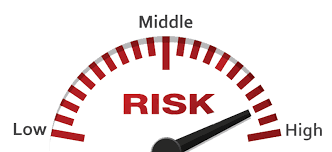
Interest Rate Risk: When interest rates change, the value of fixed-income investments can go up or down. For example, if rates rise, the value of existing bonds may fall. This could lead to a loss if you sell early.
Liquidity Risk: Sometimes it is hard to sell a short-term investment quickly at a fair price. If there are not enough buyers, you may not get your money when you need it.
Example:
You buy a 90-day commercial paper. But when you try to sell it early, no one is buying. You cannot get your money back until it matures.Potential Rewards of Short-Term Investments

Yield: The return you earn matters. By comparing yields, you can see which short-term investments give you the best returns for your money.
Tax Efficiency: Some short-term investments offer tax benefits. Knowing how taxes affect your returns helps you choose the right option.
Example:
You compare the yields of a 6-month certificate of deposit and a 1-year treasury bill to see which one pays you more.How to Reduce Short-Term Investment Risks
Diversification: Spread your money across different types of short-term investments. That way, if one does poorly, the others can help balance it out.
Risk-Adjusted Returns: Look at how much return you get for the risk you take. This helps you use your money in the smartest way.
Example:
An investor spreads their money across treasury bills, money market funds, and short-term corporate bonds. This mix helps lower overall risk.Short-term investments let you earn returns on money you do not need right away. But they also come with risks you need to understand. Learn more about common trading risks to stay informed.

How to choose short-term investments: Follow these simple steps to pick the right options for your needs.
A simple step-by-step guide:
Know your options:
Start with common short-term investments like money market funds, certificates of deposit (CDs), and short-term bonds.
Understand the risks:
Each option has its own risks. Look at how interest rate changes, market shifts, and credit quality can affect your money.
Compare the returns:
Check the interest rates, dividend yields, and potential gains for each option. See which ones give you the best reward for the risk.
Make a clear list:
Write down each option, its risks, and its potential returns. A simple table or spreadsheet makes it easy to compare.
Review your choices:
Look at the full picture. Think about which options fit your goals and how much risk you are comfortable with.
Decide and invest:
Pick the options that match your needs. Use your research to invest with confidence.

Free Registration for Stock Market Tips ( Advisory Services)
As per the SEBI rules, we will provide our Services only to those clients who have Complete Risk Profile. Fill This Registration Form and
Contact us on
- Whatsapp @ +91 95999 69624
- Call Us @ +91 9650 890 321
for further process.
Risk Profiling is COMPULSORY
Understanding the Risks and Rewards of Short-Term Investments
Short-term investments are financial instruments held for one year or less that offer a balance between earning returns and maintaining liquidity. The core trade-off involves accepting some level of risk—such as interest rate fluctuations or limited marketability—in exchange for yields that typically exceed those of standard savings accounts. Investors who understand this dynamic can make informed decisions that align with their cash flow needs and risk tolerance.
What are the main risks of short-term investments?
The primary risks include interest rate risk, where rising rates reduce the market value of existing fixed-income securities; liquidity risk, where an investment cannot be sold quickly at a fair price; credit risk, where the issuer may default on payments; and reinvestment risk, where maturing funds must be reinvested at lower prevailing rates.
What are the potential rewards of short-term investments?
The main rewards include higher yields compared to standard savings accounts, capital preservation for funds needed in the near term, diversification benefits within a broader portfolio, and in some cases tax advantages. Short-term instruments such as treasury bills and money market funds offer a predictable income stream with relatively low volatility.
How can investors balance risk and reward in short-term investing?
Investors can balance risk and reward by diversifying across different short-term instruments, matching investment maturities to their cash flow needs, comparing yields on a risk-adjusted basis, and staying aware of interest rate trends. A laddering strategy—staggering maturity dates across multiple instruments—helps manage reinvestment risk while maintaining regular access to funds.
What types of short-term investments offer the best risk-reward profile?
Instruments with government backing, such as treasury bills and money market funds invested in government securities, typically offer the most favorable risk-reward profile. Certificates of deposit from insured financial institutions also provide a strong balance of safety and return for investors with a fixed time horizon.
- What is the biggest risk of short-term investments?
- Interest rate risk is often the most significant concern because changes in prevailing rates directly affect the market value of fixed-income securities when sold before maturity.
- Are short-term investments safer than long-term investments?
- Short-term investments are generally less volatile than long-term equities or bonds, but they carry their own risks such as reinvestment risk and inflation risk when returns do not keep pace with rising prices.
- How much return can I expect from short-term investments?
- Returns vary based on the instrument type and prevailing market rates, generally ranging slightly above savings account yields and below long-term bond or equity returns.
- What is the best short-term investment for beginners?
- Money market funds and treasury bills are often recommended for beginners because they offer high liquidity, low credit risk, and straightforward terms that are easy to understand.
- Can I lose money in short-term investments?
- Yes, it is possible to lose money if you sell a short-term investment before maturity at a time when market rates have risen significantly or if the issuer defaults on its payment obligations.
- How do taxes affect short-term investment returns?
- Interest earned on most short-term investments is taxed as ordinary income, which can reduce net returns; however, some instruments such as municipal securities or certain government bonds may offer tax-exempt status.