
What are the Factors That Affecting Short-Term Investments In The Indian Stock Market
What Factors Affect Short-Term Investments in the Indian Stock Market? 📈
Market Volatility and Economic Indicators

Market volatility is one of the main factors affecting short-term investments in the Indian stock market. To judge market stability and find short-term opportunities, investors track economic indicators like GDP growth, inflation rates, and industrial production data. For example, when inflation rises suddenly, it can make the market more volatile. This directly affects short term trading strategies.
# Example: Calculating market volatility using standard deviation\nimport numpy as np\nstock_prices = [100, 105, 98, 110, 115]\nvolatility = np.std(stock_prices)\nprint(\"Market volatility:\", volatility)\n\nCompany Earnings and Performance
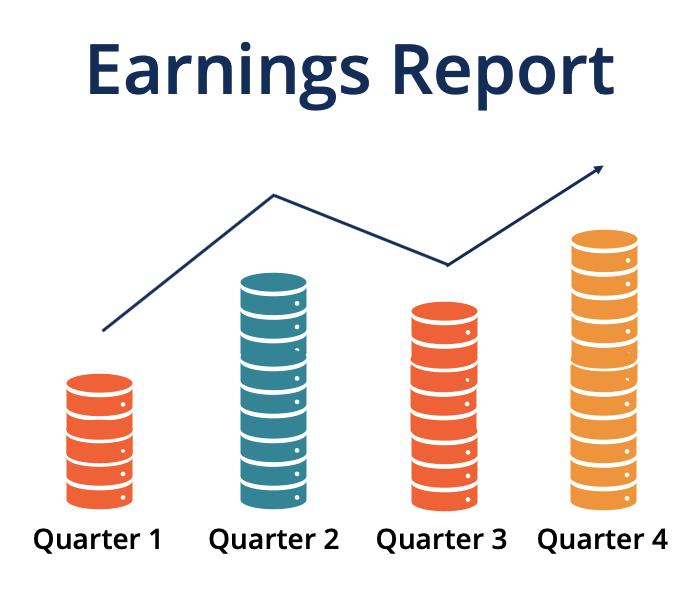
Company earnings play a key role in short-term investment decisions. By reviewing quarterly financial reports, revenue growth, and profit margins, investors can spot short-term opportunities. For instance, when a company reports strong earnings growth again and again, short-term investors may buy the stock hoping the price will rise.
# Example: Calculating the price-to-earnings ratio (P/E ratio) of a company\nearnings_per_share = 5.50\nstock_price = 55.00\npe_ratio = stock_price / earnings_per_share\nprint(\"P/E ratio:\", pe_ratio)\nTechnical Analysis and Stock Price Patterns
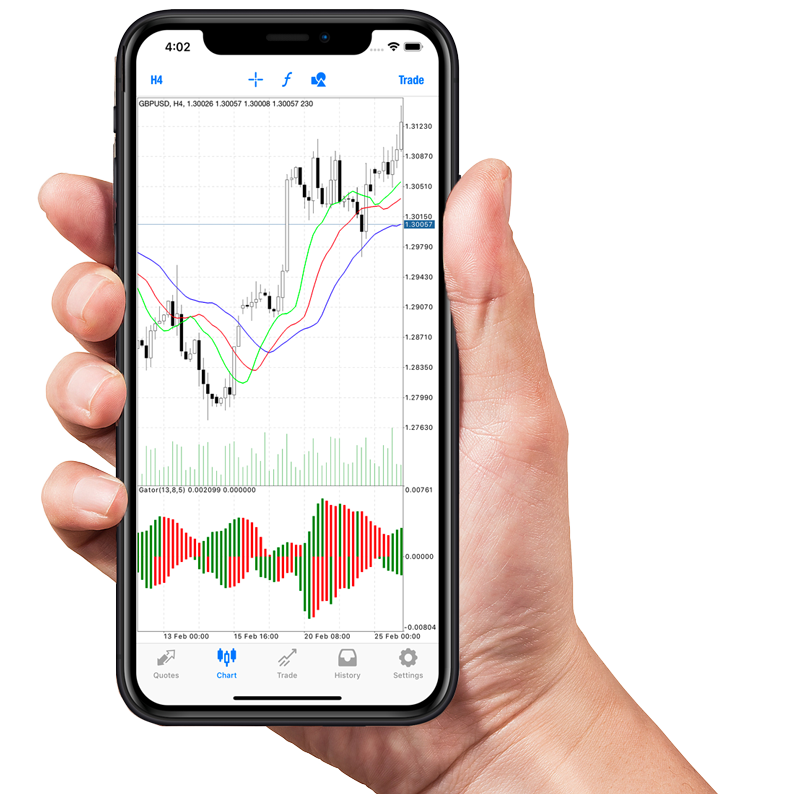
Technical analysis means studying stock price charts, patterns, and trading volumes to predict short-term price moves. Traders use technical analysis tools such as moving averages, the relative strength index (RSI), and Bollinger Bands to find good times to buy or sell. Learning these tools helps short-term investors profit from price changes.
# Example: Using moving averages to identify short-term trends\nstock_prices = [50, 55, 60, 58, 62, 65, 63]\nshort_term_ma = np.mean(stock_prices[-5:])\nlong_term_ma = np.mean(stock_prices[-20:])\nprint(\"Short-term moving average:\", short_term_ma)\nprint(\"Long-term moving average:\", long_term_ma)\nRegulatory Changes and Policy Decisions
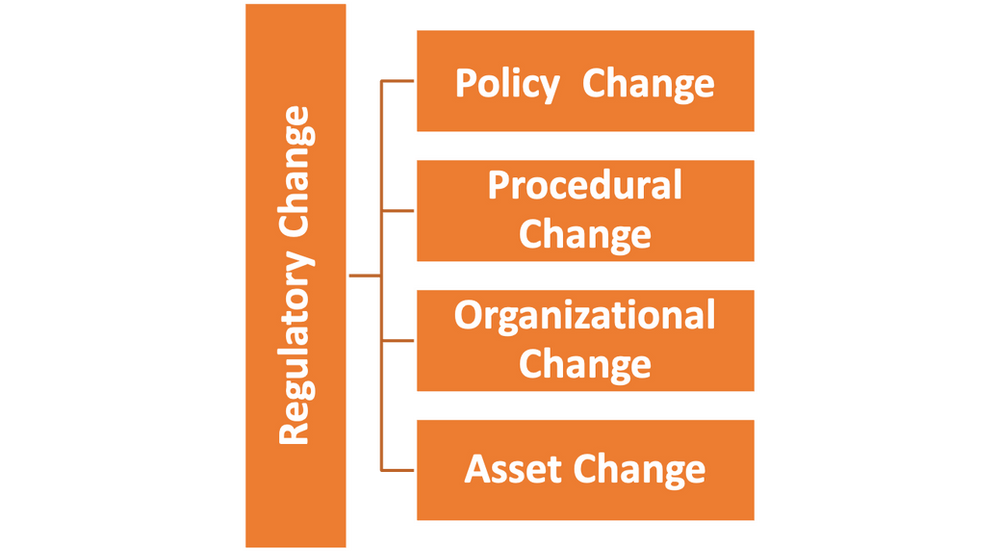
Regulatory changes and government policy decisions can have a big impact on short-term investments in the Indian stock market. Investors should stay updated on tax law changes, interest rate shifts, and foreign investment policies. These factors can influence market sentiment and stock prices. For example, a change in capital gains tax rates may cause short-term investors to rethink their strategies.
# Example: Assessing the impact of a change in tax laws on short-term investment returns\ninitial_investment = 10000\ncapital_gains_tax_rate_old = 15 # Old tax rate\ncapital_gains_tax_rate_new = 20 # New tax rate\ninvestment_return = 5000 # Short-term investment return\ntax_paid_old = investment_return * (capital_gains_tax_rate_old / 100)\ntax_paid_new = investment_return * (capital_gains_tax_rate_new / 100)\nprint(\"Tax paid under old rate:\", tax_paid_old)\nprint(\"Tax paid under new rate:\", tax_paid_new)\nBy keeping these factors in mind and doing careful research, investors can make better decisions about short-term investments in the Indian stock market. The goal is to take advantage of market opportunities while managing risk.
Tips for short-term investors: Stay informed about the latest trends and news in the Indian stock market to spot factors that may affect your investments.
Simple steps to follow:
Follow stock market news: Check trusted sources like Moneycontrol or Bloomberg for daily updates on Indian stock market trends and analysis.
Monitor key economic data: Watch important indicators such as GDP growth, inflation rates, and interest rate changes from the Reserve Bank of India. These can signal how the market may move.
Watch sector-specific news: Pay attention to news about sectors like technology, finance, and energy. Big developments in these areas can affect stock prices.
Read expert analysis: Review reports from financial analysts and investment firms to learn what factors they think will shape short-term market performance.
Use your research to make decisions: Bring all this information together to choose your short-term investments wisely and adjust your plan as needed.

Free Registration for Stock Market Tips ( Advisory Services)
As per the SEBI rules, we will provide our Services only to those clients who have Complete Risk Profile. Fill This Registration Form and
Contact us on
- Whatsapp @ +91 95999 69624
- Call Us @ +91 9650 890 321
for further process.
Risk Profiling is COMPULSORY
Key Factors Affecting Short-Term Investments in the Indian Stock Market
The factors affecting short-term investments in the Indian stock market include market volatility, company earnings reports, technical analysis indicators, regulatory and policy changes, and broader economic data. Short-term investing refers to buying and selling securities within a period of days to a few months, aiming to profit from price movements rather than long-term growth. These factors collectively influence stock price direction, trader sentiment, and the risk-reward profile of short-term positions in Indian equities.
What are the main factors affecting short-term investments in the Indian stock market?
The main factors include market volatility driven by macroeconomic data, quarterly company earnings announcements, technical chart patterns and trading volume, government policy changes such as tax reforms or interest rate adjustments, and global market cues. Each of these elements can trigger rapid price swings that short-term traders must evaluate before entering or exiting positions.
How does market volatility impact short-term trading decisions?
Market volatility, often measured by indicators like standard deviation or the India VIX, directly affects short-term trading decisions by widening price ranges and increasing both potential gains and risks. High volatility periods create more frequent entry and exit opportunities but require stricter risk management through stop-loss orders and position sizing.
What role do company earnings reports play in short-term investments?
Quarterly earnings reports provide a snapshot of a company's financial health, including revenue, profit margins, and earnings per share. A positive earnings surprise often drives short-term price rallies, while a miss can trigger sharp declines, making earnings season a critical period for short-term investors in Indian stocks.
Why is technical analysis important for short-term investing?
Technical analysis helps short-term investors identify entry and exit points by studying price charts, moving averages, the relative strength index (RSI), and other indicators. Unlike fundamental analysis, which focuses on long-term value, technical analysis is designed to capture short-term price patterns and momentum shifts in the Indian stock market.
How do regulatory changes affect short-term stock market investments?
Regulatory changes such as adjustments to securities transaction tax, capital gains tax rates, or foreign portfolio investment rules can alter market sentiment and trading costs. Short-term investors monitor announcements from regulators like SEBI and the Reserve Bank of India to anticipate how policy shifts may influence stock prices and trading volumes.
What economic indicators should short-term investors track?
Short-term investors should track GDP growth data, consumer price index (CPI) inflation, industrial production (IIP) figures, and repo rate decisions from the Reserve Bank of India. These indicators signal the broader economic environment and can cause immediate market reactions that create short-term trading opportunities.
- What factors affect short-term investments in the Indian stock market?
- The key factors include market volatility, company earnings performance, technical analysis patterns, government regulatory changes, and economic indicators such as inflation and GDP growth.
- How does market volatility impact short-term trading decisions?
- Market volatility widens price ranges and increases both potential returns and risks, requiring traders to use stop-loss orders and adjust position sizes accordingly.
- What role do company earnings reports play in short-term investments?
- Quarterly earnings reports influence short-term stock prices significantly, as positive or negative surprises can trigger immediate buying or selling pressure.
- Why is technical analysis important for short-term investing?
- Technical analysis provides tools like moving averages and RSI to identify short-term price trends and optimal entry and exit points in the Indian stock market.
- How do regulatory changes affect short-term stock market investments?
- Changes in tax laws, securities transaction taxes, and foreign investment rules directly impact trading costs and market sentiment, influencing short-term investment strategies.
- What economic indicators should short-term investors track?
- Key indicators include GDP growth, CPI inflation, industrial production data, and RBI repo rate decisions, all of which can trigger immediate market movements.