
Timing Can Be Everything in the Stock Market?

Investing in the stock market can be a roller coaster ride, and when it comes to short-term investments, the ability to time the market right can make all the difference. But how do you navigate the complexities of the market to make profitable short-term investments?
📈 Short-Term Investments

Short-term investments are typically held for less than a year. They are often used by investors looking to make a quick profit or to hedge against market volatility. It’s crucial to understand that these investments can be riskier and require more active management than long-term investments.
Example: Buying shares of a company based on a predicted quarterly earnings beat and selling them right after the earnings announcement.
🔍 Research and Analysis

Before you invest, thorough research and analysis are essential. This includes understanding the company’s fundamentals, recent news, and market trends.
Fundamental Analysis: Look at the company’s financial health, including earnings, revenue, and debt.
Technical Analysis: Analyze statistical trends from trading activity, such as past prices and volume.
Sentiment Analysis: Gauge the mood of the market or opinions about a stock, which can be influenced by news events or social media.
Example: Using chart patterns to identify potential buy or sell signals for a stock.
🚀 Momentum Trading
 Momentum trading involves buying stocks that have had high returns over the past three to twelve months and selling those that have had poor returns over the same period. The idea is to ride the wave of a stock’s current trend.
Identify the Trend: Use technical indicators like moving averages or the Relative Strength Index (RSI).
Entry and Exit Points: Decide in advance at what price you will enter and exit the trade.
Example: Purchasing a stock that has consistently hit new highs over the past few months and selling it when the trend shows signs of reversing.
📊 Swing Trading
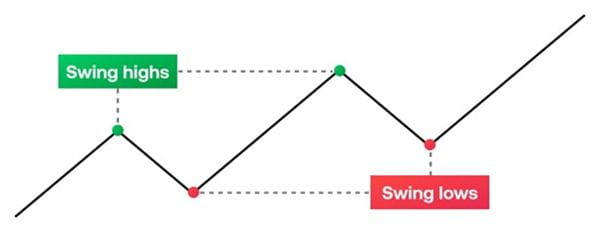
Swing traders take advantage of ‘swings’ in stock prices, holding onto their investments for several days or weeks to capture gains from a potential price move.
Chart Patterns: Look for patterns like triangles, head and shoulders, or flags that can indicate future price movements.
Risk Management: Set stop-loss orders to minimize potential losses.
Example: Buying a stock after it bounces off a support level and selling when it reaches a resistance level.
🔥 Day Trading
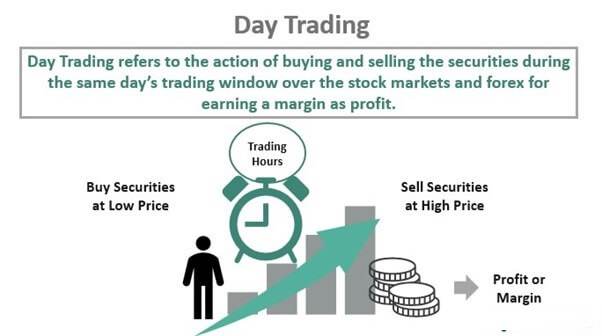
Day trading is the practice of buying and selling stocks within the same trading day. Day traders aim to capitalize on small price movements in highly liquid stocks.
Stay Informed: Keep up with the latest news that could impact stock prices throughout the day.
Technical Analysis Tools: Utilize tools like candlestick charts and volume indicators to make quick decisions.
Example: Buying a stock after a positive news announcement and selling it before the market closes on the same day.
🛑 Stop-Loss and Take-Profit Orders
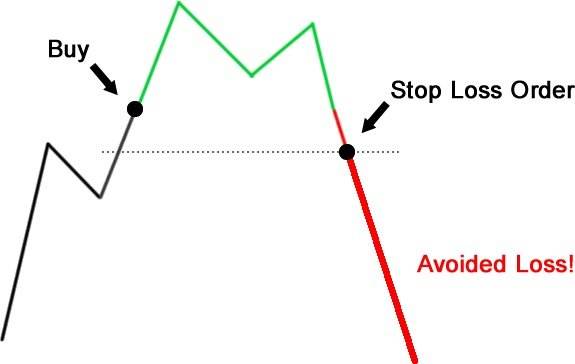
Using stop-loss and take-profit orders can help manage risk and lock in profits.
Stop-Loss Order: An order placed with a broker to sell a security when it reaches a certain price.
Take-Profit Order: An order to sell a security once it reaches a predetermined profit level.
Example: Setting a stop-loss order 10% below the purchase price to limit potential losses.
📚 Continuous Learning
The stock market is dynamic, and continuous learning is key to staying ahead. Keep educating yourself on market trends, investment strategies, and economic indicators.
Stay Updated: Follow financial news and stock market updates.
Practice: Use simulation trading platforms to practice strategies without real money.
Example: Subscribing to financial news outlets and using a stock market simulator to test out trading strategies.
🤝 Diversification

Even in short-term investing, it’s important not to put all your eggs in one basket. Diversifying your portfolio can help spread risk.
Different Sectors: Invest in different industries to reduce sector-specific risk.
Asset Allocation: Balance your investments between stocks, bonds, and other assets.
Example: Investing in both technology and consumer goods stocks to spread risk.
📝
Short-term investing in the stock market requires a proactive approach and the ability to adapt quickly to changing market conditions. By employing these strategies and maintaining a disciplined approach to risk management, you can work towards making profitable trades in a shorter timeframe. Remember, there’s no one-size-fits-all strategy, so it’s important to find the approach that works best for you and your investment goals.