How to Manage Emotions And Maintain Discipline During Trading
Emotions Can Make or Break Your Trading Success?
📈 Impact of Emotions in Trading

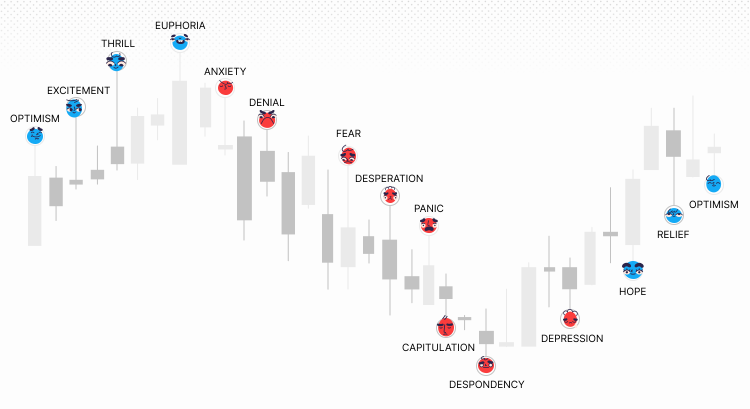
Trading is not just about strategies and numbers; it’s a psychological battle. Fear and greed are the two most powerful emotions that drive market movements. For instance, the dot-com bubble burst in 2000 was largely due to greed, where investors kept pouring money into internet stocks without regard for fundamentals.
🧠 The Psychology Behind Market Trends

Market trends often reflect the collective emotions of traders. A bullish market can signify optimism, while a bearish market may indicate widespread pessimism. The 2008 financial crisis is a prime example, where fear led to a massive sell-off and a subsequent bear market.
Strategies to Manage Your Emotions
🔍 Self-Assessment: Recognizing Your Emotional Triggers
Before you can manage your emotions, you need to recognize them. Keep a trading journal to note when you feel elated, anxious, or fearful and what triggers these emotions.
Example:
Date: April 15
Emotion: Anxiety
Trigger: News about interest rate hikes
Action: Sold stock XYZ prematurely
🧘♂️ Stress Reduction Techniques to Stay Calm
Practicing mindfulness and meditation can help you stay calm during market volatility. Traders who meditate often report better focus and less impulsivity when making decisions.
📚 Educate Yourself: Knowledge as Power

![]()
Understanding the market reduces fear of the unknown. The more you know, the less likely you are to make decisions based on panic or overconfidence.
Discipline: The Key to Consistency
📉 Set Clear Trading Rules and Stick to Them
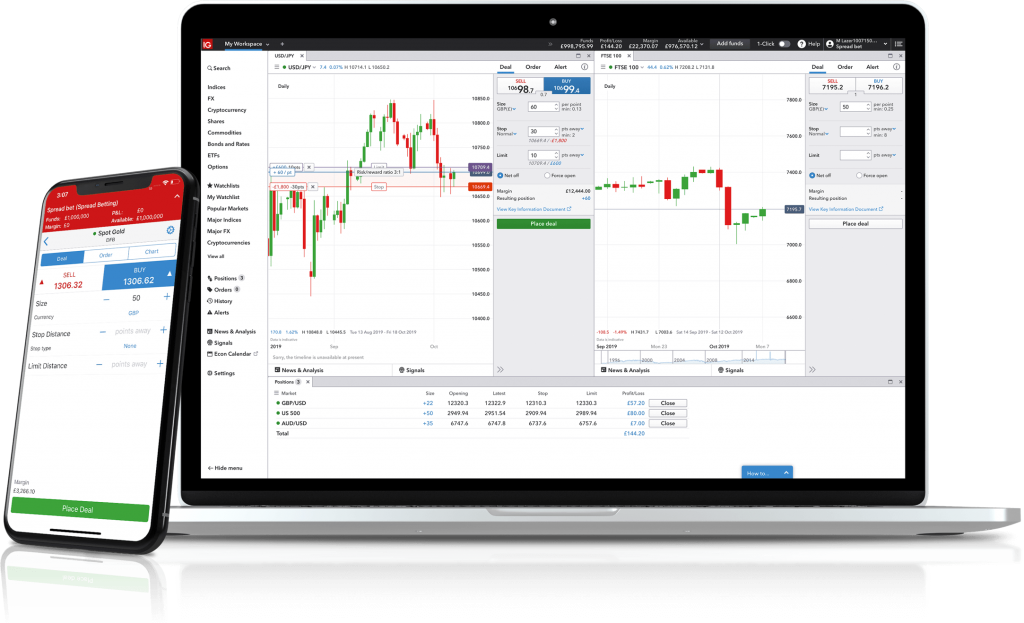
Establish strict entry and exit rules for your trades to avoid emotional decisions. For example, you might set a rule to only buy stocks that are trading above their 200-day moving average.
💡 Use Technology to Your Advantage
Utilize stop-loss orders to automatically sell a security when it reaches a certain price, thus preventing emotional responses from leading to greater losses.
🔄 Develop a Routine
A consistent daily routine can help you maintain discipline. This includes regular market analysis, reviewing your trading plan, and self-reflection.
Real Stories of Emotional Trading
🚀 The Tale of Overconfidence: The Day Trader’s Downfall
A day trader made significant profits on a series of trades and became overconfident. Ignoring his trading plan, he took on excessive risk and ended up losing most of his gains.
🌧️ Fear and Selling: The Investor Who Jumped Ship Too Early
During a market downturn, an investor let fear take over and sold her long-term holdings at a loss. Had she stuck to her investment plan, she would have recovered her losses and made a profit as the market eventually rebounded.
Emotions Are Part of the Game, But Don’t Let Them Play You
Trading is inherently emotional, but by understanding market psychology, educating yourself, and adhering to a disciplined trading plan, you can tilt the odds in your favor. Remember, the market is a reflection of collective human behavior, and by mastering your own emotions, you can better navigate its ebbs and flows.
Short step-by-step plan:
The impact of emotions on trading: Read case studies and research papers on how emotions affect trading decisions. For example, study how fear and greed can lead to impulsive trading and significant financial losses.
Practice mindfulness and self-awareness: Engage in exercises such as meditation and self-reflection to recognize and manage emotional triggers while trading. For instance, keep a trading journal to track emotions during different market situations.
Develop a trading plan and stick to it: Create a detailed trading plan with entry and exit points, risk management strategies, and predefined profit targets. Use real-life examples of successful traders who attribute their consistency to following a structured trading plan.
Utilize risk management techniques: Learn about risk-to-reward ratios, position sizing, and setting stop-loss orders to control emotions related to fear of losing money. Provide examples of how traders who effectively manage risk are better equipped to handle emotional swings in the market.
Seek mentorship or join a trading community: Find a mentor or a community of like-minded traders to discuss emotional challenges and share experiences. Share stories of traders who attributed their success to seeking guidance from experienced mentors.
🍏The best solution, 10/10: The best solution is to combine theoretical understanding with practical exercises to develop emotional discipline in trading. By incorporating real-life examples and case studies, individuals can gain a deeper understanding of market psychology and improve their ability to anticipate market movements.

Free Registration for Stock Market Tips ( Advisory Services)
As per the SEBI rules, we will provide our Services only to those clients who have Complete Risk Profile. Fill This Registration Form and
Contact us on
- Whatsapp @ +91 95999 69624
- Call Us @ +91 82 7799 7560
for further process.
Risk Profiling is COMPULSORY
Stock Market Analysis and Predictions for 2025 Current Market Conditions The stock market is very volatile right now, causing worry among …
Popcorn Tax: Effects the Indian Economy The government of India has recently made the decision to increase the Goods and Services Tax …
Summary of India’s GDP Data Key Data Release An important GDP data release was scheduled post-market closure on November 29. This data …
Nifty Stock Market Analysis by EquityX 25-11-2024 Final Closing Details Nifty Closing Level: 23970 Friday’s Closing Gain: Nifty surged by 557 points. …
The Impact of Liquidity on Intraday Trading Strategies for Maximizing Returns Intraday trading, also known as day trading, involves buying and selling …
Mastering Intraday Equity Trading Top 10 Intraday Trading Tips for Success Intraday equity trading can be an exciting and profitable venture, but …
Strategies for Successful Intraday Equity Trading Intraday trading in the fast-paced world of equity markets can be both thrilling and challenging. With …
The Art of Using Stop-Loss Orders in Intraday Equity Trading Intraday equity trading can be a thrilling and potentially lucrative venture for …
Important Tools for Analyzing Intraday Equity Markets Intraday trading in equity markets can be thrilling and profitable, but it also requires a …
Share Market Tips For Beginners The share market, also known as the stock market, is a crucial component of the global financial …
What Are Macroeconomic And Market-Specific Risks Macro and Market Risks Macroeconomic and market-specific risks can significantly impact the financial performance of businesses …
What Are Risk Management Strategies In Stock Portfolio Risk Management Strategies: In the context of stock portfolio management, risk management refers to the process …
What Are Financial And Business Risks In Stock Investments Interesting Fact: financial and business risks are inherent in stock investments, and understanding …
Risk Assessment Not All Risks Are Equal? When it comes to investing in the Indian stock market, understanding and assessing risk is …
What Are Regulatory And Geopolitical Factors Influencing Stock Investments Regulatory Factors in Stock Investments Regulatory factors play a crucial role in influencing …
What Are Industry Trends And Competitive Positioning Of Companies Industry Trends and Competitive Positioning Analyzing industry trends and competitive positioning is crucial …
Assessing Management Quality And Corporate Governance Practices Interesting Fact: The quality of management and corporate governance practices can significantly impact a company’s …
Qualitative Analysis Companies Have Personalities? Just like people, every company has its own personality, which can be understood through Qualitative Analysis. This type …
What Is Price-To-Book (P/B) Ratio And How It Can Help In Evaluating Stock The Price-to-Book (P/B) Ratio The P/B ratio is a …
The Price-To-Earnings (P/E) Ratio And Its Significance In Stock The price-to-earnings (P/E) ratio and its significance in stock analysis The P/E ratio …
Discounted Cash Flow (DCF) Analysis And Its Application In Stock Valuation Discounted Cash Flow (DCF) Analysis Discounted Cash Flow (DCF) analysis is …
Valuation Techniques True Worth of a Company? Valuing a company is both an art and a science. Investors around the world use …
What are Undervalued And Overvalued Stocks Based On Fundamental Analysis Fundamental Analysis fundamental analysis is a method used to evaluate the intrinsic …
What are Economic Indicators And Their Impact On Stock Prices The stock market is influenced by a wide range of economic indicators? …
Financial Statement Analysis: Balance Sheet, Income Statement, And Cash Flow The balance sheet, income statement, and cash flow statement are the three …
Technical Analysis Indicators To Make Informed Investment Decisions Technical Analysis Indicators Technical analysis indicators are mathematical calculations based on historical price, volume, …
Technical Analysis Tools For Short-Term Stock Market Investment 📈 Candlestick Patterns Candlestick patterns are a crucial part of technical analysis. These patterns provide …
Technical Analysis For Short Term Trading Charts Can Tell Stories? Investing in the stock market is not just about picking stocks at …
What Are The Impact Of Market Trends On Stock Selection Market Trends and Their Impact on Stock Selection Market trends can significantly …