
Trading Strategies
Explore Different Day Trading Strategies Such As Scalping, Momentum Trading, And Swing Trading.
Find the Day Trading Strategy That Fits Your Style

Day trading is not the same for everyone. The most successful traders pick one style and master it. Many focus on intraday trading strategies that match their personality and goals. Here are the main types of day trading strategies and how they work.
Scalping: The Quick-Fire Approach

Scalping is a day trading strategy where traders make dozens or even hundreds of trades in one day. The goal is to capture tiny price movements. These small profits add up over time. Scalpers often use high leverage and make decisions in seconds or minutes.
Key Concepts:
- Bid-Ask Spread: Scalpers often target the spread between the bid and ask price.
- Level 2 Quotes: They use Level 2 quotes to see real-time bid and ask prices.
- Time and Sales: Also known as the “tape,” this is used to watch real-time trade sizes and frequencies.
A scalper might buy 1,000 shares of a stock at $10.00 and sell them at $10.05, making a $50 profit before fees. If they repeat this 20 times throughout the day, that's a $1,000 profit.
Momentum Trading: Riding the Wave
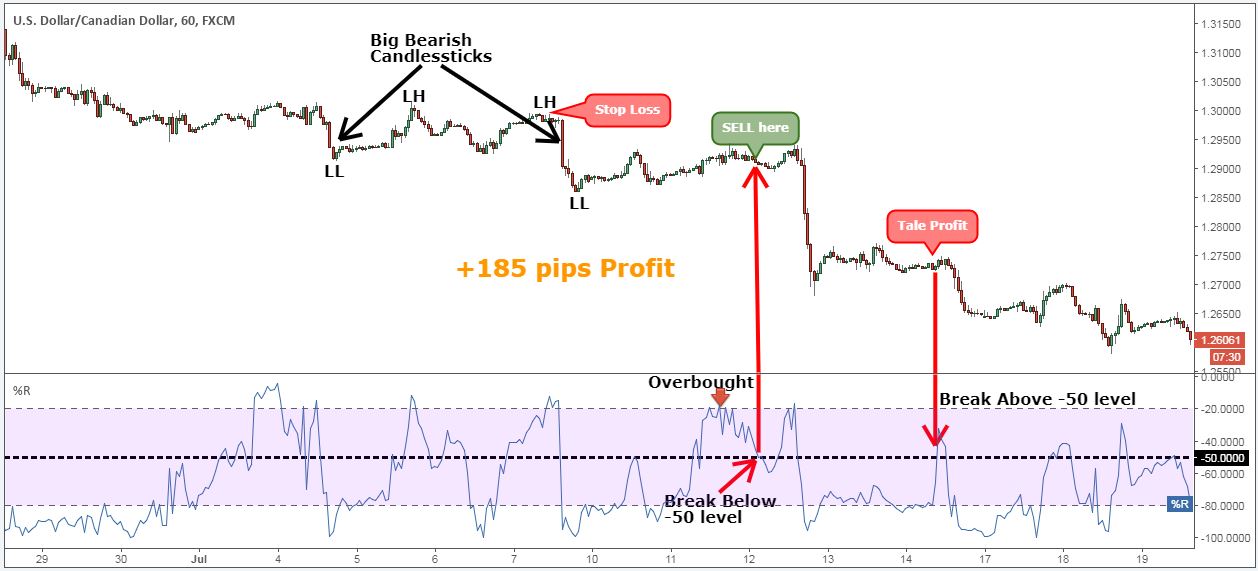
Momentum trading means buying stocks that are moving fast in one direction with high volume. Traders look for strong trends and jump in at the right time. The key is knowing when to enter and when to exit the market.
Key Concepts:
- Volume: A key indicator of momentum; high volume confirms the strength of a move.
- Moving Averages: Used to smooth out price action and identify the trend.
- Relative Strength Index (RSI): An oscillator that measures the speed and change of price movements.
A momentum trader may notice a stock that has broken above its 20-day moving average on increased volume, indicating a strong upward momentum. They might buy the stock at $50 and sell it when it reaches $53, capturing the momentum-driven price increase.
Swing Trading: The Middle Ground
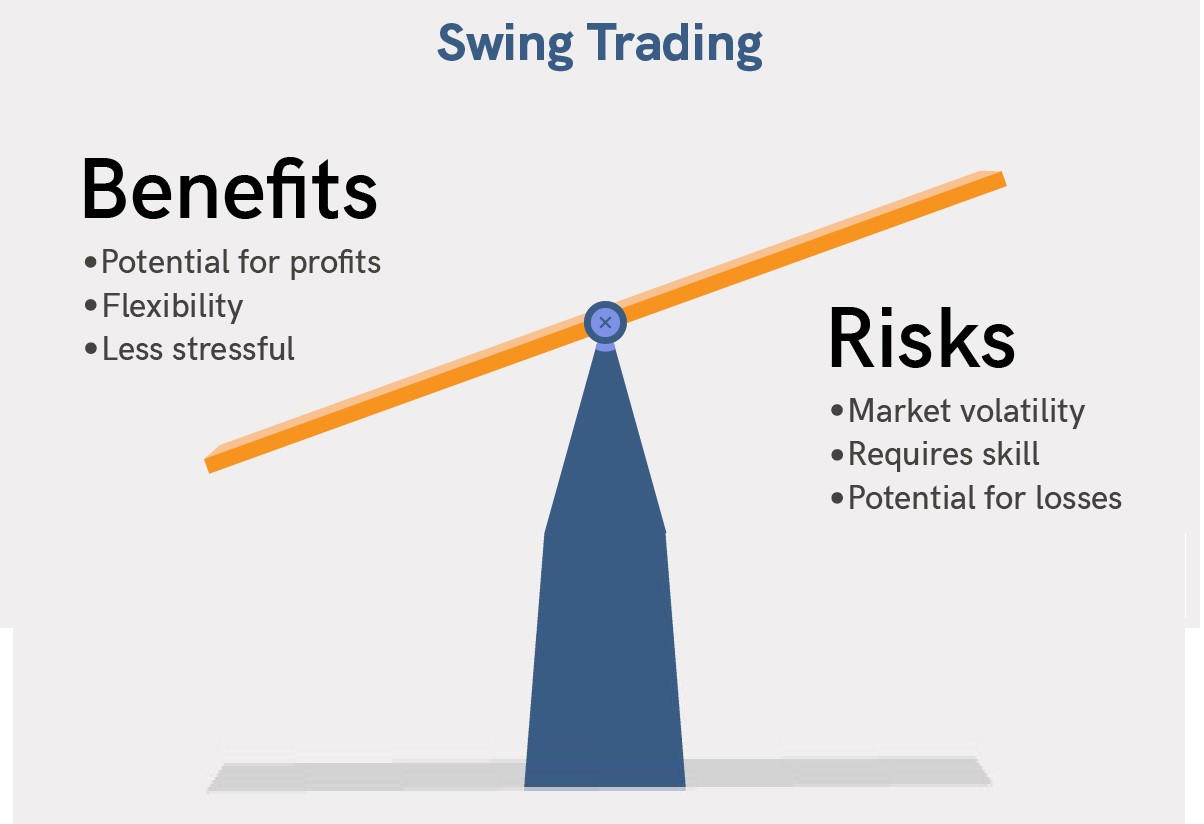
Swing trading techniques involve holding trades for several days. The goal is to profit from expected upward or downward moves. Swing traders use both technical analysis and fundamental analysis to make decisions.
Key Concepts:
- Support and Resistance: Key price levels where the stock historically does not fall below (support) or go above (resistance).
- Chart Patterns: Patterns like triangles, flags, and head and shoulders that can indicate future price movements.
- Fibonacci Retracements: A tool used to identify potential reversal levels.
A swing trader might identify a stock that has retreated to a significant Fibonacci retracement level and is showing signs of bouncing back. They could buy at $30, setting a target price of $35 and a stop-loss at $28.
Key Concepts Every Day Trader Should Know
How to Manage Risk While Day Trading
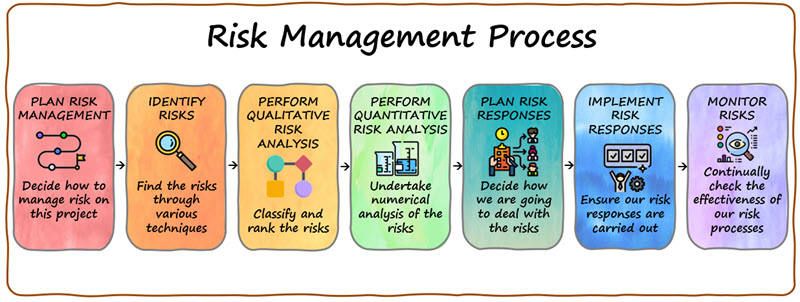
Risk management is essential in day trading. Know how much risk you can handle. Always use stop-loss orders to limit your losses.
Key Concepts:
- Risk-Reward Ratio: The potential reward of a trade compared to its potential risk.
- Position Sizing: Determining the amount of capital to allocate to a trade based on risk tolerance.
A trader using a risk-reward ratio of 1:3 might risk $1,000 to make a potential $3,000, setting a stop-loss order accordingly to limit the loss to $1,000.
Why Trading Psychology Matters for Success
Your mindset plays a big role in day trading. Stay disciplined, control your emotions, and follow your trading plan.
Key Concepts:
- Trading Psychology: The emotional and mental state that affects trading decisions.
- Discipline: The ability to follow a trading plan without letting emotions get in the way.
A disciplined trader will not let a recent string of losses affect their confidence or lead them to deviate from their strategy. They understand that loss is a part of trading and stick to their plan.
Algorithmic and High-Frequency Trading (HFT)
In the realm of advanced day trading, algorithmic and high-frequency trading have become prominent. These strategies use complex algorithms to execute trades at speeds and volumes beyond human capabilities.
Key Concepts:
- Backtesting: Testing a strategy on historical data before using it in live trading.
- Execution Speed: The speed at which trades are executed, which is crucial in HFT.
An algorithmic trader might design a system that automatically buys a stock when its 50-day moving average crosses above its 200-day moving average and sells when it crosses below. This strategy is then backtested to ensure its efficacy before live implementation.
Using day trading strategies well takes practice, discipline, and ongoing learning. Focus on understanding the markets, managing your risk, and sticking to your plan. With time and experience, you can improve your results.

Free Registration for Stock Market Tips ( Advisory Services)
As per the SEBI rules, we will provide our Services only to those clients who have Complete Risk Profile. Fill This Registration Form and
Contact us on
- Whatsapp @ +91 95999 69624
- Call Us @ +91 9650 890 321
for further process.
Risk Profiling is COMPULSORY
Day Trading Strategies Explained: A Complete Overview
Day trading strategies are structured approaches that traders use to buy and sell financial instruments within the same trading day, aiming to profit from short-term price movements. The three primary day trading strategies are scalping, momentum trading, and swing trading, each with distinct timeframes, risk profiles, and skill requirements. Scalping focuses on capturing very small price changes over seconds or minutes, momentum trading follows strong directional moves driven by volume and news, and swing trading holds positions for several days to capture medium-term trends. Choosing the right strategy depends on a trader's available time, risk tolerance, capital size, and psychological makeup.
What is scalping in day trading?
Scalping is a day trading strategy where traders execute dozens or hundreds of trades in a single session to profit from tiny price increments. Scalpers rely on high leverage, narrow bid-ask spreads, and real-time market data such as Level 2 quotes and time-and-sales feeds. Positions are held for seconds to minutes, and success depends on speed, precision, and strict risk management.
What is momentum trading and how does it work?
Momentum trading involves buying assets that are moving strongly in one direction on high volume and selling them when the momentum shows signs of weakening. Traders identify momentum using indicators such as moving averages, the Relative Strength Index (RSI), and volume spikes. The goal is to enter during the acceleration phase and exit before the trend reverses.
What is swing trading and how is it different from day trading?
Swing trading is a strategy that holds positions for several days to several weeks, capturing price swings within a larger trend. Unlike day trading, swing traders do not close all positions by the end of the day and are exposed to overnight market risk. Swing trading typically requires less screen time and is suitable for traders who cannot monitor markets continuously.
How do I choose the right day trading strategy for me?
Your choice of day trading strategy should match your personality, risk tolerance, time commitment, and account size. Scalping requires fast decision-making and constant attention. Momentum trading suits traders who can spot trends and act quickly during high-volatility periods. Swing trading works well for those who prefer a more measured approach and can hold positions overnight.
What risk management techniques apply to all day trading strategies?
Every day trading strategy requires stop-loss orders to cap downside risk, proper position sizing based on account equity, and a defined risk-reward ratio for each trade. No strategy is profitable without consistent risk management, and traders should never risk more than a small percentage of their capital on a single trade.
Can beginners use these day trading strategies?
Beginners can use these day trading strategies, but they should start with a demo account or very small capital to gain experience. Swing trading is often more beginner-friendly because it offers more time to analyze trades, while scalping is generally considered the most challenging due to its speed and execution demands.
- What is the difference between scalping and momentum trading?
- Scalping targets very small price movements over seconds or minutes with many trades, while momentum trading follows stronger directional moves over minutes to hours with fewer trades. Scalping relies on speed and high trade frequency, whereas momentum trading depends on identifying trend strength and volume confirmation.
- How many trades do scalpers make in a day?
- A scalper can make anywhere from dozens to hundreds of trades in a single day, depending on market conditions and the asset being traded. The high trade volume is designed to accumulate many small profits that add up over the session.
- What indicators do momentum traders use?
- Momentum traders commonly use the Relative Strength Index (RSI), moving averages, volume indicators, and the Moving Average Convergence Divergence (MACD) to identify entry and exit points. These indicators help confirm the strength and sustainability of a price move.
- Is swing trading considered day trading?
- Swing trading is related to day trading but is not the same. Day trading closes all positions by the end of the trading day, while swing trading holds positions overnight or for several days. Both strategies aim to profit from short-to-medium-term price movements.
- What is the best day trading strategy for a small account?
- Scalping can work with a small account because it targets small profits per trade, but the high frequency and transaction costs can erode capital. Many traders with small accounts prefer momentum trading or swing trading to reduce commission costs and allow for more deliberate trade planning.
- How do I manage risk while day trading?
- Use stop-loss orders on every trade, limit position size to 1-2% of your account per trade, and maintain a positive risk-reward ratio such as 1:2 or 1:3. Consistent risk management is more important for long-term profitability than any single winning trade.