


Common Psychological Biases in Trading and How They Affect You
🧠 Overconfidence Bias

- Definition: Believing that you’re better than others at predicting market movements.
- Example: A trader might consistently overestimate their ability to pick winning stocks, ignoring statistical evidence.
- Real Story: John, an experienced trader, ignored warning signs of a market downturn because he believed his intuition was superior, leading to significant losses.
📈 Confirmation Bias
- Definition: Seeking information that confirms your existing beliefs and ignoring contradictory evidence.
- Example: Cherry-picking news that supports your stock investment while overlooking negative reports.
- Real Story: Sarah held onto a losing investment because she focused only on positive analysis, missing out on the broader consensus that the stock was overvalued.
💸 Loss Aversion Bias

- Definition: The fear of losses feels stronger than the satisfaction of gains.
- Example: A trader might sell a winning stock too early to ‘lock in’ gains, but hold onto losing stocks, hoping they’ll rebound.
- Real Story: Mike sold his shares in a tech company after a small gain, missing out on a subsequent rally, but held onto a declining retail stock, leading to greater losses.
🔮 Hindsight Bias
- Definition: Believing after the fact that an event was predictable, even when it wasn’t.
- Example: After a stock crashes, claiming you knew it was going to happen all along.
- Real Story: After the 2008 financial crisis, many traders claimed they saw it coming, yet few had taken measures to protect their portfolios.
🌀 Herd Mentality Bias

- Definition: Following the crowd, often leading to bubbles or crashes.
- Example: Buying a stock simply because everyone else is, without analyzing its fundamental value.
- Real Story: During the dot-com bubble, countless investors bought into tech startups with no profits, leading to a massive market crash.
⏰ Recency Bias

- Definition: Overemphasizing recent events when making trading decisions.
- Example: Assuming that because a stock has performed well in recent weeks, it will continue to do so.
- Real Story: Emma bought shares in a company that had just reported great quarterly results, not realizing that the success was due to a one-time event.
🧩 Anchoring Bias
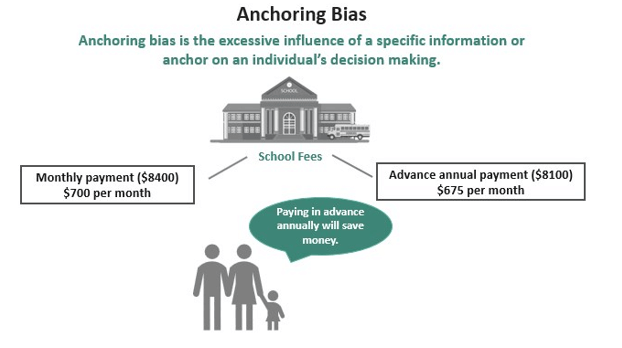
- Definition: Relying too heavily on the first piece of information you receive.
- Example: Fixating on the initial purchase price of a stock, affecting your decision to sell or hold.
- Real Story: Tom refused to sell a stock that had fallen 30% below its purchase price, waiting for it to ‘bounce back’ to the price he first saw.
🌐 Bandwagon Effect
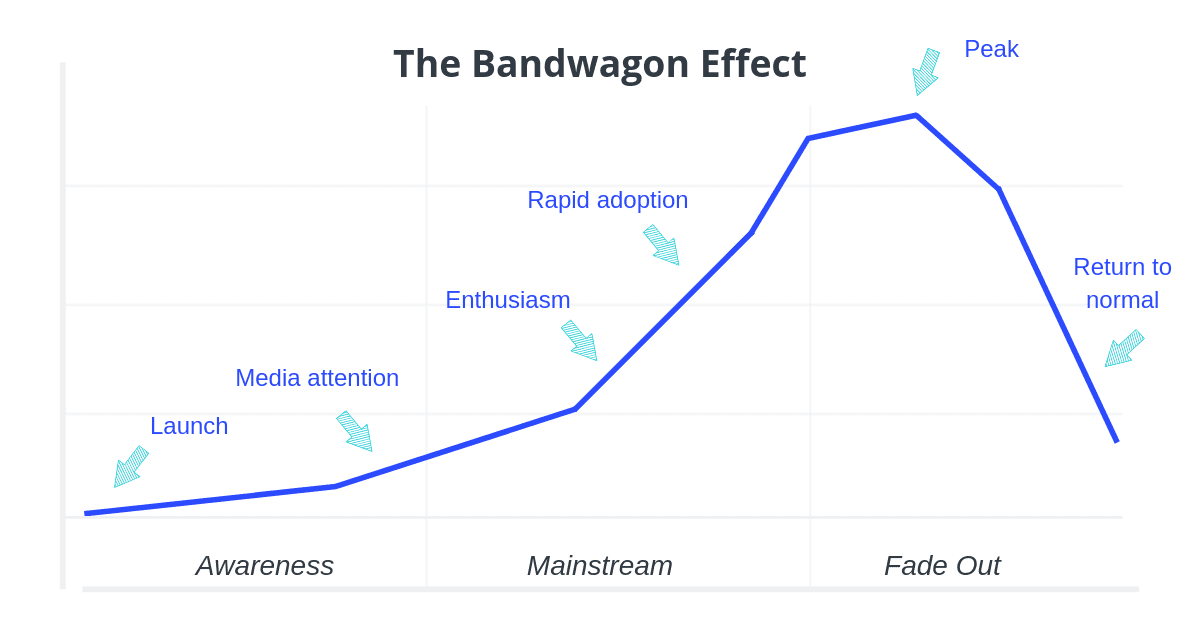
- Definition: Similar to herd mentality, but specifically refers to the tendency to do something because many other people do the same.
- Example: Entering a trade because it’s a popular topic on social media or in the news.
- Real Story: Linda invested in cryptocurrency simply because her friends were all talking about it, not understanding the risks involved.
🔁 Disposition Effect
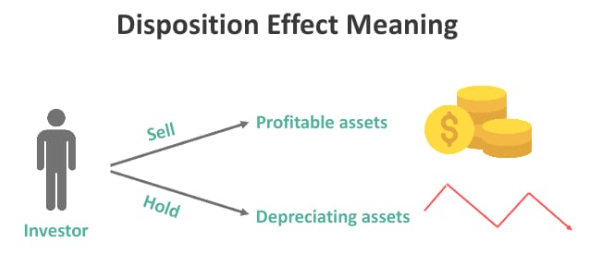
- Definition: The tendency to sell assets that have increased in value, but keep assets that have dropped in value.
- Example: Holding onto losing stocks in the hope they will return to their buying price, while quickly taking profits on winners.
- Real Story: George consistently sold stocks after small gains but held onto declining stocks, leading to an overall poor portfolio performance.
👓 Availability Heuristic
- Definition: Overestimating the likelihood of events based on their availability in memory.
- Example: Fearing a market crash because a recent crash is easily recalled.
- Real Story: After a news report on a market downturn, Julie decided to sell her stocks, fearing a repeat, even though market conditions were different.
🔄 Gambler’s Fallacy

- Definition: Believing that past random events affect the likelihood of future random events.
- Example: Thinking a coin is ‘due’ to land on heads after several tails in a row.
- Real Story: Roger believed that because a stock had fallen for five days straight, it was due for a rise, ignoring underlying issues causing the decline.
🧮 Mental Accounting
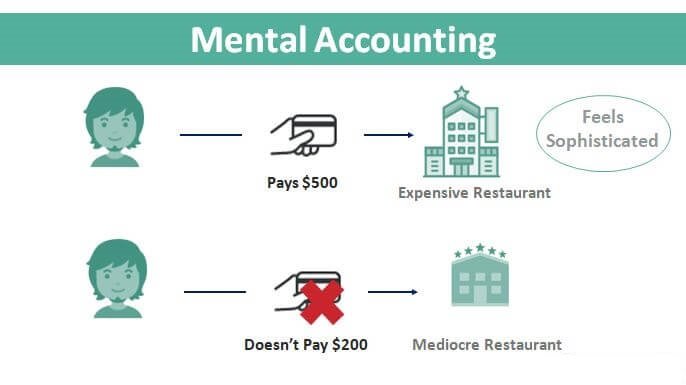
- Definition: Treating money differently depending on its source or intended use.
- Example: Risking ‘found money’ like a tax refund in riskier investments than you would with your regular income.
- Real Story: After receiving a bonus, Emily treated it as ‘free money’ and made high-risk trades, which she normally wouldn’t do with her salary.
🎭 Optimism/Pessimism Bias
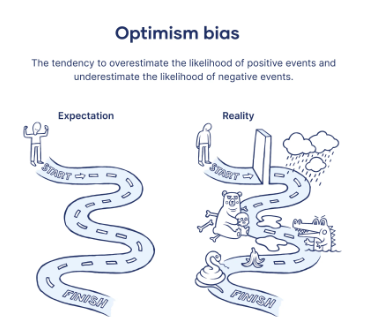
- Definition: The tendency to overestimate the likelihood of positive/negative outcomes.
- Example: Being overly optimistic about a startup’s future, ignoring the high failure rate of new companies.
- Real Story: Bob invested heavily in a new tech firm, convinced it would succeed, only to lose his investment when the company went bankrupt.
Spotting these biases can help you make better trading choices. Take time to think about your decisions and notice if a bias is affecting you. Practicing maintaining discipline while trading is important for long-term success.
Simple step-by-step plan:
Learn about common trading biases:
- Know the main biases like confirmation bias, overconfidence, and loss aversion.
- For example, confirmation bias means you look for news that supports your stock choice and ignore news that does not.
See how biases affect real trades:
- Overconfidence can lead to risky trades. Loss aversion can make you hold losing stocks too long.
- Learn more about the emotional impact on trading to understand your own patterns.
Connect biases to market trends:
- When many traders feel fear, markets can drop even more. Spotting this can help you make better choices.
- Using good risk management strategies can help protect your portfolio.
🍏A useful approach: Learn about trading biases through clear examples and real stories. Understanding market psychology can help you spot trends. Follow trusted stock market trading tips and get expert share market guidance to improve your results. Remember that avoiding day trading mistakes can help you trade more steadily.