


What are the Securities Ban in F&O and its effect on Indian Stock market?
Securities Ban in F&O refers to the temporary suspension of trading in specific securities in the Futures and Options (F&O) segment of the stock market. This ban is imposed by market regulators, such as the Securities and Exchange Board of India (SEBI), to maintain market integrity and protect investors’ interests. The ban is usually imposed when there is excessive speculation or manipulation in a particular security, which can lead to volatility and potential market risks.
The Concept of Securities Ban in F&O
Securities Ban in F&O is a regulatory measure that aims to control excessive speculation and manipulation in the stock market. When a security is banned, it means that investors and traders are not allowed to take new positions or trade in that particular security in the F&O segment. However, existing positions can be squared off or settled.

There are two types of securities ban in F&O: outright ban and ban on fresh positions.
In an outright ban, all trading in the security stops. You cannot open or close positions. This ban is used when there are serious concerns about stock market fundamentals or when fraud is suspected.
A ban on fresh positions is different. Traders cannot start new positions, but they can close existing ones. This ban happens when there is too much speculation or manipulation. The security’s basic health is not in danger.
Factors Leading to Securities Ban in F&O
There are several reasons why Securities Ban in F&O may be imposed. One of the main reasons is excessive speculation or manipulation in a particular security. This can lead to volatility and potential market risks, which can harm investors and traders. By imposing a ban, regulators can investigate the irregularities and take necessary actions to restore market integrity.
Another reason for a securities ban in F&O is regulatory factors affecting markets, like breaking rules or guidelines. If a security does not meet listing rules or has weak financial health, regulators may impose a ban to protect investors.
The impact of a ban can be serious. Traders with open positions in the banned security may face losses if they cannot close them before the ban starts. This can cause financial stress and lower trust in the market. Investors may also find it hard to exit their positions, which can lead to losses.

Impact of Securities Ban on Indian Stock Market

A securities ban in F&O can have a big impact on the Indian stock market structure. One early effect is on market indices like the Nifty and Sensex. When a security is banned, its weight in the index is reduced or removed. This can cause the index to drop as investors react and adjust their portfolios.
A ban can also affect market liquidity. When trading in a security is stopped or limited, it becomes hard to buy or sell that stock. This may reduce overall market liquidity, as traders become cautious with other stocks too.
Effects of Securities Ban on Investors and Traders
A securities ban in F&O affects different investors in different ways. Retail investors – individual traders with limited resources – may be hit harder. They often lack quick access to information and may not exit positions in time, leading to losses.
Institutional investors who track FII and DII trading patterns usually have more tools and experts to handle a ban. They use research reports and market data to make informed decisions. But even they can be affected, as a ban can disrupt their strategies and portfolios.

Analysis of Securities Ban in F&O on Market Volatility

There is a strong link between a securities ban in F&O and market volatility. A ban creates uncertainty and fear. This can lead to more volatility as investors react and adjust their trades.
The ban can also affect market sentiment. Among the reasons markets drop, if investors see the ban as a bad sign, they may sell other stocks too. This can cause a wider market decline. But if they see the ban as a positive move to protect the market, it can build trust and calm the market.
Strategies to Cope with Securities Ban in F&O
Both investors and traders can adopt certain strategies to cope with Securities Ban in F&O. For investors, it is important to diversify their portfolios and not rely heavily on a single security. This can help mitigate the impact of a ban on a particular security. Investors should also stay updated with regulatory announcements and market news to make informed decisions.
Traders can use certain strategies during a ban. They can focus on stocks that are not banned and adjust their short selling strategies. Traders should also watch market trends and technical signs to find new opportunities.
Market regulators play a key role too. They should communicate clearly and quickly about the ban. Regulators should also guide and support market participants, especially retail investors, to help them get through the ban.

Role of Regulators in Securities Ban in F&O
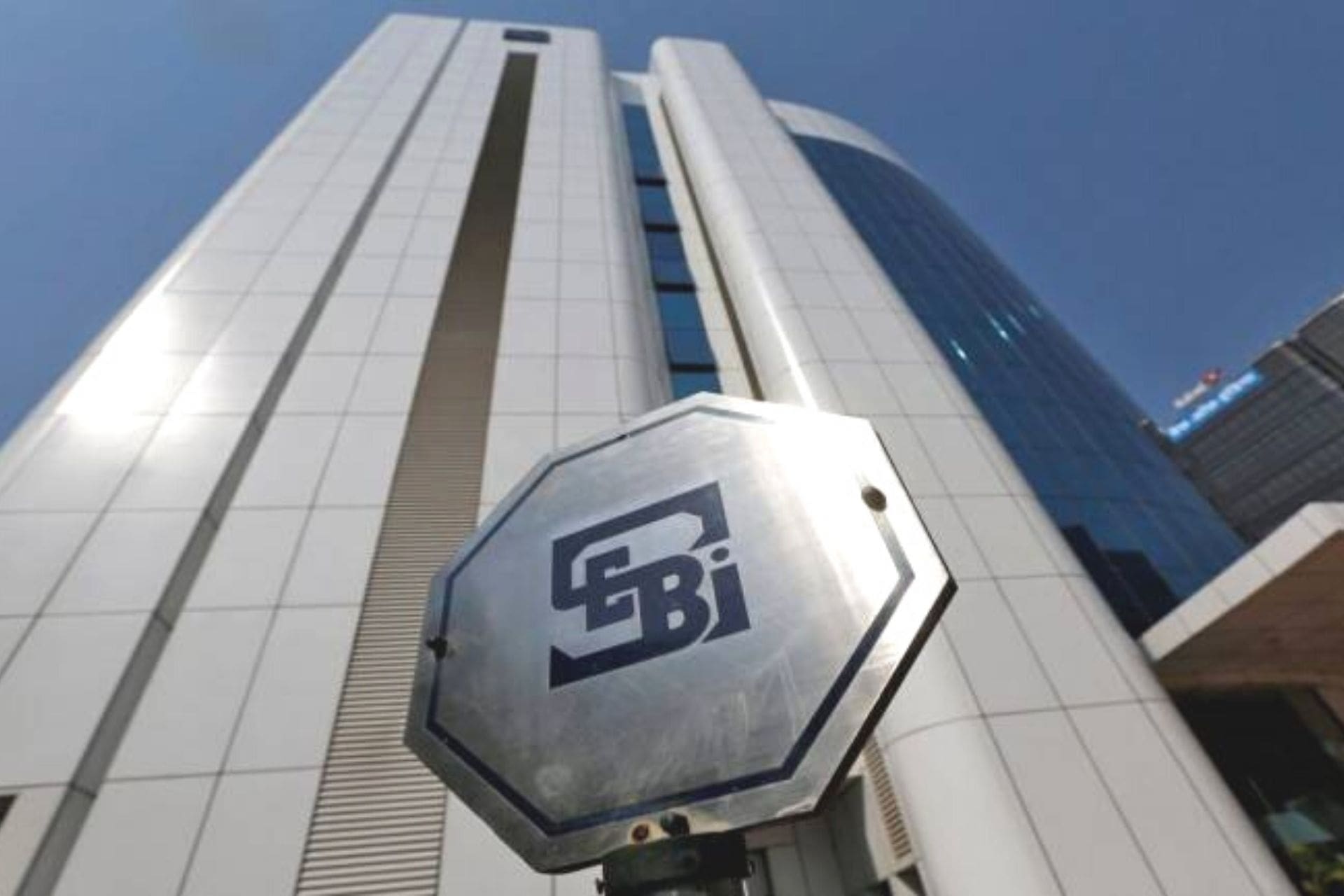
SEBI, the main regulator of the Indian stock market, plays a key role in imposing and lifting securities ban in F&O. SEBI works to keep the market fair and protect investors. It watches market activity closely and takes action to stop too much speculation or manipulation.
Other regulators, like stock exchanges and clearing corporations, also help enforce securities bans. They make sure trading is fair and transparent, and that everyone follows the rules.
Comparison of Securities Ban in F&O with Other Regulations
A securities ban in F&O is one of several regulatory tools. Others include circuit filters and margin requirements. Circuit filters are price limits that prevent a stock from moving too much in a single day. This helps control speculation.
Margin requirements are the minimum funds or shares traders must keep with their broker to trade in F&O. Margins help make sure traders can cover potential losses and reduce the risk of default.

Future Implications of Securities Ban in F&O on Indian Stock Market

The future of securities bans in F&O in the Indian stock market is unclear. But regulators will likely keep using bans when needed to protect the market and investors. Bans may become more specific, targeting stocks that pose big risks or break the rules.
For market participants, this means being more careful and managing risk better. Investors and traders may become more selective and use strategies to reduce risk. Regulators may also create new rules to prevent too much speculation and manipulation.
FAQs ( Frequently Asked Questions)
What is Securities Ban in F&O?
Securities Ban in F&O refers to the prohibition of trading in certain securities in the Futures and Options (F&O) segment of the stock market. This ban is imposed by the Securities and Exchange Board of India (SEBI) to prevent excessive speculation and manipulation in the market.
What are the reasons for imposing Securities Ban in F&O?
The Securities Ban in F&O is imposed to prevent excessive speculation and manipulation in the market. It is also imposed to protect the interests of retail investors and to maintain the integrity of the market.
What is the effect of Securities Ban in F&O on the Indian Stock market?
The Securities Ban in F&O can have a significant impact on the Indian Stock market. It can lead to a decrease in trading volumes and liquidity in the affected securities. It can also lead to a decrease in the overall market sentiment and can affect the performance of related sectors.
How long does the Securities Ban in F&O last?
The duration of the Securities Ban in F&O is decided by SEBI and can vary depending on the severity of the situation. The ban can be lifted once the market conditions improve and the concerns of excessive speculation and manipulation are addressed.
What are the alternatives to trading in securities under Securities Ban in F&O?
Investors can consider trading in other securities that are not under the Securities Ban in F&O. They can also consider investing in other asset classes such as mutual funds, bonds, and commodities.
A securities ban in F&O is an important tool that helps keep the market fair and protects investors. It is used when there is too much speculation or manipulation in a stock. The ban can affect market indices, liquidity, and traders. But with smart strategies, professional market advisory services, and support from regulators, investors and traders can manage through the ban and keep trading.

Free Registration for Stock Market Tips ( Advisory Services)


As per the SEBI rules, we will provide our Services only to those clients who have Complete Risk Profile. Fill This Registration Form and
Contact us on
- Whatsapp @ +91 95999 69624
- Call Us @ +91 9650 890 321
for further process.