


What is Swing Trading ?
Swing trading has become increasingly popular among traders in recent years. This trading style offers a unique approach to the financial markets, allowing traders to take advantage of short-term price movements and capture profits within a relatively short period of time. In this article, we will explore the basics of swing trading, its advantages over other trading styles, the role of technical analysis, how to identify the best stocks for swing trading, the importance of risk management, common strategies used in swing trading, the difference between swing trading and day trading, how to develop a successful swing trading plan, tips for beginners, and real-life examples of successful swing trading strategies.
The Basics of Swing Trading

Swing trading is a trading style where you hold stocks or other assets for a few days to a few weeks. The goal is to profit from short-term price swings. Unlike day trading, you do not need to watch the market all day or close your trades by the end of the day.
Swing traders look for shorter-term trends inside bigger market trends. They enter a trade when they believe a stock is about to make a move in one direction. They exit after capturing part of that move.
The Advantages of Swing Trading Over Other Trading Styles
There are several advantages to swing trading compared to other trading styles. One advantage is the flexibility it offers in holding positions. Unlike day traders who need to close out all their positions by the end of the day, swing traders can hold their positions for several days or even weeks. This allows them to take advantage of longer-term trends and potentially capture larger profits.
Swing trading is often less stressful than day trading. Day traders must watch the market constantly and make fast decisions. That can be exhausting. Swing traders have more time to study the market and make careful choices.
Swing trading also gives you the chance to see returns in a shorter time compared to long-term investing. Long-term investors wait years for the market to rise. Swing traders aim to catch shorter price moves over days or weeks.

The Role of Technical Analysis in Swing Trading
When it comes to swing trading, selecting the right stocks is crucial. Swing traders look for stocks that have a history of volatility and liquidity, as these are more likely to experience significant price movements within a short period of time.

Technical analysis plays a key role in swing trading. It means studying past price and volume data to find patterns that can help predict future price moves. Swing traders use technical analysis for short term trades to decide when to enter and exit, and where to set stop-loss orders and profit targets.
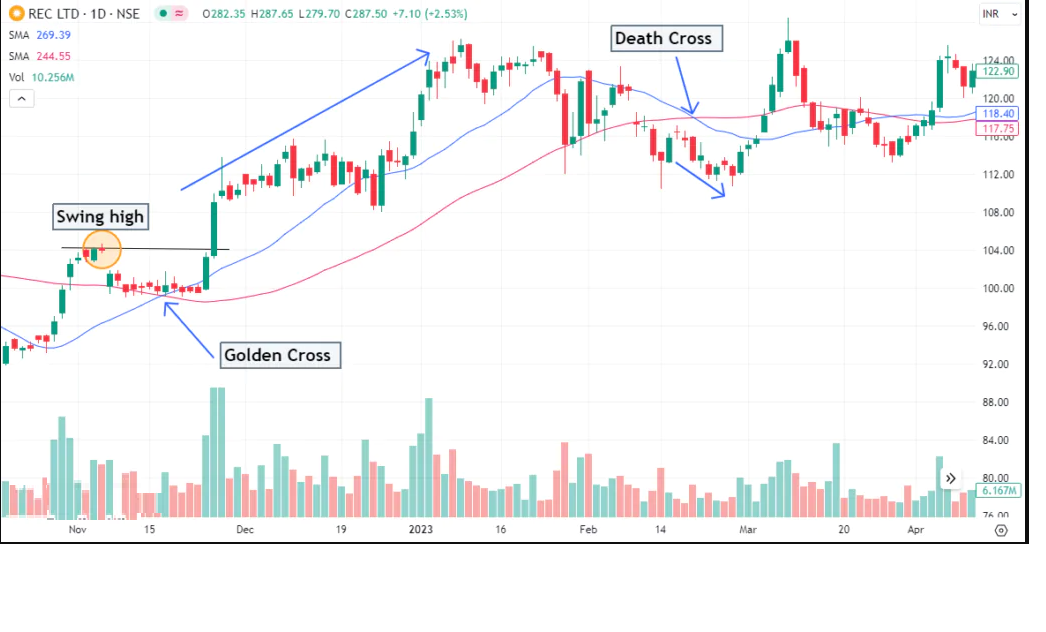
Swing traders often use popular technical indicators. Moving averages help spot trends and support or resistance levels. The Relative Strength Index (RSI) measures whether a stock is overbought or oversold. Bollinger Bands show price volatility and possible reversal points.
Identifying the Best Stocks for Swing Trading
The Reserve Bank of India (RBI) is the central bank of India and plays a crucial role in shaping the country's monetary policy. The RBI's policy decisions have a significant impact on the financial markets, including the stock market, bond market, and currency market.
Besides volatility and liquidity, swing traders look at other factors when choosing stocks. These include the stock’s overall trend, how its sector is performing, short term equity recommendations, upcoming news or events that may affect the stock, and how the stock moves compared to the broader market.
Many tools can help swing traders analyze stocks. Stock screeners let you filter stocks by price, volume, and volatility. Technical analysis software helps you study past price data and spot trading signals.
The Impact of RBI Policy on Trading
The Reserve Bank of India (RBI) is the central bank of India and plays a crucial role in shaping the country's monetary policy. The RBI's policy decisions have a significant impact on the financial markets, including the stock market, bond market, and currency market.

When the RBI (Reserve Bank of India) announces its policy decisions, traders watch closely. These decisions affect interest rates and the overall economic direction. If the RBI raises rates, borrowing and spending may slow, which can lower stock prices. If the RBI cuts rates, it can help the economy grow and push stock prices up.
Swing traders can use various trading strategies during RBI announcements. Some take positions before the announcement based on their analysis. Others wait for the news and react to how the market moves. Staying updated with the latest news and analysis before these events helps traders make better decisions.
The Importance of Risk Management in Swing Trading
Risk management is a crucial aspect of swing trading. While swing trading can be profitable, it also involves a certain level of risk. It is important for swing traders to understand and manage this risk in order to protect their capital and minimize potential losses.
One way of managing trading risks in swing trading is by using stop-loss orders. A stop-loss order tells your broker to sell a stock if it drops to a certain price. This helps limit your losses if the trade does not go as planned.
Another way to manage risk is to diversify your portfolio. Do not put all your money into one trade. Spread your risk across several stocks or other assets. That way, one bad trade will not hurt your whole account.

Common Strategies Used in Swing Trading
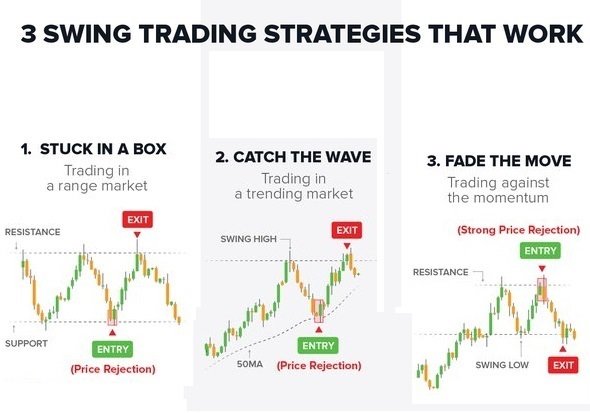
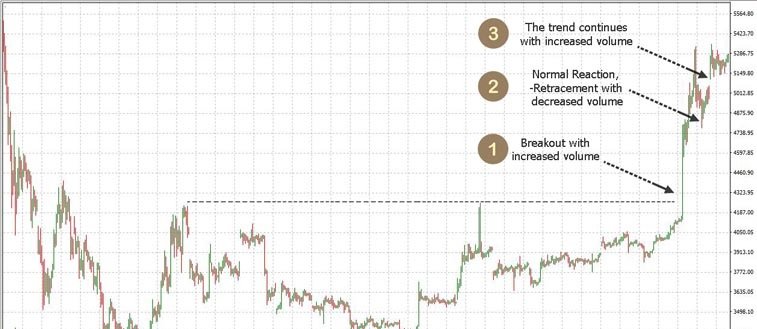
There are several common strategies used in swing trading. One strategy is breakout trading, which involves entering a trade when a stock breaks out of a defined range or pattern. This strategy aims to capture the momentum of the breakout and ride the stock's price movement until it shows signs of reversal.
Trend following is one of the momentum trading strategies used in swing trading. Trend followers buy stocks in an uptrend and sell (or short) stocks in a downtrend. They exit when the trend shows signs of reversing.
Counter-trend trading is another swing trading strategy. It means trading against the current trend, expecting the price to reverse. Counter-trend traders look for signs that a trend is weakening or for reversal patterns to enter their trades.
Swing Trading vs. Day Trading: What's the Difference?
Swing trading and day trading are both short-term trading styles, but they work differently. Day traders buy and sell stocks within the same day. They aim to profit from small price moves. They close all positions by the end of the day and do not hold anything overnight.
Swing traders hold positions for a few days to a few weeks. They look for short-term price moves within bigger trends. Swing traders have more time to study the market and make careful decisions compared to day traders.

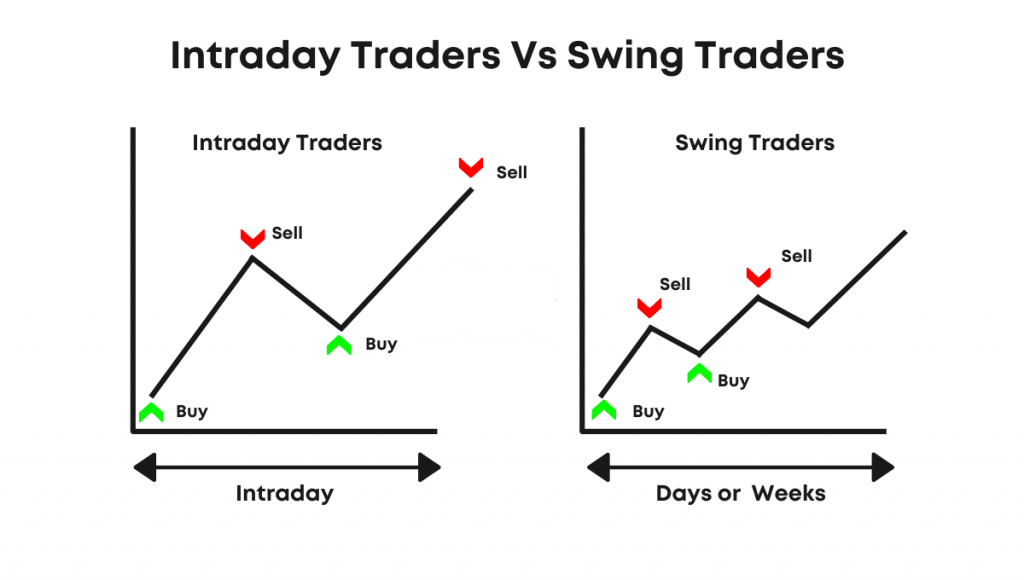
Swing trading is usually less stressful than day trading. Day traders must watch the market all day and make quick choices, which can be tiring. Swing traders have more time to study and decide.
Swing trading also gives you more flexibility. Day traders must close all trades by the end of the day. Swing traders can hold trades for days or weeks. This lets them benefit from longer trends and potentially capture larger profits.
How to Develop a Successful Swing Trading Plan
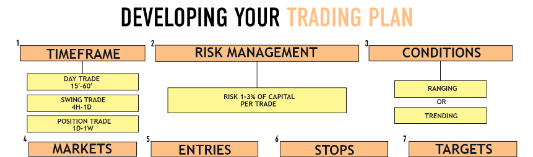
Developing a successful swing trading plan is crucial for long-term success in swing trading. A trading plan helps you stay disciplined and focused, and provides a framework for making informed trading decisions. Here are some steps to help you develop a successful swing trading plan:
Set Clear Trading Goals and Objectives
Determine what you want to achieve with your swing trading activities. Set realistic goals and objectives that align with your risk tolerance and financial situation.

Build a Swing Trading Plan
Positional trading plans should outline your entry and exit rules, risk management strategies, and how you will execute trades. They should also include guidelines for tracking and reviewing your trades.
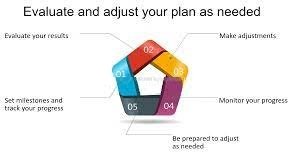
Review and Adjust Your Trading Plan
Regularly review and evaluate your trading plan to ensure it is still effective. Make adjustments as necessary based on your trading results and market conditions.
Tips for Beginners to Get Started with Swing Trading
If you are new to swing trading, here are some tips to help you get started:
Start with a Small Trading Account
It is recommended to start with a small trading account when you are just starting out. This allows you to gain experience and learn from your mistakes without risking a significant amount of capital.

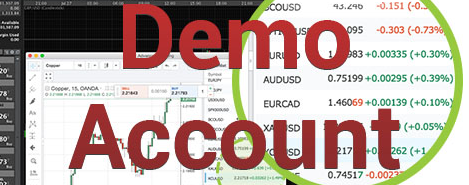
Practice Swing Trading with a Demo Account
Before risking real money, practice swing trading with a demo account. This allows you to familiarize yourself with the trading platform and test your strategies in a risk-free environment.
Learn from Successful Swing Traders
Take advantage of the wealth of knowledge and experience available from experienced swing traders. Read books, attend webinars, and join online communities to learn practical trading tips from others who have been successful in swing trading.

Real-Life Examples of Successful Swing Trading Strategies
To illustrate the effectiveness of swing trading strategies, let's look at some real-life examples of successful swing traders and their strategies:
Jesse Livermore: A Legendary Swing Trader
Jesse Livermore was one of the most successful swing traders in history. He used technical analysis and market psychology to spot trends and make profitable trades. His strategy was to buy stocks in an uptrend and short sell stocks in a downtrend.
Nicolas Darvas and the Darvas Box Method
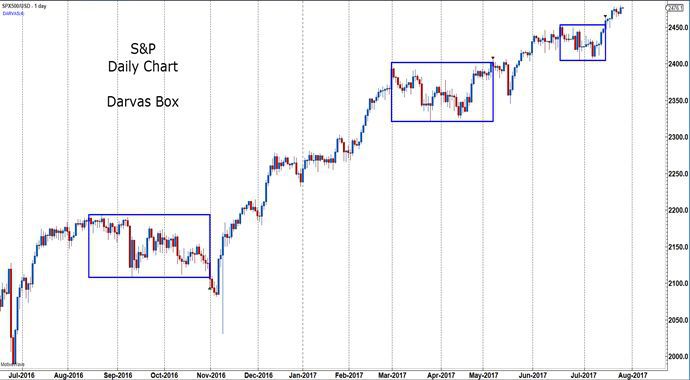
Nicolas Darvas was a dancer who became a successful trader. He created the Darvas Box method, a swing trading strategy. He looked for stocks in a strong uptrend and used a box pattern to decide when to enter and exit trades.
Linda Raschke: A Pro Swing Trader
Raschke is a well-known swing trader who has been consistently profitable for over 30 years. Her strategy involves using multiple timeframes to identify trends and using technical indicators such as moving averages and oscillators to generate trading signals.
FAQs ( Frequently Asked Questions)
What is swing trading?
Swing trading is a trading strategy that involves holding positions for a few days to a few weeks, aiming to profit from price movements or swings in the market.
How does swing trading work?
Swing traders use technical analysis to identify trends and patterns in the market, and then enter and exit trades based on these signals. They aim to capture short-term price movements and avoid holding positions for too long.
What are the advantages of swing trading?
Swing trading allows traders to take advantage of short-term price movements without having to constantly monitor the market. It also allows for more flexibility in terms of position sizing and risk management.
What are the risks of swing trading?
As with any trading strategy, there are risks involved with swing trading. Swing traders may be exposed to market volatility and unexpected news events that can cause price movements to go against their positions. It is important to have a solid risk management plan in place.
What are some common tools used in swing trading?
Swing traders often use technical indicators such as moving averages, MACD, and RSI to identify trends and potential entry and exit points. They may also use chart patterns and candlestick analysis to make trading decisions.
Is swing trading suitable for beginners?
Swing trading can be suitable for beginners who have a basic understanding of technical analysis and risk management. However, it is important to start with a small account size and practice with a demo account before risking real money.
Swing trading offers a flexible way to trade the markets. It lets you capture short-term price moves over days or weeks. By learning the basics, using technical analysis, choosing the right stocks, managing risk, and following a solid plan, you can improve your chances of success. However, swing trading comes with risks. Approach it with caution and discipline.
If you want to learn more about options and trading strategies, explore EquityX’s helpful resources. These articles can help you make better-informed decisions and grow your trading knowledge.