


what are Market Capitalization , large cap, mid cap, small caps in Indian stock market
Market capitalization is a key concept in the world of investing. It refers to the total value of a company's outstanding shares of stock and is used to determine the size and worth of a company. Market capitalization is an important factor for investors to consider when making investment decisions, as it can provide insights into the stability and growth potential of a company. In this article, we will explore the concept of market capitalization in detail, including how it is calculated, its importance in investing, and how it affects stock valuation and investment decisions.
What is Market Capitalization
Market capitalization, often referred to as "market cap," is a measure of a company's size and worth in the stock market. It is calculated by multiplying the current price per share by the total number of outstanding shares. For example, if a company has 1 million shares outstanding and the current price per share is $50, its market capitalization would be $50 million.
Market capitalization is typically divided into three categories: large cap, mid cap, and small cap. Large cap stocks are those with a market capitalization of $10 billion or more, mid cap stocks have a market capitalization between $2 billion and $10 billion, and small cap stocks have a market capitalization below $2 billion.
Large Cap Stocks in India: Definition, Examples, and Stability
Large cap stocks are the largest and most well-established companies in the stock market. They are typically more stable and less volatile than mid cap or small cap stocks. These companies have a long track record and often lead their industries.
In India, examples of large cap stocks include Reliance Industries, Tata Consultancy Services (TCS), and Infosys. These companies have market capitalizations in the hundreds of billions of dollars. Large cap stocks are included in major indices like the Nifty 50 and the BSE Sensex.
Large cap stocks have a history of steady returns and dividends. They are seen as a safer choice during economic downturns. However, their growth potential is often slower than smaller companies.


Mid Cap Stocks: What They Are and How They Differ from Large and Small Caps
Mid cap stocks are companies with a market capitalization between large caps and small caps. In India, mid cap companies have a market cap between about $2 billion and $10 billion. These companies are often in a growth phase and can offer a balance between stability and growth potential.
Examples of Indian mid cap stocks include companies like Tata Power, Mphasis, and Crompton Greaves. These companies are smaller than giants like Reliance but larger than small cap stocks. Mid caps can be found on the Nifty Midcap 100 index.
Mid cap stocks can offer higher growth than large caps while being less risky than small caps. They often have room to expand and capture more market share. However, they can still be more volatile than large caps during market swings.
Small Cap Stocks: Why They Can Be Risky but Rewarding Investments
Small cap stocks are companies with a small market capitalization, typically below $2 billion in India. These companies are often in early growth stages and may have higher growth potential than larger firms. However, small cap stocks are riskier due to higher volatility and sensitivity to economic changes.
Small cap stocks can reward investors who are willing to take on more risk. They offer the chance for significant growth if the company succeeds. Examples of Indian small cap stocks include companies like NHPC Ltd, Karnataka Bank, and India Cements.
Investing in small cap stocks requires careful research. Check the company’s financial health, growth plans, and market position. Small cap stocks can swing sharply with market changes and may need a longer holding period to show results.

Market Capitalization vs. Stock Price: What's the Difference?
It is important to understand the difference between market capitalization and stock price when making investment decisions. Market capitalization represents the total value of a company's outstanding shares, while stock price refers to the price at which an individual share of stock is trading in the market.
Market capitalization takes into account both the number of outstanding shares and the current price per share, giving you insight into how Indian markets operate. Stock price alone only shows what one share costs.
For example, a company with a market cap of ₹1,000 crore and a stock price of ₹100 has 10 crore outstanding shares. If the stock price rises to ₹200, the market cap doubles to ₹2,000 crore. Market cap tells you the full size of a company, not just its share price.

How Market Capitalization Affects Stock Valuation and Investment Decisions
Market capitalization plays a significant role in stock valuation and investment decisions. It can provide insights into a company's size, worth, and growth potential. Investors often use market capitalization as a factor in determining whether a stock is overvalued or undervalued.

When valuing a stock, investors often compare its market cap to its earnings or revenue. This is called the price-to-earnings (P/E) ratio or price-to-sales (P/S) ratio. These ratios help you see if a stock’s price is fair compared to what the company earns.
Market cap also guides investment choices. Large cap stocks are seen as stable and less risky, making them a good fit for cautious investors. Mid cap and small cap stocks may offer higher growth but come with more risk.
Top Large Cap Companies in the Indian Stock Market
The Indian stock market is home to several large cap companies that have performed well over the years. Some of the top large cap companies in the Indian stock market include Reliance Industries Ltd., Tata Consultancy Services Ltd., HDFC Bank Ltd., and Infosys Ltd.
Reliance Industries Ltd
Reliance Industries Ltd. is one of the largest conglomerates in India, with interests in major market sectors including petrochemicals, refining, oil and gas exploration, telecommunications, and retail. The company has a market capitalization that consistently ranks among the largest in India and has consistently delivered strong financial performance.
Tata Consultancy Services Ltd.
Tata Consultancy Services Ltd. is a leading global IT services and consulting company. It is part of the Tata Group, one of India’s largest business conglomerates. The company has a market capitalization that consistently ranks among the largest in India and has been a consistent performer, useful for analysing Indian stocks.
Infosys Ltd.
Infosys Ltd. is a global leader in consulting, technology, and outsourcing services. The company provides end-to-end business solutions to clients across various industries. Infosys has a market capitalization that consistently ranks among the most valuable IT companies in India and has been at the forefront of India’s IT revolution.
Emerging Mid Cap Companies to Watch in the Indian Stock Market
While large cap companies dominate the Indian stock market, there are also several emerging mid cap companies that show promise for future growth. These companies are often in the early stages of expansion and have the potential to become leaders in their respective industries.

Avenue Supermarts Ltd. is one of India’s largest retail chains, operating under the brand name “DMart.” The company offers a wide range of products, including groceries, household items, apparel, and electronics. Avenue Supermarts has a large market capitalization and has been expanding its footprint across India.

Page Industries Ltd. is the exclusive licensee of Jockey International Inc. in India, Sri Lanka, Bangladesh, Nepal, and the UAE. The company manufactures and markets Jockey-branded innerwear, outerwear, and leisurewear. Page Industries has a substantial market capitalization and has been growing steadily.
Investing in Small Cap Stocks: Tips and Strategies for Success
Investing in small cap stocks can be rewarding but also comes with higher risk. Here are some tips and strategies for success when investing in small cap stocks:
Research Small Cap Stocks Thoroughly
Small cap stocks often have limited analyst coverage, so it is important to consult top stock advisors on the company’s financials, growth prospects, competitive position, and management team.

Look for Growth Catalysts in Small Caps
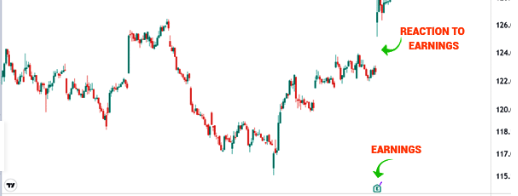
Small cap stocks can experience significant price movements based on company-specific catalysts. Look for companies with upcoming product launches, new partnerships, or other events that could drive growth and increase the stock’s value.
Diversify your portfolio
Investing in small cap stocks can be risky, so it is important to diversify your portfolio for managing investment risks. Consider investing in a mix of large cap, mid cap, and small cap stocks to balance risk and return.


Be patient
Small cap stocks may take longer to realize their full potential compared to larger, more established companies. Be prepared to hold onto your investments for the long term and ride out any short-term volatility.
Consider professional advice
If you are new to investing or unsure about how to evaluate small cap stocks, consider seeking expert advisory services that specialize in small cap investments.

Market Capitalization and Portfolio Diversification: Balancing Risk and Return
Portfolio diversification is an important strategy for balancing risk and return in an investment portfolio. By investing in a mix of different asset classes, sectors, and market capitalizations, investors can reduce the impact of any single investment on their overall portfolio.
Market capitalization helps you diversify your portfolio across different parts of the stock market. Large cap stocks are more stable and less risky. Mid cap and small cap stocks offer higher growth potential but come with more risk.
A well-balanced portfolio may include large cap, mid cap, and small cap stocks, along with other assets like bonds or real estate. Your mix should match your risk tolerance, goals, and time horizon.
Market cap is a key idea in investing. It tells you the size and value of a company. Understanding market cap helps you judge a company’s stability, growth potential, and stock value. It is a core part of understanding stock market fundamentals.


Large cap stocks are the biggest and most stable companies in the stock market. They offer steady returns and lower risk. Mid cap stocks are growing companies that offer a balance of stability and growth. Small cap stocks have the highest growth potential but also the highest risk.
Investing across different market caps helps you build a balanced portfolio. A mix of large cap, mid cap, and small cap stocks lets you tap into different opportunities while reducing the impact of any single investment.
FAQs ( Frequently Asked Questions)
What is market capitalization?
Market capitalization, also known as market cap, is the total value of a company's outstanding shares of stock. It is calculated by multiplying the current market price of a single share by the total number of outstanding shares.
What are large cap stocks?
Large cap stocks are stocks of companies with a market capitalization of more than INR 20,000 crore. These companies are typically well-established and have a proven track record of stable earnings and revenue growth.
What are mid cap stocks?
Mid cap stocks are stocks of companies with a market capitalization between INR 5,000 crore and INR 20,000 crore. These companies are typically in a growth phase and have the potential for higher returns, but also come with higher risk.
What are small cap stocks?
Small cap stocks are stocks of companies with a market capitalization of less than INR 5,000 crore. These companies are typically newer and smaller in size, and have the potential for higher returns but also come with higher risk.
How are large cap, mid cap, and small cap stocks classified?
Large cap, mid cap, and small cap stocks are classified based on their market capitalization. The classification is determined by the total value of a company's outstanding shares of stock.
Large Cap, Mid Cap and Small Cap Stocks in India: Complete Guide to Market Capitalization Categories
Market capitalization, or market cap, is the total value of a company's outstanding shares calculated by multiplying the current share price by the total number of shares. In the Indian stock market, SEBI classifies listed companies into three categories based on their market capitalization rankings: large cap stocks are the top 100 companies, mid cap stocks are companies ranked 101st to 250th, and small cap stocks are all companies ranked 251st and below. This classification system helps Indian investors assess the risk profile, stability, and growth potential of different stocks and build portfolios that match their financial goals.
How does SEBI define large cap, mid cap, and small cap stocks in India?
SEBI defines large cap stocks as the top 100 companies ranked by average market capitalization over the preceding six months. Mid cap stocks are companies ranked from 101st to 250th, and small cap stocks are all remaining companies ranked 251st and below. These classifications are updated semi-annually to reflect changes in company valuations.
What are the most well-known large cap stocks in the Indian market?
Major Indian large cap stocks include Reliance Industries, Tata Consultancy Services (TCS), Infosys, HDFC Bank, and ICICI Bank. These companies are part of the Nifty 50 and BSE Sensex indices and represent some of the most stable and established investment options in India.
How do mid cap stocks in India compare to large caps and small caps?
Mid cap stocks in India are growth-stage companies that fall between large caps and small caps in both size and risk. They offer higher growth potential than large cap stocks while being less volatile than small cap stocks. Many mid cap companies have strong fundamentals and are listed on indices such as the Nifty Midcap 100.
What should investors consider before buying small cap stocks in India?
Small cap stocks in India carry higher risk due to lower liquidity, limited analyst coverage, and greater price volatility. Investors should research each company's financial health, management quality, and growth plans carefully. A long-term holding period and a diversified portfolio are essential when investing in small caps.
- What is the difference between market capitalization and stock price?
- Stock price is the cost of one share, while market capitalization is the total value of all outstanding shares. A company with a high stock price may have a small market cap if it has few shares, and vice versa.
- How often does SEBI update the large cap, mid cap, and small cap lists?
- SEBI updates these classifications every six months based on the average market capitalization of stocks over the preceding six-month period.
- Can a mid cap stock become a large cap stock in India?
- Yes, if a mid cap company's market capitalization grows enough to rank among the top 100, it is reclassified as a large cap stock in the next SEBI review cycle.
- Which market cap category is best for beginner investors in India?
- Large cap stocks are generally recommended for beginner investors in India because they offer more stability, lower volatility, and better liquidity compared to mid cap or small cap stocks.
- Are small cap stocks in India worth the higher risk?
- Small cap stocks can deliver significant returns if the company succeeds, but they come with higher volatility and risk. Thorough research and portfolio diversification are essential before investing in small caps.
- What is the ideal mix of large cap, mid cap, and small cap stocks for an Indian portfolio?
- The ideal mix depends on your risk tolerance, investment goals, and time horizon. A common approach is to hold mostly large caps for stability, add mid caps for growth, and include a smaller portion of small caps for high-return potential.