
The Most Successful Day Traders Often Specialize?

Day trading is not a one-size-fits-all endeavor. In fact, many of the most successful day traders specialize in specific strategies that suit their trading style and personality.
Scalping: The Quick-Fire Approach

Scalping is a strategy that involves making dozens or even hundreds of trades in a single day, trying to capture small price movements. Scalpers believe in making small profits repeatedly, which can add up over time. They typically use high leverage and make decisions in a matter of seconds or minutes.
Key Concepts:
- Bid-Ask Spread: Scalpers often target the spread between the bid and ask price.
- Level 2 Quotes: They use Level 2 quotes to see real-time bid and ask prices.
- Time and Sales: Also known as the “tape,” this is used to watch real-time trade sizes and frequencies.
A scalper might buy 1,000 shares of a stock at $10.00 and sell them at $10.05, making a $50 profit before fees. If they repeat this 20 times throughout the day, that's a $1,000 profit.
Momentum Trading: Riding the Wave
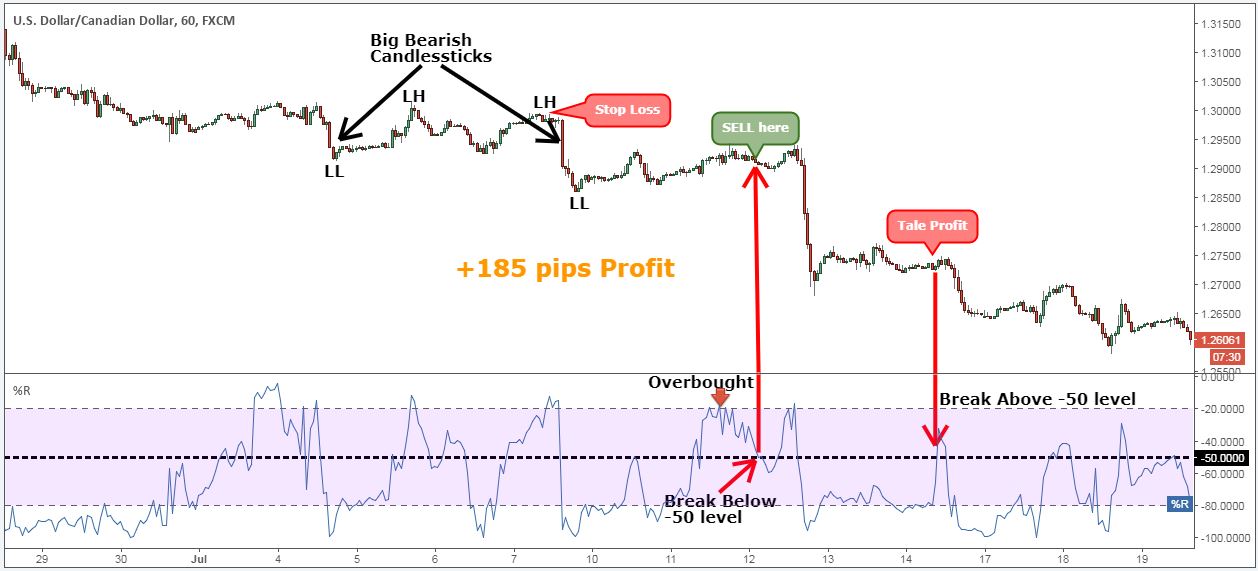
Momentum trading involves looking for stocks that are moving significantly in one direction on high volume and trying to profit from the momentum. This strategy requires traders to identify the strength of the trend and to enter and exit the market at strategic points.
Key Concepts:
- Volume: A key indicator of momentum; high volume confirms the strength of a move.
- Moving Averages: Used to smooth out price action and identify the trend.
- Relative Strength Index (RSI): An oscillator that measures the speed and change of price movements.
A momentum trader may notice a stock that has broken above its 20-day moving average on increased volume, indicating a strong upward momentum. They might buy the stock at $50 and sell it when it reaches $53, capturing the momentum-driven price increase.
Swing Trading: The Middle Ground
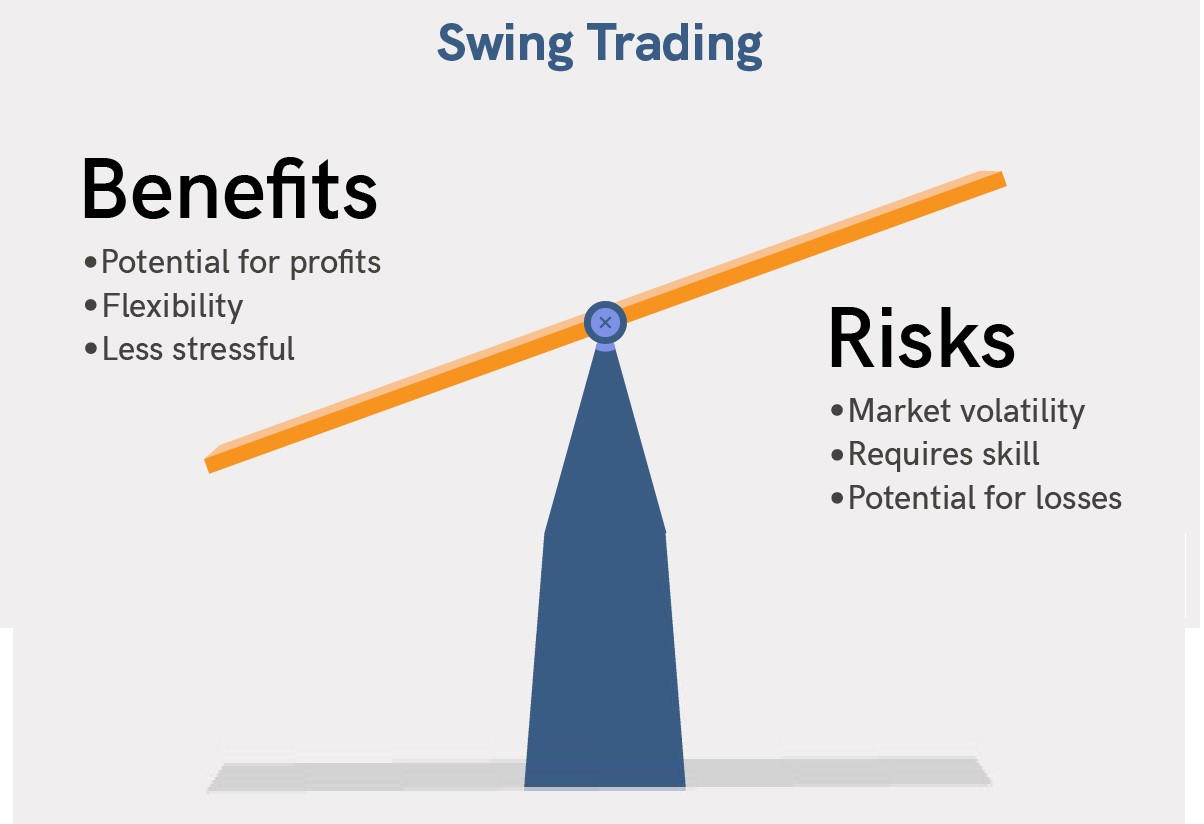
Swing trading is a strategy that involves holding positions for several days to capitalize on expected upward or downward market moves. Swing traders use a combination of technical analysis and fundamental analysis to make their decisions.
Key Concepts:
- Support and Resistance: Key price levels where the stock historically does not fall below (support) or go above (resistance).
- Chart Patterns: Patterns like triangles, flags, and head and shoulders that can indicate future price movements.
- Fibonacci Retracements: A tool used to identify potential reversal levels.
A swing trader might identify a stock that has retreated to a significant Fibonacci retracement level and is showing signs of bouncing back. They could buy at $30, setting a target price of $35 and a stop-loss at $28.
Advanced Concepts in Day Trading Strategies
The Importance of Risk Management
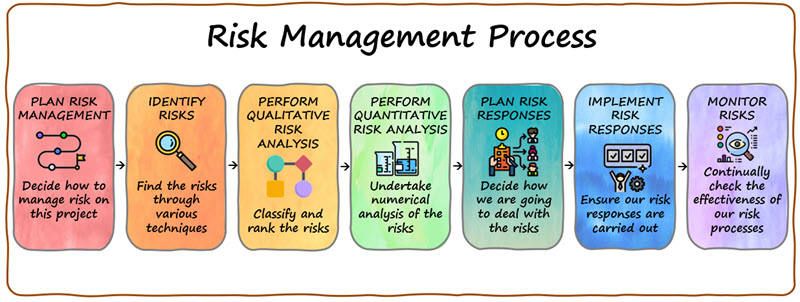
Risk management is crucial in day trading. Traders must have a clear understanding of their risk tolerance and set stop-loss orders to minimize potential losses.
Key Concepts:
- Risk-Reward Ratio: The potential reward of a trade compared to its potential risk.
- Position Sizing: Determining the amount of capital to allocate to a trade based on risk tolerance.
A trader using a risk-reward ratio of 1:3 might risk $1,000 to make a potential $3,000, setting a stop-loss order accordingly to limit the loss to $1,000.
The Psychological Aspect of Day Trading
The psychological aspect of day trading cannot be overstated. Traders must maintain discipline, control emotions, and stick to their trading plan.
Key Concepts:
- Trading Psychology: The emotional and mental state that affects trading decisions.
- Discipline: The ability to follow a trading plan without letting emotions get in the way.
A disciplined trader will not let a recent string of losses affect their confidence or lead them to deviate from their strategy. They understand that loss is a part of trading and stick to their plan.
Algorithmic and High-Frequency Trading (HFT)
In the realm of advanced day trading, algorithmic and high-frequency trading have become prominent. These strategies use complex algorithms to execute trades at speeds and volumes beyond human capabilities.
Key Concepts:
- Backtesting: Testing a strategy on historical data before using it in live trading.
- Execution Speed: The speed at which trades are executed, which is crucial in HFT.
An algorithmic trader might design a system that automatically buys a stock when its 50-day moving average crosses above its 200-day moving average and sells when it crosses below. This strategy is then backtested to ensure its efficacy before live implementation.
Incorporating these strategies requires a deep understanding of market mechanics, a disciplined approach, and continuous learning. Day traders who master these concepts can potentially reap significant rewards.