


FII and DII Trading Activity in NSE India
Foreign Institutional Investors (FIIs) and Domestic Institutional Investors (DIIs) play a crucial role in the Indian stock market. FIIs are institutional investors from outside India who invest in the Indian stock market, while DIIs are institutional investors based in India. These investors have a significant impact on the Indian economy and stock market due to their large trading volumes and investment decisions.
The FII and DII trading activity in Indian stock market specially NSE ( National stock exchange) is closely monitored by market participants, regulators, and policymakers as it provides valuable insights into the sentiment and direction of the market. Their trading activity can influence stock prices, market volatility, and overall market sentiment. Therefore, understanding their trading patterns and trends is essential for investors and market participants.
The Role of FIIs and DIIs in the Indian Stock Market
FIIs and DIIs contribute to the growth of the Indian economy by providing liquidity to the stock market. Their investments help companies raise capital, which can be used for expansion, research and development, and other growth initiatives. This, in turn, leads to job creation, increased economic activity, and overall economic growth.
Moreover, FIIs and DIIs bring in foreign capital, which helps bridge the gap between domestic savings and investment requirements. This foreign capital inflow strengthens the Indian currency, improves the balance of payments position, and boosts investor confidence in the Indian economy.
In addition to their contribution to economic growth, FIIs and DIIs also play a crucial role in shaping the stock market. Their trading activity can significantly impact stock prices, market sentiment, and overall market trends. When FIIs are bullish on the Indian market, they tend to buy stocks, leading to an increase in demand and higher stock prices. On the other hand, when FIIs are bearish or decide to sell stocks, it can lead to a decline in stock prices.

Understanding FII Data on NSE and DII Trading Patterns and Trends
Analyzing FII and DII trading activity over the years provides valuable insights into their investment strategies and market sentiment. FIIs and DIIs have different trading patterns and trends, which can be influenced by various factors. FIIs are often driven by global market trends, economic indicators, and geopolitical events. They tend to have a short-term investment horizon and are more likely to engage in active trading.

DIIs are typically long-term investors who focus on fundamental analysis and company-specific factors. They tend to have a more stable investment approach and are less influenced by short-term market fluctuations. DIIs often invest in companies with strong fundamentals, stable earnings growth, and attractive valuations.
Factors that influence FII and DII trading decisions include macroeconomic indicators, corporate earnings, interest rates, government policies, and global market trends. For example, changes in interest rates can impact the attractiveness of equity investments compared to fixed income instruments.
Impact of FII and DII Trading Activity on the Indian Stock Market
The trading activity of FIIs and DIIs can have both positive and negative effects on the Indian stock market. On the positive side, their investments provide liquidity to the market, which improves price discovery and reduces transaction costs. This liquidity also attracts other investors, both domestic and foreign, leading to increased trading volumes and market participation.
FIIs and DIIs bring in foreign capital, which can help stabilize the stock market during periods of volatility. Their investments provide a cushion against sudden market downturns and can help prevent excessive price declines. there are also potential negative effects of FII and DII trading activity. Excessive buying or selling by FIIs or DIIs can lead to market distortions and create artificial price movements. This can result in increased market volatility and make it difficult for retail investors to make informed investment decisions. the dependence on foreign capital inflows can make the Indian stock market vulnerable to external shocks. Sudden outflows of foreign capital can lead to a sharp decline in stock prices and destabilize the market.

How FII and DII Trading Affects Stock Prices and Market Volatility

Similarly, DII trading activity can also influence stock prices and market volatility. DIIs tend to have a more stable investment approach and are less influenced by short-term market fluctuations. However, their buying or selling activity can still impact stock prices, especially for mid-cap and small-cap stocks where their presence is more significant.
Overall, the trading activity of FIIs and DIIs can contribute to market volatility, but it is important to note that they are not the sole drivers of stock prices. Other factors such as corporate earnings, economic indicators, global market trends, and investor sentiment also play a significant role in determining stock prices.
The trading activity of FIIs and DIIs can have a significant impact on stock prices and market volatility. When FIIs are bullish on the Indian market, they tend to buy stocks, leading to an increase in demand and higher stock prices. This buying pressure can create a positive sentiment in the market and attract other investors.
Conversely, when FIIs are bearish or decide to sell stocks, it can lead to a decline in stock prices. Their selling pressure can create a negative sentiment in the market and trigger further selling by other investors. This selling pressure can result in increased market volatility and sharp price declines.

FII and DII Trading Strategies and Investment Objectives
FIIs and DIIs employ different investment strategies and have varying investment objectives and risk appetites.

The investment objectives of FIIs and DIIs can vary based on their risk appetite and investment mandate. FIIs may seek capital appreciation, income generation, or a combination of both. They may also have specific sector or country preferences based on their investment strategy.
DIIs, on the other hand, often have a broader mandate that includes managing assets for retail investors, pension funds, insurance companies, and other institutional clients. Their investment objectives may include capital preservation, income generation, and long-term wealth creation for their clients.
FIIs often use a combination of fundamental analysis, technical analysis, and market sentiment analysis to make investment decisions. They tend to have a short-term investment horizon and are more likely to engage in active trading. FIIs also have the ability to take leveraged positions and use derivatives to hedge their portfolios or speculate on market movements.
DIIs, on the other hand, typically have a long-term investment horizon and focus on fundamental analysis. They invest in companies with strong fundamentals, stable earnings growth, and attractive valuations. DIIs often have a more stable investment approach and are less influenced by short-term market fluctuations.
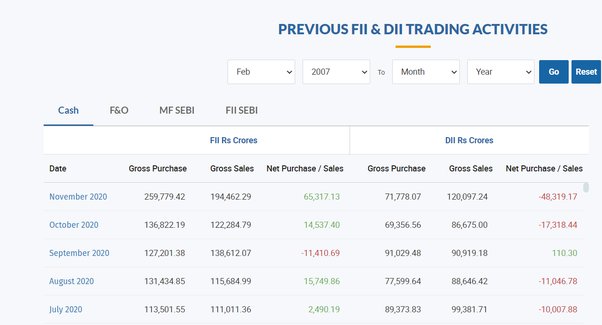
The Importance of Monitoring FII data and DII Trading Activity in NSE

Moreover, monitoring FII and DII trading activity can help identify potential market trends and reversals. If there is a significant increase in FII buying or selling activity, it may signal a change in market sentiment and direction. Similarly, if there is a significant increase in DII buying or selling activity, it may indicate a shift in investor preferences or market dynamics.
Regulators and policymakers also closely monitor FII and DII trading activity to ensure market stability and prevent excessive volatility. They use this information to assess the impact of foreign capital inflows or outflows on the stock market and take necessary measures to manage the flow of foreign capital.
Monitoring FII and DII trading activity is important for investors, market participants, regulators, and policymakers as it provides valuable insights into market sentiment and direction. By tracking their trading patterns and trends, investors can gain a better understanding of the market dynamics and make informed investment decisions. You can choose the Best SEBI Registered Investment Advisor in India for all these type of research and analysis.
For example, if FIIs are consistently buying stocks in a particular sector or company, it may indicate positive sentiment and growth prospects for that sector or company. On the other hand, if DIIs are consistently selling stocks in a particular sector or company, it may indicate concerns about the fundamentals or valuation of that sector or company.
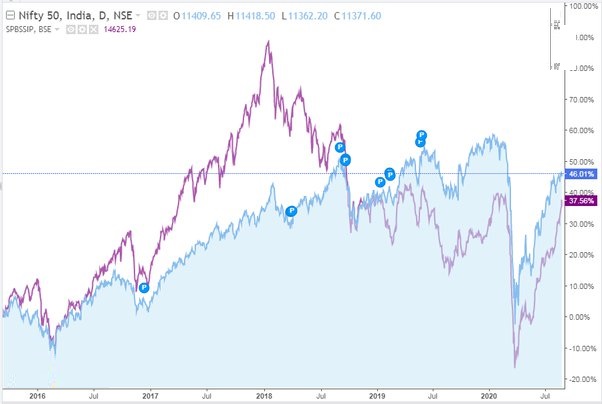
FII and DII Trading Regulations and Policies in India

DIIs, on the other hand, are regulated by SEBI and other regulatory bodies based on their specific activities. For example, mutual funds are regulated by SEBI under the Mutual Funds Regulations, while insurance companies are regulated by the Insurance Regulatory and Development Authority of India (IRDAI).
These regulations and policies aim to protect the interests of investors, maintain market integrity, and prevent market manipulation. They also provide a framework for monitoring and managing FII and DII trading activity to ensure stability in the stock market.
FII and DII trading activity in India is governed by regulations and policies set by the Securities and Exchange Board of India (SEBI) and other regulatory bodies. These regulations aim to ensure transparency, fairness, and stability in the stock market.
FIIs are required to register with SEBI and comply with certain eligibility criteria, including minimum net worth requirements. They are also subject to investment limits, sectoral caps, and other restrictions imposed by SEBI or the Reserve Bank of India (RBI). FIIs are also required to disclose their investment positions on a regular basis to ensure transparency in the market.

Challenges and Opportunities for FIIs and DIIs in India
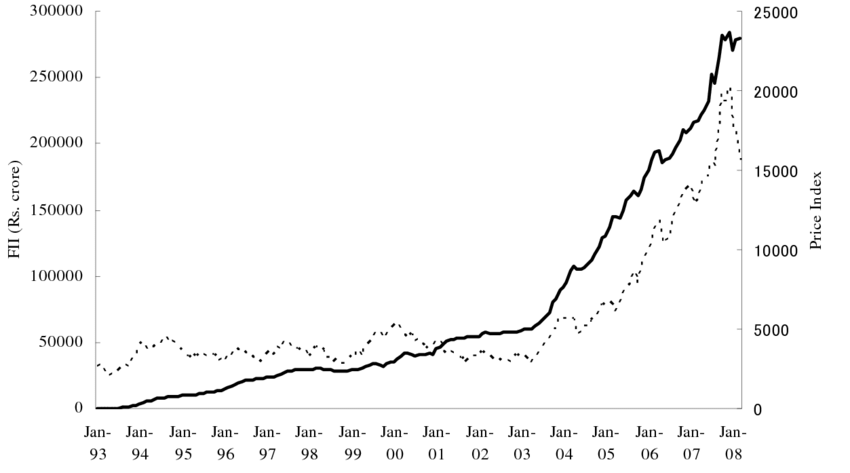
Despite these challenges, there are also significant opportunities for FIIs and DIIs in the Indian market. India has a growing economy, a large consumer base, and a young population, which presents attractive investment opportunities. Moreover, the Indian government has implemented several reforms to improve ease of doing business, attract foreign investment, and promote economic growth.
Furthermore, the Indian stock market is relatively underdeveloped compared to other major global markets. This provides opportunities for FIIs and DIIs to invest in companies with strong growth potential and attractive valuations. The increasing participation of retail investors in the stock market also presents opportunities for DIIs to manage assets for these investors.
FIIs and DIIs face several challenges and opportunities in the Indian market. One of the main challenges is the volatility and unpredictability of the Indian stock market. The market can be influenced by various factors, including global economic conditions, geopolitical events, domestic political developments, and regulatory changes. These factors can create uncertainty and make it difficult for FIIs and DIIs to make investment decisions.
Another challenge is the regulatory environment in India. While regulations are necessary to ensure market integrity and investor protection, excessive regulations can create barriers to entry and hinder foreign investment. Therefore, it is important for regulators to strike a balance between regulation and promoting foreign investment.
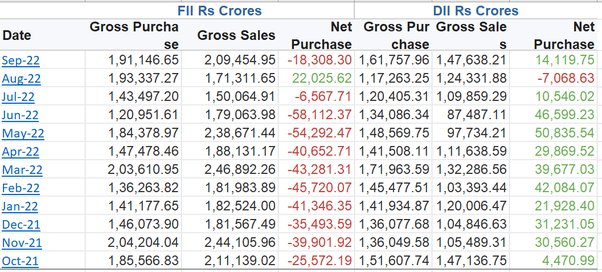
The Future of FIIs and DIIs in the Indian Stock Market
The future of FIIs and DIIs in the Indian stock market looks promising. India is a growing economy, favorable demographics, and ongoing reforms make it an attractive destination for foreign investment. The increasing participation of retail investors and the development of the mutual fund industry provide opportunities for DIIs to expand their business.
there are also challenges that need to be addressed. Market volatility, regulatory uncertainties, and geopolitical risks can create headwinds for FIIs and DIIs. Therefore, it is important for regulators and policymakers to create a conducive environment for foreign investment, ensure market stability, and protect the interests of investors.
FII and DII trading activity will continue to play a crucial role in shaping the Indian economy and stock market. Their investments provide liquidity to the market, contribute to economic growth, and influence stock prices and market sentiment. Therefore, monitoring their trading patterns and trends is essential for investors and market participants to make informed investment decisions.
Join our Equityx special Plan today and learn more about it

Free Registration for Stock Market Tips ( Advisory Services)


As per the SEBI rules, we will provide our Services only to those clients who have Complete Risk Profile. Fill This Registration Form and
Contact us on
- Whatsapp @ +91 95999 69624
- Call Us @ +91 82 7799 7560
for further process.
Risk Profiling is COMPULSORY
Stock Market Analysis and Predictions for 2025 Current Market Conditions The stock market is very volatile right now, causing worry among …
Popcorn Tax: Effects the Indian Economy The government of India has recently made the decision to increase the Goods and Services Tax …
Summary of India’s GDP Data Key Data Release An important GDP data release was scheduled post-market closure on November 29. This data …
Nifty Stock Market Analysis by EquityX 25-11-2024 Final Closing Details Nifty Closing Level: 23970 Friday’s Closing Gain: Nifty surged by 557 points. …
The Impact of Liquidity on Intraday Trading Strategies for Maximizing Returns Intraday trading, also known as day trading, involves buying and selling …
Mastering Intraday Equity Trading Top 10 Intraday Trading Tips for Success Intraday equity trading can be an exciting and profitable venture, but …
Strategies for Successful Intraday Equity Trading Intraday trading in the fast-paced world of equity markets can be both thrilling and challenging. With …
The Art of Using Stop-Loss Orders in Intraday Equity Trading Intraday equity trading can be a thrilling and potentially lucrative venture for …
Important Tools for Analyzing Intraday Equity Markets Intraday trading in equity markets can be thrilling and profitable, but it also requires a …
Share Market Tips For Beginners The share market, also known as the stock market, is a crucial component of the global financial …
What Are Macroeconomic And Market-Specific Risks Macro and Market Risks Macroeconomic and market-specific risks can significantly impact the financial performance of businesses …
What Are Risk Management Strategies In Stock Portfolio Risk Management Strategies: In the context of stock portfolio management, risk management refers to the process …
What Are Financial And Business Risks In Stock Investments Interesting Fact: financial and business risks are inherent in stock investments, and understanding …
Risk Assessment Not All Risks Are Equal? When it comes to investing in the Indian stock market, understanding and assessing risk is …
What Are Regulatory And Geopolitical Factors Influencing Stock Investments Regulatory Factors in Stock Investments Regulatory factors play a crucial role in influencing …
What Are Industry Trends And Competitive Positioning Of Companies Industry Trends and Competitive Positioning Analyzing industry trends and competitive positioning is crucial …
Assessing Management Quality And Corporate Governance Practices Interesting Fact: The quality of management and corporate governance practices can significantly impact a company’s …
Qualitative Analysis Companies Have Personalities? Just like people, every company has its own personality, which can be understood through Qualitative Analysis. This type …
What Is Price-To-Book (P/B) Ratio And How It Can Help In Evaluating Stock The Price-to-Book (P/B) Ratio The P/B ratio is a …
The Price-To-Earnings (P/E) Ratio And Its Significance In Stock The price-to-earnings (P/E) ratio and its significance in stock analysis The P/E ratio …
Discounted Cash Flow (DCF) Analysis And Its Application In Stock Valuation Discounted Cash Flow (DCF) Analysis Discounted Cash Flow (DCF) analysis is …
Valuation Techniques True Worth of a Company? Valuing a company is both an art and a science. Investors around the world use …
What are Undervalued And Overvalued Stocks Based On Fundamental Analysis Fundamental Analysis fundamental analysis is a method used to evaluate the intrinsic …
What are Economic Indicators And Their Impact On Stock Prices The stock market is influenced by a wide range of economic indicators? …
Financial Statement Analysis: Balance Sheet, Income Statement, And Cash Flow The balance sheet, income statement, and cash flow statement are the three …
Technical Analysis Indicators To Make Informed Investment Decisions Technical Analysis Indicators Technical analysis indicators are mathematical calculations based on historical price, volume, …
Technical Analysis Tools For Short-Term Stock Market Investment 📈 Candlestick Patterns Candlestick patterns are a crucial part of technical analysis. These patterns provide …
Technical Analysis For Short Term Trading Charts Can Tell Stories? Investing in the stock market is not just about picking stocks at …
What Are The Impact Of Market Trends On Stock Selection Market Trends and Their Impact on Stock Selection Market trends can significantly …