


Risk Management In Stock Market
We all know that the stock market is a high-risk platform for trading. If you want high returns, you have to take the risk. High risk gives you the potential for high return and maximum profit. we can't avoid risk but we manage the risk. Risk management is not easy. It is a big challenge for everyone even the experienced investors. So now, we will learn how to manage risk in the market.
WHAT IS RISK MANAGEMENT?
Risk management is the process where you identify the risk or problem and try to save yourself. This complete process depends on a risk management strategy. That first, you have to understand about Market Risks then you have to prevent yourself. Let's understand the Risk management strategies that can help us in the stock market.
ALWAYS PLAN TRADES
Planning is essential for trading. you have to prepare yourself before trading. First, understand the basic terms, follow the Market trends, and think where you have to invest. For example, If you decide that you are going to invest in the stock market so should understand the balance sheet annual reports of the company, also you have to understand, what things effects in interest rate, like, inflation, interest rate movements, and commodity prices. After this, you can easily make a plan.

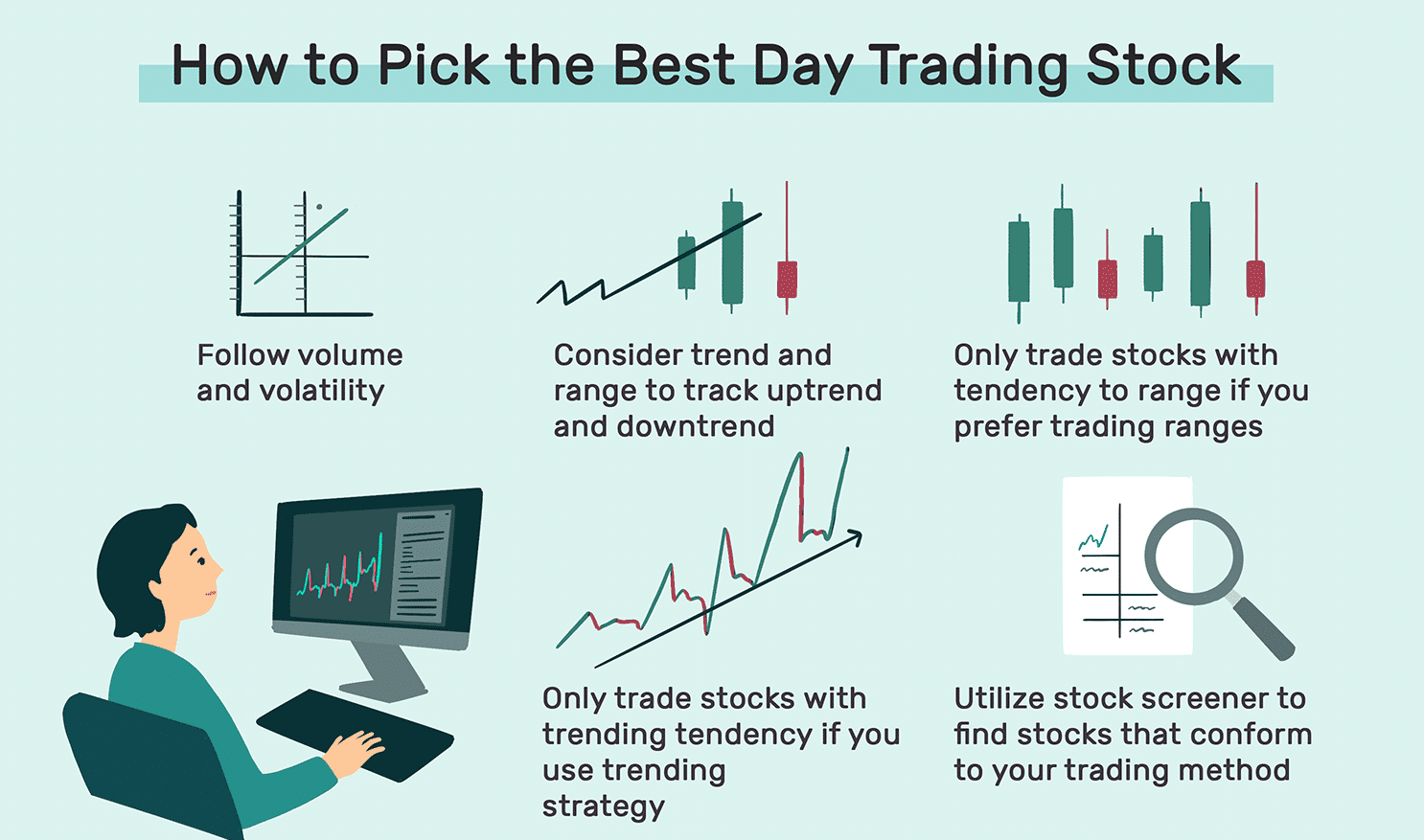
FOLLOW STOCK MARKET TREND
Following the market trends is most important for traders, because some traders think that trend against the market is profitable, but it is not. Following the market, trends help you to decide whether you have to invest or not. We know that the stock market changes day too, day, it is very dynamic. If we follow trends that help to mitigate investment risk.
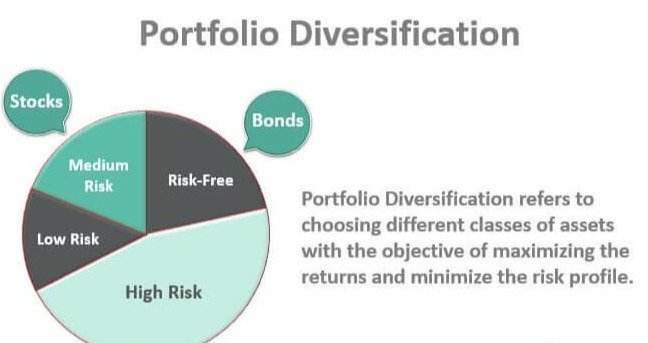
PORTFOLIO DIVERSIFICATION
This is the very best way to manage risk, Investors can buy different types of stocks like equities, bonds, mutual funds, and derivatives. Investors can make diverse portfolios if one company or stock is not profitable and does not give good returns, In this condition, they have other financial products. These diverse portfolios help the investors to give maximum profit and minimize losses
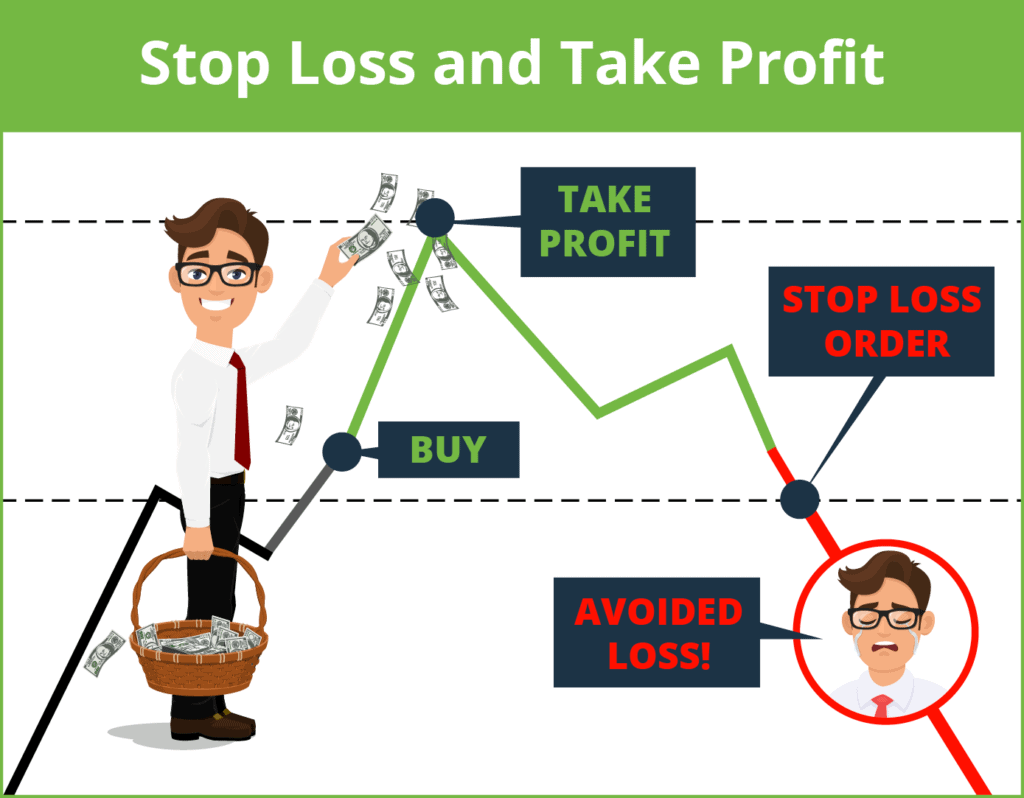
STOP-LOSS AND TAKE-PROFIT POINT
The successful investor should have the capacity to access the risk takin and determine open and close positions. First, understand what is stop-loss and take-profit.
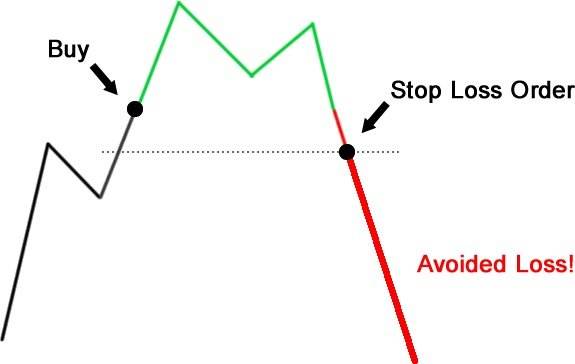
Stop-Loss: A stop-loss is a price level where a trader sells a stock to limit losses. It is a key part of managing portfolio risks.
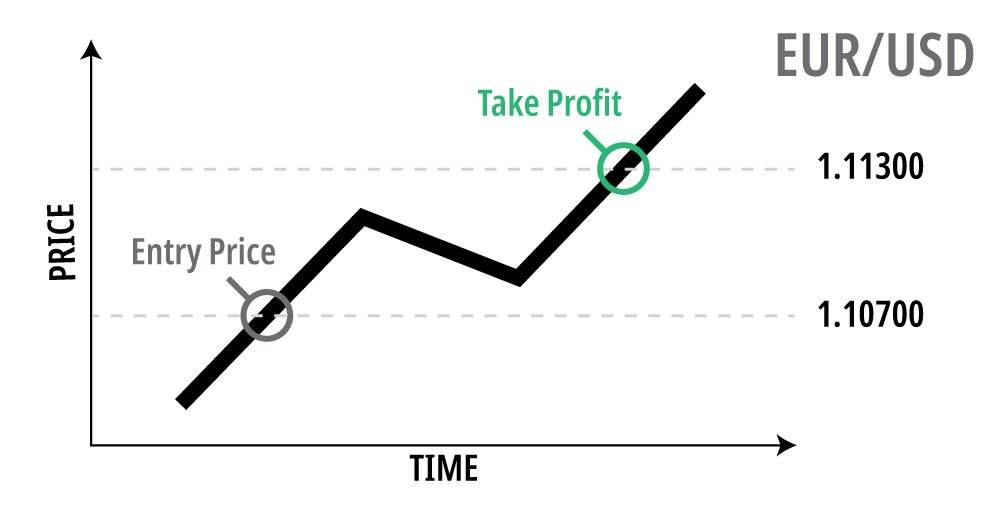
Take-Profit: A take-profit order sets a price at which a trader sells a stock to lock in gains. It works well with practical trading tips to improve results.

These risk management practices help you maximize profits and reduce risks. To succeed in trading, you need to learn new things every day. Build your knowledge and get expert share market guidance. Becoming an active trader helps you understand your risk profile and protect your investments.
INVEST SMALL CAPITAL
This point is very important for all traders specially for beginners that should not invest all their capital in a single trade. For example, if you have 10000, so you should invest in 100 in one trade. This strategy prevents you from a big loss in trading.


Free Registration for Stock Market Tips ( Advisory Services)


As per the SEBI rules, we will provide our Services only to those clients who have Complete Risk Profile. Fill This Registration Form and
Contact us on
- Whatsapp @ +91 95999 69624
- Call Us @ +91 9650 890 321
for further process.
Risk Profiling is COMPULSORY
Stock Market Risk Management Explained
Stock market risk management is the process of identifying, assessing, and controlling potential financial losses in trading and investing. It involves using tools such as stop-loss orders, take-profit orders, position sizing, and portfolio diversification to protect capital and reduce downside exposure. Effective risk management is essential for long-term trading success because it prevents a single loss from significantly damaging a portfolio.
What is a stop-loss order in stock market risk management?
A stop-loss order is a pre-set instruction to sell a stock when it reaches a specific price level. It automatically closes a losing position to prevent further losses. Traders place stop-loss orders below the purchase price for long positions or above the purchase price for short positions.
What is a take-profit order in stock market risk management?
A take-profit order is a pre-set instruction to sell a stock when it reaches a target price level. It automatically closes a winning position to lock in gains before the market reverses. Take-profit orders help traders remove emotion from selling decisions and secure profits at predefined levels.
What is the 1% rule in risk management?
The 1% rule states that a trader should not risk more than 1% of their total trading capital on a single trade. For example, if a trader has a portfolio of ₹1,00,000, the maximum loss allowed on any one trade is ₹1,000. This rule helps traders survive losing streaks and preserve capital over the long term.
- What is stock market risk management?
- Stock market risk management is the practice of identifying, measuring, and controlling financial losses in trading. It includes using stop-loss orders, take-profit orders, position sizing, and diversification to protect investment capital.
- Why is a stop-loss order important for traders?
- A stop-loss order is important because it limits the maximum loss on a trade without requiring constant monitoring. It helps traders manage emotions and stick to a predefined risk plan.
- What is a take-profit order and how does it work?
- A take-profit order automatically sells a stock when it reaches a specified price target. It locks in profits and removes the need to time the market peak manually.
- How do you calculate position size for risk management?
- Position size is calculated by dividing the maximum acceptable loss per trade by the difference between the entry price and the stop-loss price. This ensures the risk stays within a predetermined limit.
- Can stop-loss and take-profit orders guarantee no losses?
- No, stop-loss and take-profit orders cannot guarantee no losses due to market gaps, slippage, and rapid price movements. However, they remain essential tools for reducing potential losses and locking in profits.
- What is the difference between a stop-loss and a stop-limit order?
- A stop-loss order becomes a market order once triggered, which may execute at a worse price. A stop-limit order becomes a limit order once triggered, which guarantees a specific price but may not execute at all if the market moves past it.