


Benefits Of Long Term Investment
Investors who choose to invest for the long term rather than trying to time the market or day-trade over the short term can take advantage of a number of advantages that those other types of investors simply can't. If you're investing for the long term, you can expect to enjoy a smoother, less emotional ride.
WHAT IS A LONG TERM INVESTMENT?
Long term investment in the stock market is one of the most reliable ways to build wealth over time. By holding investments for three years or more, you give your money more chances to grow and recover from market ups and downs. Long term investors accept short-term risk in exchange for higher long-term returns — a trade-off that has historically paid off. For example, someone saving for retirement may invest for 30 years, while a short-term investor may choose safer options like government bonds. Unlike short-term trading, long term investing is not about buying and selling quickly. It is about staying invested for years or even decades to let your money work for you.

Long term investment in stock market carries more risk than short-term options, but it also offers the chance for higher returns. When you invest for the long term, you commit your money for years at a time. This patience is what allows your investments to grow through market cycles. Make sure you have enough funds set aside before locking capital into long-term holdings.
BENEFITS OF LONG TERM INVESTMENT
Taking a long term view of investing helps you avoid the stress of trying to time the market. It keeps you focused on your goals and helps you make smarter decisions. If you are ready to begin your investing journey, a long term approach is one of the most rewarding paths you can take.

Long term investors enjoy benefits that short-term traders simply cannot match. By focusing on your long-term goals instead of daily market moves, you get a smoother and less stressful experience. You will not need to guess when to buy or sell. Instead, you stay focused on your long term investment objectives. Of course, keeping your emotions in check is still important.
Higher Returns Over Time
Decades of historical data show that stocks have outperformed almost all other types of investments over the long term. Stocks remain a strong choice for long-term investors. While stock prices can rise significantly over time, they can also fall. That is why it is important to have a clear strategy when selecting long term stocks. A well-diversified portfolio can help you earn dividends and capital gains over time.

Lower Your Investment Risk
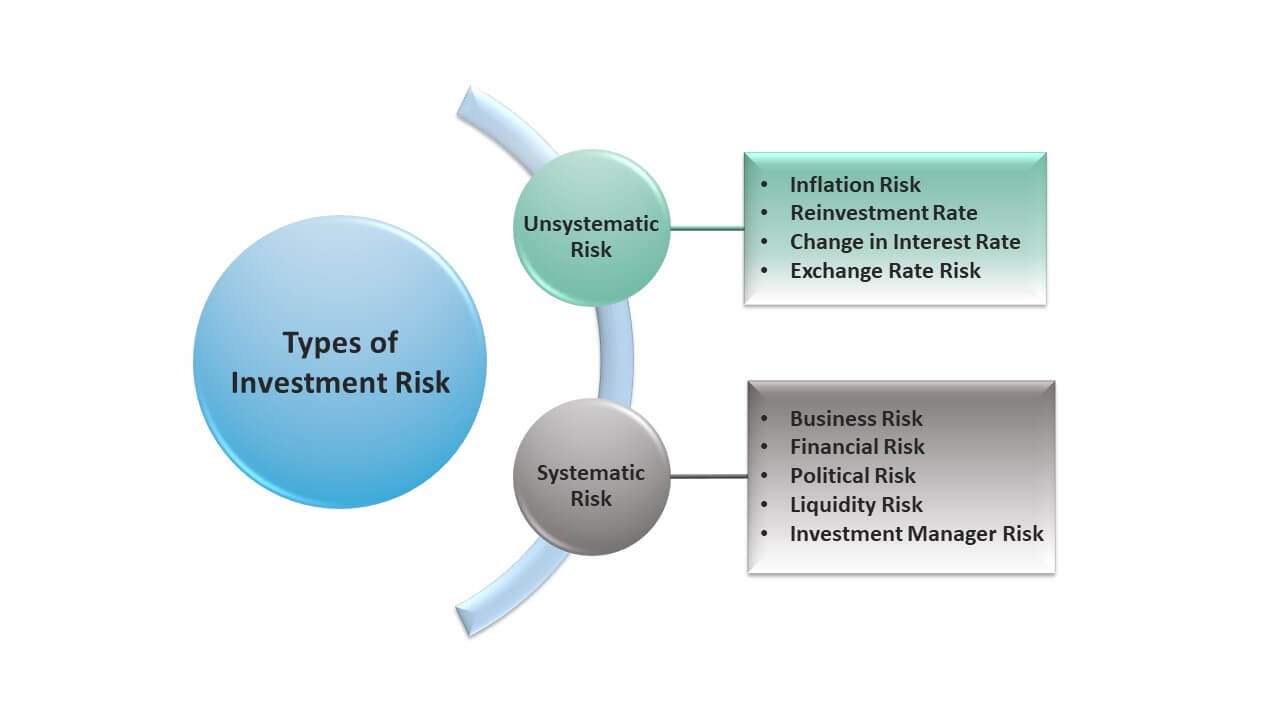
Investing for the long term is one of the best ways to reduce risk. By staying invested, you avoid missing out on market gains when prices rebound. Long term stocks tend to be less risky than short-term trading. Investing in small and mid-sized companies for longer periods can help you ride out market ups and downs. Even large companies can face short-term losses, but long-term investors have time to recover.
Remove Emotions from Your Decisions
One of the best things about long term investing is that it takes emotions out of the picture. When it comes to your money, it is better to think with your head, not your heart. If you feel tempted to sell every time the market dips, take a step back and stay patient. Investors who sell in a panic lock in their losses and miss out on future growth. Those who stay invested through market ups and downs are more likely to reach their long term investment goals.


Simple to Start and Maintain
You do not need advanced trading skills to invest for the long term. All you need is patience and a good plan. Using proven trading strategies can help you make the most of your returns. You do not need to be a financial expert to pick solid companies and hold them for years. No one is right all the time, and that is okay. Long term investing is simpler because you do not need to learn complex trading styles or platforms.
Save on Trading Fees
Every time you buy or sell an investment, you pay trading fees. The more you trade, the more fees you pay — and the less of your returns you get to keep. Staying invested for years helps keep these costs low and lets you keep more of your profits.


Sleep Better at Night
Long term investing can help you sleep better at night. You will not need to check the markets every morning or worry about daily price swings. Quality companies tend to be less volatile over time. Without the pressure of tracking every market move, you have more time for the things that matter — your family, your education, and your goals. A custom portfolio advisory can help you align your investments with what is important to you.
The Power of Compounding
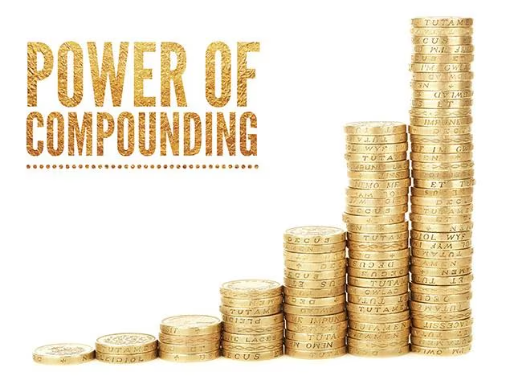
Long term investing lets you take advantage of compounding. This means you reinvest your profits and dividends over time to generate passive market income and grow your wealth further. Time is your greatest ally as an investor. Even a modest return can add up significantly over many years. The longer you stay invested, the more your money can grow through the power of compounding.

More Time for Your Money to Grow
The longer you stay invested, the more time your money has to grow through compounding. Reinvesting your returns instead of cashing them out helps your wealth grow faster over time. The earlier you start and the longer you stay, the more you benefit from this powerful effect.
Ride Out Market Ups and Downs
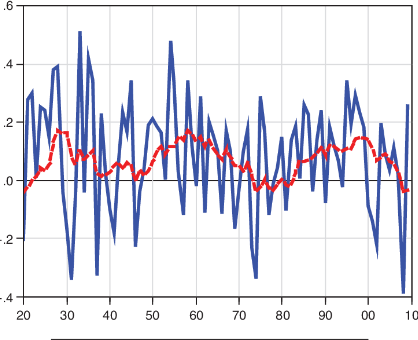
A long term mindset helps you ride out normal market ups and downs. Short-term changes in the market are normal and should not distract you from your goals. History shows that markets tend to rise over the long term, even after major setbacks. If you sell when prices drop, you lock in your losses. But if you stay invested, you are in the market when it recovers. Understanding market analysis can help you see that stocks may fall in the short term, but they have historically delivered strong returns over many years.
Stay Ahead of Inflation
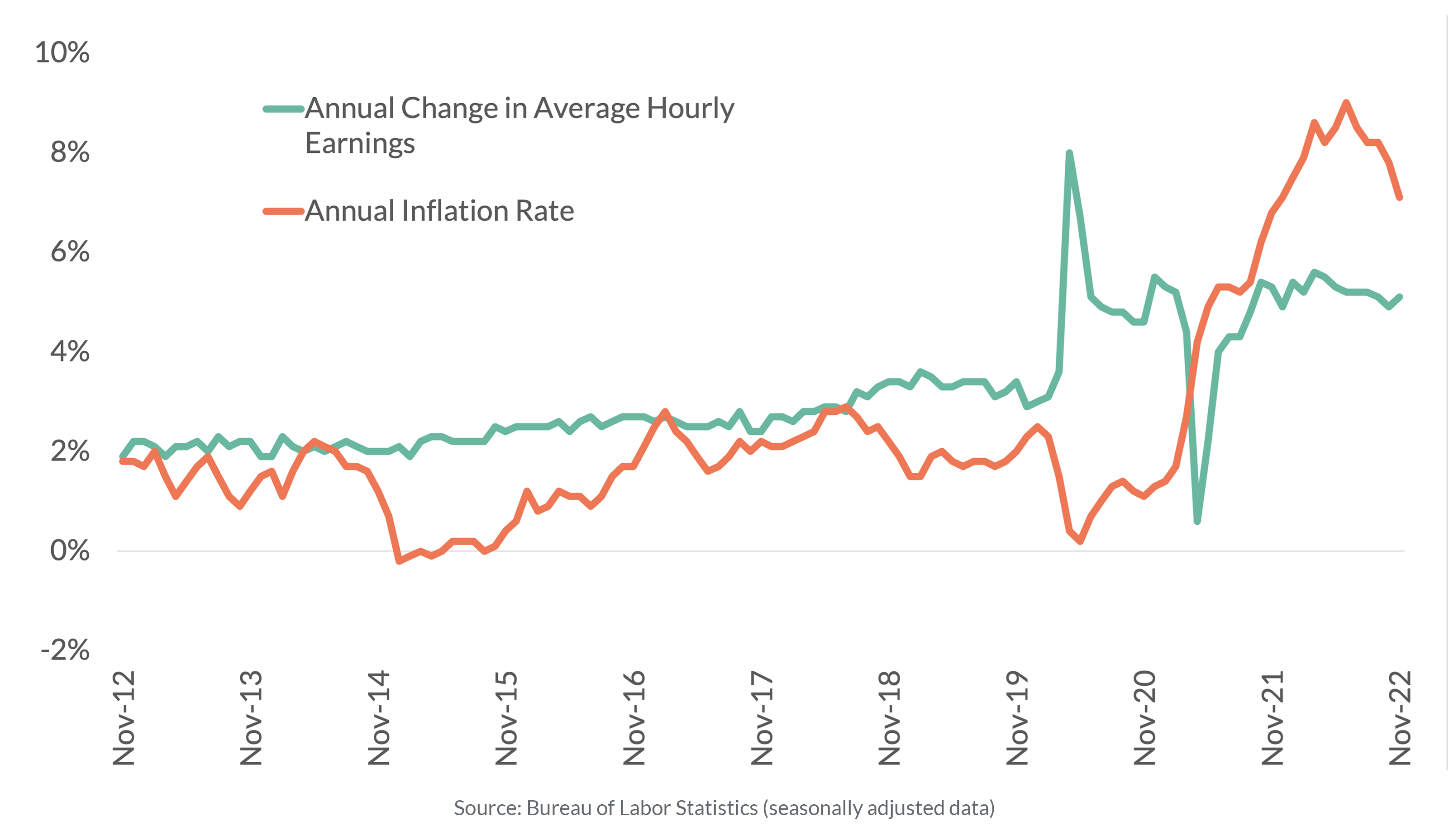
Long term investing allows you to take more risk with a larger share of your portfolio in growth assets. As a general rule, higher risk can lead to higher rewards over time. By focusing on growth investments like multibagger stock picks, you give yourself a better chance of outpacing inflation and growing your purchasing power. Investing for the long term is one of the best ways to protect your money from the effects of inflation.

Free Registration for Stock Market Tips ( Advisory Services)


As per the SEBI rules, we will provide our Services only to those clients who have Complete Risk Profile. Fill This Registration Form and
Contact us on
- Whatsapp @ +91 95999 69624
- Call Us @ +91 9650 890 321
for further process.
Risk Profiling is COMPULSORY
Everything You Need to Know About Long Term Investment
Long term investment is a strategy where you buy and hold assets such as stocks, mutual funds, or exchange-traded funds for an extended period, typically three years or more, to build wealth over time. Unlike short-term trading, long term investing relies on patience, compounding, and staying invested through market cycles rather than trying to predict daily price movements. By holding quality assets for years or decades, investors give their money more time to grow, recover from downturns, and benefit from the historical upward trajectory of stock markets.
What is considered a long term investment?
A long term investment is any asset held for three years or more with the intention of achieving capital appreciation and income over an extended horizon. In the Indian stock market, holding periods of three to seven years or longer are common for long term investors. Regulatory frameworks such as the Securities Transaction Tax and long-term capital gains tax rules in India also use a holding period of 12 months or more for equities to qualify for favourable tax treatment, though investors focused on building substantial wealth typically hold for much longer.
How does long term investment help build wealth?
Long term investment builds wealth through two primary mechanisms: compounding and market growth. Compounding occurs when reinvested dividends and capital gains generate their own returns over time, creating exponential growth. Market growth refers to the long-term tendency of stock prices to rise as companies increase their earnings and expand their operations. Together, these forces allow even modest regular investments to grow into significant sums over periods of 10, 20, or 30 years.
What types of assets are best for long term investment?
The most suitable assets for long term investment include large-cap and mid-cap stocks, diversified equity mutual funds, index funds, and exchange-traded funds that track broad market indices. These asset classes have historically delivered higher inflation-adjusted returns compared to fixed-income instruments such as bonds, fixed deposits, and savings accounts. Real estate and gold can also serve as long term holdings, though equities have generally outperformed them over extended time frames in the Indian market.
How is long term investment different from short term trading?
Long term investment focuses on owning quality assets for years and benefiting from overall market growth, while short term trading involves frequent buying and selling to profit from small price movements over days or weeks. Long term investors pay fewer trading fees, incur lower tax liabilities under long-term capital gains rules, and avoid the stress of timing the market. Short-term traders face higher transaction costs, greater tax burdens, and the emotional pressure of constant market monitoring.
- What is the minimum holding period for a long term investment in Indian stocks?
- For equities listed on Indian stock exchanges, a holding period of 12 months qualifies for long-term capital gains tax treatment under current tax laws. However, most long term investors hold stocks for three to ten years or more to maximise compounding benefits.
- Does long term investing guarantee returns?
- No investment strategy guarantees returns. Long term investing improves the probability of positive returns based on historical market performance, but individual stocks and even diversified portfolios can still lose value over extended periods due to economic downturns or company-specific issues.
- Can you lose money with long term investing?
- Yes, it is possible to lose money if you invest in fundamentally weak companies, overpay for assets, or sell during a market downturn. Diversification across sectors and careful stock selection help reduce this risk.
- How do dividends benefit long term investors?
- Dividends provide a regular income stream that can be reinvested to purchase additional shares, accelerating the compounding effect. Many blue-chip Indian companies have a consistent history of paying dividends, making them attractive for long term portfolios.
- Is it better to invest a lump sum or use SIP for long term goals?
- Systematic Investment Plans (SIPs) help average out purchase costs over time and reduce the risk of investing a large amount just before a market downturn. Lump sum investing can perform better in consistently rising markets, but SIPs are generally recommended for most long term investors due to their disciplined approach.
- Should you sell investments during a market crash?
- Selling during a market crash locks in losses and prevents you from benefiting when prices recover. Long term investors who stay invested through downturns have historically been rewarded as markets rebound and reach new highs over time.