


Mastering the Art of Stock Market Trading: Tips and Strategies for Success
Understanding stock market trading is essential for anyone looking to invest in the stock market. The stock market is a complex and dynamic environment where investors buy and sell shares of publicly traded companies. It is a place where fortunes can be made or lost, and having a solid understanding of how it works is crucial for success.
Understanding the Basics: What You Need to Know Before You Start Trading Stocks
Before diving into stock market trading, it is important to have a basic understanding of what it entails. Stock market trading refers to the buying and selling of shares of publicly traded companies on a stock exchange. When you buy a stock, you become a partial owner of the company and have the potential to profit from its success.

Looking for practical stock market trading tips to help you trade with confidence? This guide walks you through the key strategies and tools you need to succeed.
First, understand the basics. There are two main types of stocks: common stocks and preferred stocks. Common stocks give you voting rights and a chance to earn dividends. Preferred stocks pay a fixed dividend but do not give voting rights.
The stock market works when buyers and sellers meet on an exchange. When more people want to buy a stock, its price goes up. When more people want to sell, its price goes down. These price changes create chances for traders to profit.
To get started, learn stock market basics such as bid price, ask price, volume, and market capitalization. These terms help you understand market movements and make informed trades.
Developing a Trading Plan: The Key to Successful Stock Market Trading
Having a trading plan is crucial for successful stock market trading. A trading plan outlines your goals, risk tolerance, and strategies for entering and exiting trades. It helps you stay disciplined and avoid impulsive decisions based on emotions.

A good trading plan keeps you on track. It should include your investment goals, risk management rules, your preferred trading style (such as day trading or swing trading), and how you pick stocks to trade. It should also cover your entry and exit strategies, including stop-loss and take-profit levels.
To build a plan, start with your goals. Do you want short-term gains or long-term growth? How much risk can you handle? Once you know your goals and risk tolerance, you can create a strategy that fits.
Markets change, so review and update your plan often. This helps you stay on the professional trading career path and adjust to new opportunities.
Risk Management: How to Minimize Losses and Maximize Gains in Stock Trading
Risk management is a crucial aspect of stock market trading. It involves identifying and managing potential risks to minimize losses and maximize gains. Without proper risk management, even the most successful trading strategies can lead to significant losses.
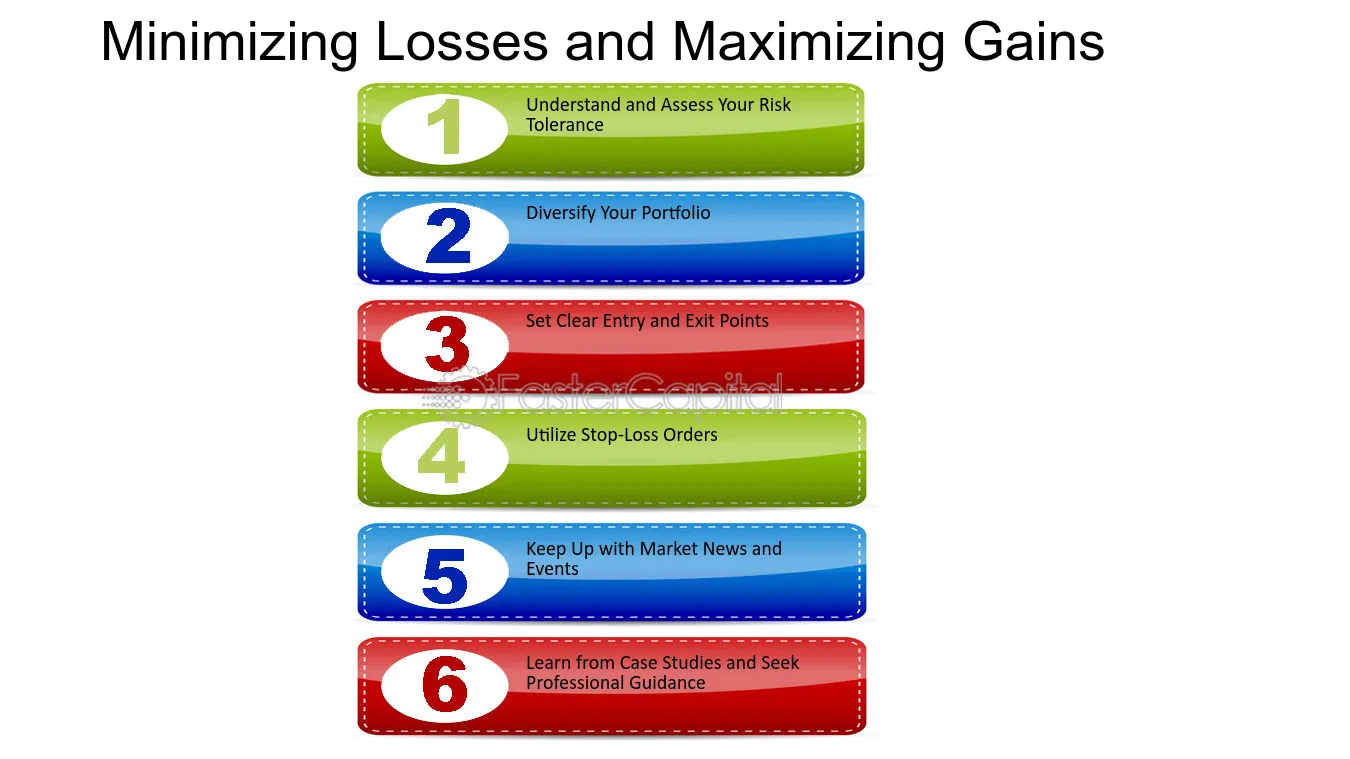
There are several types of risk in stock trading. Market risk means losing money when the overall market drops. Liquidity risk means you cannot buy or sell a stock at the price you want because not enough people are trading it. Operational risk means losses from system errors or mistakes.
To manage trading risks effectively, spread your money across different stocks and industries. This way, one bad stock does not hurt your whole portfolio too much.
Stop-loss orders are another useful tool. A stop-loss order sells a stock automatically when it drops to a certain price. This limits your losses. A take-profit order sells a stock when it reaches a target price, helping you lock in gains.
Technical Analysis: Using Charts and Indicators to Make Informed Trading Decisions
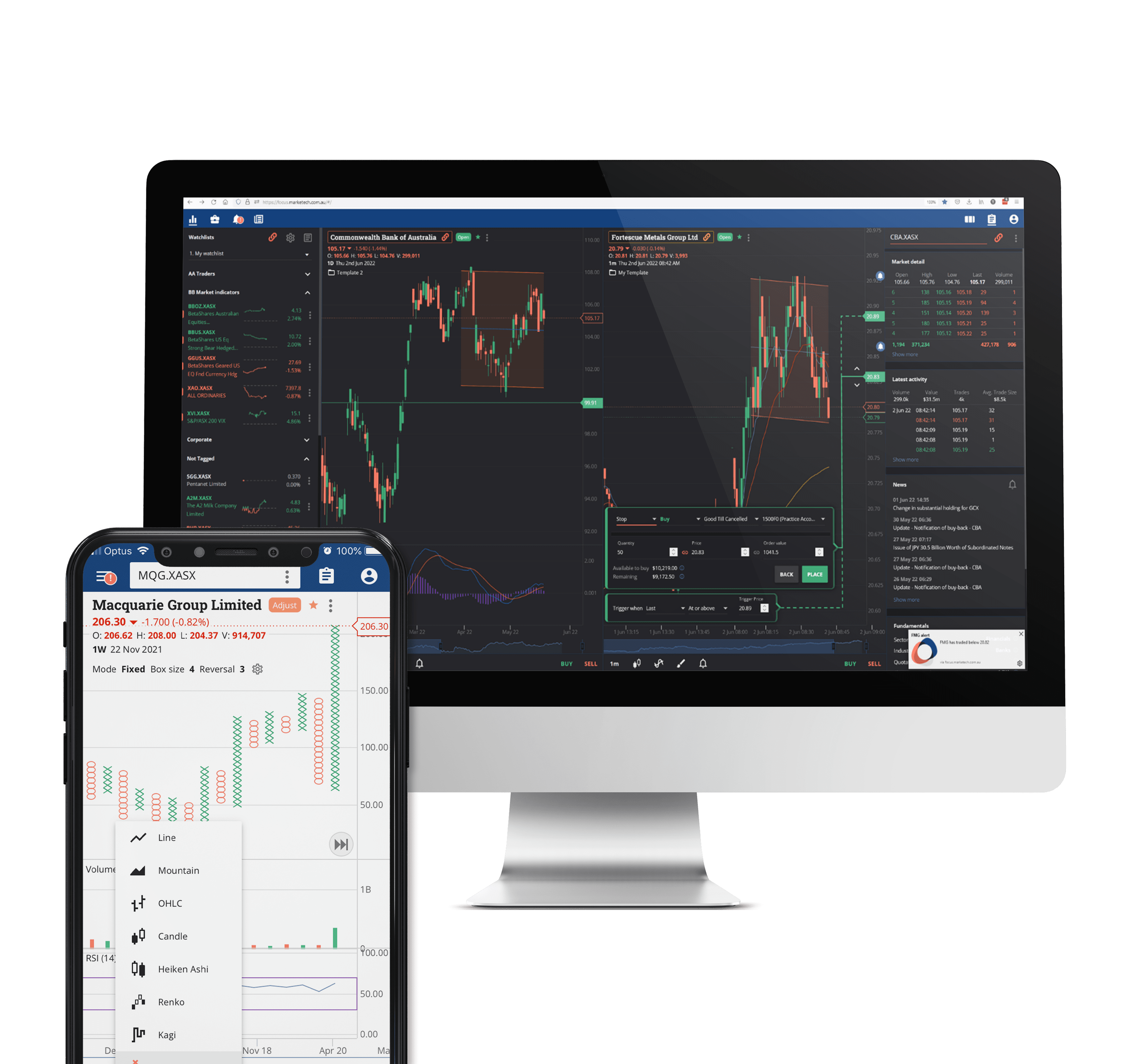
Technical analysis is a method of analyzing stock prices and volume data to make informed trading decisions. It involves studying charts and using technical indicators to identify patterns and trends in stock prices.
Charts help you see how a stock price has moved over time. The most common types are line charts, bar charts, and candlestick charts.
Line charts give a simple view of price over time. Bar charts show the open, close, high, and low prices for a period. Candlestick charts give more detail and can hint at trend changes.
Technical indicators are math calculations based on price and volume. They help you find good times to buy or sell. Common indicators include moving averages, the Relative Strength Index (RSI), and Bollinger Bands.
For more tips for beginners on technical analysis, learn what each chart type and indicator does best. Also, use technical analysis alongside fundamental analysis for well-rounded trading decisions.
Fundamental Analysis: Evaluating Company Performance to Identify Profitable Stocks
Fundamental analysis is a method of evaluating a company's financial health and performance to determine its value and potential for growth. It involves analyzing financial statements, industry trends, and economic factors to identify profitable stocks.

Fundamental analysis looks at a company’s financial health. It checks things like revenue growth, earnings per share (EPS), profit margins, and debt levels. It also looks at the company’s competitive edge, management team, and place in the industry.
To use fundamental analysis well, you need to understand financial statements. These include the income statement, balance sheet, and cash flow statement. They show how healthy a company is and how it performs.
Fundamental analysis takes time and effort. But it is a powerful way to find undervalued stocks with strong growth potential.
Market Psychology: Understanding the Emotions and Behaviors that Drive Stock Prices
Market psychology plays a significant role in stock market trading. It refers to the emotions and behaviors of traders and investors that drive stock prices. Understanding market psychology can help traders anticipate market movements and make better trading decisions.
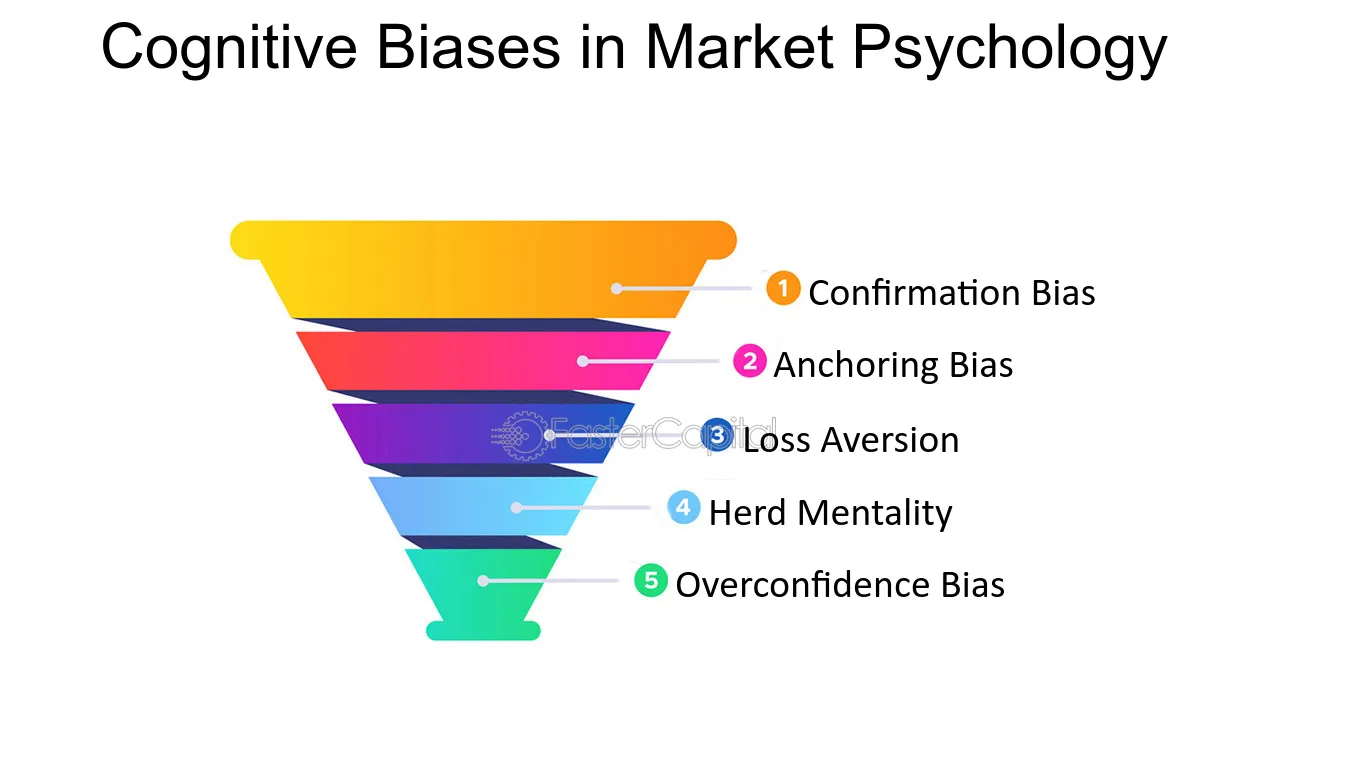
Emotions can affect your trading decisions. The most common ones are fear, greed, herd mentality, and overconfidence.
Fear can make you sell at a loss too soon. Greed can make you buy without thinking. Herd mentality means following the crowd, which can push prices too high or too low. Overconfidence can lead to taking too much risk.
To use market psychology well, watch your own feelings and biases. Also, track market sentiment using tools like the put-call ratio and the Volatility Index (VIX). These can tell you how other traders are feeling.
Trading Strategies: Different Approaches to Stock Market Trading and Which One is Right for You
There are several different trading strategies that traders can use in the stock market. Each strategy has its own pros and cons, and the right strategy for you will depend on your goals, risk tolerance, and trading style.

There are three main ways to trade stocks: day trading, swing trading, and long-term investing.
Day trading strategies involve buying and selling stocks within one day to profit from small price moves. Swing trading means holding stocks for a few days to a few weeks to catch bigger price changes. Long-term investing means buying stocks and holding them for years.
Day trading can be very profitable but also very risky. Swing trading offers a middle ground between quick gains and steady growth. Long-term investing is less risky but requires patience.
Pick a strategy based on your goals, risk tolerance, time, and experience. Review your strategy often and adjust it as market conditions change.
Timing the Market: Tips for Identifying the Best Times to Buy and Sell Stocks
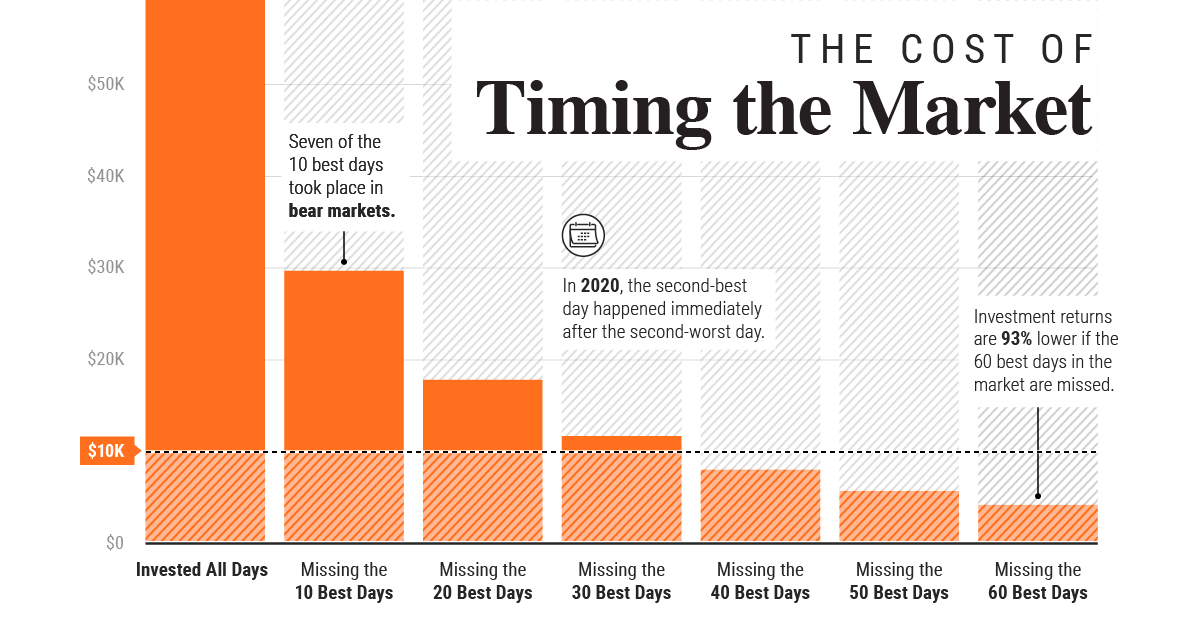
Timing the market is a crucial aspect of stock market trading. It involves identifying the best times to buy and sell stocks to maximize profits. While it is impossible to predict market movements with certainty, there are several factors that can help you make more informed timing decisions.
Market timing means choosing good times to buy and sell based on trends and signals. Key factors include economic data (such as GDP growth, inflation, and interest rates), company earnings reports, and overall market trends.
Timing the market is not about guessing short-term price moves. It is about spotting longer-term trends and acting on them. Keep a long-term view and do not get distracted by daily ups and downs.
Tools and Resources: The Best Trading Platforms, Software, and Websites for Stock Market Trading
There are several trading platforms, software, and websites available to assist traders in stock market trading. These tools provide access to real-time market data, charting capabilities, and trading execution.
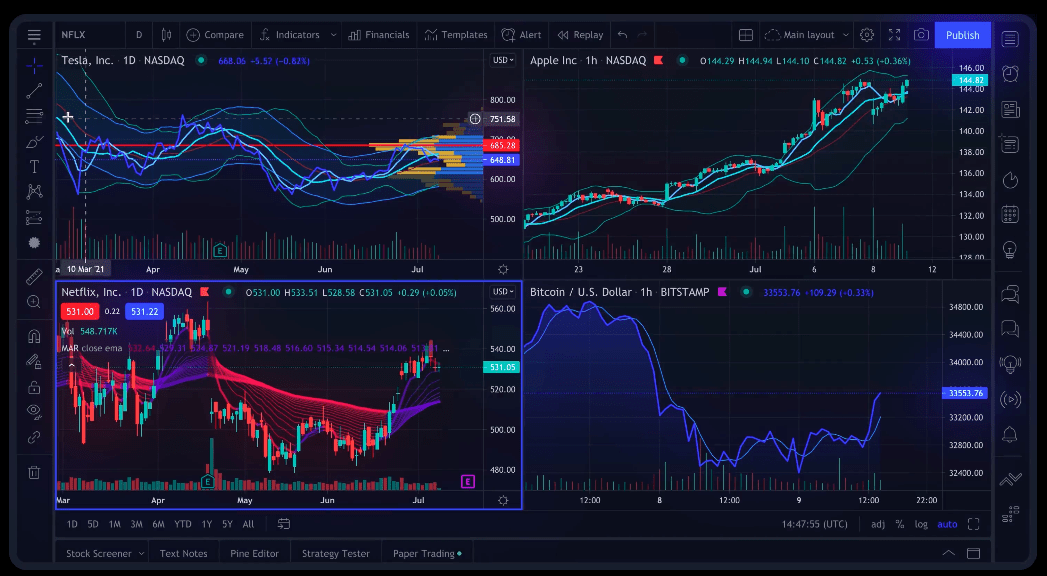
Many websites offer helpful resources for stock traders. These sites provide education, news, and analysis. Popular options include Investopedia, Seeking Alpha, Yahoo Finance, and Google Finance.
When picking tools, think about ease of use, cost, and what features matter most to you. Check regularly for new tools and updates.
Popular trading platforms in India include Zerodha, Upstox, Sharekhan, and Motilal Oswal. These platforms offer a wide range of tools for traders at all levels.
For advanced charting and analysis, check out software like MetaTrader, TradingView, and NinjaTrader.

Staying Ahead of the Game: Keeping Up with Market Trends and News to Stay Profitable in Stock Trading
Staying up-to-date with market trends and news is essential for staying profitable in stock trading. The stock market is constantly evolving, and being aware of the latest developments can help you make more informed trading decisions.
Stay up to date by reading financial news from trusted sources like The Wall Street Journal, Bloomberg, and Financial Times. These publications share in-depth analysis of market trends, company news, and economic updates.
You can also follow successful traders on social media like Twitter and LinkedIn. Many share their insights and analysis, which can serve as a helpful stock trading tips collection.


Review your trading plan often and update it as you learn new information. This helps you stay ready for changing market conditions.
Understanding stock market trading is key to investing with confidence. By learning the basics, building a plan, managing risk, using analysis tools, understanding market psychology, picking the right strategy, timing your trades, using good tools, and staying informed, you can trade smarter.
Remember that trading involves risk. Always do your own research and consider expert share advisory services before making investment decisions.
FAQs
What is stock market trading?
How does stock market trading work?
What are the risks of stock market trading?
What is a stock exchange?
What are some common stock market trading strategies?
What is a stock broker?

Free Registration for Stock Market Tips ( Advisory Services)


As per the SEBI rules, we will provide our Services only to those clients who have Complete Risk Profile. Fill This Registration Form and
Contact us on
- Whatsapp @ +91 95999 69624
- Call Us @ +91 9650 890 321
for further process.