Day Trading Explained: What You Need to Know
Day trading is the practice of buying and selling financial instruments within the same trading day. Day traders close all positions before the market closes to avoid overnight risk. The goal is to profit from short-term price movements using technical analysis, real-time data, and disciplined risk management. Unlike long-term investing, day trading relies on small, frequent gains that compound over many trades.
What is day trading?
Day trading means opening and closing trades within a single trading session. Traders do not hold positions overnight. This approach removes the risk of after-hours news or price gaps that can occur when markets are closed. Day traders typically focus on liquid stocks, ETFs, forex pairs, or futures contracts that move enough during the day to create trading opportunities.
How do day traders make money?
Day traders make money by capturing small price movements in highly liquid markets. They use leverage, tight spreads, and fast execution to enter and exit positions quickly. Profits come from the difference between the buy and sell price, multiplied by position size. Successful day traders aim for a high win rate or a favorable risk-reward ratio across many trades rather than large gains on any single trade.
What tools do day traders use?
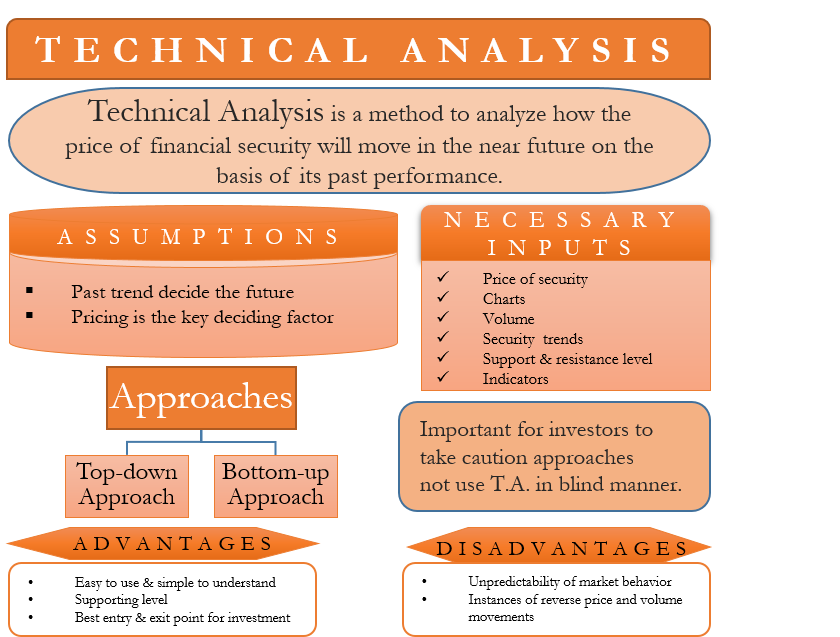
Day traders rely on a broker platform with direct market access, real-time level 2 data, and charting software with technical indicators. Common tools include moving averages, relative strength index (RSI), volume analysis, and candlestick pattern recognition. A reliable internet connection and a monitor setup for multiple charts are also standard equipment for active day traders.
What rules help day traders stay consistent?
Consistent day traders follow predefined rules for entry, exit, and position sizing. They set a maximum daily loss limit and stop trading once that limit is hit. They also review every trade in a journal to identify patterns in their decision-making. Sticking to a plan, rather than reacting to emotions, is what separates disciplined traders from those who lose money.
- How is day trading different from investing?
- Day trading involves buying and selling within the same day to profit from short-term price fluctuations, while investing means holding assets for months or years to benefit from long-term growth and compounding.
- How much capital do you need to start day trading?
- In the US, the Financial Industry Regulatory Authority (FINRA) requires a minimum account balance of $25,000 for pattern day traders. In other markets, minimums vary, but many brokers allow accounts to be opened with smaller deposits for non-pattern traders.
- What markets are best for day trading?
- The most popular markets for day trading are US stocks, forex, and index futures such as the S&P 500 E-mini. These markets offer high liquidity, tight bid-ask spreads, and sufficient volatility for intraday moves.
- Is day trading risky?
- Yes, day trading carries significant risk, including the potential to lose more than the initial amount invested. Using leverage amplifies both gains and losses. A structured risk management plan with stop-loss orders is essential to protect capital.
- Can you day trade with a full-time job?
- Day trading requires full attention during market hours, so it is difficult to combine with a standard full-time job. Many traders start by trading during pre-market or post-market sessions or focus on a single liquid market during a short window each day.
- What is the first skill a beginner day trader should learn?
- The first skill is risk management, not chart reading. Beginners should learn how to size positions, set stop-losses, and accept small losses before they learn advanced patterns or indicators. Protecting capital is the foundation of long-term day trading.