
Risk Management Strategies in Stock Market
How To Manage And Minimize The Risks Associated With Day Trading.
Why Day Trading Risk Management Matters
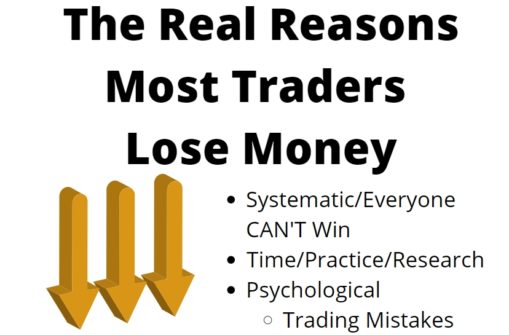
Managing risk is one of the most important skills for any day trader. Without a solid plan, even good traders can lose money. Studies show that over 90% of day traders fail to make steady profits. A big reason is not having a broader risk management guide. The truth is, protecting your capital matters just as much as finding good trades.
Risk per Trade
A basic rule of day trading risk management is to never risk too much on one trade. Many traders follow the 1% rule. This means you risk no more than 1% of your trading capital on a single trade. That way, one bad loss will not wipe out your account.
If you have a $50,000 trading account, you would risk no more than $500 (1% of $50,000) on a single trade.\nStop-Loss Orders

A stop-loss order tells your broker to sell a stock when it hits a certain price. It helps limit how much you can lose on a trade. For example, you can set intraday stop-loss orders at 2% below your buy price. This way, your loss is capped at 2%.
You buy a stock at $100 and place a stop-loss order at $98. If the stock falls to $98, the stop-loss order is triggered, and your stock is sold at the next available price.\nRisk-Reward Ratio

The risk-reward ratio helps traders compare what they could lose to what they could gain. The best ratio depends on your trading style. But many traders look for a ratio of at least 1:2 or 1:3.
If you enter a trade with a potential loss (risk) of $100 and a potential gain (reward) of $300, your risk-reward ratio is 1:3.\nPosition Sizing
Position sizing helps you decide how much capital to use on each trade. One tool for this is the Kelly Criterion. It is a formula that helps you find the best trade size for long-term growth.
The Kelly Formula: f* = (bp - q) / b\nwhere:\nf* is the fraction of the current bankroll to wager;\nb is the odds received on the bet;\np is the probability of winning;\nq is the probability of losing, which is 1 - p.\nDiversification

Diversification means spreading your money across different investments. This helps lower your overall risk. In day trading, this could mean trading different sectors instead of just one. Or using more than one strategy.
Instead of trading only tech stocks, you diversify by trading commodities, forex, and different sectors like healthcare and finance.\nVolatility Assessment
It is important to understand how much a stock’s price moves. The Average True Range (ATR) is a tool that measures this movement. A higher ATR means the stock is more volatile. You can use this info to set better stop-loss orders.
If a stock has an ATR of $2, it means that the stock has had an average range of $2 over the selected period. This information can be used to adjust your stop-loss orders accordingly.\nDaily Loss Limit

A daily loss limit stops you from losing too much in one day. It is a set dollar amount or percentage you are willing to lose. Once you hit that limit, you stop trading for the day. This helps you avoid making emotional decisions.
If your daily loss limit is $1,000, once your trades have resulted in a loss of that amount, you cease trading for the day.\nLeverage Management
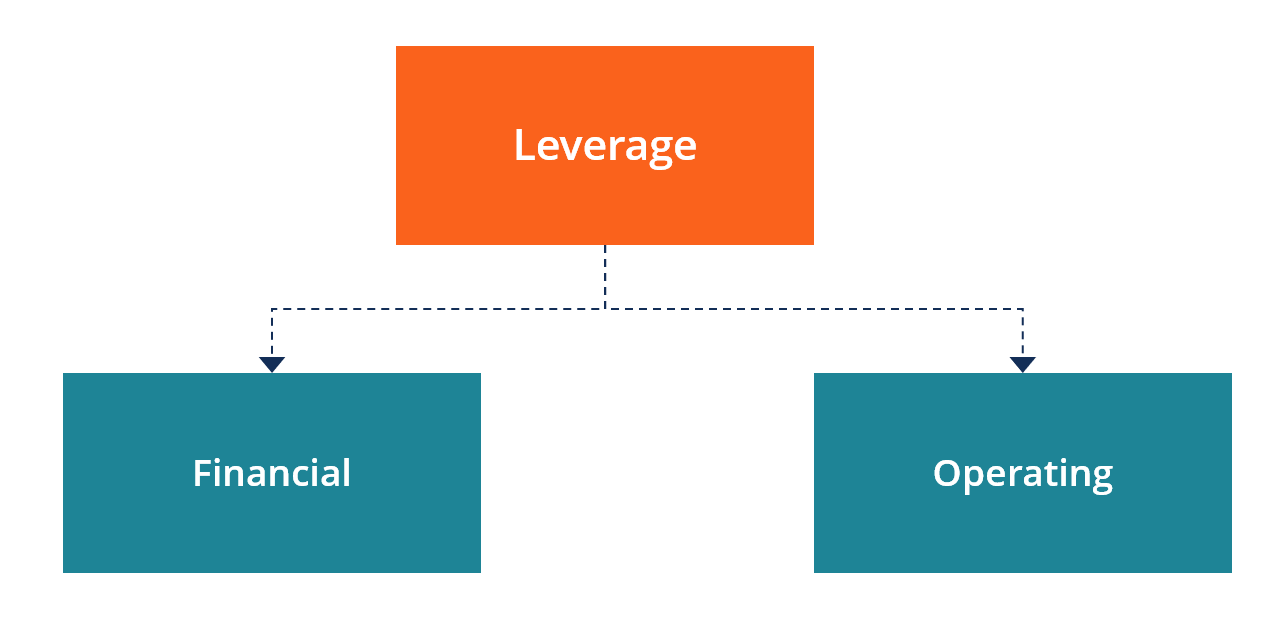
Leverage can boost your gains, but it can also increase your losses. Managing leverage means knowing how margin trading works. Always make sure you have enough capital to cover possible losses.
If you have $10,000 in your trading account and use 10:1 leverage, you can take a $100,000 position. If the position moves against you by 1%, you would lose $1,000, or 10% of your account.\nContinuous Education
Markets change all the time. A strategy that worked last month may not work today. That is why ongoing learning is so important. Stay up to date on market trends, new strategies, and economic news.
Regularly attending webinars, reading the latest market analysis, and back-testing strategies to adapt to the current market environment.\nUse these risk management strategies to protect your capital and trade with more confidence. Risk management is not a one-time task. Check your plan often to make sure it still fits your style and the current market.
What Is Day Trading Risk Management?
Day trading risk management is the practice of identifying, assessing, and controlling the financial risks associated with buying and selling securities within the same trading day. It involves applying rules and tools such as stop-loss orders, position sizing, risk-reward ratios, and daily loss limits to protect trading capital from significant losses. Effective risk management is what separates consistently profitable day traders from those who lose their accounts over time.
Why Is Risk Management Important in Day Trading?
Risk management is important in day trading because it preserves capital, prevents emotional decision-making, and ensures a trader can survive the inevitable losing streaks. Day trading involves rapid decisions and high volatility, making it easy to lose a large portion of an account on a single bad trade. Without a risk management plan, a trader may exit the market entirely before ever experiencing the long-term benefits of their strategy.
What Is the 1% Rule in Day Trading?
The 1% rule is a risk management guideline that states a trader should not risk more than 1% of their total trading capital on any single trade. For example, a trader with a $50,000 account would risk a maximum of $500 per trade. This rule prevents any one loss from having a catastrophic impact on the account and allows the trader to endure multiple consecutive losses while still having capital to trade.
How Do Stop-Loss Orders Work for Day Traders?
A stop-loss order is an instruction to a broker to automatically sell a security when its price reaches a predetermined level. For day traders, this order caps the maximum loss on a trade without requiring constant monitoring of the position. If a trader buys a stock at $50 and sets a stop-loss at $49, the position is automatically closed if the price drops to $49, limiting the loss to $1 per share.
What Is a Good Risk-Reward Ratio for Day Trading?
A good risk-reward ratio for day trading is typically at least 1:2, meaning the potential reward is twice the potential risk. Some traders aim for 1:3 or higher depending on their win rate and trading style. A positive risk-reward ratio means that a trader can win fewer than half of their trades and still be profitable over time, which is critical given the statistical difficulty of achieving high win rates in day trading.
How Does Position Sizing Protect a Trading Account?
Position sizing determines how much capital to allocate to a single trade based on the account size and the specific risk of that trade. Tools such as the Kelly Criterion or fixed fractional methods help traders calculate the optimal position size. Proper position sizing ensures that no single trade, regardless of how unexpected the outcome, can wipe out a meaningful portion of the trading account.
What Is a Daily Loss Limit and How Does It Work?
A daily loss limit is a predetermined dollar amount or percentage loss that triggers an automatic stop to all trading activity for the remainder of the day. For example, a trader may set a $1,000 daily loss limit and stop trading entirely once that threshold is reached. This prevents the emotional spiral of revenge trading, where a trader takes increasingly reckless positions to recover losses, which often leads to even larger losses.
- What is day trading risk management?
- Day trading risk management is the set of rules, techniques, and tools a trader uses to limit financial losses when buying and selling securities within the same trading day. It includes stop-loss orders, position sizing, risk-reward ratios, and daily loss limits.
- What is the 1% rule in day trading?
- The 1% rule states that a trader should risk no more than 1% of their total trading capital on any single trade. This ensures that a string of losing trades does not deplete the account and allows the trader to continue executing their strategy.
- How does a stop-loss order protect day traders?
- A stop-loss order automatically sells a security when its price falls to a preset level, capping the trader's loss on that position. It removes emotion from the exit decision and ensures losses are controlled even when the trader is not watching the screen.
- What is a good risk-reward ratio for day trading?
- Many day traders aim for a minimum risk-reward ratio of 1:2, meaning the potential profit is at least double the potential loss. Higher ratios such as 1:3 are even more favorable but may be harder to achieve depending on market conditions.
- What is position sizing in day trading?
- Position sizing is the process of calculating how many shares or contracts to trade based on account size, stop-loss distance, and the amount of capital the trader is willing to risk. It ensures consistency and prevents overexposure on any single trade.
- Why do day traders use a daily loss limit?
- A daily loss limit prevents a trader from losing more than a set amount in a single day by stopping all trading once the limit is reached. It protects against emotional revenge trading and helps preserve capital for future trading sessions.