
Market Psychology

Study The Emotions And Behaviors Of Traders To Anticipate Market Movements.

Market Psychology

Market Psychology

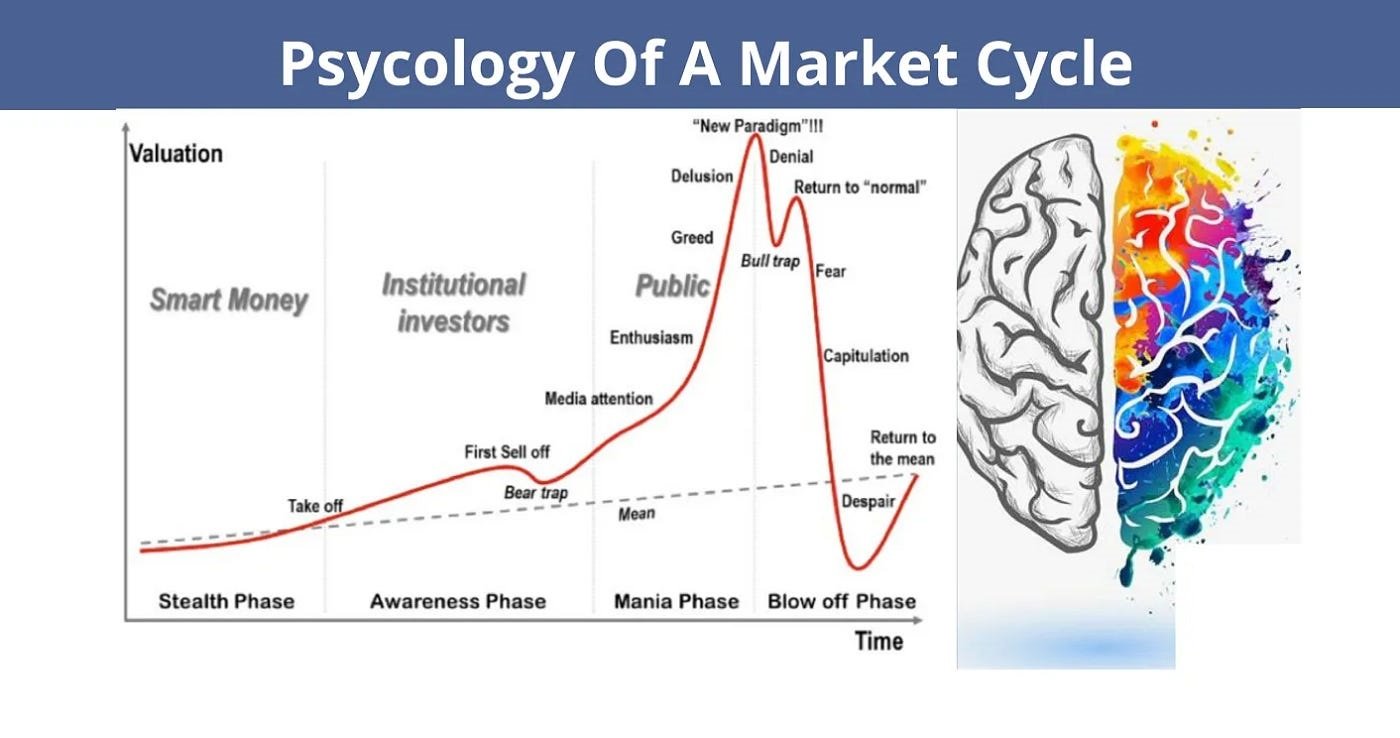
Financial markets are driven by more than numbers and facts. Emotions affect trading decisions in powerful ways. Market psychology is the study of how feelings and behaviors move the markets. It helps explain why prices go up and down in ways that charts and news alone cannot.

The Role of Fear and Greed
The Role of Fear and Greed

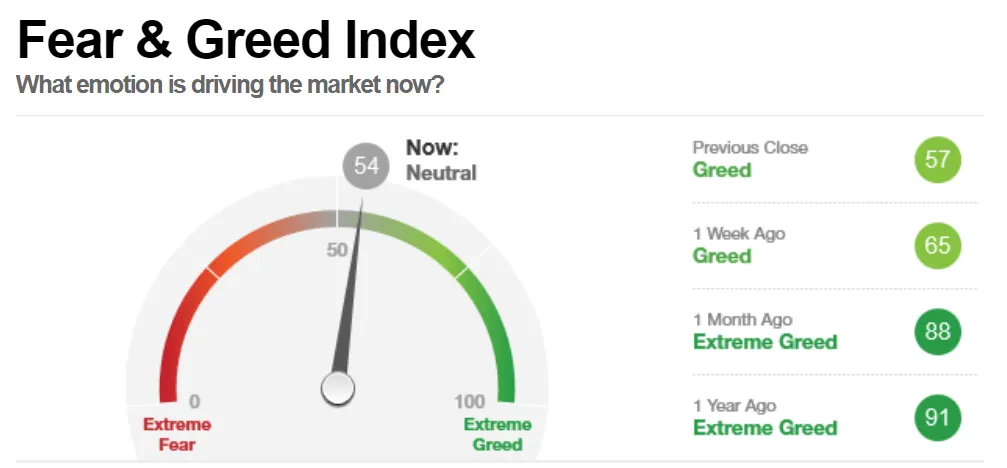
Fear and greed are two of the most powerful emotions driving the markets. When greed takes over, prices can inflate beyond reasonable levels in what is known as a bubble. Conversely, when fear dominates, it can lead to a rapid sell-off, or a crash.

For instance, during the Dotcom bubble of the late 1990s, greed drove the prices of technology stocks to unsustainable levels, only for fear to cause a dramatic crash in the early 2000s.

Herd Mentality
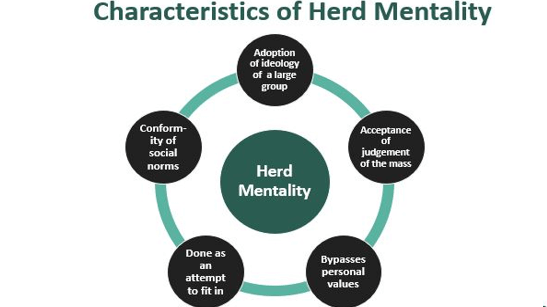
Herd mentality refers to the tendency of traders to follow the majority. This can often lead to exaggerated market movements as individuals rush to join in on a perceived trend without doing their own analysis.

An example of herd mentality can be seen during the flash crash of 2010 when the Dow Jones Industrial Average plummeted over 1,000 points in mere minutes as traders panicked and followed others in selling their positions.

Key Concepts in Trading Psychology

Cognitive Biases

Cognitive Biases

Traders are often influenced by cognitive biases that affect how they make decisions. Confirmation bias is one common example. It is the tendency to look for and favor information that supports what you already believe.

A trader might overvalue information that suggests a stock will go up because they already own it, ignoring signs that it could be overvalued.

Contrarian Investing

Contrarian investing is a strategy that involves going against prevailing market trends on the belief that the crowd is often wrong at extremes. This approach requires a deep understanding of market psychology and a strong conviction to act against the tide.

A famous contrarian investor, Warren Buffett, is known for his saying, "Be fearful when others are greedy, and greedy when others are fearful," which encapsulates the essence of contrarian thinking.

Using Market Psychology in Intraday Trading

Sentiment Analysis
Sentiment Analysis

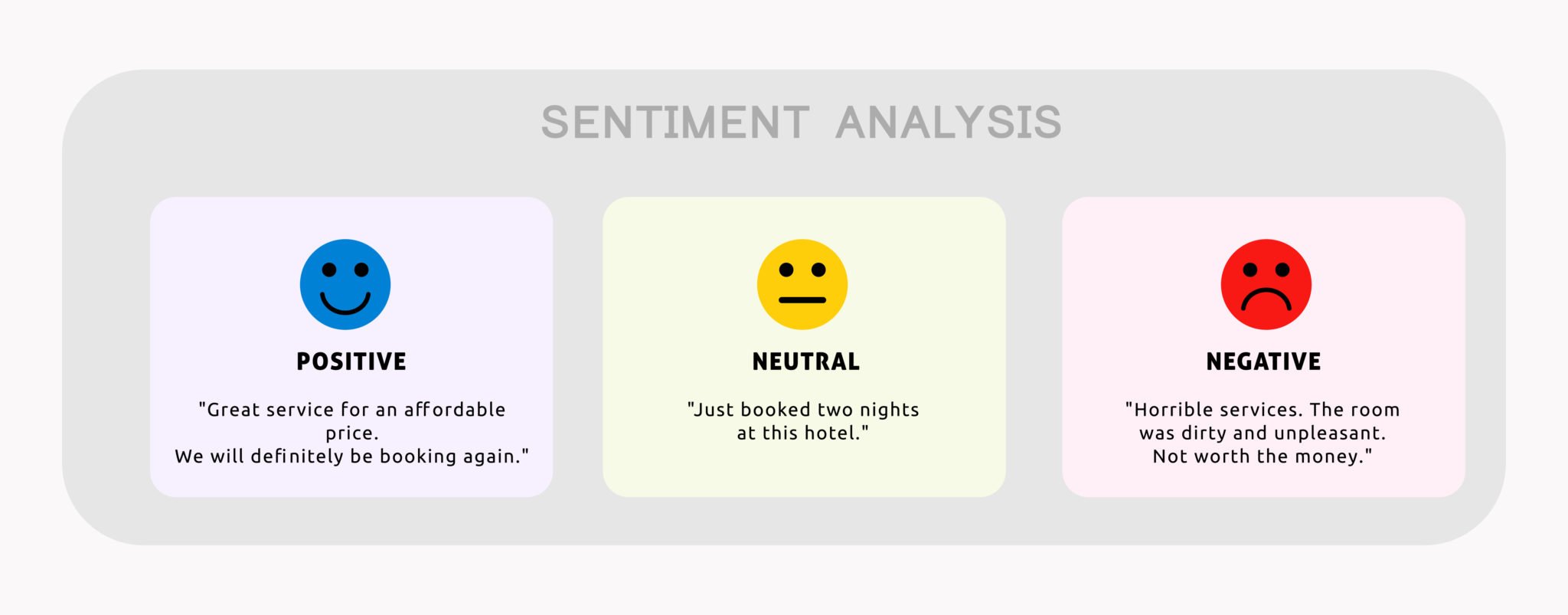
Sentiment analysis helps traders measure the mood of the market. You can do this by tracking bullish and bearish comments on social media or financial news. This can help predict where prices might go next.

A surge in bullish sentiment on Twitter regarding a particular stock might indicate an upcoming increase in its price, prompting a day trader to take a long position.

Behavioral Economics and Trading

Behavioral Economics and Trading

Behavioral economics blends psychology with economics. It helps traders understand strange patterns in the market. One example is the disposition effect, where traders hold losing stocks too long and sell winning stocks too soon.

The disposition effect is when traders hold onto losing stocks too long, hoping they'll rebound, and sell winning stocks too quickly to "lock in gains," which can lead to suboptimal trading performance.

Emotional Discipline and Risk Management
Emotional Discipline and Risk Management

Successful day trading requires emotional discipline and good risk management. These help reduce the impact of market psychology on your trades. Always use stop-loss orders and risk only a small part of your capital on each trade.

A day trader might set a stop-loss order 5% below the purchase price to limit their potential loss on a trade, regardless of their emotional attachment to the stock.

Tools for Measuring Market Sentiment

The VIX – Market’s Fear Gauge

The VIX, also known as the Volatility Index, measures the market’s expectation of volatility and is often referred to as the “fear gauge.” A high VIX indicates increased fear, while a low VIX suggests complacency among investors.

During periods of high market stress, such as the financial crisis of 2008, the VIX can spike to levels far above the norm, indicating widespread fear and often correlating with sharp market declines.

Quantitative Analysis of Emotions

Some traders use quantitative analysis to measure emotions. They may apply algorithms to assess the number of positive and negative words in financial news articles to derive a sentiment score.

A quantitative trader might use natural language processing (NLP) to analyze thousands of news articles and derive a sentiment score that suggests whether the market sentiment is currently bullish or bearish.

When you understand market psychology, you can make better trading decisions. It helps you anticipate market movements and trade with more confidence.

What Is Market Psychology in Intraday Trading and Why Does It Matter?

Market psychology in intraday trading refers to the collective emotions, biases, and behavioral patterns that influence the short-term price movements of financial assets within a single trading day. Unlike long-term investing, where fundamentals and valuations play a larger role, intraday trading is heavily shaped by fear, greed, and the emotional reactions of market participants in real time. Traders who understand market psychology can anticipate price swings driven by sentiment rather than fundamentals, giving them a clearer edge when entering and exiting positions throughout the day.

How do fear and greed affect intraday trading decisions?

Fear and greed are the primary emotional drivers behind rapid intraday price moves. Greed can cause traders to chase a rising stock, pushing prices above rational levels, while fear can trigger panic selling that drives prices sharply lower. Intraday traders who recognize these extremes can avoid buying at the top of a greed-driven rally or selling at the bottom of a fear-driven sell-off.

What is herd mentality in intraday trading?

Herd mentality is the tendency of traders to mimic the actions of the majority, often ignoring their own analysis. In intraday trading, this amplifies price movements as large groups buy or sell simultaneously. Recognizing herd behavior helps traders identify when a trend is driven by emotion rather than substance, allowing them to take contrarian positions at turning points.

How can cognitive biases impact intraday trades?

Cognitive biases such as confirmation bias, overconfidence, and the disposition effect distort how intraday traders process information and make decisions. For example, confirmation bias leads traders to seek out news that supports their existing position while ignoring warning signs, and the disposition effect causes them to hold losing trades too long while exiting winners too early. Awareness of these biases is essential for disciplined intraday trading.

What tools help measure market psychology during a trading day?

Traders use sentiment analysis tools, the VIX (Volatility Index), and real-time social media monitoring to gauge market psychology during intraday sessions. Sentiment analysis scans financial news and social platforms for bullish or bearish language, while the VIX reflects the level of fear or complacency across the broader market. These tools provide data-driven signals that complement technical analysis.

How does emotional discipline improve intraday trading performance?

Emotional discipline allows intraday traders to stick to their trading plan regardless of temporary market noise or emotional pressure. By using stop-loss orders, position sizing, and predefined entry and exit rules, traders can reduce the influence of fear and greed on their decisions. Consistent emotional discipline is a distinguishing factor between novice and experienced intraday traders.

What is the difference between market psychology and technical analysis in intraday trading?

Market psychology focuses on the emotional and behavioral factors that drive price action, while technical analysis examines historical price patterns, volume, and chart indicators. Both approaches overlap: many technical patterns, such as support and resistance levels, exist because they reflect collective psychological reactions of traders. Combining an understanding of market psychology with technical analysis gives intraday traders a more complete view of short-term price behavior.

What is market psychology in intraday trading?
Market psychology in intraday trading is the study of how emotions, cognitive biases, and collective behavior influence short-term price movements within a single trading day.
Why is market psychology important for day traders?
Market psychology helps day traders understand why prices move beyond what fundamentals or technical indicators alone can explain, allowing them to anticipate sentiment-driven reversals and breakouts.
How can I control fear and greed while day trading?
You can control fear and greed by using a predefined trading plan, setting stop-loss and take-profit levels before entering a trade, and avoiding impulsive decisions based on rapid price changes.
What is the role of the VIX in intraday trading?
The VIX, or Volatility Index, measures expected market volatility and is used as a fear gauge. A rising VIX indicates increasing fear, which often correlates with market declines and higher intraday price swings.
Can market psychology predict intraday price movements?
Market psychology alone cannot predict exact prices, but it provides context about the emotional state of the market, which increases the probability of anticipating short-term turning points and trend exhaustion.
What is the disposition effect in intraday trading?
The disposition effect is a cognitive bias where traders sell winning positions too early to lock in gains and hold losing positions too long in hopes of a rebound, often reducing overall profitability.
Scroll to Top