


Indian Stock Market Analysis
Strategies, Tools, and Tips
We are providing you valuable insights into various strategies, tools, and tips that can help you make informed investment decisions. Whether you are a seasoned investor or just starting out, this guide will equip you with the necessary knowledge to analyze stocks effectively and improve your chances of success in the stock market.
The Indian Stock Market
The Indian stock market is a dynamic place where individuals and institutions like FIIs and DIIs engage in the buying and selling of stocks. With its vast array of companies listed on various exchanges, such as the National Stock Exchange (NSE) and the Bombay Stock Exchange (BSE), the Indian stock market offers numerous opportunities for investors to grow their wealth.
To navigate this complex and ever-changing plateform successfully, it is essential to have a solid understanding of market analysis and make informed decisions. Market analysis involves studying various factors that can influence stock prices, such as economic indicators, company financials, industry trends, and geopolitical events.
One commonly used method of market analysis is fundamental analysis. This approach involves evaluating a company's financial statements, including its balance sheet, income statement, and cash flow statement, to assess its overall health and growth potential. Investors also analyze qualitative factors, such as a company's management team, competitive advantage, and industry position.
Another popular approach is technical analysis, which focuses on studying historical price and volume data to identify patterns and trends. Technical analysts use various tools, such as charts, indicators, and oscillators, to predict future price movements. By identifying support and resistance levels, trend lines, and chart patterns like head and shoulders or double tops, investors attempt to time their entry and exit points for maximum gains.
Introduction to Stock Market Analysis
Market Structure
This guide explains Indian stock market structure in simple terms. The market runs on two main exchanges: the Bombay Stock Exchange (BSE) and the National Stock Exchange (NSE). These are the key platforms where investors buy and sell stocks, commodities, and derivatives.


Market Participants
Diverse participants, including retail investors, institutional investors, traders, and foreign investors, contribute to the vibrancy of the Indian stock market. Understanding the roles and motivations of these participants is crucial for market analysis.
Key Concepts in Indian Stock Market Analysis
Fundamental Analysis
Fundamental analysis looks at a company’s financial health. You check things like earnings, revenue, and balance sheets to find out what a stock is really worth and how much it can grow.

Key parts of fundamental analysis:
- Financial statements (balance sheet, income statement, cash flow)
- Ratios (P/E ratio, EPS, ROE)
- Industry and competitor analysis
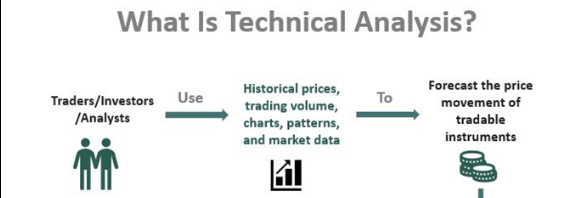
Technical Analysis
Technical analysis relies on historical price and volume data to forecast future price movements. Chart patterns, Bollinger Bands indicator, and trend analysis are essential components of this approach, providing insights into market sentiment.
Key components of technical analysis:
- Price charts (line, bar, candlestick)
- Support and resistance levels
- Trend lines and moving averages
- Indicators (RSI, MACD, Bollinger Bands)
Quantitative Analysis: Utilizing Data and Algorithms
Sentiment Analysis
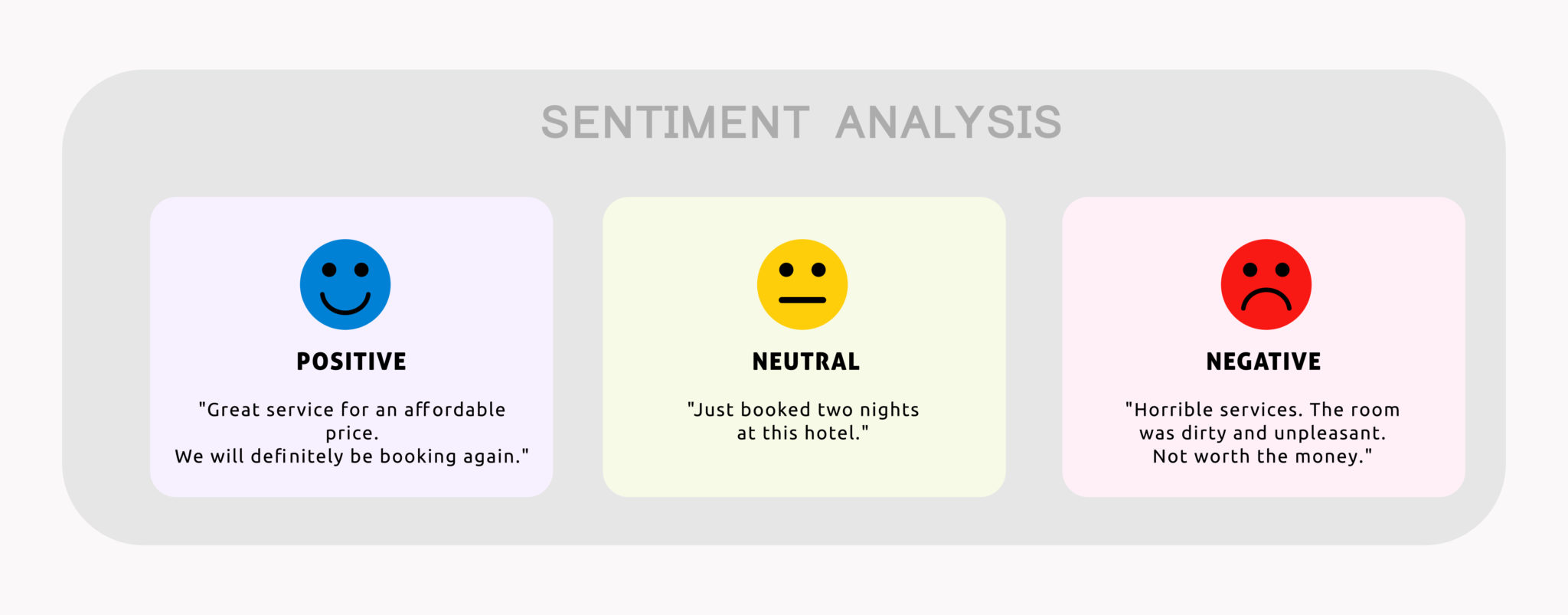
Market sentiment means the overall mood of investors. Sentiment analysis studies news, social media, and other sources to help predict how the market might move next.
Key parts of quantitative analysis:
- Gathering and processing data
- Building and testing algorithms
- Managing risk and improving portfolios
Macroeconomic factors also play a big role in the Indian stock market. Things like GDP growth, inflation, interest rates, government policies, and global trends can move stock prices. Staying updated on these helps you make better investment choices.
Methods of Indian Stock Market Analysis
Top-Down Approach
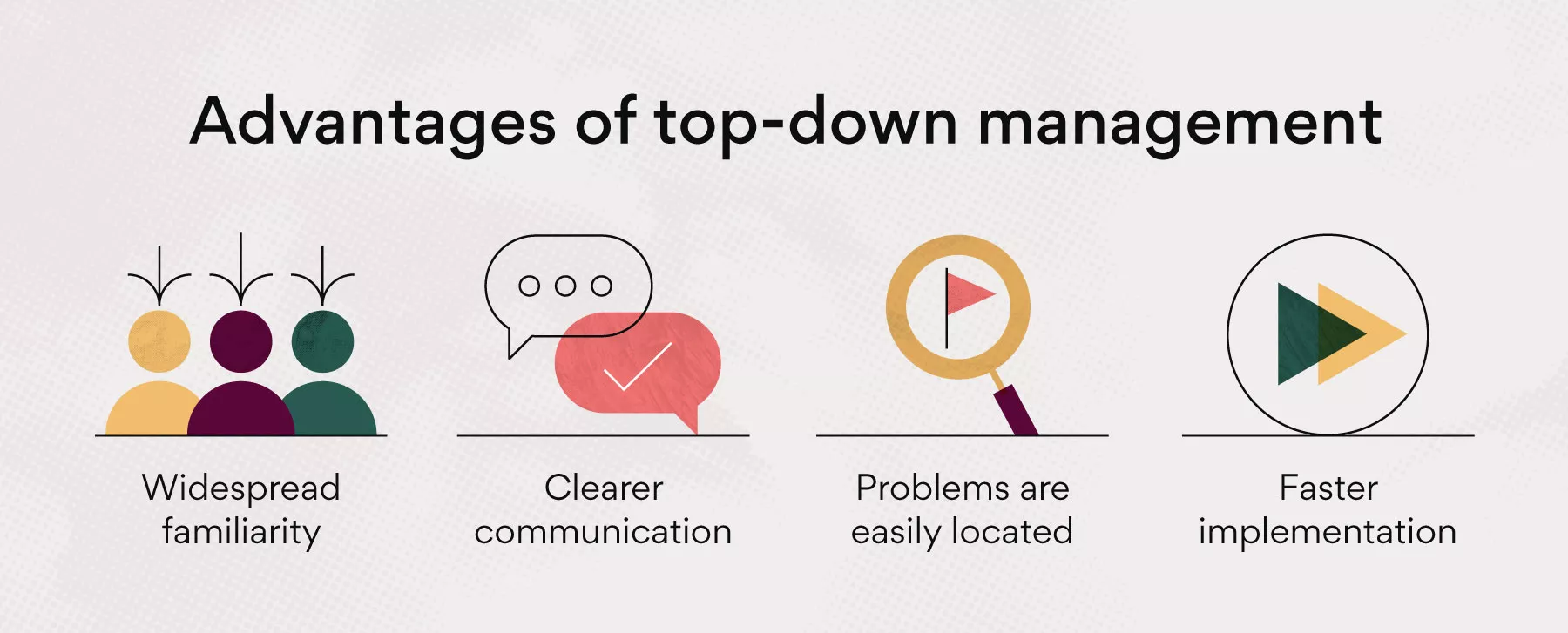
Investors employing a top-down approach begin by analyzing broader economic factors, such as GDP growth and interest rates, before narrowing down to specific sectors and individual stocks. This approach helps align investments with prevailing economic conditions.

Bottom-Up Approach
Conversely, a bottom-up approach focuses on individual stocks, irrespective of broader economic trends. Investors assess the intrinsic value and growth potential of specific companies, aiming to build a diversified portfolio of promising stocks.
Strategies for Indian Stock Market Analysis
Long-Term Investing
Long-term investors focus on the fundamentals of companies, aiming to identify stocks with strong growth potential over an extended period. This approach often involves holding onto investments through market fluctuations.


Intraday Trading
Intraday traders capitalize on short-term price movements, executing trades within a single trading day. A technical analysis course, chart patterns, and quick decision-making are paramount for success in intraday trading.
Swing Trading
Swing traders aim to capture short to medium-term price swings within a trend. These short-term strategies combine elements of both long-term investing and intraday trading, requiring a keen understanding of technical analysis.

Risk Management in Indian Stock Market Analysis
Diversification
Diversifying investments across different sectors and asset classes helps in managing trading risks. A well-diversified portfolio is less susceptible to adverse impacts from the underperformance of a specific stock or sector.
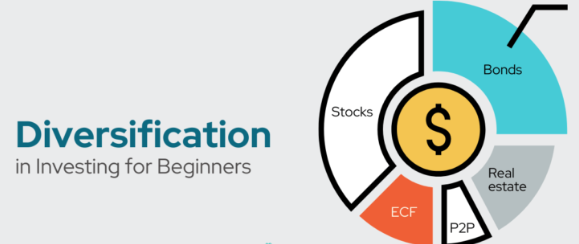
Diversification helps lower your risk. When you spread your money across different sectors and asset types, a loss in one area won’t hurt your whole portfolio. This keeps your investments more balanced through market ups and downs.

Stop-Loss Orders
Implementing stop-loss orders is a crucial risk management tool. These orders automatically sell a stock if its price falls to a predetermined level, preventing substantial losses in the event of adverse market movements.
Staying Informed
Technology has changed the Indian stock market. Online trading platforms let individual investors access real-time data, research reports, and trading tools. Mobile apps make it easy to track your portfolio and trade from anywhere.
But investing in the stock market always carries risks. Prices can go up and down quickly. Even well-researched investments can lose value. Always do your own research or talk to a SEBI-registered investment adviser before making decisions.
Economic Indicators
Regularly monitoring economic indicators such as GDP growth, inflation rates, and interest rates provides insights into the overall health of the economy, influencing investment decisions.


Corporate Announcements
Keeping abreast of corporate announcements, earnings reports, and management statements helps investors stay informed about the performance and strategies of individual companies.
Indian stock market analysis takes a mix of basic knowledge, short-term equity trading tips, and awareness of market trends. Whether you are new or experienced, learning to analyze the market helps you make better decisions, manage risk, and spot good opportunities. Keep learning and adapting to stay on top of the changing Indian equity market.
There are many chances to grow your wealth in the Indian stock market. To succeed, build a solid understanding of market analysis, diversify your investments, and stay informed about the economy. This gives you a strong path toward your financial goals.

Free Registration for Stock Market Tips ( Advisory Services)


As per the SEBI rules, we will provide our Services only to those clients who have Complete Risk Profile. Fill This Registration Form and
Contact us on
- Whatsapp @ +91 95999 69624
- Call Us @ +91 9650 890 321
for further process.
Risk Profiling is COMPULSORY
What Is Indian Stock Market Analysis?
Indian stock market analysis is the process of evaluating stocks and market activity on the BSE and NSE to make informed investment decisions. It combines fundamental analysis of company financials, technical analysis of price and volume data, and sentiment analysis of investor mood to assess the value and potential of securities traded in India.
How do you analyze the Indian stock market?
Investors analyze the Indian stock market using three main approaches. Fundamental analysis examines company financial statements, ratios such as P/E and ROE, and industry position. Technical analysis studies price charts, patterns, and indicators like RSI and MACD. Sentiment analysis evaluates news and investor behavior to gauge overall market mood.
What are the key indices used in Indian stock market analysis?
The two primary benchmark indices are the BSE Sensex, which tracks 30 large companies on the Bombay Stock Exchange, and the NSE Nifty 50, which tracks 50 large companies on the National Stock Exchange. These indices reflect overall market performance and serve as reference points for portfolio comparison.
What is the difference between fundamental and technical analysis in India?
Fundamental analysis focuses on a company's intrinsic value by examining earnings, revenue, debt, and growth prospects over the long term. Technical analysis focuses on price movements, chart patterns, and trading volumes to predict short-term price direction. Many Indian investors use a combination of both approaches.
- What is Indian stock market analysis?
- Indian stock market analysis is the evaluation of stocks and market data on the BSE and NSE to guide investment decisions using fundamental, technical, and sentiment methods.
- Which analysis method is best for beginners in India?
- Fundamental analysis is often recommended for beginners because it focuses on company health and long-term value without requiring constant price monitoring.
- How does sentiment analysis work in the Indian stock market?
- Sentiment analysis studies news articles, social media discussions, and investor behavior to gauge whether the overall market mood is bullish or bearish, helping predict short-term price movements.
- Can you use both fundamental and technical analysis together?
- Yes, many Indian investors combine both approaches by using fundamental analysis to select quality stocks and technical analysis to determine the best entry and exit points.
- What role do economic indicators play in Indian stock market analysis?
- Indicators such as GDP growth, inflation, interest rates, and government policies affect market sentiment and sector performance, making them essential inputs for top-down market analysis.
- How often should you review your stock market analysis?
- Long-term investors typically review their analysis quarterly or after major earnings announcements, while active traders may review technical indicators daily or even intraday.