


Stock Market Trading Tips

How to start Trading in Stock Market
Stock market trading can help you grow your money over time. But to succeed, you need a solid plan and the right approach. This guide shares practical tips to help beginners trade smarter, avoid costly mistakes, and make informed decisions in the stock market.

What is the share market?
A share market, stock market, or stock exchange is where shares of public limited companies are traded. Public limited companies raise capital from the general public for their operations. Owning shares of a public company means you have partial ownership and can buy or sell its shares on the stock market.

Practical Stock Market Trading Tips
Ready to get started? Check out our share market tips for beginners for a complete overview.
Before you begin trading, build a solid plan. Ask yourself these questions:
Why do you want to invest in shares? What are your goals?
Do you understand the basics of stock market trading?
Do you want to be a day trader (short-term) or a long-term investor?
What are the risks associated with investing and trading in the stock exchange?
By answering these questions, you can establish your direction, understand your boundaries, and reach your end objectives more effectively.

Start Small with Your Investments
It is smart to start with a small amount of money instead of investing a large sum all at once. Before you put money into the stock market, here is a good rule to follow:
Cover Your Monthly Expenses First
- Keep an emergency fund for healthcare and other unexpected needs.
- Set aside money for education or personal expenses.
- Make sure you can cover loan payments and interest.
- Only invest what is left after all essential expenses are taken care of.
Do Your Research Before You Invest

If you are new to stock market investing, take time to learn how it works. Read online resources, talk to experienced investors, and consider hiring a trusted advisor. Here are the key things to learn:
Learn key terms and metrics: You will come across words like bullish, bearish, blue chips, and IPO. Make sure you understand what they mean. Also learn how to read financial metrics like return on investment (ROI), earnings per share (EPS), and compound annual growth rate (CAGR). These help you decide when to buy or sell.
Choose stocks carefully: Focus on companies with strong stock market fundamentals and steady dividends. These are called blue chip stocks and are often a safer choice. Avoid trendy sectors that may not last. Be careful with very low-priced stocks – their low price may signal problems. Always think through your decisions before investing.
Should You Borrow Money to Invest?
If you are short on funds, you may consider getting a loan from a bank or brokerage. Some brokers may lend you up to half of your investment amount. But be careful. Only borrow money if you are very confident your investments will earn enough to pay back the loan. Borrowing to invest is risky and not right for everyone.


Trade on Your Own or Use a Broker
Trading shares has become very accessible nowadays with all transactions being conducted online. If you are well-versed in the process, you can trade from the comfort of your home or office. However, if you lack the necessary knowledge and skills, you can opt to enlist the help of a broker. A broker serves as a professional share market advisory, offering advice on when to buy and sell stocks. They provide valuable tips and recommendations, although they do charge a commission for their services.
Risk tolerance
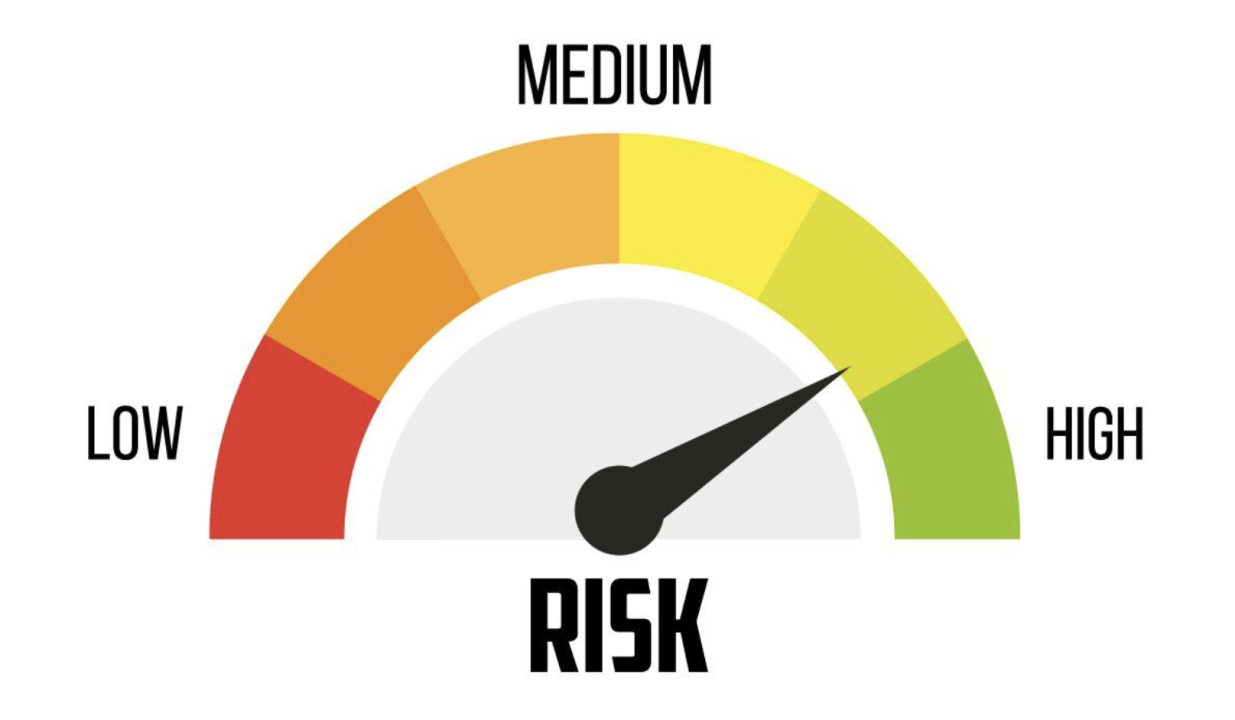
Before starting your investment journey in the stock market, it is crucial to have a clear understanding of your risk tolerance. Put simply, risk tolerance refers to your comfort level or anxiety when faced with an unfavorable situation. While it is largely innate, various factors such as age, perception, education, and environment can also play a role in shaping it. A high risk tolerance means you may be more inclined to make bold decisions with greater risks, potentially leading to higher returns. Ultimately, your investment choices in the stock market should align with your individual risk tolerance level.
Diversification or not?
It is generally recommended not to put all your investment into a single company or sector in the stock market. This advice is quite sensible and commonly shared among investors. The reason behind this advice is that if the company or sector experiences losses, your own losses could be significant. However, diversifying your investment across various sectors and companies comes with its own set of challenges, such as staying informed about the latest trends affecting them. Striking a balance is key – diversify your portfolio but ensure you can effectively monitor and manage it.

Plan Every Trade Carefully
When you invest in shares, always analyze the situation carefully. Do not buy or sell on impulse – it can lead to losses. Check out our short term equity tips for more guidance on when to buy and sell.
Share trading tips for buying
It’s important to understand why you’re interested in buying shares of a company. Consider what you like about it, your expectations, and whether you plan to hold the investment for the long or short term. Make informed decisions by analyzing credible metrics, studying past financial statements, calculating key ratios, and identifying and planning for potential risks.


Share trading tips for selling
When it comes to selling stocks, it’s important to understand your reasons. Are you selling according to your original plan or due to concerns about the company’s value or potential changes in the business environment? Your decision to sell should be economically sound.
Remember, timing is key in buying and selling stocks. Assess the true value of your shares and avoid making hasty decisions during market fluctuations. Avoid panic buying or selling. These are different day trading approaches for navigating the stock market effectively.
Do not over trade
Remember to use intraday trading strategies and avoid overtrading in the pursuit of quick profits. Stay within your limits and resources to protect yourself from potential risks. Greed can be detrimental, so make sure to stay rational and not give in to temptations.


Focus on Long-Term Investments
As we talked about earlier, it’s important to consider whether you’re aiming for long-term benefits or short-term gains. While the decision is ultimately yours, we recommend focusing on long-term gains. Investing in stocks can lead to significant rewards over time. You have the opportunity to earn dividends and sell shares at a higher price. It’s beneficial to seek advice from experts and invest in shares for the long haul.
Be realistic
Remember to be realistic with your stock market plans. Don’t expect miracles overnight. Stay patient and persevere; you’ll be rewarded in due course. Keep profit margin expectations low as markets can be unpredictable. Always account for unforeseen eventualities as even the best estimations can go wrong.


Stay Calm During Market Changes
Investing in the stock market can be challenging at times. Market crashes and meltdowns are part of the game and can be nerve-wracking. Stay calm and composed during these times. Getting stressed won’t improve the situation. It’s best to wait for things to stabilize. Avoid making high-risk decisions out of panic to recover losses. Adjust your investments wisely to adapt to market trends, but do so with a well-thought-out plan in place
Make a balanced investment portfolio
It’s a good idea to diversify your investments across low, moderate, and high-risk options. Start with low-risk investments to play it safe. Research the market to find recommended low-risk shares. For other investments, analyze them carefully and consider moderate investments. Set clear goals for these investments and decide when you want to cash them out. This strategy can bring long-term benefits.

What Are the Most Important Stock Market Trading Tips for Beginners?
Stock market trading tips for beginners center on building a foundation of market knowledge, starting with small investments, and maintaining consistent discipline. The most important strategies include researching companies before investing, understanding your personal risk tolerance, diversifying your portfolio across different sectors and asset types, and avoiding emotional decisions during market fluctuations. Beginners who follow a structured plan and focus on long-term goals tend to achieve more consistent results than those who trade impulsively based on short-term market movements.
How much money do you need to start trading in the stock market?
You can start trading in the stock market with a relatively small amount of capital, depending on your broker's minimum requirements. Many brokers allow you to open an account and begin investing with a modest sum. The key principle is to start with an amount you can afford to lose and gradually increase your investment as you gain experience and confidence in your decision-making.
What is the difference between trading and investing in stocks?
Trading involves buying and selling stocks over short periods, such as days or weeks, to profit from market price movements. Investing focuses on buying and holding stocks for longer periods, often years, to benefit from company growth and dividend payments. Beginners are generally advised to start with a long-term investing approach before attempting active trading strategies.
How do you research which stocks to buy?
Researching stocks involves analyzing a company's financial health through metrics such as earnings per share (EPS), price-to-earnings (P/E) ratio, and return on equity (ROE). You should also study the company's business model, industry position, management quality, and past financial performance. Reading annual reports, following market news, and using stock screening tools can help you identify fundamentally strong companies worth investing in.
- What is the single most important tip for a beginner in stock market trading?
- The most important tip for a beginner is to start small, invest only what you can afford to lose, and focus on learning the basics before chasing returns.
- How can beginners avoid common trading mistakes?
- Beginners can avoid common mistakes by creating a written trading plan, sticking to it consistently, avoiding emotional buy or sell decisions, and not overtrading in pursuit of quick profits.
- Why does risk tolerance matter in stock trading?
- Risk tolerance is your ability and willingness to handle losses in your investments. It matters because every trading decision you make should align with how much risk you can comfortably take without making panic-driven choices.
- Should a beginner use a broker or trade independently?
- Beginners who lack market knowledge should consider using a broker for professional guidance, while those who understand the trading process can trade independently through online platforms.
- How often should a beginner review their stock portfolio?
- Beginners should review their portfolio periodically, such as monthly or quarterly, but avoid obsessing over daily price movements, especially if they are focused on long-term investments.
- What is diversification and why is it important for beginners?
- Diversification means spreading your investments across different stocks, sectors, and risk levels to reduce the impact of any single poor-performing investment on your overall portfolio.