


Penny Stocks India
Learn to Earn From Penny Stocks in the Stock Market
Penny stocks, often hailed as the underdogs of the stock market, have captivated the attention of investors with their potential for explosive growth. These low-priced securities, typically valued at less than a dollar, can be alluring, promising significant returns for those willing to embrace the volatility. However, the allure of penny stocks comes hand in hand with substantial risks. In this article, we'll delve into the world of penny stocks, exploring their characteristics, the potential they offer, and the caveats that investors must navigate.
Understanding Penny Stocks
Low Market Capitalization
Penny stocks are low-priced stocks, usually trading under $5 per share. Their low price makes them affordable for small investors who want to start trading with limited money.


Volatility and Liquidity
Penny stocks can be very volatile. Their prices can change quickly based on news, market trends, or rumors. But because few people trade them, the gap between buy and sell prices is often wide. This makes penny stocks easier targets for price manipulation.
Listing on OTC Markets
Many penny stocks trade on over-the-counter (OTC) markets, such as those operated by the OTC Markets Group. These platforms facilitate the trading of stocks that may not meet the stringent listing requirements of major exchanges.

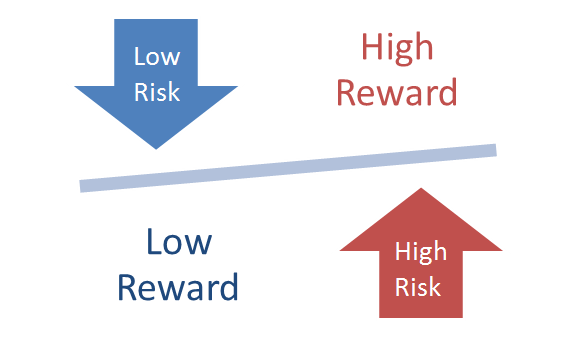
High-Risk, High-Reward Dynamics
Penny stocks are high-risk, high-reward investments. They can deliver big gains, but they also come with serious risks. Their low price and weaker regulation make them easy targets for fraud, which can lead to heavy losses.
The Allure of Penny Stocks
Potential for Explosive Growth
The primary allure of penny stocks lies in their potential for explosive growth. A low-priced stock can multiply in value, leading to substantial returns for early investors.


Opportunity for Early Investment
Penny stocks often represent early-stage companies with innovative ideas or technologies. Investing in these stocks provides an opportunity to get in on the ground floor of potentially transformative ventures.
Accessible to Small Investors
With their low share prices, penny stocks are more accessible to small investors with limited capital. This accessibility allows individuals to learn the fundamentals of stock market investing with a relatively modest investment.

Navigating the Risks of Penny Stocks

Lack of Regulations
Many penny stocks trade on less-regulated exchanges, exposing investors to a higher risk of fraud and manipulation. Due diligence and expert share market advisory are crucial to avoid falling victim to fraudulent schemes.
Limited Information
Information about penny stocks is often hard to find. This makes it tough for investors to research companies or get good advice from a stock advisory company. That is why doing your own careful research is so important.


liquidity and Market Manipulation
The low liquidity of penny stocks can result in wide bid-ask spreads and make it easier for market manipulators to influence prices. Investors should be cautious of pump-and-dump schemes and other forms of manipulation.
Strategies for Investing in Penny Stocks
Diversification
Given the risks, spreading your money across different stocks is a smart short-term investing strategy. If one stock loses value, others may still do well and help protect your overall returns.


Thorough Research & advisory
Doing thorough research is a must before buying penny stocks. Look at the company’s financial health, its management team, and its growth plans. You can also hire our portfolio advisory services or get a short-term investment advisory plan for expert help.
Risk Management
Managing trading risks effectively is essential. Setting clear entry and exit points, using stop-loss orders, and limiting the allocation of capital to penny stocks can help protect against significant losses.

Navigating the Penny Stocks Landscape
Penny stocks offer the chance for fast gains, but they come with real risks. To succeed, you need to do careful research, manage your risk, and stay alert. The promise of earning money through stock trading is exciting, but penny stocks need a smart and careful approach. With the right strategy, you can find real opportunities.
When researching penny stocks, keep these stock trading tips in mind. First, look for companies with strong finances, like high revenue growth and low debt. Second, check the management team. Do they have the skills to grow the business? Third, read what analysts say about the stock to understand its potential.
Once you find a promising penny stock, you can start buying shares. Keep in mind that penny stocks are often sold in small lots, so you may not buy many shares at once. But with patience and good research, you can find penny stocks that offer strong returns.

Free Registration for Stock Market Tips ( Advisory Services)


As per the SEBI rules, we will provide our Services only to those clients who have Complete Risk Profile. Fill This Registration Form and
Contact us on
- Whatsapp @ +91 95999 69624
- Call Us @ +91 9650 890 321
for further process.
Risk Profiling is COMPULSORY
What Are Penny Stocks and How Do They Work?
Penny stocks are low-priced shares of small public companies, typically trading below $5 per share. They are known for their high volatility, low liquidity, and the potential for both significant gains and substantial losses. Unlike stocks on major exchanges, penny stocks often trade on over-the-counter (OTC) markets with less regulatory oversight, which increases both risk and opportunity for investors.
What is the minimum price for a stock to be considered a penny stock?
The most common definition of a penny stock is a stock that trades for under $5 per share. Regulatory bodies such as the U.S. Securities and Exchange Commission (SEC) use this threshold to classify and apply special disclosure rules to these securities.
Where do penny stocks trade?
Penny stocks primarily trade on over-the-counter (OTC) markets rather than major exchanges like the NYSE or Nasdaq. These include OTC Markets Group platforms such as OTCQX, OTCQB, and the Pink Open Market, which have less stringent listing requirements.
Why are penny stocks considered high risk?
Penny stocks carry high risk due to low liquidity, limited public information, and weaker regulatory oversight. These factors make them vulnerable to price manipulation, including pump-and-dump schemes where fraudsters inflate the price before selling off their shares.
Can penny stocks make you rich?
Some penny stocks have delivered massive returns when early-stage companies grew rapidly, but such cases are rare. The majority of penny stocks lose value over time, and investors should treat any potential for outsized gains as the exception rather than the rule.
How do you research a penny stock before investing?
Researching a penny stock involves reviewing the company's financial statements, revenue growth, debt levels, management background, and business model. Investors should also check for regulatory filings, news announcements, and any red flags such as frequent name changes or pending lawsuits.
What is the difference between penny stocks and small-cap stocks?
Small-cap stocks have higher market capitalizations and typically trade on major exchanges with stricter reporting standards. Penny stocks tend to have much lower market caps, trade on OTC platforms, and are subject to fewer disclosure requirements, making them significantly more speculative.
- What is the minimum price for a stock to be considered a penny stock?
- The most common definition of a penny stock is a stock that trades for under $5 per share. Regulatory bodies such as the U.S. Securities and Exchange Commission (SEC) use this threshold to classify and apply special disclosure rules to these securities.
- Where do penny stocks trade?
- Penny stocks primarily trade on over-the-counter (OTC) markets rather than major exchanges like the NYSE or Nasdaq. These include OTC Markets Group platforms such as OTCQX, OTCQB, and the Pink Open Market, which have less stringent listing requirements.
- Why are penny stocks considered high risk?
- Penny stocks carry high risk due to low liquidity, limited public information, and weaker regulatory oversight. These factors make them vulnerable to price manipulation, including pump-and-dump schemes where fraudsters inflate the price before selling off their shares.
- Can penny stocks make you rich?
- Some penny stocks have delivered massive returns when early-stage companies grew rapidly, but such cases are rare. The majority of penny stocks lose value over time, and investors should treat any potential for outsized gains as the exception rather than the rule.
- How do you research a penny stock before investing?
- Researching a penny stock involves reviewing the company's financial statements, revenue growth, debt levels, management background, and business model. Investors should also check for regulatory filings, news announcements, and any red flags such as frequent name changes or pending lawsuits.
- What is the difference between penny stocks and small-cap stocks?
- Small-cap stocks have higher market capitalizations and typically trade on major exchanges with stricter reporting standards. Penny stocks tend to have much lower market caps, trade on OTC platforms, and are subject to fewer disclosure requirements, making them significantly more speculative.