
Stock Market Basics

Want to understand the stock market? Start here. This beginner-friendly guide covers stock market basics in simple language. You will learn what stocks are, how the stock market works in India, and the steps to begin investing with confidence.

🌟 What Is a Stock? How Ownership Works
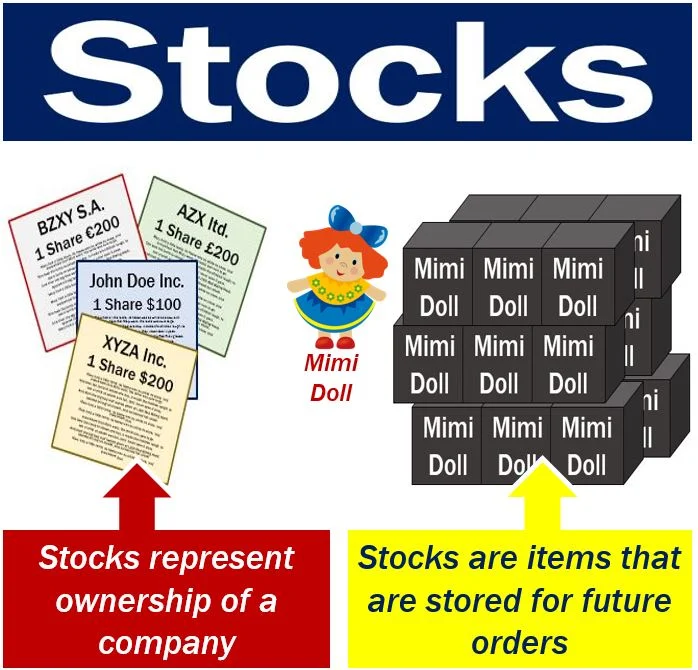
What is a Stock

A stock represents ownership in a company. When you buy a stock, you become a shareholder. That means you own a small piece of that company. Stocks are traded on stock exchanges like the BSE and NSE. Their prices go up and down based on supply and demand.

📈 What Is the Stock Market?

Stock Market overview

The stock market is a network of exchanges where stocks are traded. Think of it as a public marketplace where investors buy and sell shares. The stock market can also show how the overall economy is doing.

🏛️ Key Stock Exchanges in India

Stock Exchanges

  • BSE (Bombay Stock Exchange): Asia’s first stock exchange and one of the fastest in the world.

  • NSE (National Stock Exchange): The leading stock exchange in India, known for its fully electronic trading system.

📊 Types of Stocks
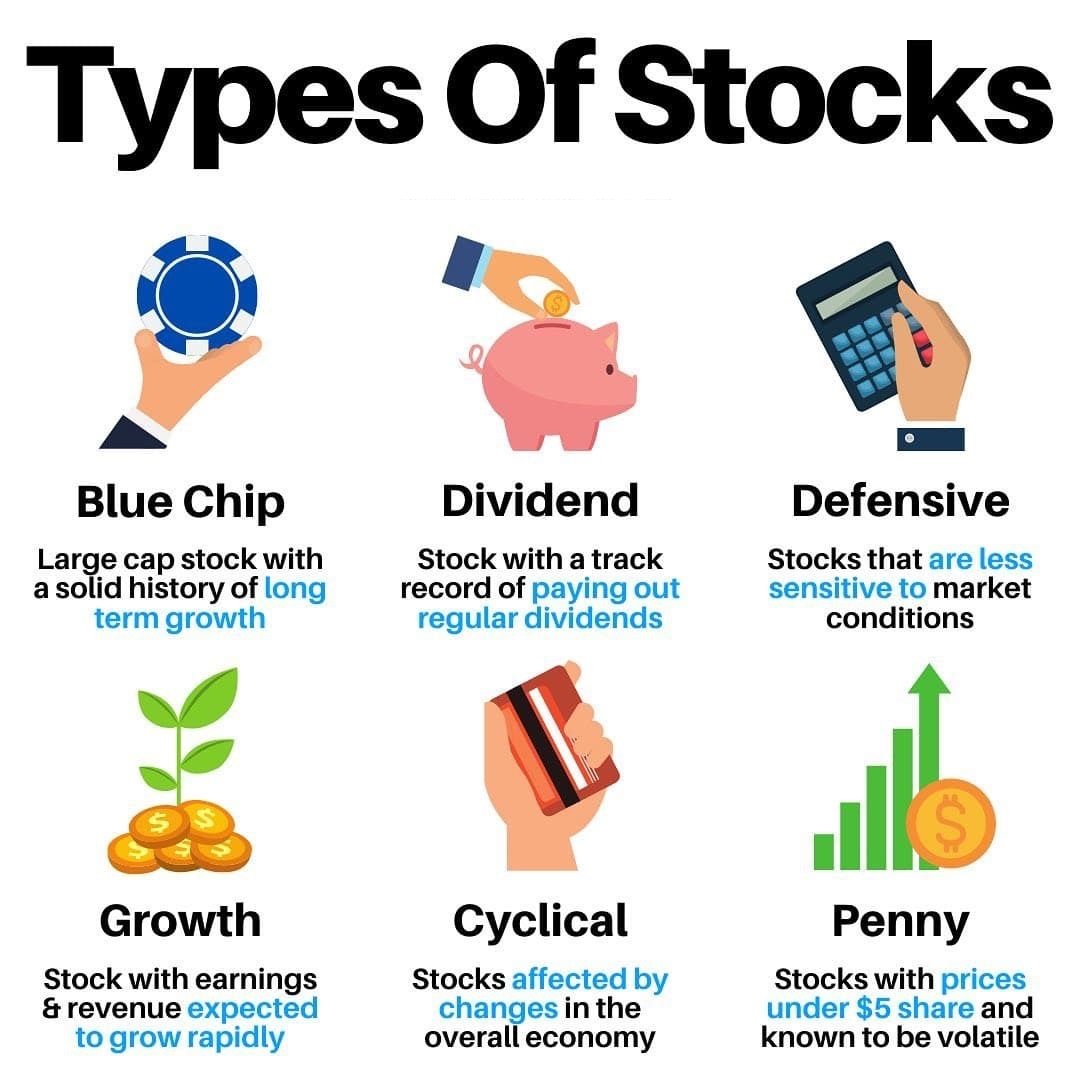
Types of Stocks

  • Equity Stocks: Represent ownership in a company and may pay dividends.

  • Preference Stocks: Usually do not have voting rights but have a higher claim on assets and earnings.

📉 Bull vs. Bear Markets

Bull vs. Bear Markets

  • Bull Market: A period when stock prices rise. This encourages buying.

  • Bear Market: A period when stock prices fall. This often leads to selling.

🔍 How to Analyze Stocks
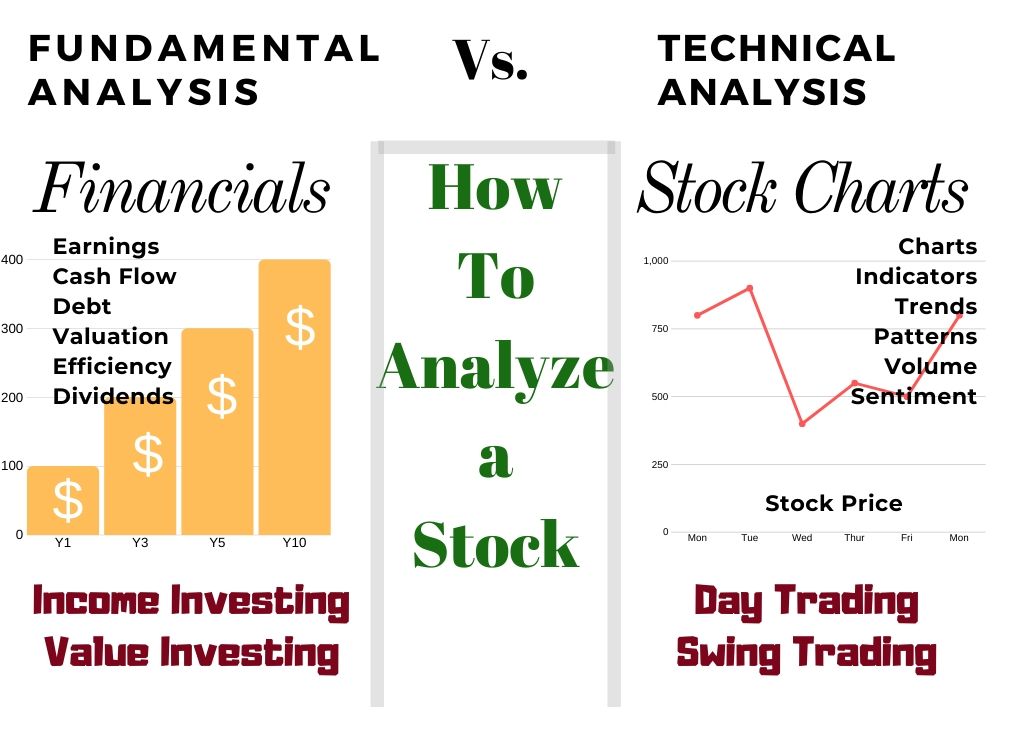
How to Analyze Stocks

  • Fundamental Analysis: Looks at a company’s financial health, management, and market position.

  • Technical Analysis: Studies price trends and trading activity, like price movement and volume.

💹 Stock Market Indices

Stock Market Indices

Indices like the S&P BSE SENSEX and NIFTY 50 track a group of top stocks. They give a quick snapshot of the overall market health.

🛒 How to Buy Stocks

How to Buy Stocks

To buy stocks, you will need:

  • A Broker: A person or firm that handles your buy and sell orders.

  • A Demat and Trading Account: To hold and trade stocks electronically.

💼 Diversification

Diversification

Diversification means spreading your money across different types of investments. This helps lower your risk. Think of it as not putting all your eggs in one basket.

📝 Making Your First Trade

First trade

Before you make your first trade, research the stocks you are interested in. Understand the risks. Start with a small amount to get a feel for the market.

📚 Example: Investing in a Stock

Let us say you have done your research and want to invest in Company XYZ. Here is how:

  1. Open a Demat and trading account through a broker.

  2. Deposit money into your account.

  3. Place a buy order for Company XYZ shares at your chosen price.

  4. Once the order goes through, you will own shares of Company XYZ.

🔑 Key Takeaways

  • Stocks give you ownership in a company. The stock market is where stocks are traded.

  • Different stock types suit different goals. Learn how to analyze them before investing.

  • Diversify your investments to help manage risk.

  • Start small, learn as you go, and grow your portfolio over time.

best bank nifty option tips provider in india

Free Registration for Stock Market Tips ( Advisory Services)

As per the SEBI rules, we will provide our Services only to those clients who have Complete Risk Profile. Fill This Registration Form  and 
Contact us on

  • Whatsapp @ +91 95999 69624
  • Call Us @ +91 9650 890 321 
    for  further process.

Risk Profiling is COMPULSORY

Stock Market Basics — A Complete Beginner's Guide to Getting Started in India

Stock market basics refer to the fundamental concepts needed to understand how stock markets operate, how shares are bought and sold, and what beginners need to know before investing. The stock market is a regulated marketplace where buyers and sellers trade ownership shares of publicly listed companies. In India, the two primary stock exchanges are the Bombay Stock Exchange (BSE) and the National Stock Exchange (NSE), both regulated by the Securities and Exchange Board of India (SEBI).

What is a stock and how does it work?

A stock, also known as a share or equity, represents a unit of ownership in a company. When you buy a stock, you become a partial owner of that company and may benefit from its growth through price appreciation and dividends. Stocks are traded on exchanges, and their prices fluctuate based on company performance, investor demand, and broader economic factors.

How does the Indian stock market work?

The Indian stock market operates through a fully electronic trading system. Investors place buy or sell orders through registered brokers, which are matched on exchange platforms. The BSE and NSE handle millions of trades daily. Settlement of trades occurs on a T+1 basis, meaning the transaction is completed within one business day after the trade is executed.

What do you need to start investing in stocks in India?

To start investing in the Indian stock market, you need a Permanent Account Number (PAN), a Demat account to hold shares electronically, and a trading account linked to a bank account. These accounts can be opened through a SEBI-registered stockbroker. Many brokers offer online account opening with minimal documentation.

What is the difference between the BSE and NSE?
The BSE (Bombay Stock Exchange) is Asia's oldest stock exchange, established in 1875. The NSE (National Stock Exchange) was founded in 1992 and is India's largest exchange by trading volume, known for its fully electronic trading system. Both exchanges operate under SEBI regulation.
What is the minimum amount needed to start investing in stocks?
There is no fixed minimum amount required to start investing in stocks in India. You can buy shares in lots, and many stocks trade at prices as low as a few rupees. However, you must have sufficient funds in your trading account to cover the cost of the shares and applicable brokerage fees.
What is a Demat account and why do I need one?
A Demat (dematerialized) account holds your shares and securities in electronic form. It is mandatory for trading on Indian stock exchanges. The account eliminates the need for physical share certificates and makes it easy to transfer, track, and manage your investments.
What are the risks of stock market investing?
Stock market investing carries risks including price volatility, company-specific risks, market-wide downturns, and liquidity risk. Prices can fluctuate due to economic data, corporate earnings reports, geopolitical events, and investor sentiment. Diversification and research help manage these risks.
How do stock market indices like Sensex and Nifty work?
The S&P BSE SENSEX tracks the performance of 30 large, well-established companies listed on the BSE. The NIFTY 50 tracks 50 major companies on the NSE. Both indices serve as benchmarks for overall market performance and are calculated using free-float market capitalization weighting.
What is the role of SEBI in the Indian stock market?
The Securities and Exchange Board of India (SEBI) is the regulatory body that oversees the Indian securities market. SEBI protects investor interests, regulates stock exchanges and brokers, and ensures fair trading practices through rules, monitoring, and enforcement.
Scroll to Top