


How can you make Stock market a second source of Income in India
Investing in the stock market is a crucial aspect of building wealth and securing financial stability. The stock market offers individuals the opportunity to grow their money over time by purchasing shares of publicly traded companies. However, navigating the stock market can be complex and overwhelming for beginners. This blog post aims to provide a comprehensive guide on how to invest in the stock market successfully.
The Basics of the Stock Market
The stock market refers to the collection of exchanges and markets where buying and selling of stocks take place. Stocks represent ownership in a company and are bought and sold through exchanges such as the New York Stock Exchange (NYSE) or Nasdaq. When an individual buys a stock, they become a shareholder in that company and have a claim on its assets and earnings.

You can make the stock market a second source of income in India. Start by learning stock market fundamentals. A stock gives you a small ownership in a company. Prices change based on supply and demand. High demand pushes a stock’s price up. Low demand pulls it down.
There are different types of stocks to choose from. Common stocks give you ownership and voting rights. Preferred stocks do not have voting rights but offer a higher claim on assets and earnings. Growth stocks come from companies with high growth potential. They may not pay dividends. Dividend stocks pay regular income to shareholders.
Choosing The Right Stocks To Invest
Choosing the right stocks to invest in requires careful consideration and research. Several factors should be taken into account when selecting stocks. These include the company's financial health, industry trends, competitive advantage, management team, and valuation.

Research is important when you start investing in shares. Look at a company’s financial statements – its balance sheet, income statement, and cash flow statement. These documents show the company’s profits, debts, and cash flow.
Stay updated on industry trends and news that can affect stock prices. Read financial news, follow market experts, and attend webinars to stay informed.
Which stocks perform best depends on market conditions and your personal goals. Some well-known companies have shown strong growth over time through consistent performance and innovation.
Timing your Investments For Maximum Returns
Timing plays a crucial role in the stock market. Buying and selling stocks at the right time can significantly impact investment returns. However, timing the market perfectly is nearly impossible. Instead, investors should focus on identifying favorable entry and exit points based on market trends and analysis.
To identify the best time to buy and sell stocks, investors can use technical analysis or fundamental analysis. Technical analysis involves studying price patterns and trends to predict future price movements. This can be done by analyzing charts and using indicators such as moving averages or relative strength index (RSI).
Fundamental analysis, on the other hand, involves evaluating a company’s financial health and intrinsic value. Investors can analyze factors such as earnings growth, revenue growth, profit margins, and valuation ratios to determine if a stock is undervalued or overvalued.
Successful timing strategies can vary depending on individual risk tolerance and investment goals. Some investors prefer to buy stocks during market downturns when prices are low, while others may focus on buying stocks with positive momentum.

Diversifying your Portfolio To Minimize Risk
Diversification is a crucial risk management strategy in the stock market. By spreading investments across different asset classes, sectors, and geographic regions, investors can reduce the impact of any single investment on their overall portfolio.
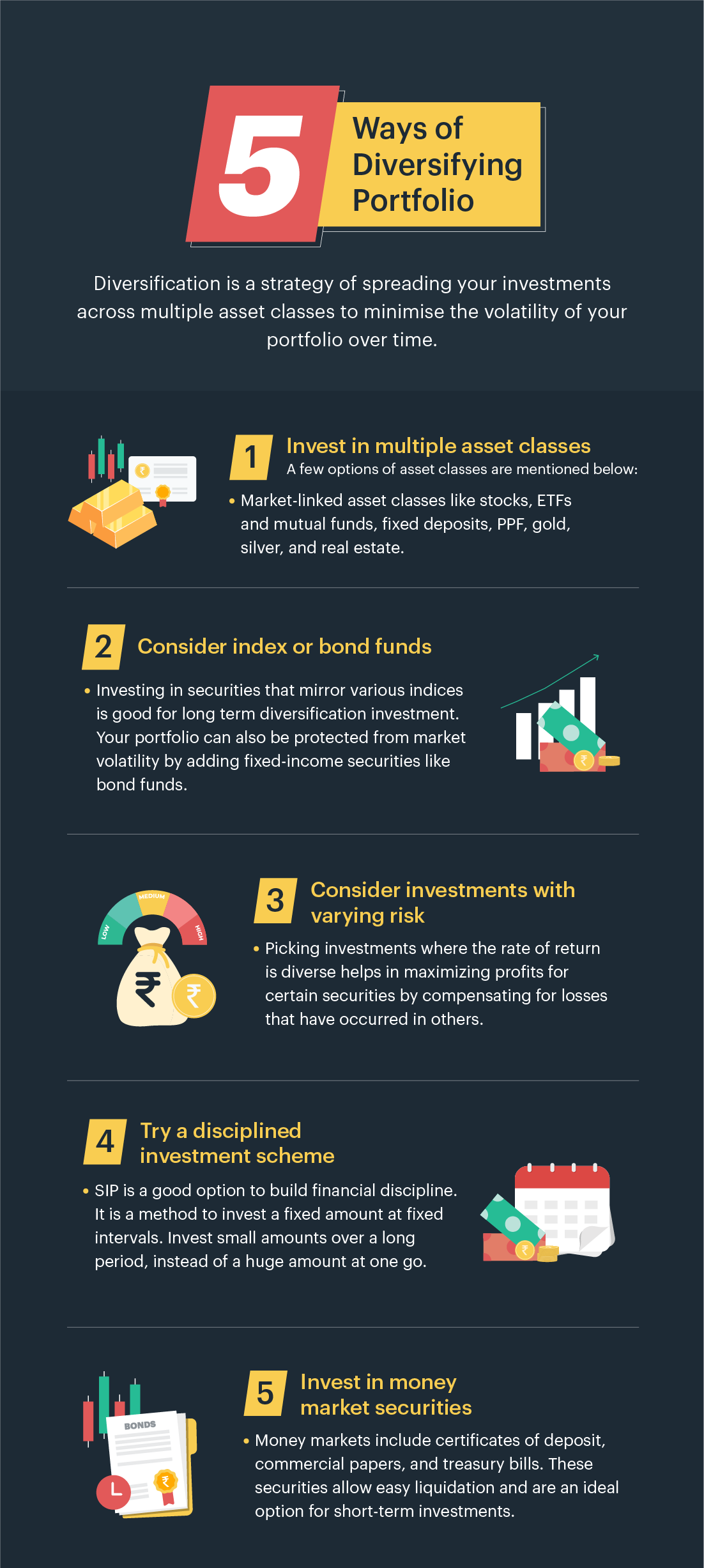
Diversifying a portfolio involves investing in a mix of stocks, bonds, real estate, and other assets. This helps to mitigate the risk of a significant loss if one investment performs poorly. For example, if an investor only holds stocks in the technology sector and that sector experiences a downturn, their entire portfolio could suffer.
To diversify a portfolio effectively, investors should consider their risk tolerance, investment goals, and time horizon. They should allocate their investments across different sectors such as technology, healthcare, finance, and consumer goods. Additionally, diversification can be achieved by investing in different types of assets such as bonds or real estate investment trusts (REITs).
Successful diversified portfolios can provide stability and consistent returns over time. For example, a diversified portfolio may include a mix of large-cap stocks for stability, mid-cap stocks for growth potential, and bonds for income generation.
Keeping Up With Market Trends and News
Staying informed about market trends and news is essential for successful investing. The stock market is influenced by various factors such as economic indicators, geopolitical events, and company-specific news. By staying updated on these developments, investors can make informed decisions and adjust their investment strategies accordingly.
Stay up to date with market trends and news by following trusted financial news sources. They provide updates on market movements, economic data, and company news that can affect your investments.
Follow market experts on social media platforms like Twitter or LinkedIn. Many share their analysis of trends and specific stocks. Attending webinars and investing conferences can also teach you a lot.
Staying informed helps you spot opportunities and make better investment decisions. Successful investors like Warren Buffett are known for doing deep research before making any move.

Utilizing Online Trading Platforms and Tools
Online trading platforms and tools have revolutionized the way individuals invest in the stock market. These platforms provide investors with easy access to markets, real-time data, and a range of tools for analysis and trading.
Online trading platforms offer lower fees, faster trade execution, and access to many investment options. Investors in India can choose from various online brokers that suit their needs.
Popular trading platforms offer features like customizable watchlists, real-time market data, charting tools, and educational resources. These help you analyze stocks, track your portfolio, and trade efficiently.
Learn the features of your chosen platform before you start trading. Think about your investment goals and risk tolerance when picking a broker. Also check for any fees or commissions before you begin.

Setting realistic financial goals and expectations
Setting realistic financial goals and expectations is crucial for long-term success in the stock market. Investors should have a clear understanding of their investment objectives, time horizon, and risk tolerance.

When setting financial goals, it is important to be specific and measurable. For example, instead of saying “I want to focus on earning money through investing in the stock market,” a more specific goal could be “I want to achieve a 10% annual return on my investments over the next five years.”
Setting realistic expectations is also important to avoid disappointment or impulsive decision-making. The stock market can be volatile, and returns can vary significantly from year to year. It is important to understand that investing in the stock market is a long-term endeavor and that short-term fluctuations are normal.
Successful investors who set realistic goals and expectations often have a disciplined approach to investing. They understand that achieving consistent returns requires patience and a long-term perspective.
Balancing your stock market investments with other income sources
Balancing stock market investments with other income sources is essential for financial stability and risk management. Relying solely on the stock market for income can be risky, as market downturns can significantly impact investment returns.

Investors should consider diversifying their income sources by investing in other assets such as real estate, bonds, or starting a business. This can provide additional streams of income and reduce reliance on the stock market.
Additionally, investors should have an emergency fund to cover unexpected expenses or periods of unemployment. This fund should be held in liquid assets such as cash or short-term bonds to ensure easy access in times of need.
Successful investors often have a well-diversified portfolio that includes a mix of stocks, bonds, real estate, and other income-generating assets. This helps to minimize risk and provide a stable income stream.
Seeking professional advice and guidance
Seeking professional advice and guidance can be beneficial for investors, especially those who are new to the stock market or lack the time or expertise to research and analyze stocks themselves.
There are different types of professionals who can provide advice and guidance, including financial advisors, investment managers, and stockbrokers. Financial advisors can help individuals develop a comprehensive financial plan and provide guidance on investment strategies. Investment managers can actively manage an individual’s portfolio based on their investment goals and risk tolerance. Stockbrokers can execute trades on behalf of investors and provide insights into market trends.
When seeking professional advice, it is important to find the best stock advisor for your needs. Consider factors such as their qualifications, experience, track record, and fees. It is also important to have open communication with the professional and ensure that they understand your investment goals and risk tolerance.
Successful investors often seek professional advice to complement their own research and analysis. They understand the value of expertise and experience in navigating the stock market.

Staying disciplined and patient for long-term success
Discipline and patience are key traits of successful investors. The stock market can be volatile, and short-term fluctuations can lead to emotional decision-making. It is important to stay disciplined and stick to a long-term investment strategy.

To stay disciplined, investors should have a well-defined investment plan and stick to it. This plan should include specific investment goals, asset allocation, and a rebalancing strategy. By following this plan, investors can avoid impulsive decisions based on short-term market movements.
Patience is also crucial in the stock market. Investing is a long-term endeavor, and it takes time for investments to grow and compound. Investors should avoid trying to time the market or chase short-term gains. Instead, they should focus on their long-term investment goals and stay committed to their practical trading strategies.
Successful investors who exhibit discipline and patience often achieve consistent returns over time. They understand that investing is a marathon, not a sprint.
Investing in the stock market can help you build wealth and reach your financial goals. By learning the basics, choosing the right stocks, diversifying your portfolio, staying informed, and seeking professional advisory services, you can improve your chances of long-term success.
The stock market has risks, but it also offers real opportunities for growth. With a solid plan and a steady approach, you can work toward making it a reliable second source of income in India.

FAQs ( Frequently Asked Questions)
What is the stock market?
The stock market is a platform where publicly traded companies' stocks are bought and sold. It is a place where investors can buy and sell shares of companies, and the prices of these shares fluctuate based on supply and demand.
How can the stock market be a second source of income in India?
Investing in the stock market can be a way to earn a second source of income in India. By buying shares of companies that are expected to perform well, investors can earn dividends and capital gains. However, it is important to note that investing in the stock market carries risks and requires careful research and analysis.
What are the risks of investing in the stock market?
Investing in the stock market carries risks, including the possibility of losing money. The stock market can be volatile, and the prices of stocks can fluctuate rapidly. It is important to do thorough research and analysis before investing in any stock.
How can I start investing in the stock market?
To start investing in the stock market in India, you will need to open a demat account with a brokerage firm. You will also need to do research and analysis to identify companies that are expected to perform well. It is important to start with a small amount of money and gradually increase your investment as you gain experience.
What are some strategies for investing in the stock market?
There are many strategies for investing in the stock market, including value investing, growth investing, and dividend investing. Each strategy involves different approaches to identifying companies that are expected to perform well. It is important to do thorough research and analysis before investing in any stock.
Using the Stock Market as a Second Source of Income in India
The stock market can serve as a second source of income in India when an investor generates regular earnings through dividends, capital gains, or systematic withdrawal plans. Instead of relying solely on a salary or business income, investors can build a portfolio of stocks and related instruments that produce periodic payouts. This approach requires a clear understanding of how different investment strategies generate income and how tax rules in India apply to stock market earnings.
What is the minimum capital needed to start earning from the stock market in India?
There is no fixed minimum capital requirement, but a practical starting amount is around ₹5,000 to ₹10,000. With this amount, an investor can buy shares of companies in smaller quantities or invest in exchange-traded funds (ETFs). The key is to start small, learn the process, and reinvest returns to grow the corpus over time.
Which types of stocks are best for generating regular income?
Dividend-paying stocks from well-established companies are best for generating regular income in India. Stocks of companies in sectors such as banking, energy, and fast-moving consumer goods (FMCG) have a history of paying consistent dividends. Investors can also consider dividend-focused mutual funds and ETFs that pool dividend-paying stocks into a single fund.
How does dividend income from Indian stocks get taxed?
Dividend income received from Indian stocks is taxable in the hands of the investor based on their applicable income tax slab rate. As of current tax rules, dividends above ₹5,000 in a financial year are subject to tax deducted at source (TDS) at 10% for resident individuals. Investors should report all dividend earnings in their annual income tax return.
Can short-term trading be a reliable second source of income?
Short-term trading carries higher risk and requires more time, skill, and discipline than long-term investing. While some traders generate consistent profits through intraday or swing trading, it is generally not recommended as a primary or secondary income source for beginners. Long-term investing in quality stocks tends to offer more predictable and sustainable returns for most individuals.
What is a Systematic Withdrawal Plan (SWP) and how does it work for income?
A Systematic Withdrawal Plan (SWP) allows investors to withdraw a fixed amount of money from their mutual fund investments at regular intervals, such as monthly or quarterly. This provides a steady cash flow similar to a salary while the remaining invested amount continues to grow. SWPs are commonly used by investors who want to generate income from a lump sum corpus without selling all their units at once.
How can an investor in India build a portfolio for steady stock market income?
An investor can build a portfolio for steady income by allocating funds to dividend-paying large-cap stocks, government bonds or corporate bonds, and balanced mutual funds. A mix of equity for growth and debt for stability helps create a reliable income stream. Regular portfolio review and rebalancing ensure the asset mix stays aligned with the investor's income goals.
- What is the minimum capital needed to start earning from the stock market in India?
- There is no fixed minimum capital requirement, but a practical starting amount is around ₹5,000 to ₹10,000. With this amount, an investor can buy shares of companies in smaller quantities or invest in exchange-traded funds (ETFs). The key is to start small, learn the process, and reinvest returns to grow the corpus over time.
- Which types of stocks are best for generating regular income?
- Dividend-paying stocks from well-established companies are best for generating regular income in India. Stocks of companies in sectors such as banking, energy, and fast-moving consumer goods (FMCG) have a history of paying consistent dividends. Investors can also consider dividend-focused mutual funds and ETFs that pool dividend-paying stocks into a single fund.
- How does dividend income from Indian stocks get taxed?
- Dividend income received from Indian stocks is taxable in the hands of the investor based on their applicable income tax slab rate. As of current tax rules, dividends above ₹5,000 in a financial year are subject to tax deducted at source (TDS) at 10% for resident individuals. Investors should report all dividend earnings in their annual income tax return.
- Can short-term trading be a reliable second source of income?
- Short-term trading carries higher risk and requires more time, skill, and discipline than long-term investing. While some traders generate consistent profits through intraday or swing trading, it is generally not recommended as a primary or secondary income source for beginners. Long-term investing in quality stocks tends to offer more predictable and sustainable returns for most individuals.
- What is a Systematic Withdrawal Plan (SWP) and how does it work for income?
- A Systematic Withdrawal Plan (SWP) allows investors to withdraw a fixed amount of money from their mutual fund investments at regular intervals, such as monthly or quarterly. This provides a steady cash flow similar to a salary while the remaining invested amount continues to grow. SWPs are commonly used by investors who want to generate income from a lump sum corpus without selling all their units at once.
- How can an investor in India build a portfolio for steady stock market income?
- An investor can build a portfolio for steady income by allocating funds to dividend-paying large-cap stocks, government bonds or corporate bonds, and balanced mutual funds. A mix of equity for growth and debt for stability helps create a reliable income stream. Regular portfolio review and rebalancing ensure the asset mix stays aligned with the investor's income goals.