


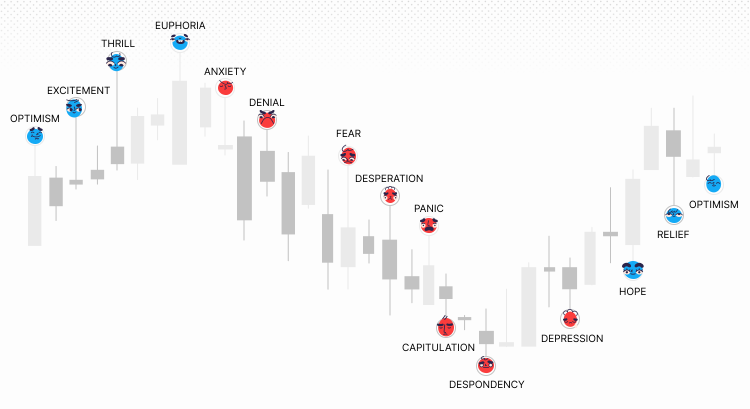
📈 The Power of Fear and Greed
In the world of trading, two primary emotions reign supreme: fear and greed. These emotions can cloud judgment, leading to irrational trading decisions. For example, during the dot-com bubble, greed propelled investors to buy into tech stocks at exorbitantly high prices, only to suffer when the bubble burst.
Trader A becomes overly confident as tech stocks rise and decides to invest a significant portion of their portfolio without considering the risk. When the market crashes, they are left with substantial losses.
💔 The Impact of Overconfidence
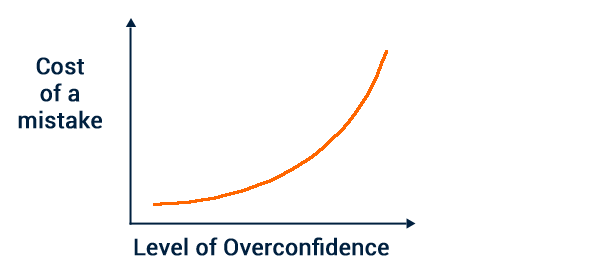
Overconfidence can lead traders to underestimate risks and overestimate their ability to predict market movements. This was evident in the 2008 financial crisis, where many traders believed the housing market would continue to climb indefinitely.
Trader B, convinced of their market foresight, heavily invests in mortgage-backed securities. However, they fail to account for the underlying risk, resulting in a massive financial hit when the housing market collapses.
🔍 Confirmation Bias in Action

Traders often fall victim to confirmation bias, seeking out information that supports their preconceived notions while ignoring contradictory evidence. This can lead to missed opportunities or holding onto losing positions for too long.
Trader C ignores warning signs of an impending market downturn, focusing only on analyses that predict continued growth. They hold onto declining assets, hoping for a rebound that never comes.
🧘 The Role of Emotional Discipline
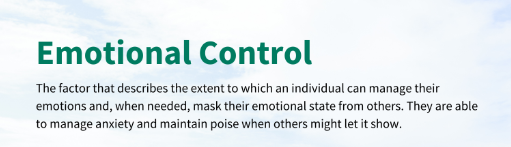
Successful traders often practice emotional discipline, managing their emotions to make more rational decisions. Warren Buffett, for instance, is known for his calm approach to investing, focusing on long-term value rather than short-term market fluctuations.
Trader D follows Buffett's principles, carefully analyzing companies' fundamentals and not allowing market hype to influence their investment choices. This strategy often leads to more consistent returns over time.
📚 Learning from the Past

Historical market events provide valuable lessons on the impact of emotions on trading. The Tulip Mania of the 17th century, where prices for tulip bulbs soared and then dramatically collapsed, serves as an early example of speculative bubbles driven by irrational behavior.
Trader E gets caught up in the tulip bulb craze, investing all their savings into tulips. When prices plummet, they are left with worthless bulbs and financial ruin.
🛠️ Tools to Combat Emotional Trading
To mitigate emotional trading, investors can use tools like stop-loss orders, which automatically sell a security when it reaches a certain price, thus preventing emotional decisions during market volatility.
Trader F sets a stop-loss order for their shares at 10% below the purchase price. When the stock drops, the order is triggered, and the shares are sold, limiting their losses.
📉 The Market’s Emotional Cycle
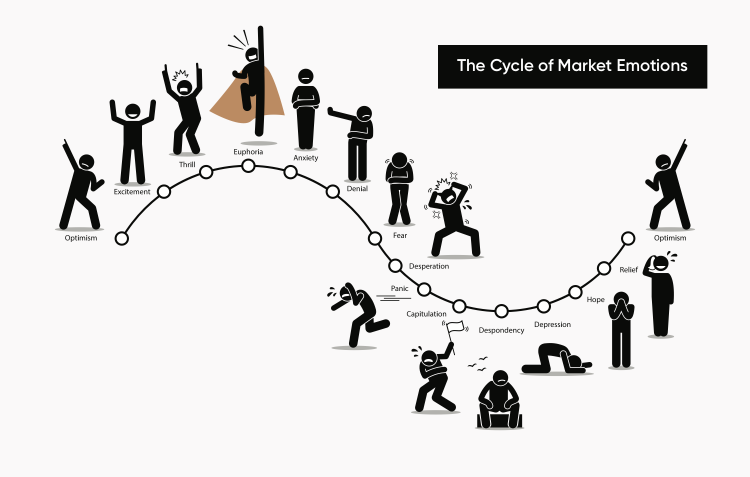
Understanding the market’s emotional cycle, from optimism to euphoria, then to anxiety, denial, fear, and eventually hope and relief, can help traders identify potential market tops and bottoms.
Trader G studies market sentiment indicators and notices a shift from euphoria to anxiety, signaling a possible market peak. They decide to take profits and reduce their exposure.
🤖 Embracing Technology for Emotional Detachment

Algorithmic trading can help remove emotional bias by following predefined rules for entering and exiting trades. This approach relies on data and algorithms rather than feelings.
Trader H employs a trading algorithm that executes trades based on specific market conditions, ensuring that they stick to a strategy without being swayed by emotions.
🧠 Mastering Market Psychology
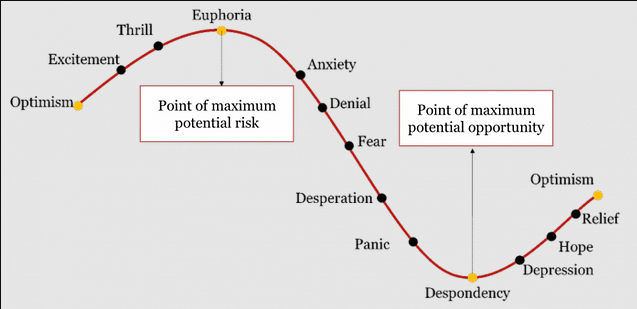
By understanding and managing emotions, traders can improve their decision-making process and potentially increase their chances of success in the markets. It’s not just about the numbers; it’s about the psychology behind them.
Short step-by-step plan:
- Research the common emotions that influence trading decisions, such as fear, greed, and overconfidence. For example, fear can lead traders to make impulsive decisions, like selling off assets during a market downturn.
- Study real stories of traders who have experienced significant gains or losses due to emotional decision-making. For instance, examine cases where traders held onto losing positions for too long due to hopefulness, resulting in substantial financial setbacks.
- Analyze the psychological factors behind market bubbles and crashes, and how emotions play a role in these events. Use examples like the dot-com bubble or the housing market crash to illustrate the impact of mass emotions on market movements.