


Understand the Key Risks in Day Trading

Day trading comes with many types of risks that can affect your profits. Understanding these day trading risks is the first step to protecting your money and trading smarter.
🔍 Market Risk
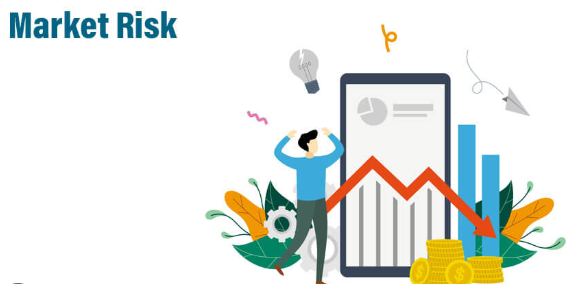
Market risk (also called systemic risk) is the chance of losing money when events like news or interest rate changes affect the whole market.
Example: Imagine you are day trading stocks and a sudden piece of news about increased interest rates hits the market. Almost instantly, the entire stock market drops, and so does the value of the stocks you are trading.\n💧 Liquidity Risk
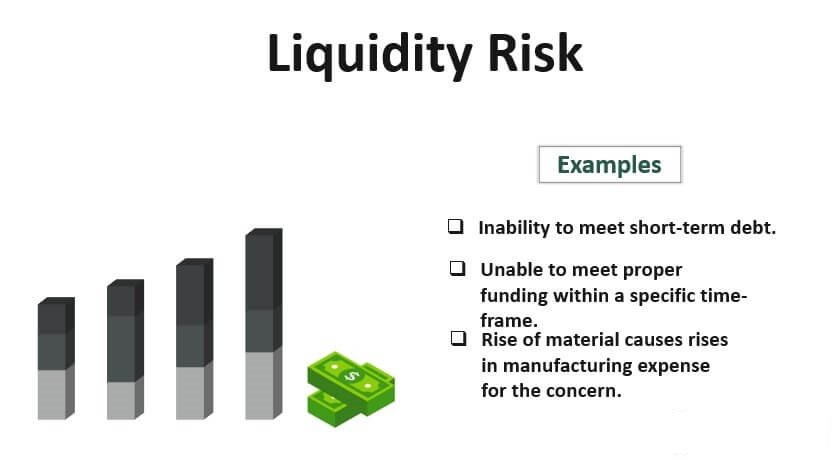
Liquidity risk is the chance that you cannot buy or sell an asset fast enough to avoid a loss or make the profit you expected.
Example: You decide to trade a small-cap stock with limited daily volume. When you try to sell a significant number of shares, there are not enough buyers, causing you to sell at a much lower price than expected.\n⚙️ Operational Risk

Operational risk is the chance of loss from failed systems, human mistakes, or unexpected outside events.
Example: You have set up a trade with a stop-loss to protect your position. However, due to a software glitch, your stop-loss order doesn't execute, and you incur a substantial loss.\n📈 Volatility Risk

Volatility risk is the chance that sudden price swings will lower the value of your trade.
Example: You're trading a highly volatile cryptocurrency. While you expect some fluctuation, a sudden spike in volatility causes the price to swing wildly, resulting in significant losses.\n📉 Credit Risk
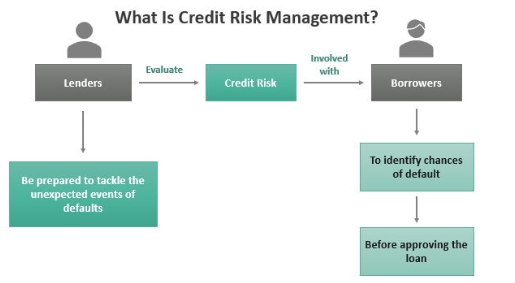
Credit risk is the chance that the other party in a trade will not pay what they owe.
Example: You're trading on margin, and your broker faces financial difficulties. As a result, they may suddenly call in your margin trades, forcing you to liquidate positions at an inopportune time.\n🧠 Psychological Risk
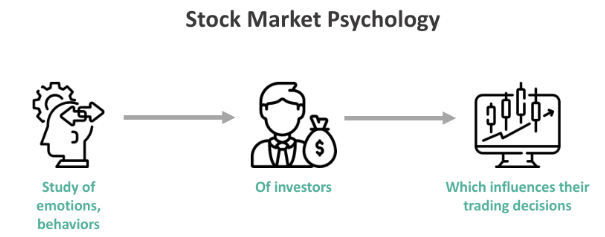
Psychological risk is the emotional and mental stress that can hurt your trading decisions.
Example: After a series of losses, a trader may become risk-averse, potentially missing out on high-probability trading opportunities, or conversely, they may become reckless in an attempt to recover losses quickly.\n🔗 Systematic Risk
Systematic risk is the risk that affects the entire market, not just one stock or sector.
Example: A geopolitical event causes widespread panic and a market crash. As a day trader, you might find all your positions moving against you, regardless of individual stock performance.\n🚫 Legal and Regulatory Risk
Legal and regulatory risk is the chance of financial loss due to changes in laws, rules, or tax policies.
Example: A day trader may not be aware of new tax regulations that affect their trading profits, leading to unexpected financial liabilities.\n💻 Technology Risk
Technology risk is the chance of loss when your trading platform, software, or tools fail.
Example: A day trader's platform crashes during peak trading hours, preventing them from executing trades or managing open positions effectively.\n🌐 Geopolitical Risk
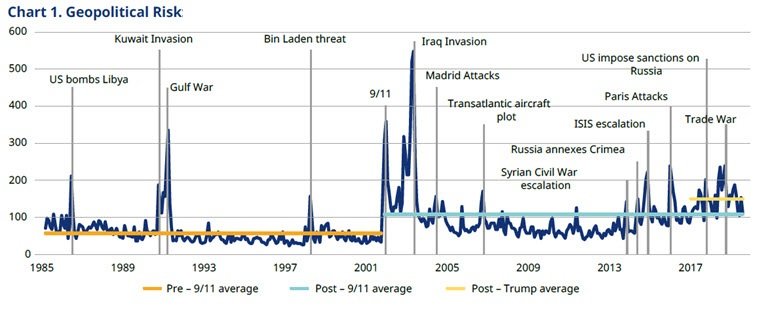
Geopolitical risk is the chance of loss from political events or instability that affect global markets.
Example: Tensions escalate between two countries, causing uncertainty in the global markets. As a day trader, this could lead to unpredictable market movements that could impact your trades.\n📊 Taxation Risk
Taxation risk is the risk that taxes will reduce your trading profits in ways you did not expect.
Example: A trader may not account for the potential tax implications of their trading activities, which could significantly reduce their net profits.\nKnowing these risks is the first step to building a strong plan for managing day trading risks. When you understand what can go wrong, you can prepare better and protect your investments.
Quick risk management plan:
Market Risk:
- Know how market risk affects your trades through sudden price changes.
- Use stop-loss orders and diversify your portfolio to manage this risk.
Liquidity Risk:
- Understand that liquidity risk means you may not be able to trade fast enough.
- Trade liquid assets and keep cash reserves to lower this risk.
Operational Risk:
- Watch for technical failures and human errors that can hurt your trades.
- Use reliable trading platforms and set up backup systems.