


WHAT ARE QUALITY STOCKS?
Quality stocks are those of companies with higher and more reliable profits, low debt, and other measures of sustainable earnings. Presumably, these are the stocks that can withstand an economic downturn better than others, and advisers see exposure to quality as a way to reduce risk at a time when stock valuations are still high.
What are Stock
Stocks are securities and assets, That represent a companies ownership. When investors buy company stocks then they became the partner of the company. Stocks are the best way to grow their money. Stocks are sold and bought in the stock exchange. commonly, There are two types of stocks, common stocks, and preferred stocks.
Consistent Earnings Growth
A growth company is one whose business is doing very well, much better than the average company in the economy. Growth stocks usually have a high price-to-earnings ratio and a high price-to-book ratio, but investors are okay with this because they expect the company to continue growing quickly. Most growth companies do not pay high dividends because they reinvest their profits back into the business to help it grow even more.

REVENUE GROWTH
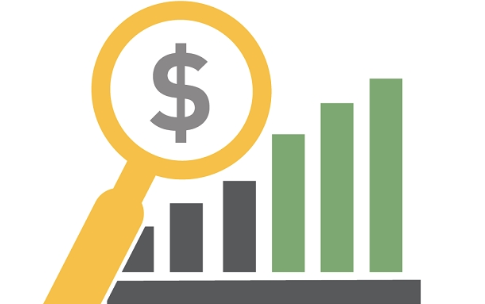
Revenue growth is the increase, or decrease, in a company's sales between two periods. Communicated as a percentage, revenue growth demonstrates the degree to which your company's revenue has grown (or shrunk) over time.Understanding how quickly a company is growing is an essential part of any stock analysis. A company's success is largely based on how well it sells its products or services, and revenue growth rates show how successful the company is in doing just that.
Fair and Reasonable Valuation
Undervalued is a financial term referring to an investment that is selling for less than its intrinsic value. This can be due to a number of factors, including market conditions or investor optimism. Regardless of the reason, an undervalued investment represents a good opportunity for those looking to get a good deal. A stock is undervalued when it is priced lower than its intrinsic value. This happens when the market doesn't fully recognize all of the company's strengths, such as its future earnings potential. An undervalued stock is a good investment because it has the potential to generate higher returns than the market average. These stocks also feature low risk due to the fact that such undervaluation is cyclical and the company has the potential to attain its intrinsic value.

Low Debt Levels for Financial Safety
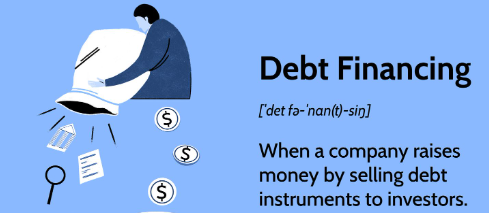
Debt financing happens when a corporation sells debt securities to raise money, instead of selling equity or using a mixture of the two. Equity is an ownership stake in the company that lets the shareholder get money from future earnings, but doesn't have to be paid back. If the company goes bankrupt, people with equity are the last ones to get money.
What are The Things That Determine The Quality Of Stock ?
Stocks are securities and assets, That represent a companies ownership. When investors buy company stocks then they became the partner of the company. Stocks are the best way to grow their money. Stocks are sold and bought in the stock exchange. commonly, There are two types of stocks, common stocks, and preferred stocks.


WHAT ARE THE THINGS THAT DETERMINE THE QUALITY OF STOCKS?
Stocks are securities and assets, That represent a companies ownership. When investors buy company stocks then they became the partner of the company. Stocks are the best way to grow their money. Stocks are sold and bought in the stock exchange. commonly, There are two types of stocks, common stocks, and preferred stocks.
Price-to-Book (P/B) Ratio: Asset Value Check
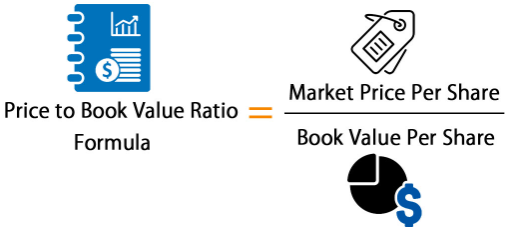
The P/B ratio helps you measure what a company is worth if it were sold today. It is a useful tool for spotting undervalued stocks. Book value means the value of a company’s assets that can be sold. This includes equipment, buildings, land, stock holdings, and bonds. Book value matters because it shows what a company is worth based on what it owns.
PEG Ratio: Price, Earnings, and Growth
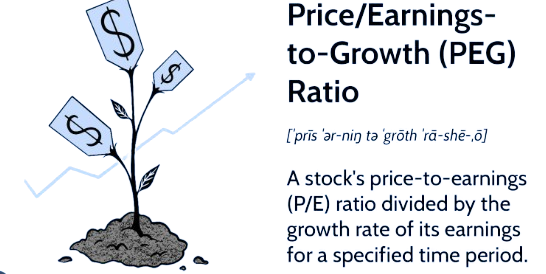
The PEG ratio is a helpful tool for comparing stocks. It looks at a company’s price, earnings, and the past growth rate of its earnings. This gives you a better idea of how one stock compares to another. Use it as part of a stock selection framework to make smarter investment choices.
Dividend Yield: Income From Quality Stocks
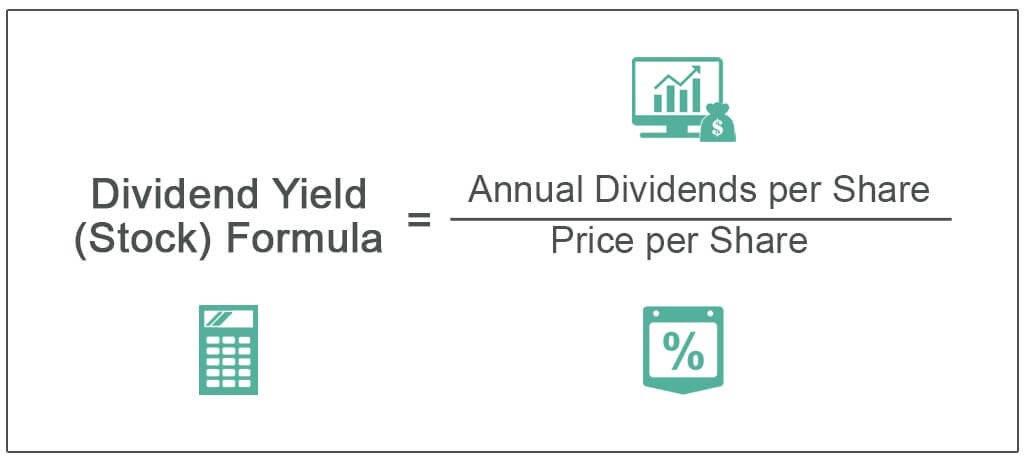
The dividend yield shows how much cash a company pays its shareholders compared to its stock price. To calculate it, divide the dividend per share by the market price per share, then multiply by 100. A high dividend yield means the company shares a large part of its profits with investors. This makes it a good option for building long term wealth. Investors often compare a company’s dividend yield to the average for its industry.
Price-to-Earnings (P/E) Ratio: A Key Tool
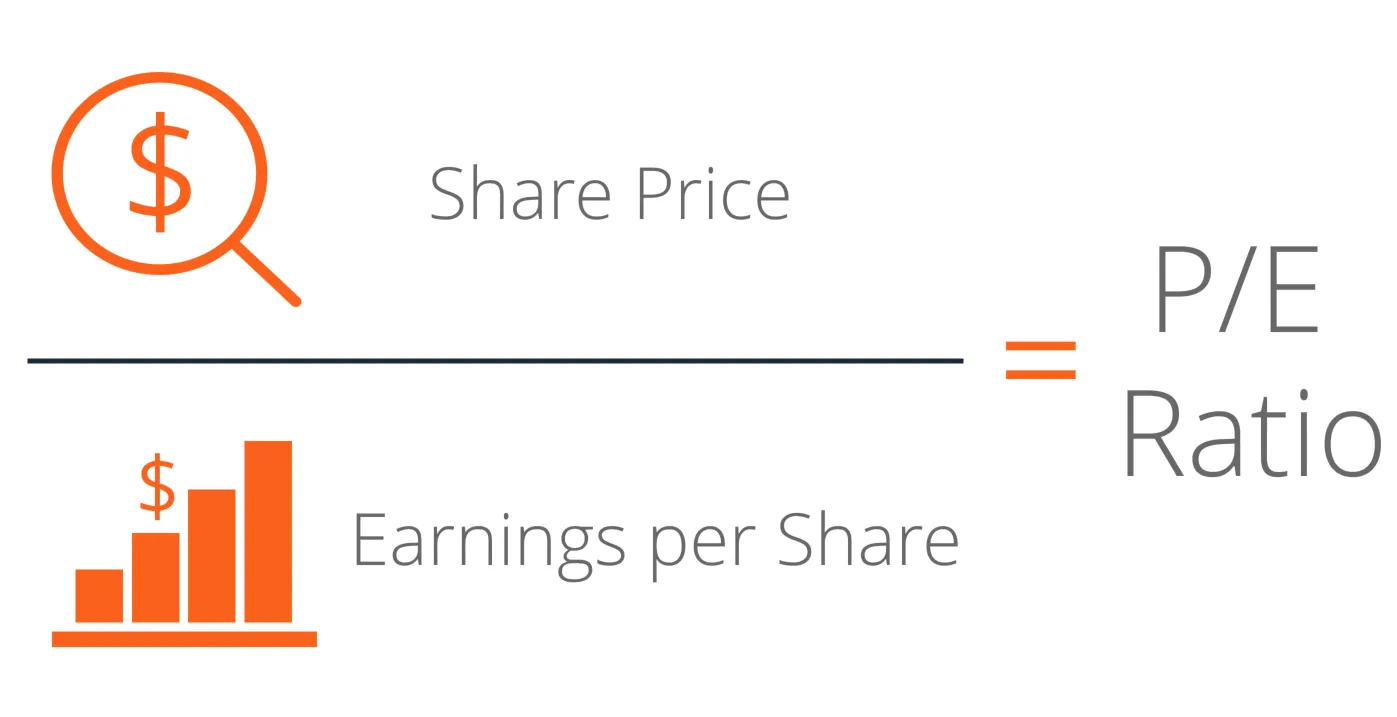
The price-to-earnings (P/E) ratio is a key tool investors use to value a company. It compares the stock price to the company’s earnings per share (EPS). The P/E ratio can help you decide whether to invest in a company. For professional market guidance, many investors use this ratio as a starting point. But remember, it is just one metric. Always look at other factors too, like debt, cash flow, and growth potential.
Debt-to-EBITDA: A Measure of Financial Health
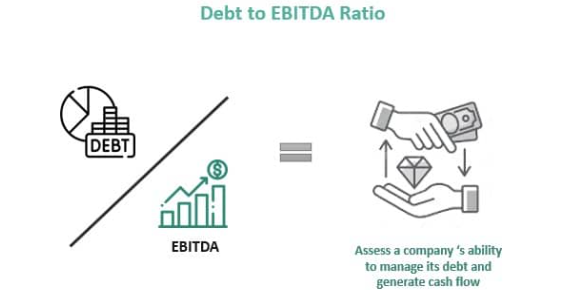
This metric helps evaluate management effectiveness and estimate a company’s value. It shows the financial health of a business and how well it can pay off its debts. The ratio compares a company’s debts and other financial obligations to its cash earnings (excluding non-cash expenses). To calculate it, divide total debt by EBITDA (Earnings before Interest, Taxes, Depreciation, and Amortization).
BETA
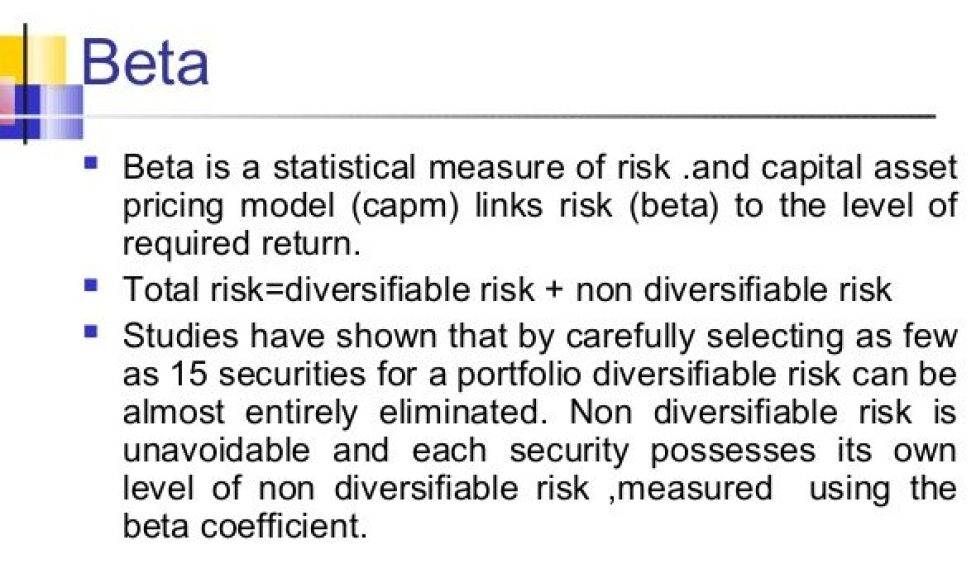
Beta measures how much a stock’s price moves compared to the overall market. It is a common way to measure risk and is part of the Capital Asset Pricing Model (CAPM). Through personalized advisory plans, investors use beta to understand risk. A higher beta means more risk, but also the chance for greater returns. Beta calculates the relationship between changes in a stock’s value and changes in the market as a whole.
THE BOTTOM LINE
Stocks are securities and assets, That represent a companies ownership. When investors buy company stocks then they became the partner of the company. Stocks are the best way to grow their money. Stocks are sold and bought in the stock exchange. commonly, There are two types of stocks, common stocks, and preferred stocks.
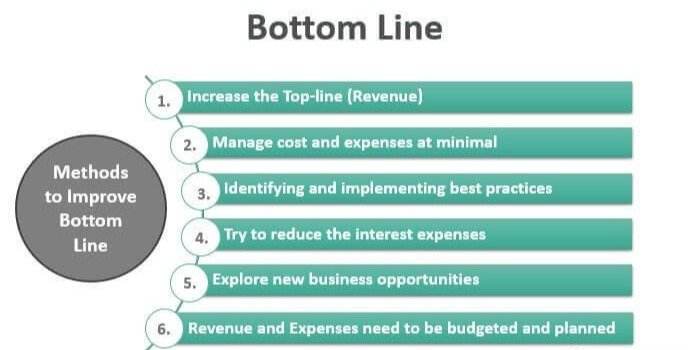
The bottom line is the ‘net profit’ shown at the bottom of the income statement of a company. The bottom line is a company’s income after deducting all expenses from revenues. These expenses comprise interest charges paid on loans, income taxes, operating and administrative costs. This is what the company is left with after paying all its expenses for the period reported. A company’s bottom line can also be referred to as net earnings. Bottomline usually shows the efficiency of the company in controlling costs even as it delivers higher sales. A company that is growing its net earnings or reducing its costs is said to be "improving its bottom line"

Free Registration for Stock Market Tips ( Advisory Services)


As per the SEBI rules, we will provide our Services only to those clients who have Complete Risk Profile. Fill This Registration Form and
Contact us on
- Whatsapp @ +91 95999 69624
- Call Us @ +91 9650 890 321
for further process.