
What Are Support and Resistance Levels?

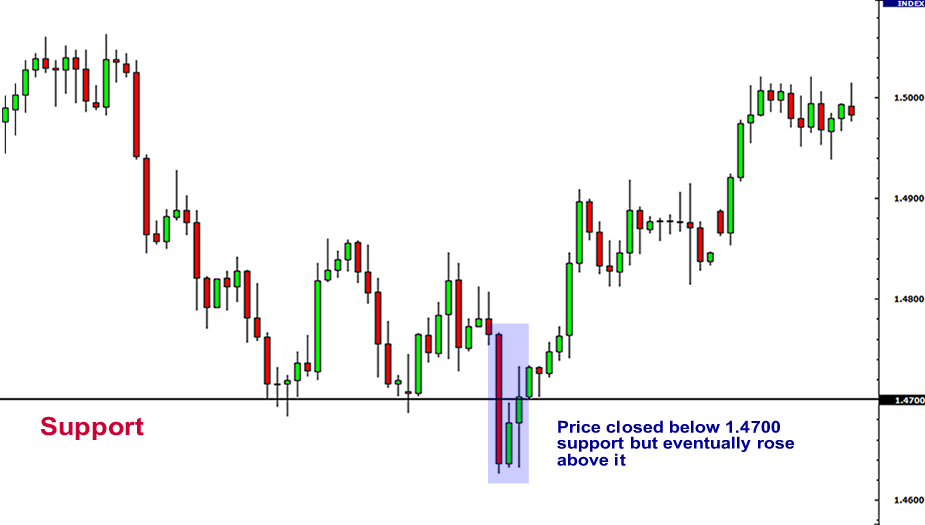
Support and resistance levels help traders read stock charts and make smarter decisions. In professional share market advisory, these are key tools. Support is a price where a stock tends to stop falling because buyers step in. Resistance is a price where a stock tends to stop rising because sellers take over. Think of support as a floor and resistance as a ceiling.
How to Identify Support and Resistance Levels

Look for multiple touches: The more times a price touches a level and reverses, the stronger it is.
Use historical data: Past support can become future resistance, and vice versa.
Notice round numbers: Psychological levels like $50 or $100 can act as support or resistance due to human psychology.
How to Apply Support and Resistance in Real Trading
Example 1: A Tech Stock Tests Key Levels
- Stock XYZ has bounced from $150 multiple times ➡️ Support
- It struggles to break above $170 ➡️ Resistance
- A strong volume breakout above $170 could signal a new uptrend
Real Story: A Retail Stock Breaks Support
A major retail stock held a support level of $30 for several months. When it finally broke below that price on high trading volume, the $30 level turned into resistance. The stock could not climb back above it.
How to Analyze Current Stock Charts

Choose a stock and find its 52-week high and low.
Look for the price levels with the most touches without breaking through.
Use technical indicators like moving averages to add another layer to your analysis.
Making Trading Decisions Based on Support and Resistance
How to Set Entry and Exit Points with Support and Resistance
Buy near support levels when you see bullish patterns.
Consider selling or shorting near resistance if bearish signals appear.
Place stop-loss orders just below support or above resistance to manage risk.
Example 2: A Pharma Stock Breaks Resistance
- Pharma Co. has a resistance at $75.
- News of a breakthrough drug approval helps it break through on high volume.
- Traders might enter a long position after the breakout, setting a stop-loss just below $75.
Example 3: An Energy Stock Hits Resistance
- Energy Inc. has hit $40 three times and reversed.
- It is approaching $40 again with decreasing volume.
- This could be a signal to sell before it potentially drops from the resistance level.
Keep Learning as Markets Change
Markets Change Over Time
Markets change, and so do support and resistance levels. Keep updating your charts and adjust your strategies as needed.
Real Story: A Tech Stock Breaks Through Resistance
A tech company stock traded between support at $100 and resistance at $120 for a year. After a major product breakthrough, it broke above $120 with a gap up on massive volume. This signaled a new trading range and an uptrend.
Keep Practicing to Build Your Skills

Practice these concepts on different stocks and time frames. Over time, you will get better at spotting key support and resistance levels and managing trading risks effectively.
Quick practice plan:
Learn the basics: Understand what support and resistance levels are and why they matter in technical analysis.
Look at a real stock chart and find price points where the stock reversed direction.
Find levels on charts: Use practical methods to spot support and resistance on any stock chart.
Study a historical chart and mark the key price levels where the stock stopped falling or rising.
Use levels in trades: Apply support and resistance to decide when to enter or exit a trade.
Review a real trade example where support or resistance helped make a buy or sell decision.
Practice on your own: Test your skills with practice charts and scenarios.
Look at a stock chart, find the support and resistance levels, and explain why you chose them.