


Impact of Monsoon season on Indian stock market and on Indian Economy
The Monsoon season in India is a period of heavy rainfall that occurs from June to September. It is characterized by the southwest monsoon winds that bring moisture-laden clouds from the Indian Ocean to the Indian subcontinent. This annual weather phenomenon is crucial for the agricultural sector and the overall economy of India.
The monsoon season has a powerful impact on India’s stock market and economy. That is because rainfall directly shapes the success of Indian agriculture. And agriculture employs more than half of India’s workforce while contributing about 17% of GDP. The monsoon lasts from June to September and brings 70-90% of the country’s yearly rainfall. But the rain does not fall evenly across India. Some regions get heavy downpours while others get much less. The timing and amount of rain also change from year to year. These shifts can cause major changes in farm output and economic growth.
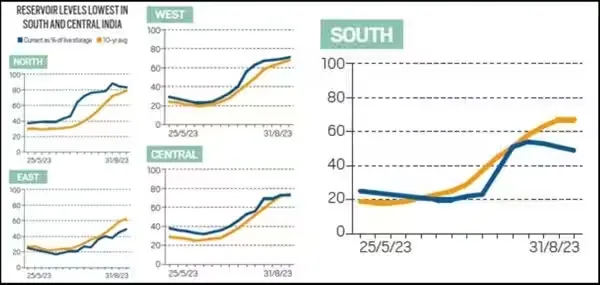
Most Indian farmland depends on rain, not irrigation. So the right amount of rain at the right time is essential for a strong farming season. The monsoon also fills reservoirs and dams. This stored water is used for hydroelectric power and for supplying water to homes and industries.
Importance of Monsoon Season For Indian Agriculture And Economy
The Monsoon season is of utmost importance for Indian agriculture as it determines the success or failure of crops grown in the country. The timely arrival and adequate distribution of monsoon rains are crucial for sowing, germination, and growth of crops. A good monsoon season leads to higher agricultural output, which not only ensures food security but also contributes significantly to the country's economy.

The agriculture sector is a key part of India’s economy. It employs more than half the population and contributed about 17% of India’s GDP in 2020-21, according to the Ministry of Agriculture and Farmers Welfare, as shown in the India’s GDP performance summary. Most farming jobs are in rural areas.
The monsoon’s impact goes beyond farming. A good monsoon raises rural income. This boosts demand for goods and services across sectors like manufacturing, retail, and services. A poor monsoon does the opposite. It lowers farm output, reduces rural income, and can slow down the entire economy.
Historical impact of Monsoon Season on Indian Stock Market
The Monsoon season in India has historically had a significant impact on the country's stock market. The performance of the stock market during this period is closely linked to the performance of the agricultural sector and overall economic conditions. A good monsoon season is generally associated with positive sentiment in the stock market, while a poor monsoon season can lead to negative sentiment and volatility.
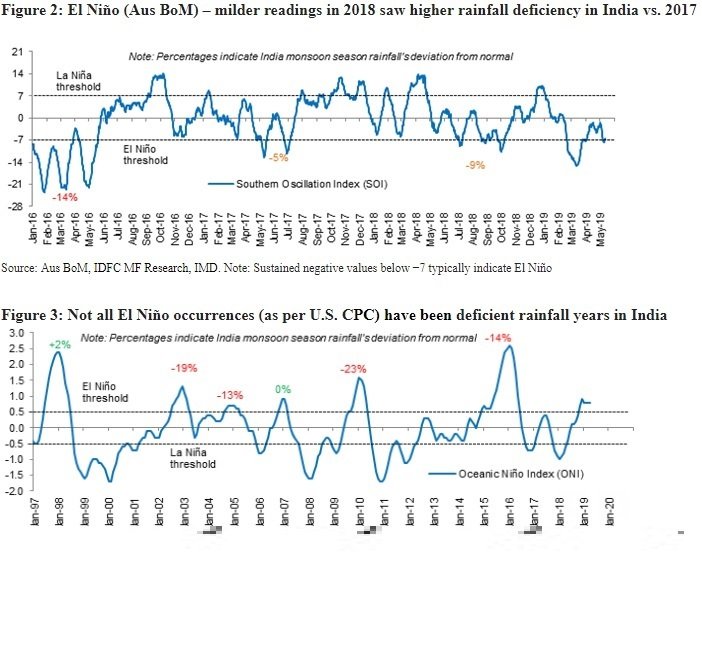
Historical data shows that the impact of the Monsoon season on the Indian stock market varies from year to year. In some years, a good monsoon season has led to a rally in the stock market, with increased investor confidence and positive expectations for corporate earnings. On the other hand, a poor monsoon season has often resulted in a decline in stock prices, as it raises concerns about lower agricultural output, reduced rural income, and overall economic slowdown.
The impact of the Monsoon season on different sectors of the Indian economy can also be seen in the performance of sector-specific indices in the stock market. For example, during a good monsoon season, stocks of companies in sectors in the share market such as agriculture, consumer goods, and automobiles tend to perform well. Conversely, during a poor monsoon season, stocks of companies in these sectors may witness a decline in prices.
Factors affecting the impact of Monsoon season on Indian Stock Market
Several factors influence the impact of the Monsoon season on the Indian stock market. These factors can either amplify or mitigate the effects of the monsoon on investor sentiment and stock prices.
Overall economic conditions and investor sentiment play a big role. If the economy is already struggling with high inflation, rising interest rates, or global tensions, a poor monsoon can make things worse and push stock prices down. But if the economy is doing well and sentiment is strong, a good monsoon can boost confidence further and drive market gains.
The government’s response also matters. When a monsoon is weak, the government steps in with subsidies to farmers, relief programs, and more spending on infrastructure. These steps help support rural income and economic activity, which can benefit the stock market.
Global factors also play a part. Conditions in the world economy, changes in commodity prices, and foreign investor sentiment all influence trading around key events.

Impact of Monsoon season on Different Sectors of Indian Economy
The impact of the Monsoon season on different sectors of the Indian economy can vary depending on their dependence on agriculture and rural consumption.
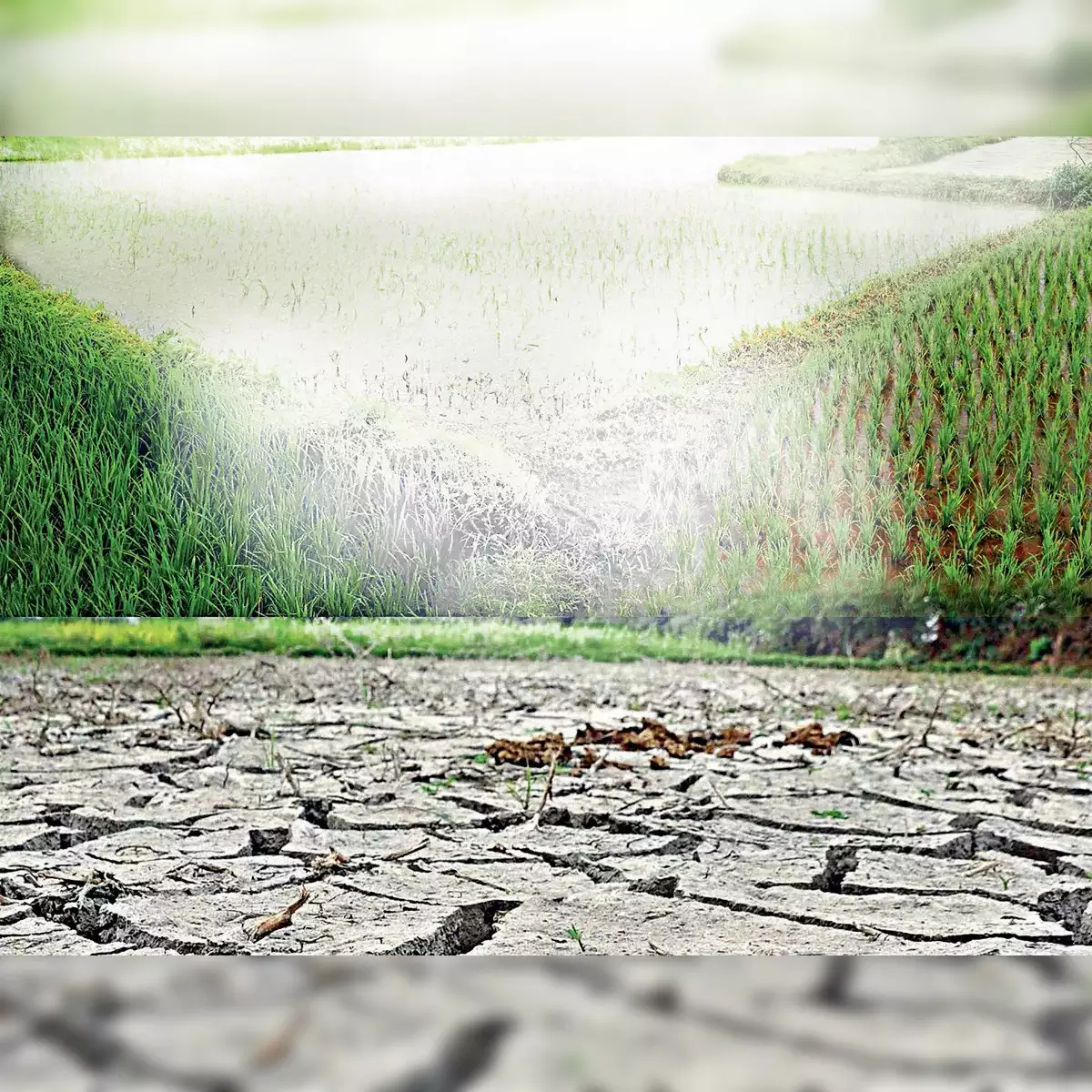
The agriculture sector is directly affected by the Monsoon season as it relies heavily on rainfall for crop cultivation. A good monsoon season leads to higher agricultural output, which not only ensures food security but also boosts rural income and consumption. This has a positive impact on sectors such as consumer goods, automobiles, and retail, as increased rural income leads to higher demand for goods and services.
On the other hand, a poor monsoon season can lead to lower agricultural output, reduced rural income, and overall economic slowdown. This has a negative impact on sectors such as consumer goods, automobiles, and retail, as lower rural income leads to lower demand for goods and services.
Other sectors of the economy, such as manufacturing, infrastructure, and services, are indirectly affected by the Monsoon season. These sectors rely on overall economic conditions and investor sentiment, which can be influenced by the performance of the agriculture sector during the Monsoon season.
The Role of Monsoon Season in Determining Inflation and GDP Growth in India
The Monsoon season plays a crucial role in determining inflation and GDP growth in India. The performance of the agriculture sector during the Monsoon season has a direct impact on food prices, which is a major component of the consumer price index (CPI) used to measure inflation.
A good monsoon season leads to higher agricultural output, which increases the supply of food grains and reduces food prices. This helps in controlling inflationary pressures and keeping overall inflation in check. On the other hand, a poor monsoon season can lead to lower agricultural output, which reduces the supply of food grains and increases food prices. This can contribute to higher inflationary pressures and pose challenges for monetary policy.
The performance of the agriculture sector during the Monsoon season also has a direct impact on GDP growth in India. Agriculture is one of the key sectors contributing to GDP growth, and its performance during the Monsoon season can significantly influence overall economic growth. A good monsoon season leads to higher agricultural output, which boosts rural income and consumption, and contributes to GDP growth. Conversely, a poor monsoon season can lead to lower agricultural output, reduced rural income, and overall economic slowdown.
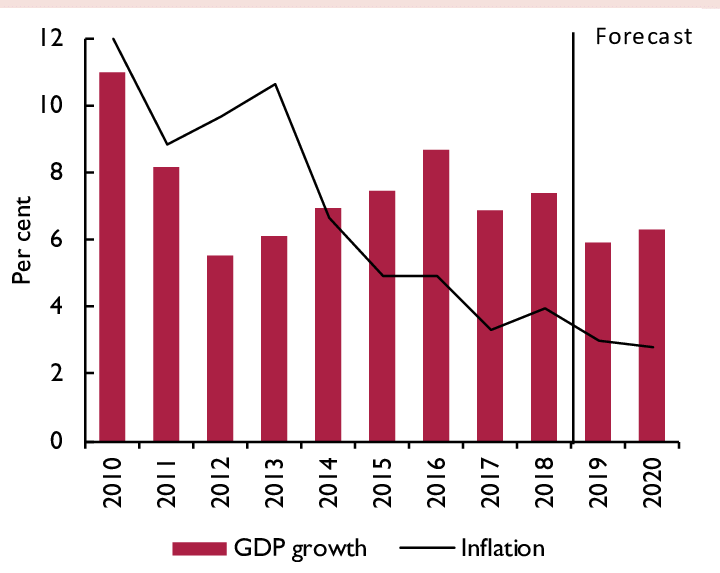
It is important to note that the impact of the Monsoon season on inflation and GDP growth is not limited to the agriculture sector alone. As mentioned earlier, the performance of other sectors of the economy is also influenced by the Monsoon season, which can have indirect effects on inflation and GDP growth. For example, a good monsoon season leads to increased rural income and consumption, which can boost demand for goods and services produced by other sectors of the economy and contribute to overall economic growth.
Strategies Adopted by investors to Mitigate the Impact of Monsoon Season on Indian Stock Market
Investors adopt various strategies to mitigate the impact of the Monsoon season on the Indian stock market. These strategies aim to reduce risk and protect investment portfolios from potential volatility and downturns during the Monsoon season.

A key strategy for investors is diversification. By spreading investments across different sectors and asset classes, investors can reduce their risk. No single sector or industry can then hurt the whole portfolio too much. For example, investors may put some money in defensive sectors like healthcare or utilities. These sectors are less affected by changes in farm output during the monsoon.
Another strategy is hedging. Investors can use options or futures contracts to protect against possible losses during the monsoon. For example, buying put options on stocks or indices that may fall during a poor monsoon. If those stock prices drop, the put options gain value and help offset the losses.
Investors also watch weather forecasts and farm reports closely. This helps them stay informed about the monsoon’s progress and its possible impact on the economy.
Comparison of Monsoon Season impact on Indian Stock Market with Other Global Markets
The impact of the Monsoon season on the Indian stock market is unique to the country and differs from the impact of weather events on other global markets. While weather events such as hurricanes, droughts, or floods can have significant impacts on global markets, the Monsoon season in India has a more localized effect.
Unlike other global markets, the Indian stock market is heavily influenced by the performance of the agriculture sector and overall economic conditions. The Monsoon season plays a crucial role in determining agricultural output, rural income, and overall economic growth in India. Therefore, how COVID affected Indian markets can have a direct impact on investor sentiment and stock prices in India.
In contrast, weather events in other countries may have different impacts on their respective stock markets depending on the structure of their economies and sectors. For example, countries with a more diversified economy or less dependence on agriculture may be less affected by weather events compared to India.

Government Policies And Measures To Combat The Impact Of Monsoon Season On Indian Economy
The Indian government has implemented various policies and measures to combat the impact of the Monsoon season on the economy. These policies aim to mitigate the effects of a poor monsoon season on agricultural output, rural income, and overall economic growth.

One of the key measures is the provision of subsidies and support to farmers. The government provides subsidies on fertilizers, seeds, and irrigation equipment to encourage farmers to adopt modern agricultural practices and improve productivity. The government also implements crop insurance schemes to protect farmers against crop losses due to natural calamities, including a poor monsoon season.
The government also invests in rural infrastructure development, such as irrigation projects, rural roads, and storage facilities. These investments help in improving water management, reducing post-harvest losses, and enhancing market access for farmers. Additionally, the government implements programs to promote diversification of crops and adoption of climate-resilient agricultural practices to reduce dependence on monsoon rains.
In times of a poor monsoon season, the government may also announce relief measures such as loan waivers or debt restructuring for farmers facing financial distress. These measures aim to provide immediate relief to farmers and prevent distress sales of agricultural produce.
Furthermore, the government focuses on improving water management and conservation through initiatives such as rainwater harvesting, watershed development, and construction of check dams. These measures help in conserving water resources and ensuring sustainable use of water for agriculture.

Future Outlook Of Monsoon Season Impact On Indian Stock Market And Economy
The future outlook of the Monsoon season impact on the Indian stock market and economy is subject to various factors and uncertainties.

Climate change is expected to have a significant impact on the Monsoon season in India. Studies suggest that climate change may lead to changes in rainfall patterns, increased frequency of extreme weather events, and higher variability in monsoon rainfall. These changes can pose challenges for agriculture, water management, and overall economic stability.
However, advancements in technology and agricultural practices can help mitigate some of the risks associated with a changing climate. For example, the adoption of precision agriculture techniques, use of drought-tolerant crop varieties, and implementation of efficient water management practices can help farmers adapt to changing rainfall patterns and reduce dependence on monsoon rains.
The government’s policies and measures to promote sustainable agriculture, rural development, and climate resilience will play a crucial role in determining the future impact of the Monsoon season on economic indicators and stock prices. Continued investments in infrastructure, research and development, and capacity building will be essential to ensure the resilience of the agriculture sector and overall economic growth.

FAQs ( Frequently Asked Questions)
What is the Monsoon season in India?
The Monsoon season in India is a period of heavy rainfall that occurs from June to September every year.
How does the Monsoon season impact the Indian stock market?
The Monsoon season can impact the Indian stock market in various ways. If the rainfall is good, it can lead to higher agricultural output, which can boost the performance of agriculture-related stocks. On the other hand, if the rainfall is poor, it can lead to lower agricultural output, which can negatively impact the performance of agriculture-related stocks.
How does the Monsoon season impact the Indian economy?
The Monsoon season can impact the Indian economy in various ways. If the rainfall is good, it can lead to higher agricultural output, which can boost the overall economic growth of the country. On the other hand, if the rainfall is poor, it can lead to lower agricultural output, which can negatively impact the overall economic growth of the country.
What are the sectors that are most impacted by the Monsoon season?
The sectors that are most impacted by the Monsoon season are agriculture, FMCG (Fast Moving Consumer Goods), and consumer durables.
What are the factors that determine the impact of the Monsoon season on the Indian stock market and economy?
The impact of the Monsoon season on the Indian stock market and economy depends on various factors such as the amount and distribution of rainfall, the timing of the Monsoon season, the level of irrigation facilities, and the government policies related to agriculture and rural development.
The monsoon season plays a critical role in India’s agriculture, economy, and stock market. Timely and well-spread rainfall helps boost farm output, raise rural income, and support overall economic growth. Many factors shape how the monsoon affects the stock market, including economic conditions, investor sentiment, global trends, and government policies. Investors use strategies like diversification and hedging to manage monsoon-related risks. The government also steps in with subsidies, relief programs, and infrastructure projects to support farmers during poor monsoons. Looking ahead, climate change, new farming technology, and government policies will shape how the monsoon impacts India’s markets and economy.
If you are interested in how the monsoon affects markets, you may also find this article helpful: The Role of Technical Analysis in Intraday Trading. It explains how technical analysis can help you understand market trends affecting stock picks.