


Impact of Covid19 on Indian Stock Market
The Covid19 pandemic has had a profound impact on the global economy, causing disruptions in various sectors and leading to a significant decline in stock markets worldwide. The virus, which originated in Wuhan, China, quickly spread across the globe, resulting in widespread lockdowns and travel restrictions. As a result, businesses were forced to shut down or operate at limited capacity, leading to a sharp decline in economic activity.
The Indian stock market, also known as the Bombay Stock Exchange (BSE) and the National Stock Exchange (NSE), is one of the largest stock markets in Asia. It plays a crucial role in the Indian economy by providing a platform for companies to raise capital and investors to trade securities. The stock market is closely watched by investors, policymakers, and analysts as an indicator of the overall health of the economy.
Initial Impact of Covid19 on Indian Stock Market
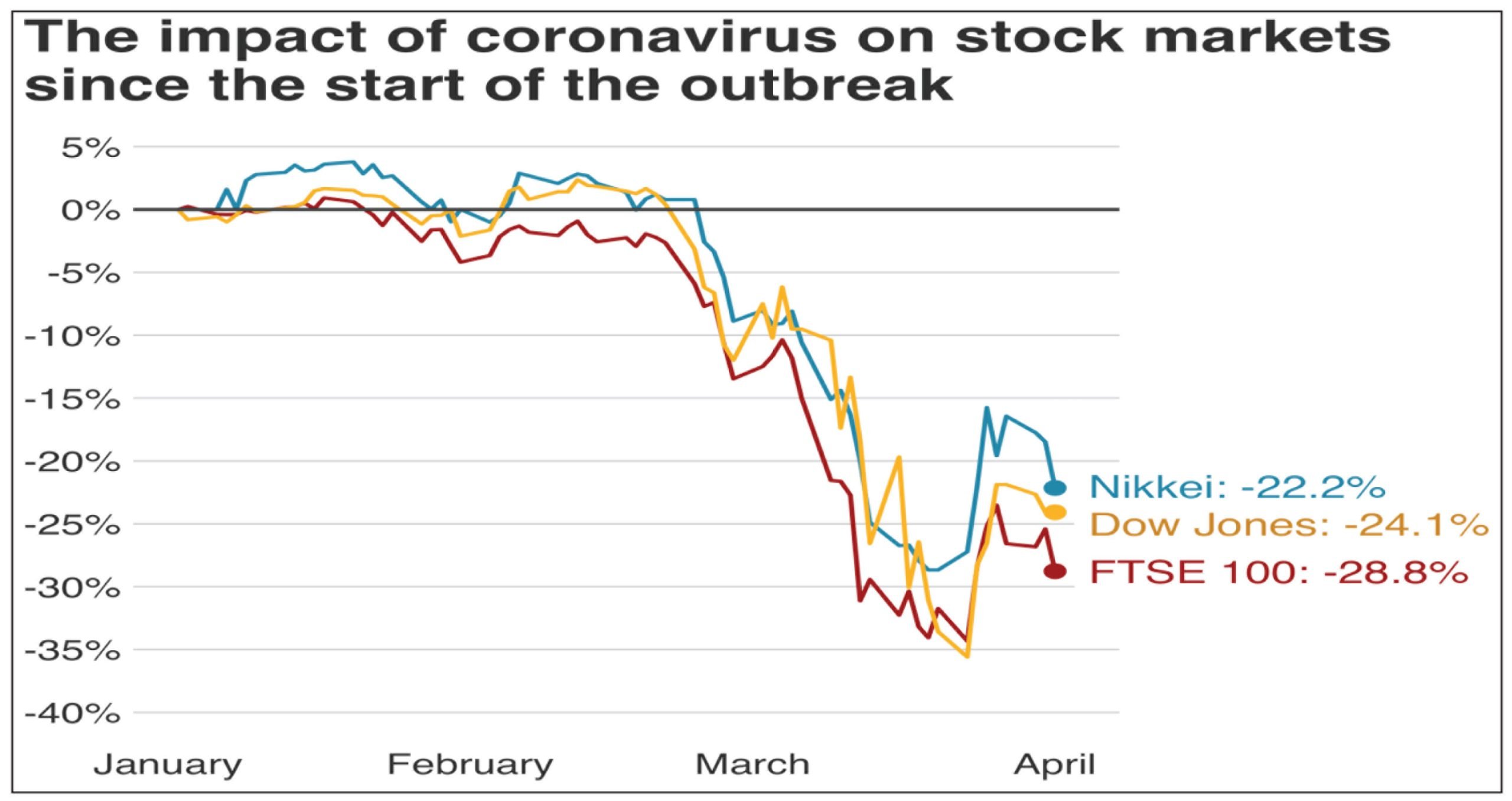
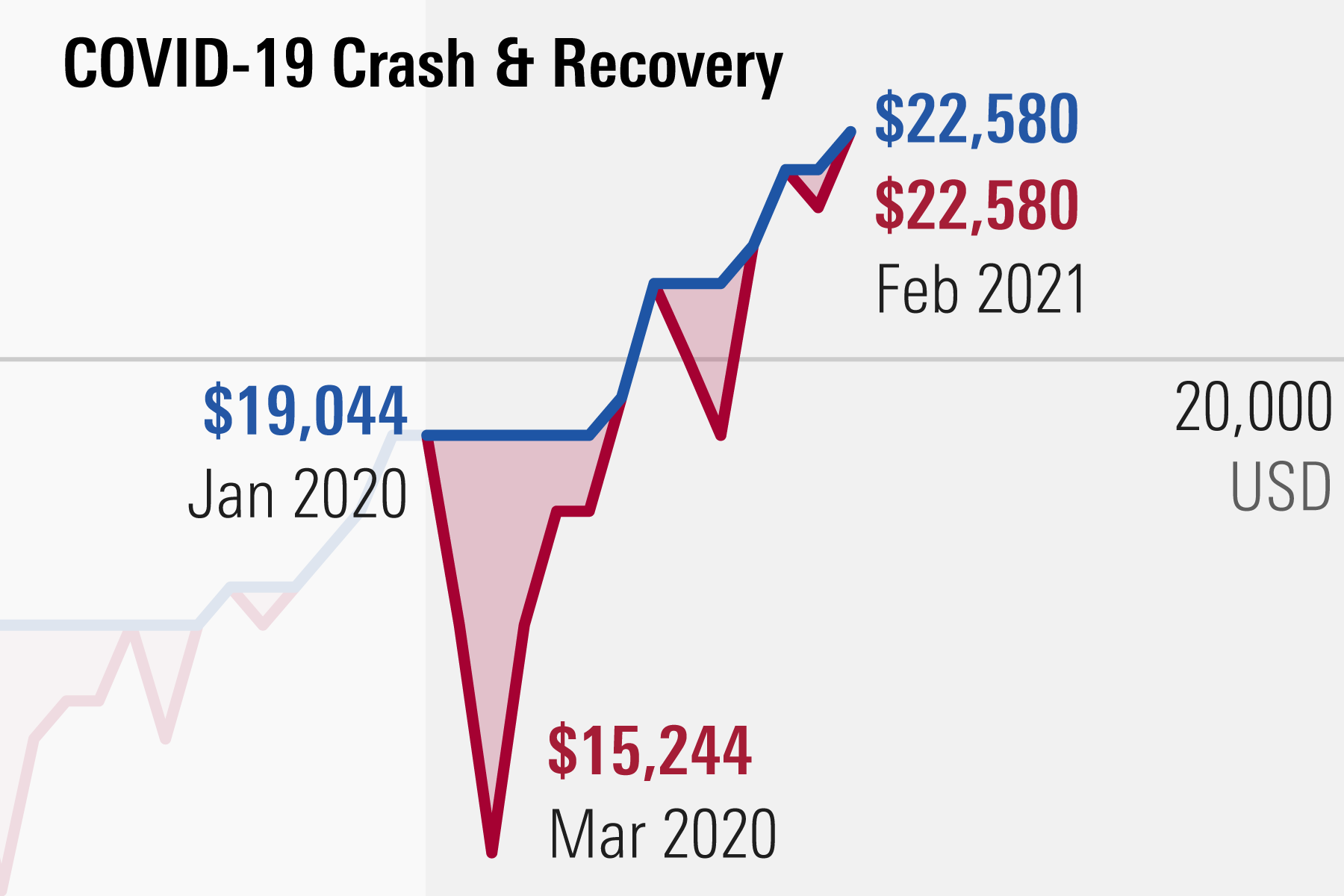
The COVID-19 pandemic hit the Indian stock market hard in March 2020. The BSE Sensex fell from an all-time high of over 42,000 in January 2020 to around 25,000 by March. The NSE Nifty also saw a steep drop during this time.
Panic selling caused this crash. Investors were unsure how the pandemic would affect the economy. Lockdowns and the fear of a global recession made them sell their shares quickly, leading to a sharp fall in stock prices.
Analysis of Sectors Affected by Covid19 in Indian Stock Market
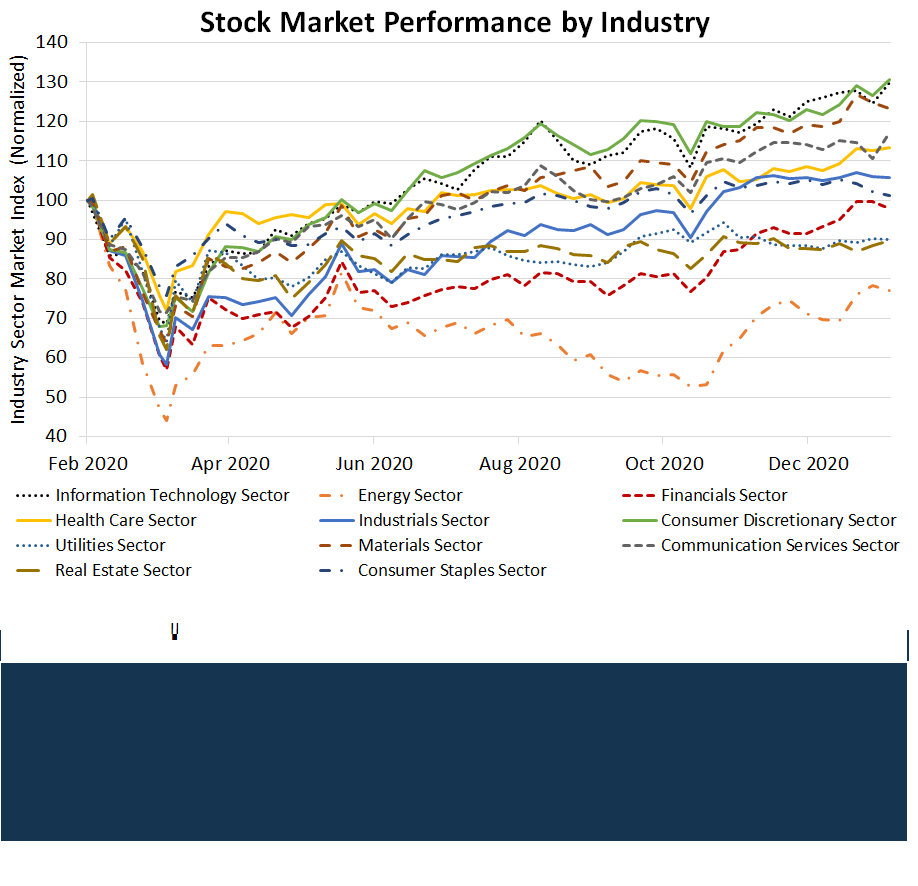
Several sectors were severely affected by Covid19 in the Indian stock market. Industries such as aviation, hospitality, and retail were hit hard as travel restrictions and lockdowns led to a decline in demand. Airlines saw a significant drop in passenger traffic, hotels faced cancellations and closures, and retail stores had to shut down temporarily.
The aviation sector took a big hit. Airlines faced a severe cash shortage as travel stopped. They had to ground planes and run at very low capacity. Revenue fell, costs rose, and airlines struggled to stay afloat.
The hospitality sector also suffered. Hotels faced closures and cancellations due to travel restrictions. With fewer people traveling, hotel occupancy rates dropped sharply, hurting revenue and profits.
The retail sector faced its own challenges. Many stores had to close during lockdowns. People stayed home and only bought essential items, so non-essential retailers saw a big drop in sales.
Government Measures to Control the Impact of Covid19 on Indian Stock Market
The Indian government took several measures to control the impact of Covid19 on the stock market and the overall economy. The Reserve Bank of India (RBI) announced various measures to provide liquidity support to banks and financial institutions. It reduced interest rates, provided additional liquidity through open market operations, and introduced special liquidity facilities for mutual funds.
The government announced relief packages to help affected sectors. These included loan moratoriums, credit guarantees, and direct cash transfers to vulnerable groups. The goal was to provide quick support to businesses and people hit by the lockdowns and to boost economic activity.
Regulatory bodies like SEBI also stepped in. They made it easier for listed companies to meet compliance rules during the crisis, giving them flexibility to focus on keeping their businesses running.
Volatility in Indian Stock Market during Covid19 Pandemic
The Indian stock market witnessed significant volatility during the Covid19 pandemic. Volatility refers to the rapid and significant price fluctuations in the stock market. The uncertainty surrounding the pandemic and its impact on the economy led to increased volatility in the stock market.
Several reasons behind market downturns caused the volatility in the Indian stock market. First, the virus spread quickly and lockdowns slowed economic activity. This hurt company earnings and led to panic selling.
Second, global issues like the oil price war between Saudi Arabia and Russia made things worse. Falling oil prices hit oil-dependent economies and companies, causing stock prices to drop.
Third, investor sentiment played a big role. Fear and uncertainty led to heavy selling. Positive news or government measures brought some relief and encouraged buying. This back and forth created a lot of market volatility.
Impact of Global Economic Slowdown on Indian Stock Market due to Covid19
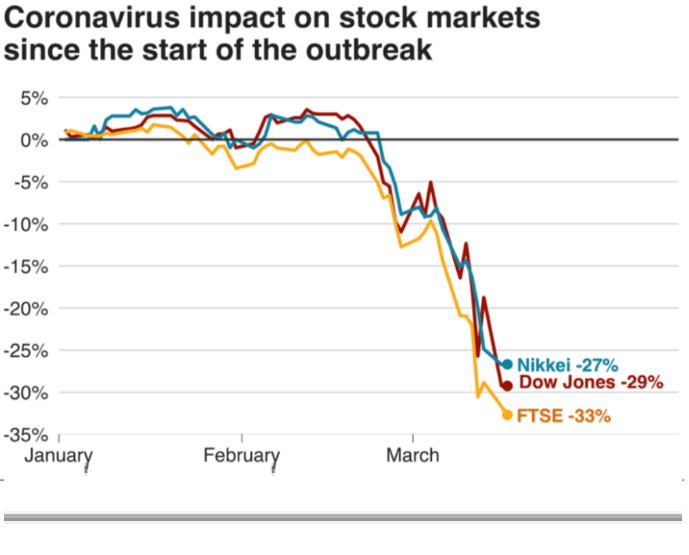
The global economic slowdown caused by Covid19 had a significant impact on the Indian stock market. The interconnectedness of economies meant that disruptions in one part of the world had ripple effects across other countries.
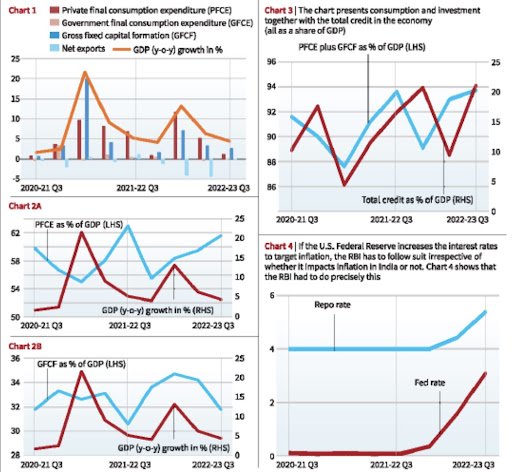
The IT sector felt the impact of the global economic slowdown. Many Indian IT companies earn most of their revenue from clients in the US and Europe. When those economies struggled due to COVID-19, demand for IT services fell, and stock prices dropped.
The pharmaceutical sector, however, saw strong growth. Countries rushed to get medical supplies and develop vaccines and treatments. Indian pharma companies, known for making generic medicines, were well placed to meet this demand. Their stock prices rose sharply.
Role of Technology in Indian Stock Market during Covid19 Pandemic
Technology played a crucial role in the Indian stock market during the Covid19 pandemic. With physical trading floors closed and employees working remotely, technology enabled seamless trading and communication.
Online trading platforms became essential during the pandemic. They let investors trade from home, keeping the stock market running smoothly. These platforms offered real-time data, research reports, and analysis tools to help investors make smart decisions.
Digitalization also made the market more transparent and efficient. Technology reduced manual work and paperwork, leading to faster settlements and fewer risks. This digital shift is likely to continue, as it offers clear benefits for everyone in the market.

Investor Sentiments and Behaviour during Covid19 Pandemic in Indian Stock Market
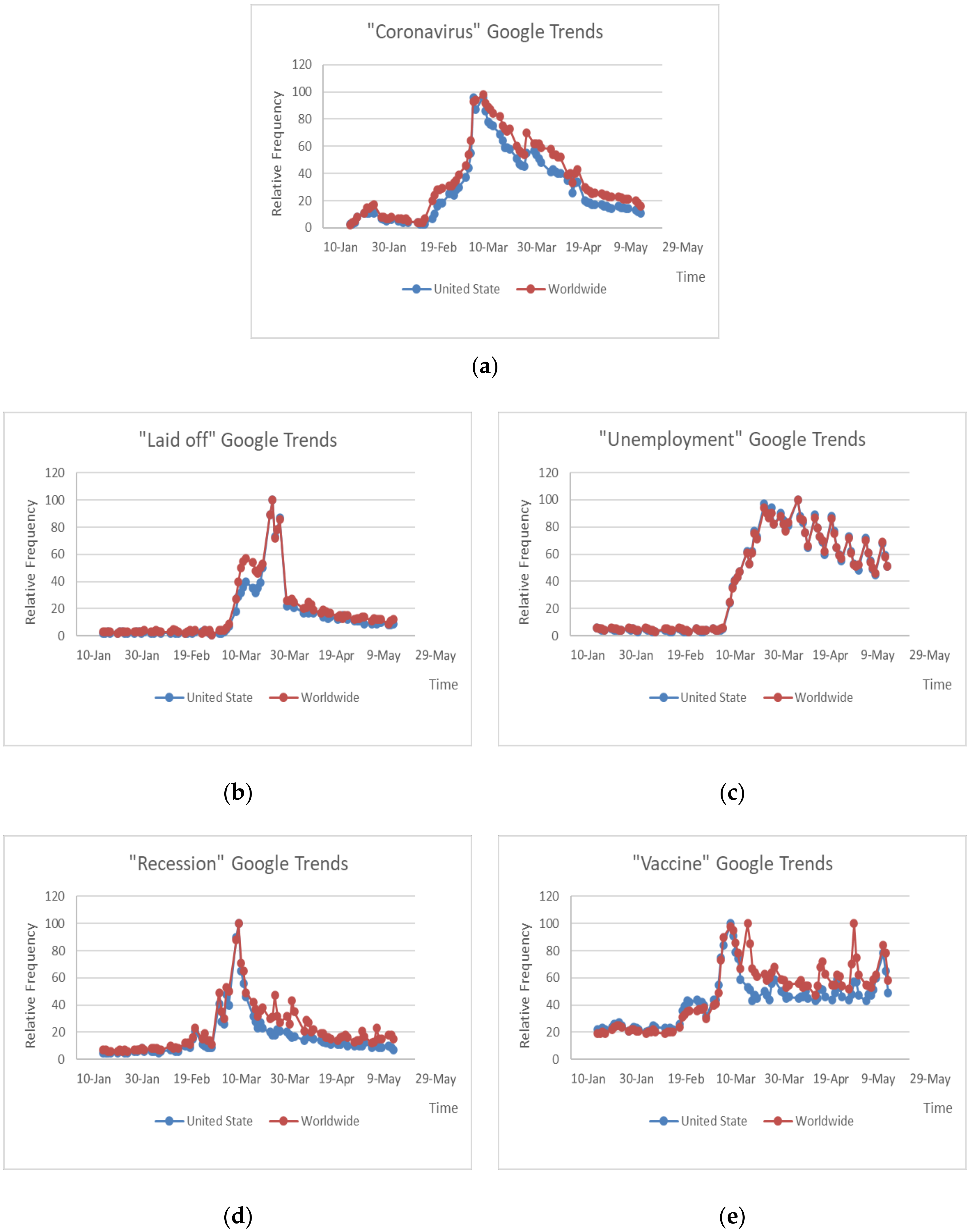
Investor behavior changed a lot during the pandemic. Retail investors, who make up a large part of the market, were especially affected.
At first, fear led to panic selling. Many investors worried about their money and sold their shares quickly, causing prices to fall sharply.
But as the government announced relief measures, confidence improved. News about vaccine development and falling infection rates also helped. Retail investors began returning to the market, and stock prices started to recover.
Institutional investors were more careful. They watched developments closely and made strategic decisions based on how COVID-19 was affecting different sectors. These investors think long term and focus on fundamentals rather than short term trading recommendations.
Recovery of Indian Stock Market after Covid19 Pandemic
The Indian stock market witnessed a recovery after the Covid19 pandemic, with the benchmark indices reaching new highs. The recovery was driven by several factors.
The market recovery happened for a few key reasons. First, the economy slowly reopened as lockdowns eased. Business activity improved, corporate earnings grew, and investor confidence returned.
Second, government relief packages provided vital support. They gave businesses the liquidity they needed to survive tough times.
Third, positive news about vaccines and falling infection rates raised hopes for a faster recovery. This optimism brought more buyers into the market and helped push stock prices higher.
Future Outlook of Indian Stock Market Post Covid19 Pandemic
The future outlook of the Indian stock market post Covid19 pandemic is positive, with several potential opportunities and challenges for investors.
One area of opportunity is in different stock market sectors like healthcare, pharmaceuticals, and technology. The pandemic showed how important these sectors are and how much they can grow. Companies in these areas are likely to benefit from higher demand and more investment in research.
Infrastructure is another promising area. The government has announced big plans to invest in infrastructure as part of its economic recovery. This could create opportunities for companies in construction, engineering, and power.
Still, the global outlook remains uncertain. Risks like inflation, geopolitical tensions, and trade disputes could affect the recovery. The speed of recovery will depend on factors like vaccine distribution, consumer confidence, and government policies.
FAQs ( Frequently Asked Questions)
What is the impact of Covid19 on the Indian stock market?
The Covid19 pandemic has had a significant impact on the Indian stock market, causing a sharp decline in stock prices and market indices.
How has the pandemic affected the Indian economy?
The pandemic has caused a slowdown in economic activity, leading to a decrease in demand and supply of goods and services. This has resulted in a decline in GDP growth and an increase in unemployment.
What sectors have been most affected by the pandemic?
The sectors that have been most affected by the pandemic include aviation, hospitality, tourism, and retail. These sectors have seen a significant decline in demand due to travel restrictions and social distancing measures.
What measures have been taken by the Indian government to mitigate the impact of the pandemic on the stock market?
The Indian government has taken several measures to mitigate the impact of the pandemic on the stock market, including providing liquidity support to banks and financial institutions, reducing interest rates, and announcing a stimulus package to boost economic growth.
What is the outlook for the Indian stock market in the near future?
The outlook for the Indian stock market in the near future is uncertain, as the pandemic continues to impact economic activity and investor sentiment. However, the government's measures to support the economy and the rollout of vaccines may help to improve market conditions in the coming months.
The COVID-19 pandemic had a major impact on the Indian stock market. After the initial crash, the market recovered thanks to government support, better news, and improving economic conditions. Going forward, sectors like healthcare and infrastructure offer potential opportunities. However, investors should stay cautious and keep an eye on global events to make smart decisions.
To learn more about long-term investing, check out this article from EquityX: Long-Term Investment Stocks. It offers useful tips on building a portfolio that can handle market ups and downs.