


The Impact of Market Volatility on Options Pricing

Market volatility plays a crucial role in the pricing of options, and it’s essential to understand its impact to navigate through it successfully.
What Are Options Pricing and Volatility
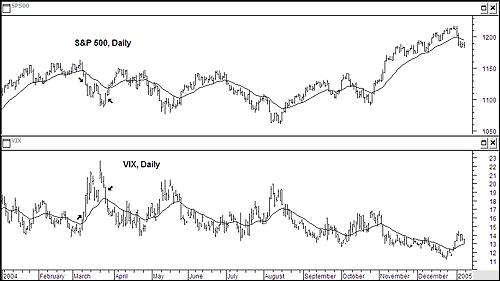
Options pricing is influenced by various factors, with volatility being a key determinant. When the market is volatile, the uncertainty and potential for large price swings increase, leading to higher option prices. This is because higher volatility increases the likelihood of the option reaching a profitable level before expiration.
Real-Life Impact
Consider the scenario of a tech stock experiencing a sudden surge in volatility due to regulatory concerns. As a result, the price of call options on the stock skyrockets, reflecting the increased uncertainty and potential for significant price movements. Traders who correctly anticipated this volatility could have capitalized on the opportunity by purchasing call options at lower prices before the surge.
Options Strategies in Volatile Markets
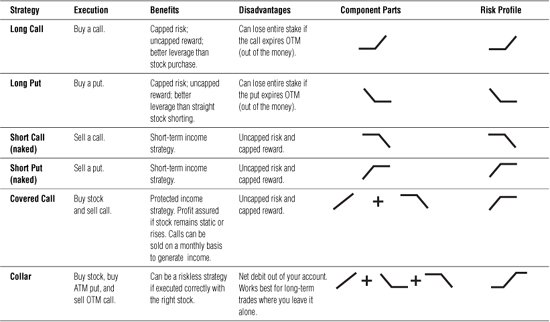
In volatile markets, traders often gravitate towards strategies that benefit from increased option prices, such as straddles and strangles. These strategies involve simultaneously buying both a call and a put option on the same underlying asset, allowing traders to profit from substantial price movements regardless of the direction.
Risk Management Techniques

To navigate through volatile market conditions, it’s crucial to implement effective risk management techniques. This may involve using hedging strategies to mitigate potential losses, such as buying protective puts to limit downside risk in a volatile market. Additionally, employing stop-loss orders can help traders limit their exposure to sudden price swings.
Market volatility significantly influences options pricing, presenting both opportunities and risks for traders. By understanding the impact of volatility on options, implementing suitable strategies, and managing risk effectively, traders can navigate through volatile market conditions with confidence and potentially capitalize on the opportunities presented.
Short step-by-step plan:
Introduction
- Start with a brief overview of market volatility and its significance in options pricing.
- Provide a real-world example of how market volatility impacted options pricing in the past, such as during a major economic event like the 2008 financial crisis.
Explanation of Options Pricing
- Outline the basic principles of options pricing, including factors like intrinsic value and time value.
- Use a hypothetical scenario to illustrate the impact of market volatility on the pricing of call and put options.
Impact of Market Volatility
- Discuss how changes in market volatility affect the pricing of options.
- Provide historical data or case studies to demonstrate the correlation between market volatility and options pricing.
Real Stories and Examples
- Share specific examples of how market volatility influenced options pricing for well-known stocks or indices.
- Include anecdotes or real stories from traders or investors who experienced significant changes in options pricing due to market volatility.
Saving Structure and Main Ideas
- Summarize the key points and main ideas presented in the analysis.
- Emphasize the importance of understanding market volatility for effective options trading strategies.
By following this step-by-step plan, you can effectively explain the impact of market volatility on options pricing using relevant examples, facts, and real stories to support your analysis.