


The Ripple Effect: Analyzing the Impact of Company's Quarterly Results on Stock Prices in India
The ripple effect is a phenomenon that occurs when an event or action has a cascading impact on other related events or actions. In the context of the stock market, the ripple effect refers to how the performance of one company can affect the performance of other companies in the same industry or sector, and even the overall market. Understanding the ripple effect is crucial for investors as it can help them make informed investment decisions and navigate the stock market more effectively.
Quarterly Results and Stock Prices in India
In India, quarterly results play a significant role in determining stock prices. Investors closely monitor these results as they provide valuable information about a company's financial health and future prospects. Positive quarterly results can lead to an increase in stock prices, while negative results can cause a decline.

Quarterly results are released by companies every three months and are required by regulatory bodies such as the Securities and Exchange Board of India (SEBI). These results provide a snapshot of a company’s performance during that specific period and are crucial for investors to assess the company’s financial stability and growth potential.
Stock prices in India are determined by various factors, including supply and demand dynamics, investor sentiment, market trends, and company-specific news. Quarterly results have a direct impact on investor sentiment, which in turn affects stock prices. Positive results indicate that a company is performing well and meeting or exceeding expectations, which can boost investor confidence and lead to an increase in stock prices.
Factors Affecting Company's Quarterly Results
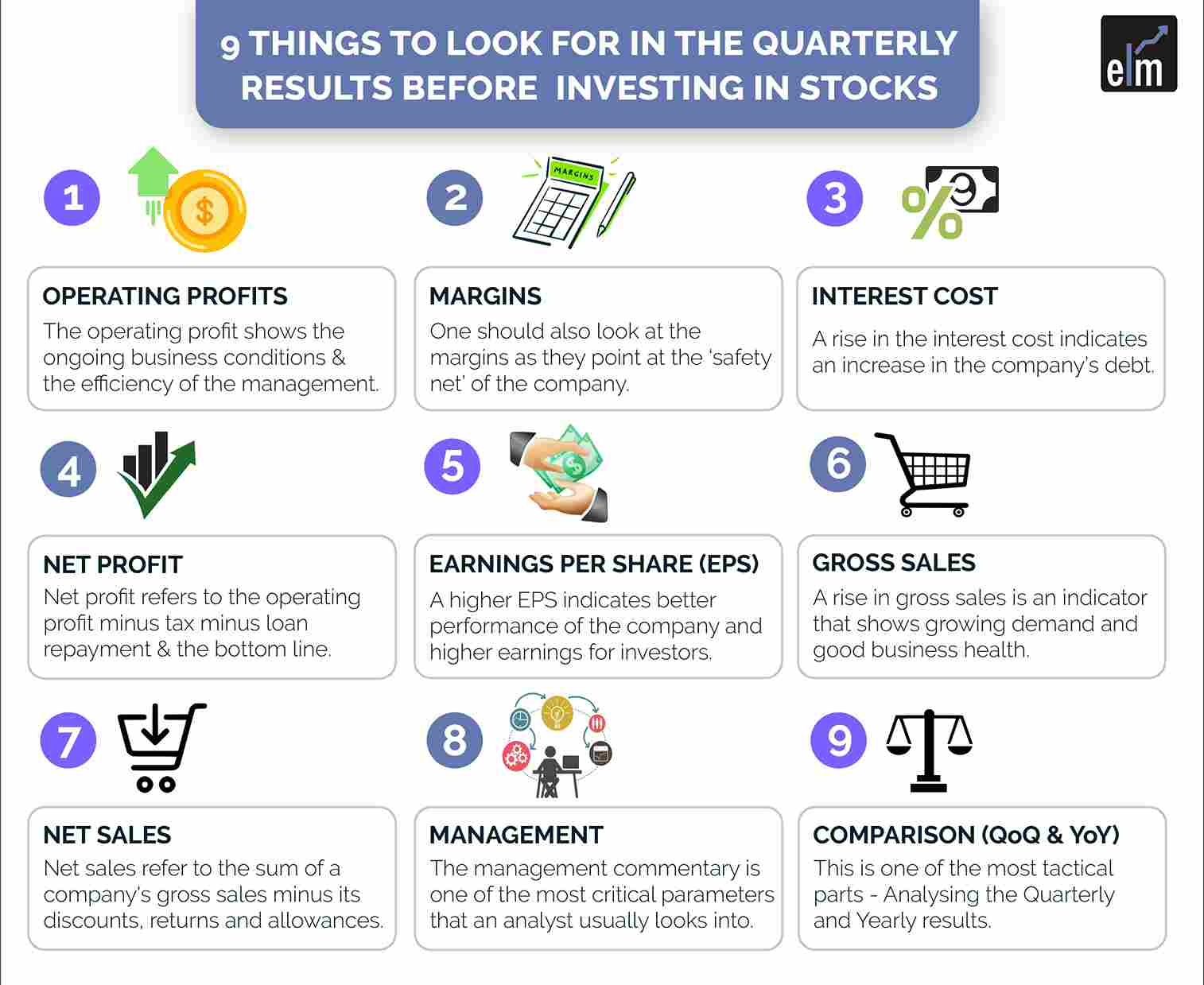
Several factors can influence a company's quarterly results, both internal and external. Internal factors include the company's management, operational efficiency, cost control measures, and product or service quality. External factors include economic conditions, industry trends, government policies, and competition.
For example, a company with strong management and efficient operations is more likely to achieve positive quarterly results. On the other hand, a company facing challenges such as high costs, low demand, or supply chain disruptions may experience negative results.
External factors can also have a significant impact on a company’s quarterly results. For instance, during an economic downturn, consumer spending may decrease, leading to lower sales for companies across various sectors. Similarly, changes in government policies or regulations can affect certain industries or companies.
The Significance of Stock Prices in India
Stock prices play a crucial role in the Indian stock market as they reflect the market's perception of a company's value and future prospects. Investors use stock prices to assess the performance of their investments and make decisions about buying or selling stocks.
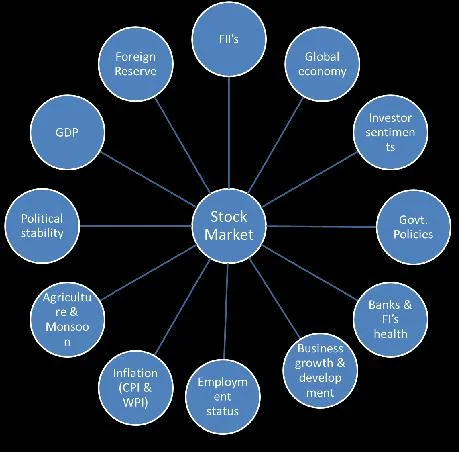
Stock prices are influenced by various factors, including investor sentiment, market trends, company-specific news, and overall economic conditions. Positive news or events can lead to an increase in stock prices, while negative news or events can cause a decline.
Investor sentiment plays a significant role in determining stock prices. If investors have confidence in a company’s future prospects, they are more likely to buy its stock, leading to an increase in price. Conversely, if investors are pessimistic about a company’s prospects, they may sell its stock, causing the price to decline.
The Impact of Positive Quarterly Results on Stock Prices
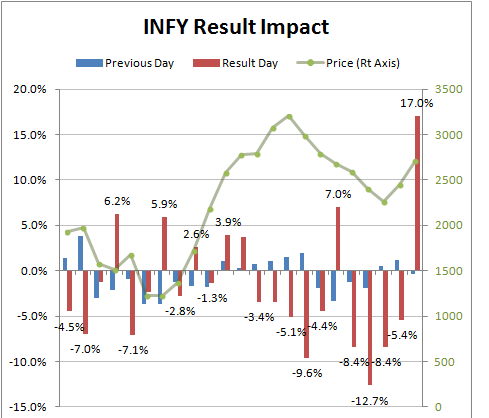
Positive quarterly results can have a significant impact on stock prices in India. When a company reports strong financial performance and exceeds market expectations, it signals that the company is doing well and has the potential for future growth. This positive news can attract investors, leading to an increase in demand for the company’s stock and a subsequent increase in its price.
For example, if a company reports higher-than-expected revenue and profit, it indicates that the company is generating more sales and making more money. This can lead to increased investor confidence and a belief that the company will continue to perform well in the future. As a result, investors may buy more of the company’s stock, driving up its price.
The Effect of Negative Quarterly Results on Stock Prices

Negative quarterly results can have a detrimental effect on stock prices in India. When a company reports weak financial performance or fails to meet market expectations, it raises concerns about the company’s ability to generate revenue and profit. This negative news can lead to a decrease in investor confidence and a subsequent decline in the company’s stock price.
For example, if a company reports lower-than-expected revenue and profit, it indicates that the company is facing challenges and may not be able to sustain its current level of performance. This can lead investors to sell their shares, causing the stock price to decline.
Analyzing the Ripple Effect on the Indian Stock Market
The ripple effect can have a significant impact on the Indian stock market. When a company releases its quarterly results, it not only affects its own stock price but also ripples through the market, impacting other companies in the same industry or sector.
For example, if a leading company in the technology sector reports strong quarterly results, it can boost investor confidence in the entire sector. This positive sentiment can lead to an increase in demand for other technology stocks, driving up their prices as well.
Conversely, if a company in a particular sector reports weak quarterly results, it can raise concerns about the overall health of that sector. This negative sentiment can lead to a decrease in demand for other stocks in the same sector, causing their prices to decline.
Investors can use this knowledge of the ripple effect to make informed investment decisions. By analyzing the quarterly results of companies in a particular industry or sector, investors can gain insights into the overall health and future prospects of that industry. This information can help them identify potential investment opportunities or avoid sectors that may be facing challenges.

Strategies for Investors during Quarterly Results Season
During the quarterly results season, investors can employ several strategies to navigate the stock market effectively and make informed investment decisions.

Research and Analysis
Investors should thoroughly research and analyze the quarterly results of companies they are interested in investing in. This includes studying financial statements, listening to earnings calls, and reading analyst reports. By understanding a company’s financial performance and future prospects, investors can make more informed decisions.
Diversification
Diversifying one’s investment portfolio is crucial during the quarterly results season. By spreading investments across different sectors and industries, investors can mitigate risk and reduce exposure to any single company’s performance.


Long-Term Perspective
Investors should adopt a long-term perspective when analyzing quarterly results. Short-term fluctuations in stock prices may not always reflect a company’s true value or potential. By focusing on the long-term prospects of a company, investors can make more informed decisions.
Risk Management
Investors should have a clear risk management strategy in place. This includes setting stop-loss orders to limit potential losses and regularly reviewing and adjusting investment portfolios based on changing market conditions.

The Importance of Quarterly Results on Stock Prices in India
Investors can use this knowledge to make informed investment decisions by analyzing quarterly results, understanding the factors that affect them, and employing effective strategies during the quarterly results season. By doing so, investors can navigate the stock market more effectively and increase their chances of achieving their investment goals.
If you're interested in understanding the effects of a company's quarterly results on stock prices in India, you may also find this article on "What is SGX Nifty and How It Influences the Indian Stock Market" informative. The SGX Nifty is an important indicator for Indian stock market investors as it provides insights into the direction of the market before it opens.
FAQs ( Frequently Asked Questions)
What are quarterly results?
Quarterly results refer to the financial performance of a company over a period of three months. These results include information on revenue, expenses, profits, and losses.
How do quarterly results affect stock prices?
Quarterly results can have a significant impact on stock prices. Positive results, such as increased revenue and profits, can lead to an increase in stock prices, while negative results can lead to a decrease in stock prices.
What factors influence the impact of quarterly results on stock prices?
Several factors can influence the impact of quarterly results on stock prices, including the overall performance of the company, market conditions, and investor sentiment.
What is the significance of quarterly results for investors?
Quarterly results provide investors with valuable information about a company's financial performance and can help them make informed investment decisions.
How do investors typically react to quarterly results?
Investors may react positively or negatively to quarterly results, depending on the results themselves and their expectations for the company. Positive results may lead to increased buying activity, while negative results may lead to selling activity.