

Money Management In The Stock Market
Earn income is the main reason for trading. If we want to earn money so the stock market is the right platform, but this platform is risky also. Risk management and money management is the most important component of trading in the stock market. if we trade in the stock market so we should have knowledge of money management. Here, we will discuss money management in the stock market.
Why is Money Management Important
Money management in the stock market is essential for every trader. Here is why:
- It gives you a clear plan to follow when you trade.
- It helps you decide where to put your money.
- It helps you control your emotions while trading.
- It helps you with managing trading risk.
- It makes it easier to handle losses and keep going.

What is Money Management

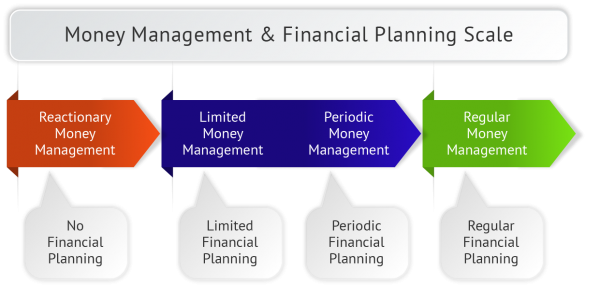
Money management is the process where we save our money from our expenses. In the stock market, traders use this to limit their risk while the main objective is to achieve as much growth as possible in their trading account. It is very to for all traders. Money management helps us to utilize our money in the right way. Because in the stock market, it is difficult to know that How too much should invest, how to save our money from losses, etc. So money management is essential for traders to manage their risks in the stock market.
MONEY MANAGEMENT STRATEGIES FOR TRADERS
Here are some money management strategies for serious traders.
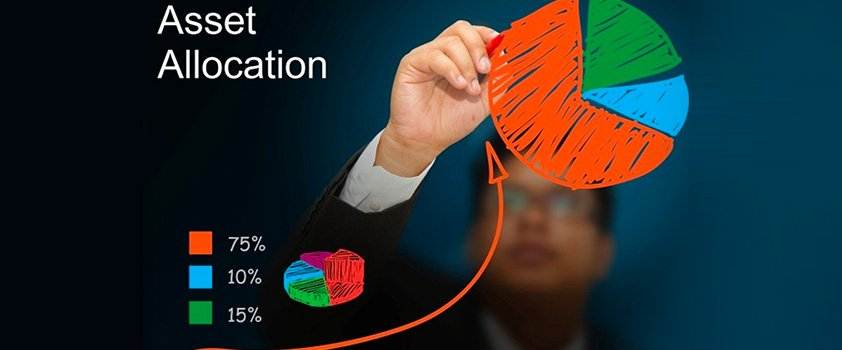
Fund Allocation: Spread Your Money Across Markets
Fund allocation is a practical money management strategy. It helps you spread your capital across different stocks or markets. Whether you trade short-term, long-term, or invest in commodities and equity, this strategy can work for you. Use it along with actionable trading tips for better results. For example, if you have $20,000, you may not be able to invest in many markets at once. But with fund allocation, you can invest $10,000 in one market and $10,000 in another. This helps you avoid putting all your money in one place.
The 2% Rule: Limit Your Risk Per Trade
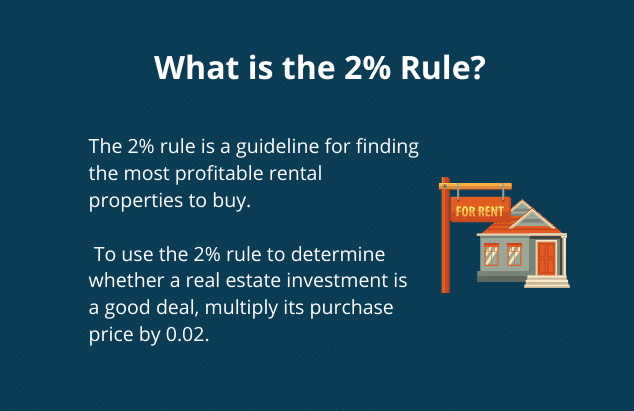
The 2% rule is a trusted way to manage risk. It means you risk no more than 2% of your account on a single trade. If you are a beginner and want to keep things simple, you can follow short term recommendations.
Risk per Trade = Account Balance × 2%
For example, if your trading account has $10,000, your risk per trade should be no more than $200 (2% of $10,000).
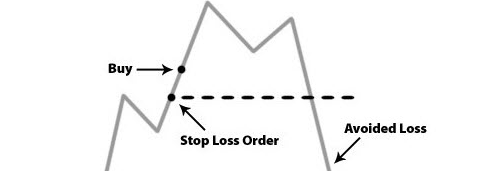
Use Stop-Loss Orders to Limit Your Losses
Stop-loss is also an essential component of money management strategies. This strategy boosts your profit. Whenever you use stop-loss, you can control your loss amount. Stop-loss is very beneficial to manage risk. If you avoid stop-loss you can lose your amount.
Fixed Ratio System: Grow Risk as Your Account Grows
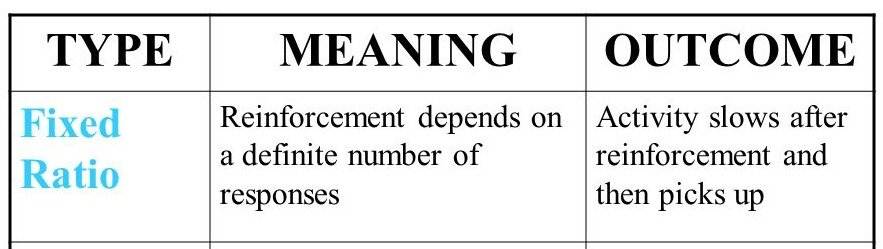
The fixed ratio method is related to the fixed fractional method. The main difference is that it doesn't look at total account size, it looks at an accumulated profit. The fixed ratio method is especially for future and options.
OPTIMAL F METHOD
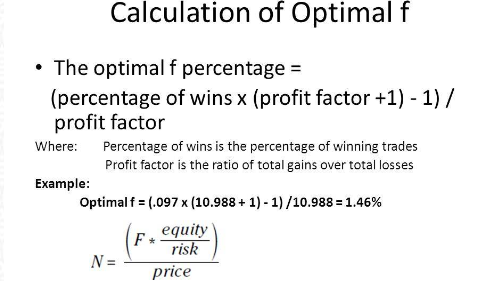
The optimal f method is also a part of the money management system and developed by trader Ralph Vince, Where performance generates the right trade size. According to past performance, it generates an ideal fraction. This method has great potential for development but it is also very risky. The calculation of every trade changes day by day so the calculation is done by the app or spreadsheet.

Free Registration for Stock Market Tips ( Advisory Services)


As per the SEBI rules, we will provide our Services only to those clients who have Complete Risk Profile. Fill This Registration Form and
Contact us on
- Whatsapp @ +91 95999 69624
- Call Us @ +91 9650 890 321
for further process.