


Impact of Covid19 on Indian Stock Market
The Covid19 pandemic has had a profound impact on the global economy, causing disruptions in various sectors and leading to a significant decline in stock markets worldwide. The virus, which originated in Wuhan, China, quickly spread across the globe, resulting in widespread lockdowns and travel restrictions. As a result, businesses were forced to shut down or operate at limited capacity, leading to a sharp decline in economic activity.
The Indian stock market, also known as the Bombay Stock Exchange (BSE) and the National Stock Exchange (NSE), is one of the largest stock markets in Asia. It plays a crucial role in the Indian economy by providing a platform for companies to raise capital and investors to trade securities. The stock market is closely watched by investors, policymakers, and analysts as an indicator of the overall health of the economy.
Initial Impact of Covid19 on Indian Stock Market
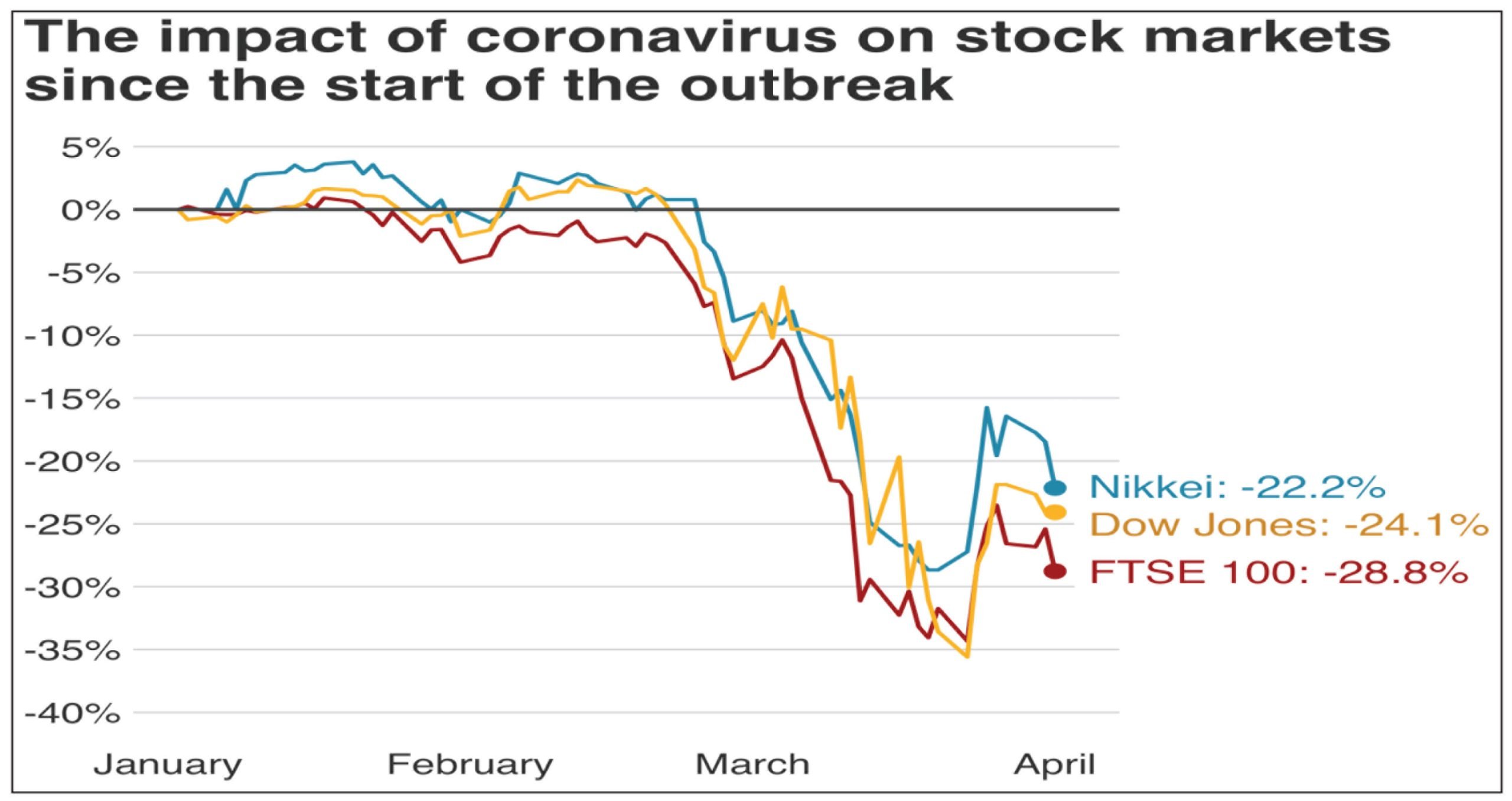
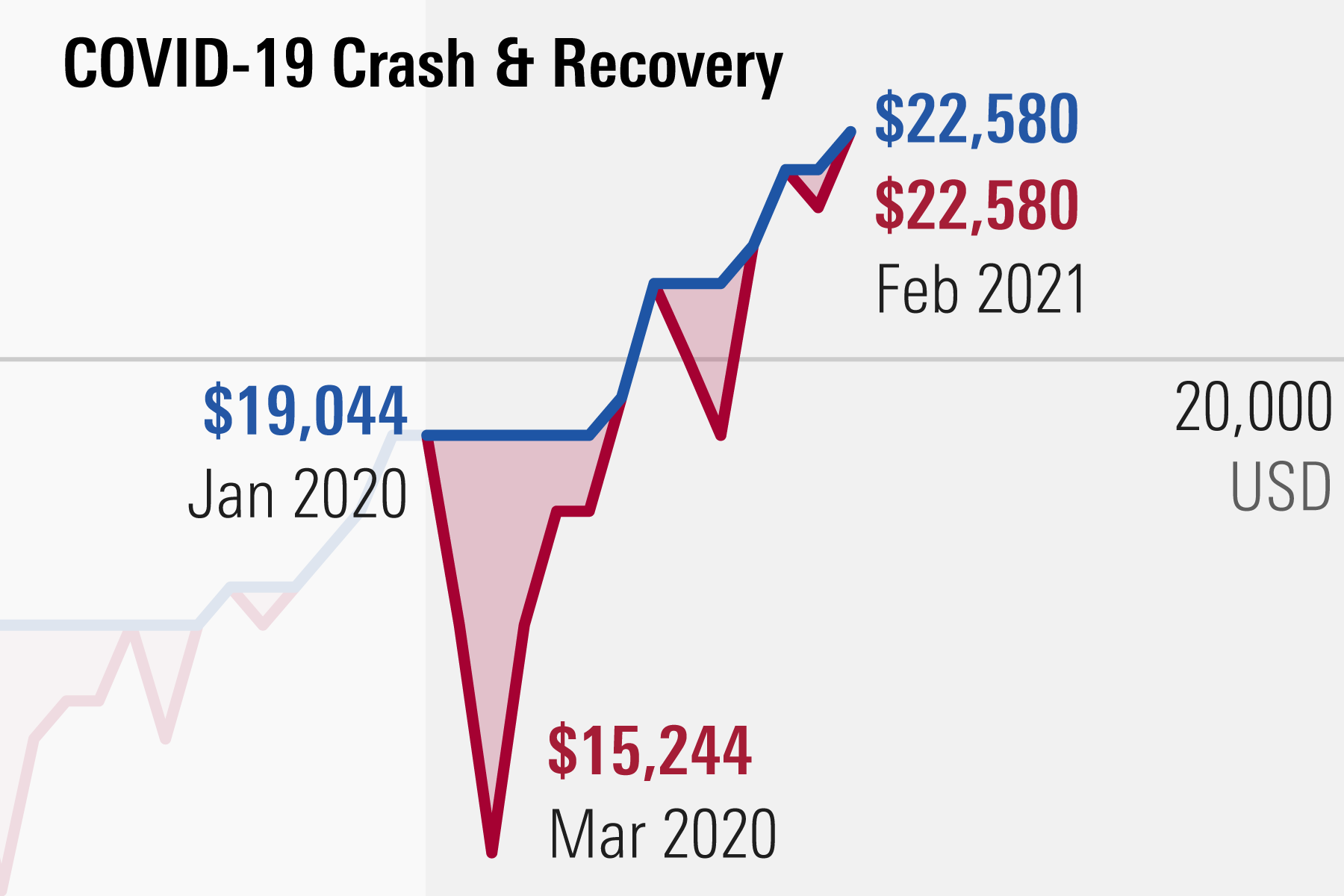
The initial impact of Covid19 on the Indian stock market was severe, with the benchmark indices witnessing a sharp decline in March 2020. The BSE Sensex, which had reached an all-time high of over 42,000 in January 2020, plummeted to around 25,000 by March. Similarly, the NSE Nifty witnessed a significant drop during this period.
The stock market crash was primarily driven by panic selling by investors as uncertainty surrounding the pandemic grew. Investors were concerned about the economic impact of the lockdowns and the potential for a global recession. As a result, they rushed to sell their holdings, leading to a sharp decline in stock prices.
Analysis of Sectors Affected by Covid19 in Indian Stock Market
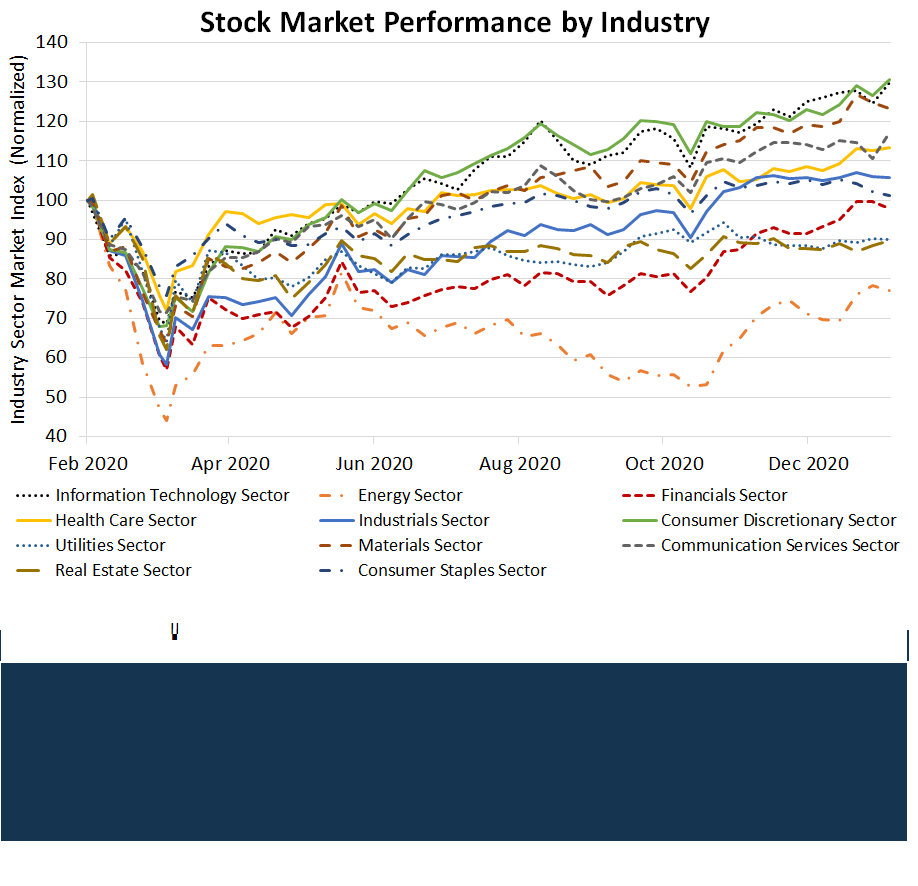
Several sectors were severely affected by Covid19 in the Indian stock market. Industries such as aviation, hospitality, and retail were hit hard as travel restrictions and lockdowns led to a decline in demand. Airlines saw a significant drop in passenger traffic, hotels faced cancellations and closures, and retail stores had to shut down temporarily.
The aviation sector, in particular, witnessed a sharp decline in stock prices as airlines faced a severe cash crunch. With travel restrictions in place, airlines were forced to ground their fleets and operate at limited capacity. This led to a decline in revenue and an increase in operating costs, putting immense pressure on the financial health of airlines.
Similarly, the hospitality sector saw a significant decline in stock prices as hotels faced closures and cancellations. With travel restrictions in place and people avoiding non-essential travel, hotels saw a sharp decline in occupancy rates. This had a direct impact on their revenue and profitability.
The retail sector also faced challenges as stores had to shut down temporarily during the lockdowns. With people staying at home and only purchasing essential items, non-essential retailers saw a decline in sales.
Government Measures to Control the Impact of Covid19 on Indian Stock Market
The Indian government took several measures to control the impact of Covid19 on the stock market and the overall economy. The Reserve Bank of India (RBI) announced various measures to provide liquidity support to banks and financial institutions. It reduced interest rates, provided additional liquidity through open market operations, and introduced special liquidity facilities for mutual funds.
The government also announced relief packages to support various sectors affected by the pandemic. These packages included measures such as loan moratoriums, credit guarantees, and direct cash transfers to vulnerable sections of society. The aim was to provide immediate relief to businesses and individuals impacted by the lockdowns and stimulate economic activity.
Additionally, regulatory bodies such as the Securities and Exchange Board of India (SEBI) introduced measures to ease compliance requirements for listed companies. This was done to provide flexibility to companies during these challenging times and ensure that they could focus on business continuity.
Volatility in Indian Stock Market during Covid19 Pandemic
The Indian stock market witnessed significant volatility during the Covid19 pandemic. Volatility refers to the rapid and significant price fluctuations in the stock market. The uncertainty surrounding the pandemic and its impact on the economy led to increased volatility in the stock market.
Several factors contributed to the volatility in the Indian stock market. Firstly, the rapid spread of the virus and the subsequent lockdowns led to a decline in economic activity, which impacted corporate earnings. This uncertainty led to panic selling by investors, resulting in sharp declines in stock prices.
Secondly, global factors such as the oil price war between Saudi Arabia and Russia added to the volatility. The decline in oil prices had a significant impact on oil-dependent economies and companies, leading to a decline in stock prices.
Lastly, investor sentiment played a crucial role in driving volatility. Fear and uncertainty led to increased selling pressure, while positive news or government measures provided some relief and led to buying interest. This constant shift in sentiment contributed to the volatility in the stock market.
Impact of Global Economic Slowdown on Indian Stock Market due to Covid19
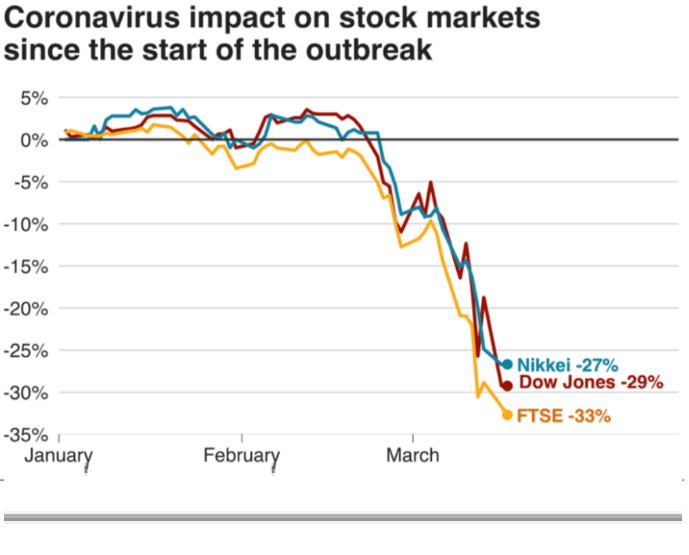
The global economic slowdown caused by Covid19 had a significant impact on the Indian stock market. The interconnectedness of economies meant that disruptions in one part of the world had ripple effects across other countries.
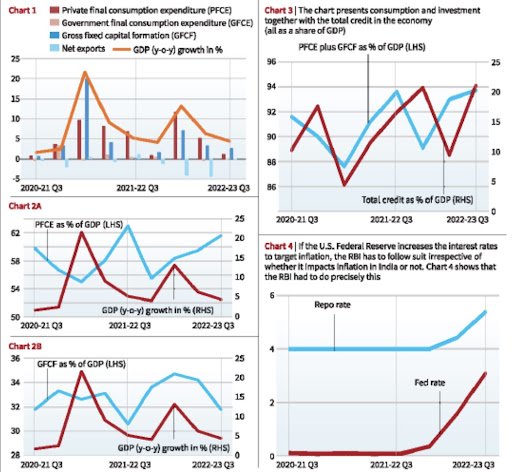
The IT sector, which is a major contributor to the Indian economy, was impacted by the global economic slowdown. Many IT companies derive a significant portion of their revenue from international clients, especially from countries such as the United States and Europe. With these countries facing economic challenges due to Covid19, IT companies saw a decline in demand for their services, leading to a decline in stock prices.
On the other hand, the pharmaceutical sector witnessed increased demand as countries scrambled to secure medical supplies and develop vaccines and treatments for Covid19. Indian pharmaceutical companies are known for their generic drug manufacturing capabilities and were well-positioned to meet this increased demand. This led to a surge in stock prices for pharmaceutical companies.
Role of Technology in Indian Stock Market during Covid19 Pandemic
Technology played a crucial role in the Indian stock market during the Covid19 pandemic. With physical trading floors closed and employees working remotely, technology enabled seamless trading and communication.
Online trading platforms allowed investors to trade from the comfort of their homes, ensuring continuity in the stock market operations. These platforms provided real-time market data, research reports, and analysis tools to help investors make informed decisions.
Digitalization also played a role in improving transparency and efficiency in the stock market. The use of technology reduced manual processes and paperwork, leading to faster settlement times and reduced operational risks. This digital transformation is expected to continue even after the pandemic, as it offers several benefits to market participants.

Investor Sentiments and Behaviour during Covid19 Pandemic in Indian Stock Market
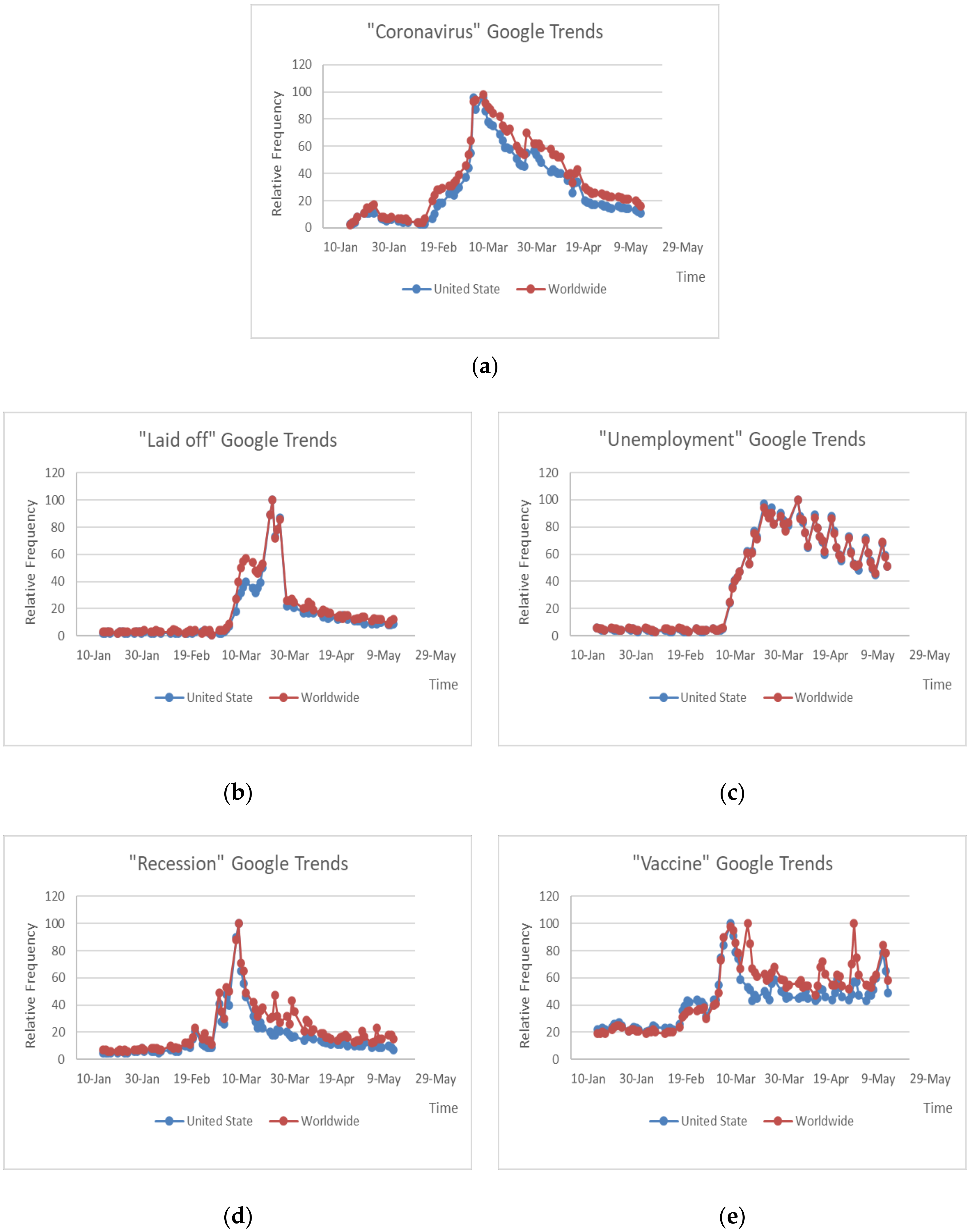
Investor sentiments and behavior underwent significant changes during the Covid19 pandemic in the Indian stock market. Retail investors, who form a significant portion of the market participants, were particularly affected.
Initially, fear and uncertainty led to panic selling by retail investors. Many investors were concerned about the impact of the pandemic on their investments and rushed to sell their holdings. This resulted in a sharp decline in stock prices.
However, as the government announced relief packages and measures to support the economy, investor sentiment improved. Positive news regarding vaccine development and declining infection rates also provided some relief. Retail investors started re-entering the market, leading to a recovery in stock prices.
Institutional investors, on the other hand, took a more cautious approach during the pandemic. They closely monitored developments and made strategic investment decisions based on their analysis of the impact of Covid19 on various sectors. Institutional investors have a longer-term investment horizon and tend to focus on fundamentals rather than short-term market movements.
Recovery of Indian Stock Market after Covid19 Pandemic
The Indian stock market witnessed a recovery after the Covid19 pandemic, with the benchmark indices reaching new highs. The recovery was driven by several factors.
Firstly, the gradual reopening of the economy and easing of lockdown restrictions led to an improvement in economic activity. This had a positive impact on corporate earnings, which boosted investor confidence and led to a recovery in stock prices.
Secondly, the government’s relief packages and measures to support the economy played a crucial role in the recovery. These measures provided much-needed liquidity and support to businesses, helping them navigate through the challenging times.
Lastly, positive news regarding vaccine development and declining infection rates provided hope for a faster economic recovery. This optimism led to increased buying interest from investors, further fueling the recovery in stock prices.
Future Outlook of Indian Stock Market Post Covid19 Pandemic
The future outlook of the Indian stock market post Covid19 pandemic is positive, with several potential opportunities and challenges for investors.
One potential opportunity lies in sectors such as healthcare, pharmaceuticals, and technology. The pandemic has highlighted the importance of these sectors and their potential for growth. Companies operating in these sectors are expected to benefit from increased demand and investment in research and development.
Another potential opportunity lies in the infrastructure sector. The government has announced plans to invest heavily in infrastructure development as part of its economic recovery strategy. This is expected to create opportunities for companies operating in sectors such as construction, engineering, and power.
The global economic outlook remains uncertain, with risks such as inflation, geopolitical tensions, and trade disputes. The pace of economic recovery will depend on factors such as vaccine distribution, consumer sentiment, and government policies.
FAQs ( Frequently Asked Questions)
What is the impact of Covid19 on the Indian stock market?
The Covid19 pandemic has had a significant impact on the Indian stock market, causing a sharp decline in stock prices and market indices.
How has the pandemic affected the Indian economy?
The pandemic has caused a slowdown in economic activity, leading to a decrease in demand and supply of goods and services. This has resulted in a decline in GDP growth and an increase in unemployment.
What sectors have been most affected by the pandemic?
The sectors that have been most affected by the pandemic include aviation, hospitality, tourism, and retail. These sectors have seen a significant decline in demand due to travel restrictions and social distancing measures.
What measures have been taken by the Indian government to mitigate the impact of the pandemic on the stock market?
The Indian government has taken several measures to mitigate the impact of the pandemic on the stock market, including providing liquidity support to banks and financial institutions, reducing interest rates, and announcing a stimulus package to boost economic growth.
What is the outlook for the Indian stock market in the near future?
The outlook for the Indian stock market in the near future is uncertain, as the pandemic continues to impact economic activity and investor sentiment. However, the government's measures to support the economy and the rollout of vaccines may help to improve market conditions in the coming months.
The Covid19 pandemic had a significant impact on the Indian stock market. The initial crash was followed by a recovery driven by government measures, positive news, and improving economic conditions. The future outlook of the stock market is positive, with potential opportunities in sectors such as healthcare and infrastructure. However, investors need to remain cautious and monitor global developments to make informed investment decisions.
If you’re interested in understanding the long-term investment potential of stocks, check out this informative article on EquityX: Long-Term Investment Stocks. It provides valuable insights into how to make strategic investment decisions that can withstand market fluctuations, such as the impact of Covid19 on the Indian stock market.