


Primary Stock Market in India Compared to Secondary Market , Pro and Cons
The Indian stock market is one of the largest and most dynamic markets in the world. It plays a crucial role in the country's economy by providing companies with a platform to raise capital and investors with opportunities to grow their wealth. Understanding the primary and secondary markets is essential for anyone looking to invest or trade in the Indian stock market.
The Primary Stock Market in India
The primary market, also known as the new issue market, is where companies raise capital by issuing new securities to investors. The most common way for companies to enter the primary market is through an Initial Public Offering (IPO).
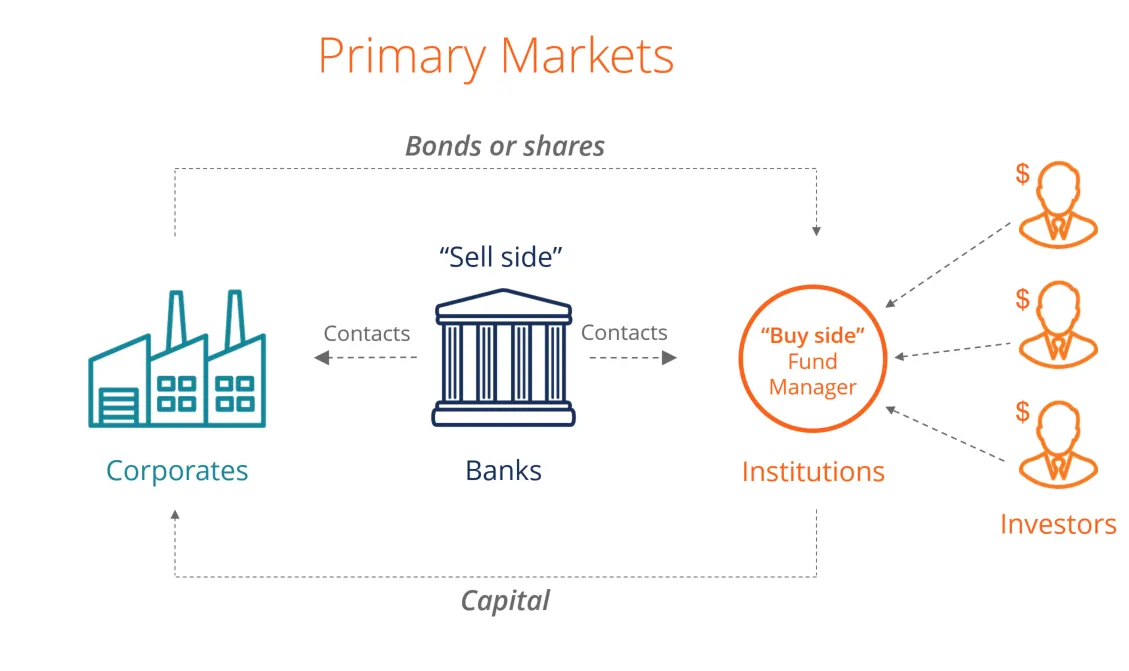
During an IPO, a company offers its shares to the public for the first time, allowing investors to become shareholders and participate in the company’s growth.
The Securities and Exchange Board of India (SEBI) plays a crucial role in regulating the primary market. SEBI ensures that companies comply with disclosure norms and provides guidelines for pricing and allotment of shares. This regulatory oversight helps protect investors’ interests and ensures transparency in the primary market.
Exploring the Secondary Market in India
The secondary market, also known as the stock market, is where investors trade previously issued securities. In the secondary market, investors buy and sell shares of publicly listed companies, bonds, and other financial instruments. The secondary market provides liquidity to investors, allowing them to convert their investments into cash whenever they want.
Stock exchanges such as the National Stock Exchange (NSE) and Bombay Stock Exchange (BSE) play a crucial role in facilitating transactions in the secondary market. They provide a platform for buyers and sellers to come together and execute trades. The stock exchanges also ensure transparency by providing real-time price information and maintaining trading rules and regulations.

Differences between Primary and Secondary Markets
The primary and secondary markets have several key distinctions. In the primary market, companies raise capital by issuing new securities, while in the secondary market, investors trade previously issued securities. The primary market is where companies go public through an IPO, while the secondary market is where investors buy and sell shares of publicly listed companies.
One advantage of the primary market is that investors have the opportunity to invest in new and promising companies. They can potentially earn high returns if the company performs well in the future. However, investing in the primary market also carries risks, such as the possibility of losing money if the company fails or if the shares are overvalued.
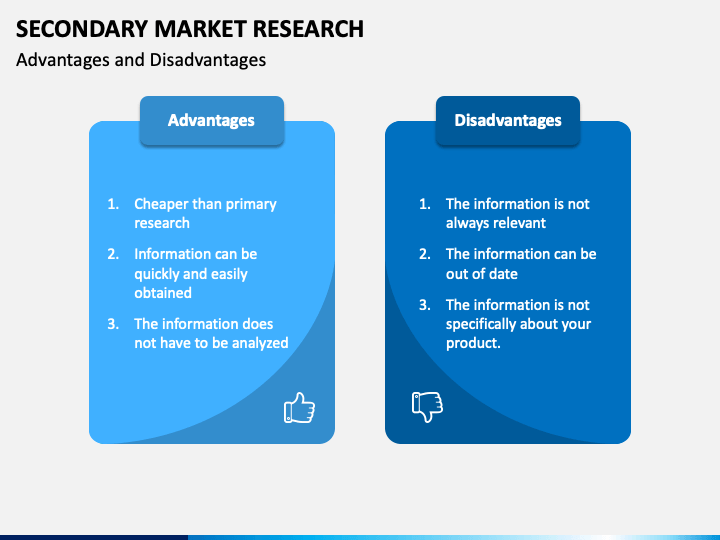
On the other hand, the secondary market offers liquidity to investors, allowing them to buy and sell shares quickly. Investors can also choose from a wide range of securities, including stocks, bonds, and derivatives. However, trading in the secondary market comes with its own set of risks, such as volatility of stock prices and the possibility of fraud and insider trading.

Advantages of Investing in the Primary Stock Market
Investing in the primary stock market in India offers several advantages. One of the main advantages is the potential for high returns. By investing in new and promising companies, investors have the opportunity to earn significant profits if the company performs well in the future. This potential for high returns attracts many investors to the primary market.

Another advantage of investing in the primary market is the opportunity to invest in new and promising companies. These companies may have innovative business models or disruptive technologies that have the potential to revolutionize their industries. By investing early on, investors can benefit from the growth and success of these companies.
Additionally, investing in the primary market can sometimes allow investors to get shares at a lower price compared to buying them in the secondary market. During an IPO, companies often offer shares at a discounted price to attract investors. This can be an attractive opportunity for investors looking to buy shares at a lower cost.
Benefits of Trading in the Secondary Market
Trading in the secondary market in India offers several benefits to investors. One of the main benefits is the liquidity of securities. In the secondary market, investors can easily buy and sell shares, allowing them to convert their investments into cash whenever they want. This liquidity provides flexibility to investors and allows them to take advantage of market opportunities.
Another benefit of trading in the secondary market is the ability to buy and sell shares quickly. In the secondary market, transactions are executed almost instantaneously, allowing investors to take advantage of short-term price movements. This quick turnaround time is especially beneficial for traders who aim to profit from short-term price fluctuations.
Furthermore, the secondary market offers a wide range of securities for investors to choose from. In addition to stocks, investors can trade bonds, mutual funds, exchange-traded funds (ETFs), and derivatives. This variety of investment options allows investors to diversify their portfolios and spread their risk across different asset classes.
Risks Associated with the Primary Stock Market
Investing in the primary stock market in India carries certain risks that investors should be aware of. One risk is the possibility of losing money if the company fails or underperforms. Investing in new and unproven companies can be risky, as there is no historical data available to analyze their performance. Investors should carefully evaluate the company's financials, growth prospects, and industry trends before investing.

Another risk associated with the primary market is the lack of historical data to analyze the company’s performance. Unlike established companies that have a track record of financial performance, new companies do not have a history that investors can rely on. This makes it challenging for investors to assess the company’s potential and make informed investment decisions.
There is a possibility of overvaluation of shares in the primary market. During an IPO, companies often generate hype and excitement among investors, leading to an increase in demand for shares.
Factors to Consider when Investing in the Primary Stock Market in India
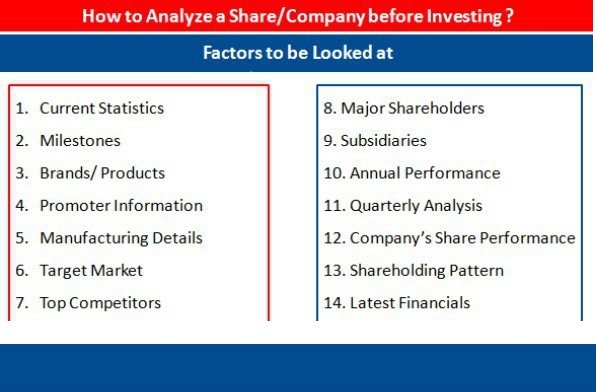
When investing in the primary stock market in India, there are several factors that investors should consider. One factor is the company's financial performance and growth prospects. Investors should carefully analyze the company's financial statements, including its revenue, profitability, and debt levels. They should also assess the company's growth potential and evaluate its competitive position within the industry.
Another factor to consider is industry trends and competition. Investors should evaluate the industry dynamics and understand how the company fits into the broader market landscape. They should assess factors such as market size, growth rate, and competitive advantage to determine the company’s potential for success.
Additionally, investors should consider the regulatory environment and government policies that may impact the company’s operations. Changes in regulations or government policies can have a significant impact on a company’s profitability and growth prospects. Investors should stay informed about any regulatory changes that may affect their investments.
Factors to Consider when Trading in the Secondary Market
When trading in the secondary market in India, there are several factors that investors should consider. One factor is market trends and investor sentiment. Investors should analyze market trends and understand the overall direction of the market. They should also assess investor sentiment, as it can influence stock prices and market movements.
Another factor to consider is the company’s financial performance and news. Investors should stay updated on the company’s financial results, earnings announcements, and any other news that may impact its stock price. This information can help investors make informed trading decisions and take advantage of market opportunities.
Furthermore, investors should consider technical analysis and market indicators. Technical analysis involves analyzing historical price and volume data to identify patterns and trends. Market indicators such as moving averages, relative strength index (RSI), and MACD can provide insights into market conditions and help investors make trading decisions.
Choosing between the Primary and Secondary Markets in India: Which is the Best Option for You?
Choosing between the primary and secondary markets in India depends on individual investment goals, risk tolerance, and investment horizon. For investors looking for high returns and the opportunity to invest in new and promising companies, the primary market may be a suitable option. However, investing in the primary market carries risks such as the possibility of losing money if the company fails or if the shares are overvalued.

On the other hand, for investors looking for liquidity, quick turnaround times, and a wide range of investment options, the secondary market may be a better choice. Trading in the secondary market allows investors to buy and sell shares quickly and provides access to a variety of securities. However, trading in the secondary market comes with its own set of risks, such as volatility of stock prices and the possibility of fraud and insider trading.
It is important for investors to diversify their investment portfolio and consider a combination of both primary and secondary market investments. By diversifying, investors can spread their risk across different asset classes and increase their chances of earning consistent returns over the long term.
FAQs ( Frequently Asked Questions)
What is the primary stock market in India?
The primary stock market in India is where companies issue new shares to the public for the first time through an initial public offering (IPO).
What is the secondary stock market in India?
The secondary stock market in India is where previously issued shares are bought and sold among investors.
What are the pros of investing in the primary stock market in India?
Investing in the primary stock market in India can provide investors with the opportunity to buy shares at a lower price than they may be available for in the secondary market. Additionally, investors may be able to benefit from the potential for significant returns if the company performs well after the IPO.
What are the cons of investing in the primary stock market in India?
Investing in the primary stock market in India can be risky as there is no guarantee that the company will perform well after the IPO. Additionally, the process of investing in the primary market can be complex and time-consuming.
What are the pros of investing in the secondary stock market in India?
Investing in the secondary stock market in India can provide investors with the opportunity to buy and sell shares quickly and easily. Additionally, investors may be able to benefit from the potential for significant returns if the company performs well.
What are the cons of investing in the secondary stock market in India?
Investing in the secondary stock market in India can be risky as the value of shares can fluctuate rapidly. Additionally, investors may be subject to fees and commissions when buying and selling shares.
The Indian stock market is essential for investors and traders looking to participate in the market. The primary and secondary markets play distinct roles in the Indian stock market, and each offers its own set of advantages and risks. By carefully evaluating these factors and considering individual investment goals, investors can make informed decisions and navigate the Indian stock market successfully.
If you’re interested in learning more about the primary stock market in India compared to the secondary market, you may find this article on EquityX.in helpful. It discusses the pros and cons of investing in penny stocks in the stock market.