


Avoid Trading on Events days like RBI Policy, Budget Day, Company Results, Global Market, FED policy, Election Result India
Event days in trading refer to specific days when significant events or announcements take place that can have a significant impact on the financial markets. These events can include central bank policy announcements, government budget releases, company earnings announcements, global market events, election results, and more. Traders and investors closely monitor these event days as they can provide opportunities for profit or pose risks to their portfolios.
The Impact of RBI Policy on Trading
The Reserve Bank of India (RBI) is the central bank of India and plays a crucial role in shaping the country's monetary policy. The RBI's policy decisions have a significant impact on the financial markets, including the stock market, bond market, and currency market.
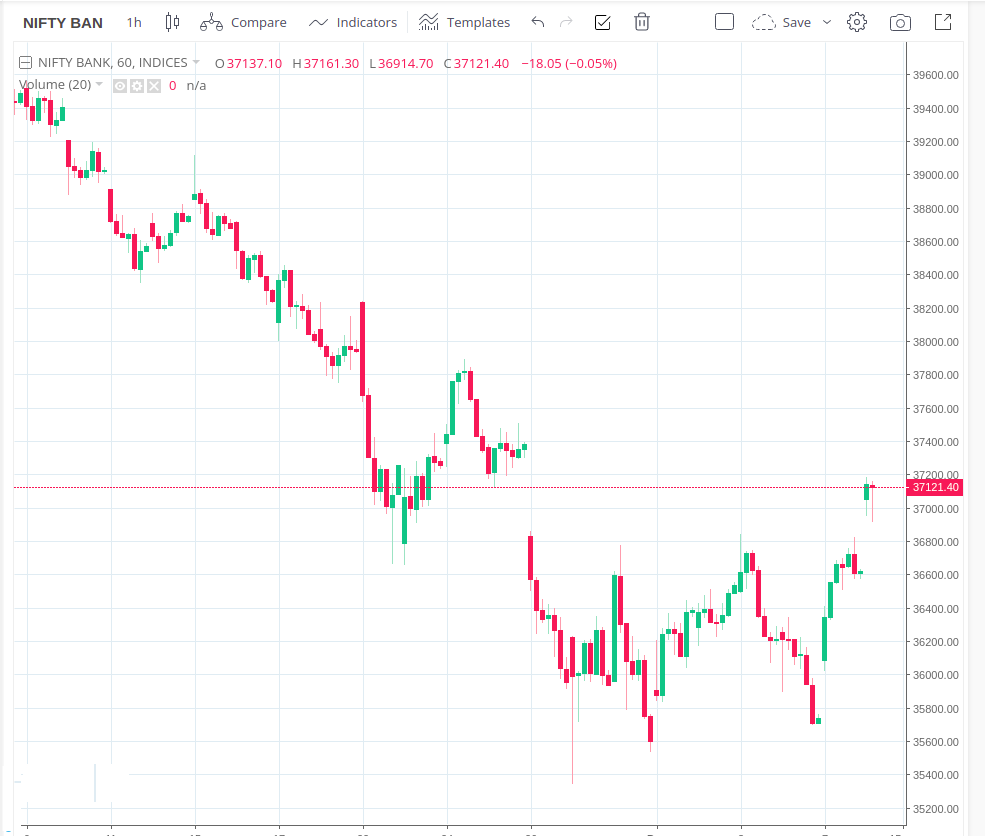
When the RBI announces its policy decisions, traders closely analyze them to gauge the direction of interest rates and the overall stance of monetary policy. If the RBI decides to raise interest rates, it can lead to a decrease in borrowing and spending, which may negatively impact stock prices. On the other hand, if the RBI decides to lower interest rates, it can stimulate economic growth and boost stock prices.
Traders can employ various strategies during RBI policy announcements. Some traders may choose to take positions before the announcement based on their analysis and predictions. Others may wait for the announcement and react accordingly based on the market’s immediate reaction. It is essential for traders to stay updated with the latest news and analysis leading up to these events to make informed trading decisions.
How Budget Day Affects the Stock Market
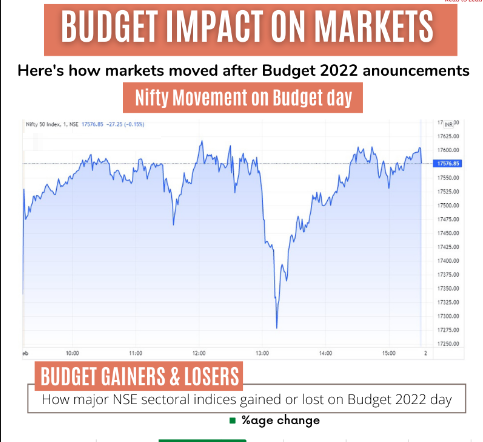
Budget day refers to the day when the government presents its annual budget to the parliament. The budget outlines the government's revenue and expenditure plans for the upcoming fiscal year and can have a significant impact on various sectors of the economy, including the stock market.
The budget day is closely watched by traders and investors as it provides insights into the government’s fiscal policies and priorities. Changes in taxation, government spending, and sector-specific policies can directly impact the profitability and prospects of companies operating in different sectors. As a result, stock prices can experience significant movements on budget day.
Traders can employ different strategies during budget day to capitalize on potential opportunities. Some traders may choose to take positions in sectors that are expected to benefit from the budget proposals, while others may take defensive positions in sectors that are likely to be negatively impacted. It is crucial for traders to conduct thorough research and analysis leading up to budget day to identify potential winners and losers.
Learn about Company Results and Trading Strategies
Company results announcements are another critical event day in trading. Companies release their financial results on a quarterly or annual basis, providing insights into their performance, profitability, and future prospects. These announcements can significantly impact stock prices as they reflect the market's assessment of a company's financial health.
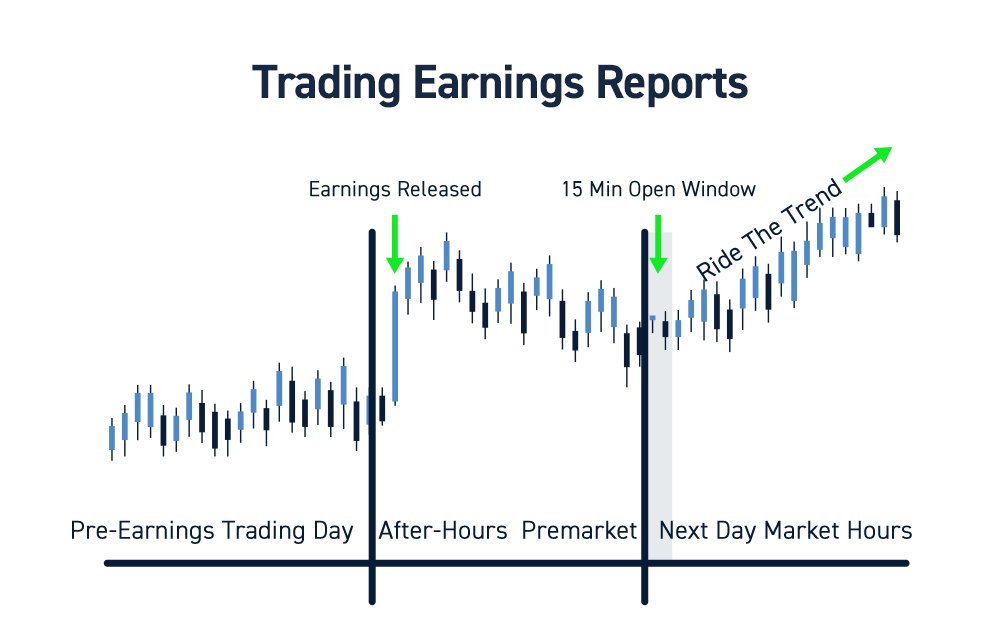
Positive company results can lead to an increase in stock prices as investors perceive the company’s performance to be better than expected. Conversely, negative company results can lead to a decrease in stock prices as investors may lose confidence in the company’s ability to generate profits.
Traders can employ different strategies during company results announcements. Some traders may choose to take positions before the announcement based on their analysis of the company’s fundamentals and market expectations. Others may wait for the announcement and react accordingly based on the market’s immediate reaction. It is crucial for traders to stay updated with the latest news and analysis leading up to these events to make informed trading decisions.
Global Market Factors to Consider in Trading
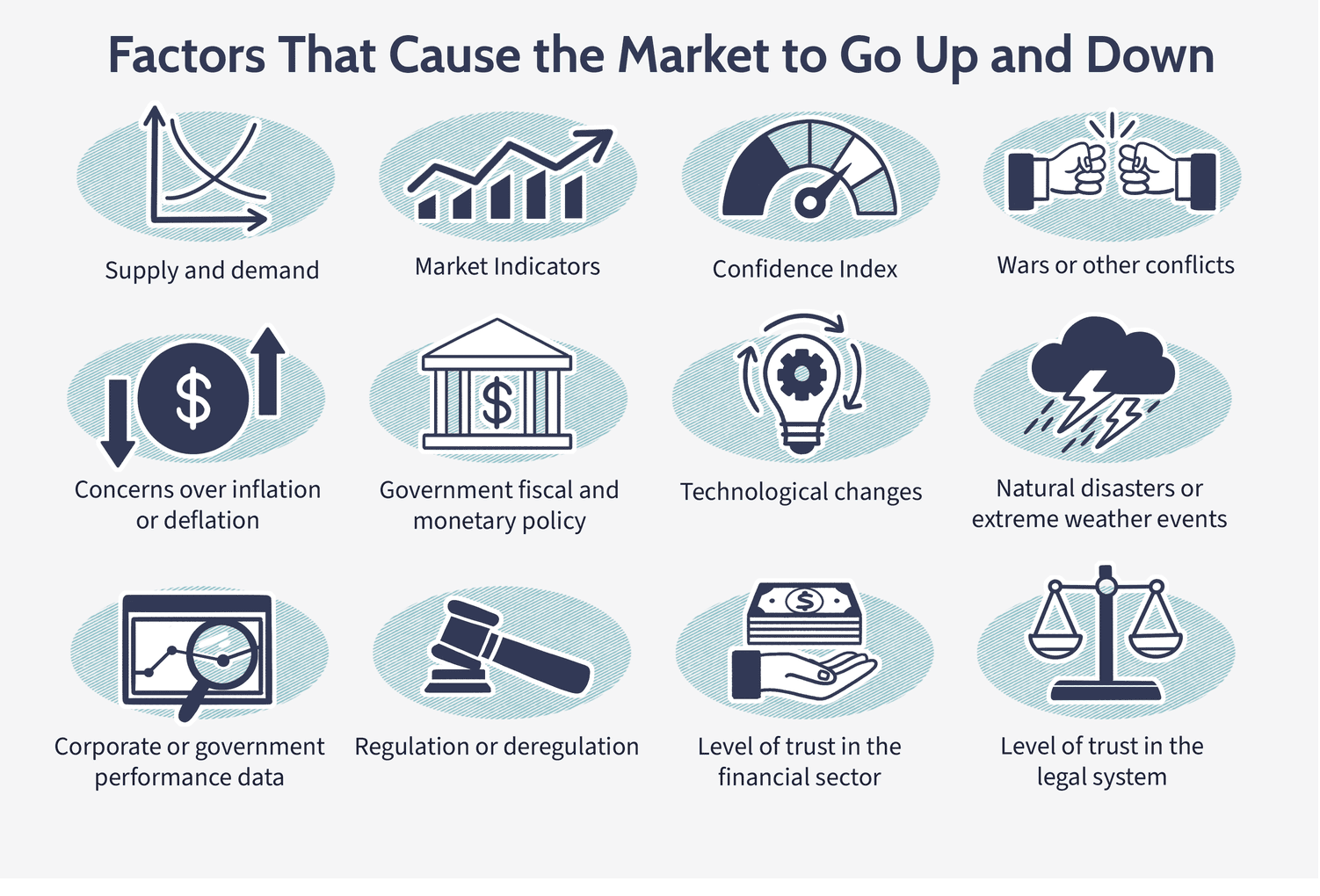
Global market factors can have a significant impact on trading, especially in today's interconnected world. Events such as geopolitical tensions, economic indicators, central bank policies in other countries, and global market trends can influence the financial markets.
Traders need to be aware of these global market factors and their potential impact on their trading strategies. For example, if there is a trade war between two major economies, it can lead to increased volatility and uncertainty in the markets. Traders may need to adjust their risk management strategies and be cautious during such periods.
Strategies for trading during global market events can vary depending on the specific event and its potential impact. Some traders may choose to take defensive positions by reducing their exposure to risky assets and increasing their holdings of safe-haven assets such as gold or government bonds. Others may take advantage of market movements by actively trading in response to news and events. It is crucial for traders to stay updated with the latest global market news and analysis to make informed trading decisions.
The Implications of FED Policy on Trading
The Federal Reserve (FED) is the central bank of the United States and plays a crucial role in shaping the country's monetary policy. The FED's policy decisions have a significant impact not only on the U.S. financial markets but also on global markets.
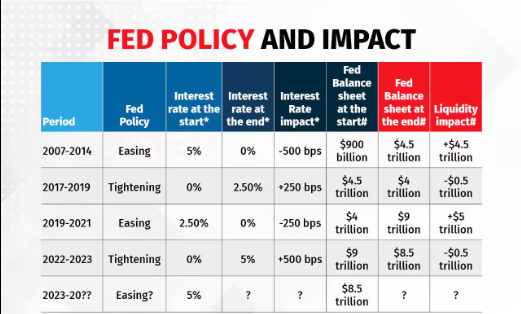
When the FED announces its policy decisions, traders closely analyze them to gauge the direction of interest rates and the overall stance of monetary policy. Changes in interest rates can have a ripple effect on various asset classes, including stocks, bonds, and currencies. Traders need to understand how FED policy decisions can impact their trading strategies.
Strategies for trading during FED policy announcements can vary depending on the specific event and its potential impact. Some traders may choose to take positions before the announcement based on their analysis and predictions. Others may wait for the announcement and react accordingly based on the market’s immediate reaction. It is crucial for traders to stay updated with the latest news and analysis leading up to these events to make informed trading decisions.
Trading During Election Results in India
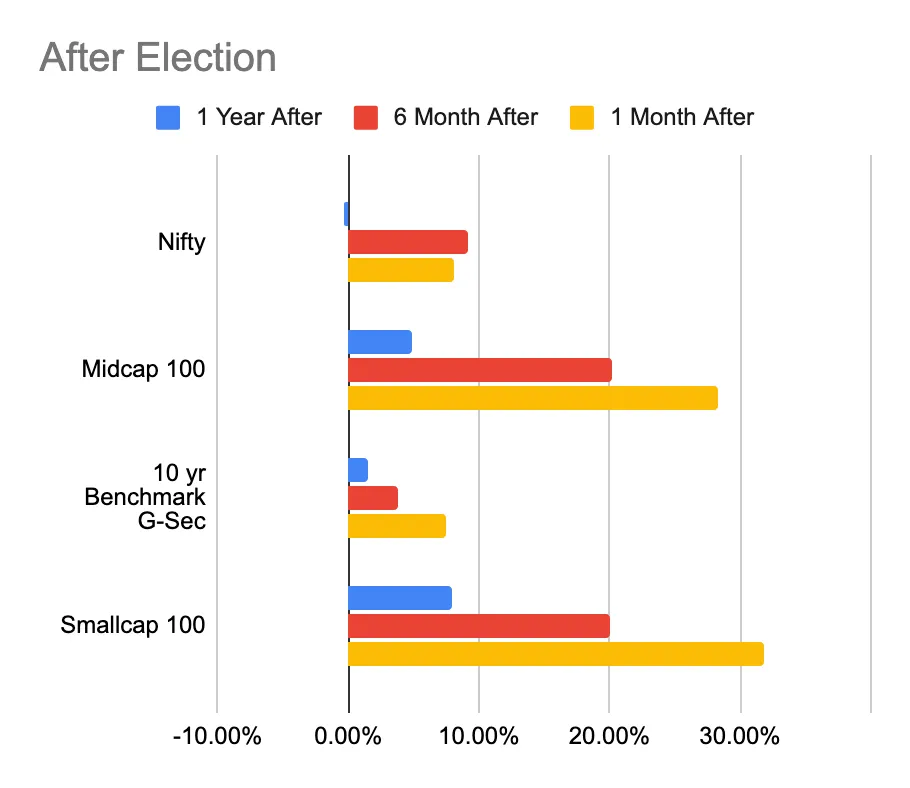
Election results in India can have a significant impact on the financial markets, especially the stock market. Elections determine the political leadership and policies of the country, which can directly impact various sectors of the economy.
Traders closely monitor election results to gauge the potential impact on different sectors and companies. Changes in government policies, regulations, and economic priorities can lead to significant movements in stock prices. Traders need to understand how election results can impact their trading strategies.
Strategies for trading during election results can vary depending on the specific event and its potential impact. Some traders may choose to take positions before the results based on their analysis and predictions. Others may wait for the results and react accordingly based on the market’s immediate reaction. It is crucial for traders to stay updated with the latest news and analysis leading up to these events to make informed trading decisions.
Risks and Challenges of Trading on Event Days
Trading on event days comes with its own set of risks and challenges. Increased volatility can lead to larger price swings, making it difficult to predict market movements accurately. Traders need to be prepared for sudden changes in market sentiment and adjust their strategies accordingly.

Another challenge is the potential for market manipulation or insider trading during event days. Traders need to be cautious of rumors or false information that can influence market prices. It is essential to rely on reliable sources of information and conduct thorough research before making trading decisions.
Risk management is crucial when trading on event days. Traders should set appropriate stop-loss orders and position sizes to limit potential losses. It is also important to diversify portfolios and not put all eggs in one basket.
Developing a Trading Plan for Event Days
Having a trading plan is essential for successful trading on event days. A trading plan helps traders stay disciplined and make informed decisions based on a predefined strategy. It provides a roadmap for executing trades and managing risks.
A trading plan for event days should include the following components:
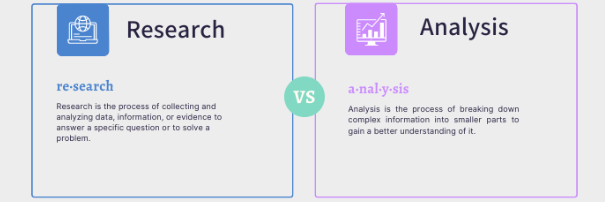
Research and Analysis
Conduct thorough research and analysis leading up to the event day. Stay updated with the latest news and market trends to make informed trading decisions.

Risk Management
Set appropriate stop-loss orders and position sizes to limit potential losses. Diversify portfolios to spread risk across different assets.
Monitoring and Review
Continuously monitor market conditions and review the performance of trades. Make necessary adjustments to the trading plan based on lessons learned.

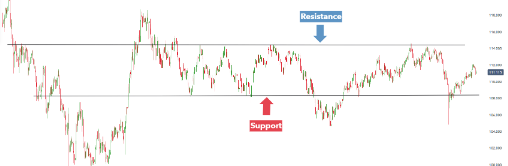
Entry and Exit Strategies
Define clear entry and exit strategies based on market conditions and expected price movements. Stick to the plan and avoid emotional decision-making.
Tips for developing a trading plan for event days:
– Define clear goals and objectives for each trade.
– Set realistic expectations and avoid chasing quick profits.
– Backtest trading strategies using historical data.
– Seek advice from experienced traders or financial advisors.
– Continuously educate yourself about market dynamics and trading strategies.
The Importance of Being Cautious on Event Days in Trading
Event days in trading are crucial moments that can provide opportunities for profit or pose risks to traders' portfolios. Understanding the impact of events such as RBI policy announcements, budget day, company results announcements, global market factors, FED policy announcements, and election results is essential for successful trading.
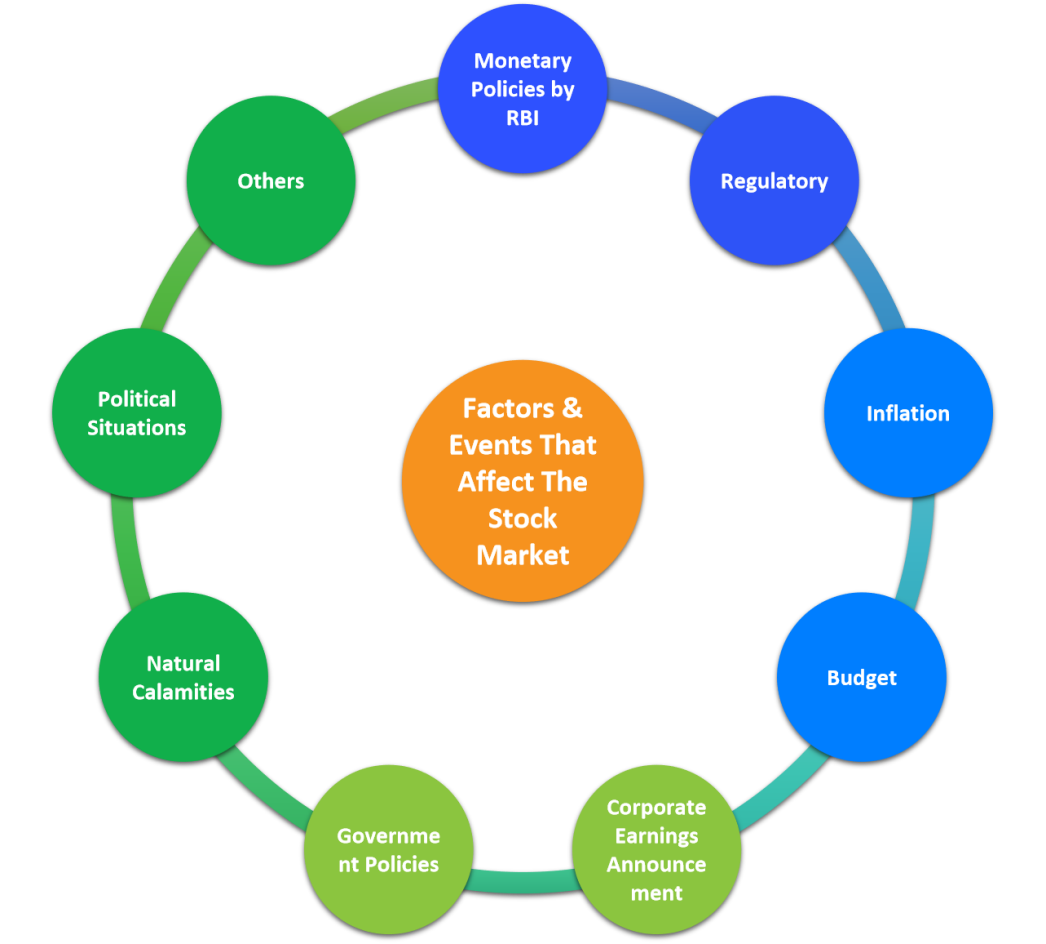
Traders need to develop appropriate strategies to navigate these event days successfully. This includes conducting thorough research and analysis, implementing risk management strategies, defining clear entry and exit strategies, and continuously monitoring market conditions.
It is also important to be cautious on event days due to increased volatility and potential risks. Traders should be aware of the risks and challenges associated with trading on event days and take necessary precautions to mitigate them.
By developing a trading plan and following it diligently, traders can increase their chances of success on event days. It is crucial to stay disciplined, stick to the plan, and continuously educate oneself about market dynamics and trading strategies.
FAQs ( Frequently Asked Questions)
What are event days in trading?
Event days in trading refer to days when significant economic, political, or corporate events take place that can impact the financial markets. These events include RBI policy announcements, budget days, company results, global market movements, FED policy decisions, and election results in India.
Why should traders avoid trading on event days?
Traders should avoid trading on event days because the markets tend to be highly volatile and unpredictable during such times. The sudden influx of news and information can cause sharp price movements, making it difficult for traders to make informed decisions and manage their risks effectively.
What are the risks of trading on event days?
The risks of trading on event days include increased volatility, wider bid-ask spreads, lower liquidity, and higher transaction costs. Traders may also face the risk of slippage, where their orders get executed at a different price than expected due to sudden price movements.
How can traders prepare for event days?
Traders can prepare for event days by doing their research and analysis beforehand, setting up stop-loss orders to limit their losses, and avoiding over-leveraging their positions. They should also keep an eye on the news and be prepared to adjust their trading strategies based on the latest developments.
What are some alternative trading strategies for event days?
Some alternative trading strategies for event days include trading before or after the event, using options or futures contracts to hedge their positions, or focusing on longer-term trends and fundamentals rather than short-term price movements. Traders can also consider diversifying their portfolios to reduce their exposure to any single event or market.
Event days in trading are opportunities for profit, but they require caution and careful planning. By understanding the impact of various events and developing appropriate strategies, traders can navigate these event days successfully and achieve their trading goals.
If you’re a day trader, it’s crucial to avoid trading on event days that can significantly impact the market. Events like RBI Policy, Budget Day, Company Results, Global Market, FED policy, and Election Result India can create high volatility and unpredictable movements in the stock market. To learn more about the dangers of day trading mistakes and how to avoid them, check out this informative article on EquityX: https://equityx.in/5-dangerous-day-trading-mistakes/. Understanding these risks and implementing effective strategies can help you navigate the market more successfully.